Why Your Linen Shirt Wrinkles So Fast And the Best Blends To Fix It
Linen wrinkles easily due to its natural fibre structure and humidity. This article explains why it happens and explores practical fabric blends that reduce creasing without losing comfort.

Why Linen Shirts Wrinkle So Easily And The Best Fabric Blends to Reduce Creasing.
Linen enjoys a loyal following for good reason. It breathes well, looks elegant, and handles heat better than most fabrics. On a humid morning, a crisp linen shirt feels like freedom. By lunchtime, though, that same shirt often looks as if it slept through a power cut. Wrinkles appear fast and settle deep.
This constant creasing frustrates many people. Some give up on linen altogether, while others accept the rumples as part of its personality. Both reactions miss the full picture. Wrinkling does not happen without reason, and clever fabric choices can reduce it without sacrificing comfort.
Understanding linen helps make better wardrobe decisions. Fabric blends now offer smarter options for daily wear, work meetings, and travel days. This guide explains the science behind the creases and highlights the blends that behave better in real conditions, from crowded trains to long office hours.

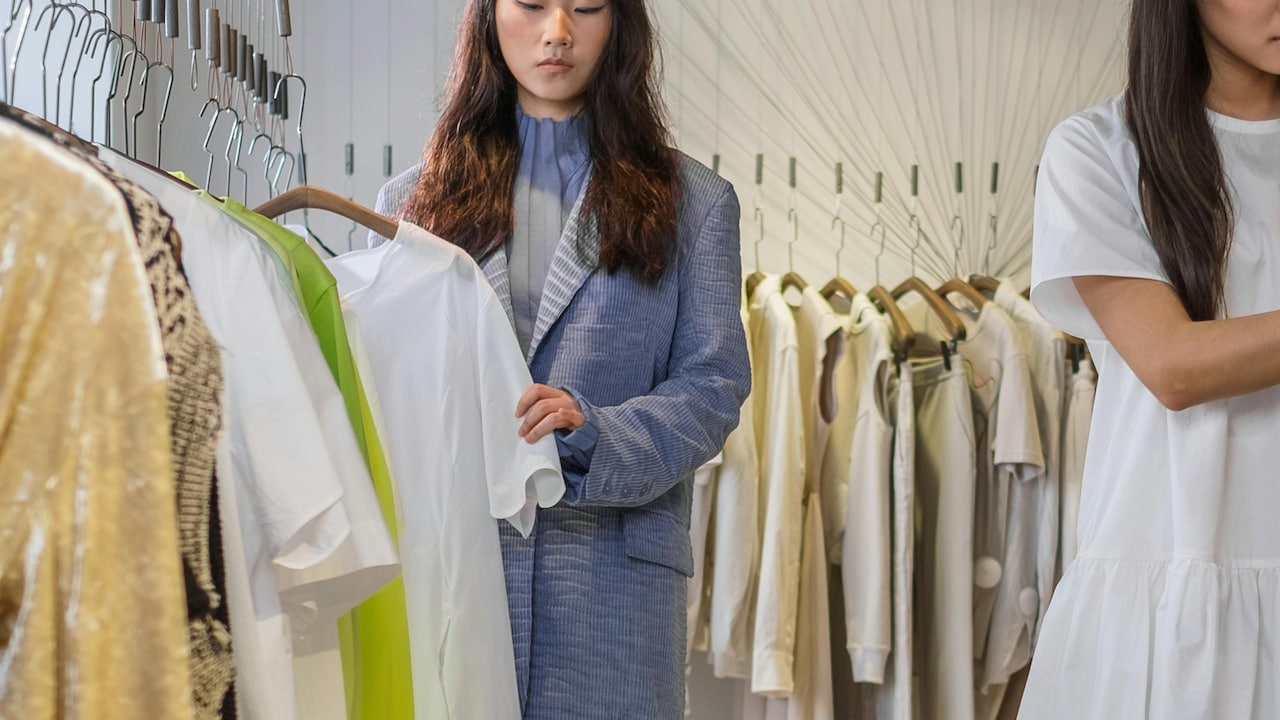
Why Your Linen Shirt Wrinkles So Fast: And the Best Blends To Fix It; Photo Credit: Copilot
The Science, Style And Smart Solutions Behind Linen Wrinkles
1. The Natural Structure of Linen Fibres
Linen comes from flax fibres, which grow long and straight. This structure gives linen its strength and airy feel. It also explains the wrinkle problem. Flax fibres lack elasticity. Once bent or folded, they struggle to bounce back.
Cotton stretches slightly. Wool springs back with ease. Linen stays put. Each movement, sitting, walking or leaning, presses the fibres into new shapes. Those shapes become wrinkles.
Heat and moisture make things worse. Sweat softens the fibres. Movement then locks creases into place. In warm weather, this cycle repeats all day. That is why linen looks freshest in the morning and most rumpled by evening.
This behaviour does not signal poor quality. In fact, higher-grade linen often wrinkles more clearly because it uses longer, purer fibres. Understanding this trait helps set expectations and explains why blends matter.
2. Humidity: Linen's Silent Enemy
High humidity plays a major role in linen's tendency to crease. Moist air seeps into the fabric and relaxes the fibres. Once relaxed, they fold with ease and resist recovery.
In coastal cities or during the monsoon, this effect intensifies. A linen shirt may leave the wardrobe smooth and reach the office looking lived-in. Air-conditioned spaces help a little, but the damage often occurs during the commute.
Humidity also adds weight to the fabric. Damp fibres sag and collapse, forming deeper wrinkles around elbows, waistlines, and collars. Ironing helps, but the smoothness rarely lasts long outdoors.
This reality explains why linen feels perfect for holidays yet tricky for long workdays. Fabric blends step in here. Adding fibres with better elasticity helps linen fight back against moisture and movement.
Also Read: How To Wear Linen Shirts To Work: Dos And Don'ts
3. Tight Weaves vs Loose Weaves
Not all linen behaves the same. Weave structure changes everything. Loose weaves allow more airflow. They also allow more movement within the fabric. Each thread shifts with ease, creating wrinkles faster.
Tight weaves hold shape better. They resist creasing but sacrifice some breathability. Many mass-market linen shirts use looser weaves to maximise comfort and keep costs down.
Premium brands often balance weave density and yarn quality. These shirts wrinkle less and drape better. They also cost more, sometimes crossing ₹5,000 or ₹6,000 for a single piece.
Blends offer a smarter alternative. They mimic the breathability of loose linen while borrowing structure from other fibres. The result feels practical without losing the relaxed look that makes linen so appealing.
4. Pure Linen vs Daily Wear Reality
Pure linen suits certain moments. Beach weddings. Weekend brunches. Slow evenings outdoors. It struggles with daily wear demands.
Office chairs, backpacks and long drives all stress the fabric. Each crease compounds over time. By the end of the day, the shirt tells a story, often louder than intended.
Many people blame themselves for poor care. In truth, linen simply reacts to life. Washing methods and ironing help, but they cannot change the fibre behaviour.
Daily wear calls for compromise. Fabric blends provide that middle ground. They retain linen's charm while offering resilience. For those who love linen but need polish, blends feel like a quiet upgrade.

Why Your Linen Shirt Wrinkles So Fast: And the Best Blends To Fix It; Photo Credit: Copilot
5. Linen-Cotton Blends: The Everyday Favourite
Linen-cotton blends rank among the most popular solutions. Cotton adds softness and elasticity. Linen contributes breathability and texture.
This combination reduces wrinkles without erasing linen's character. The fabric creases less sharply and recovers faster. Shirts hold shape longer through the day.
Cotton also improves moisture absorption. Sweat spreads evenly instead of settling into folds. This keeps the shirt looking fresher for longer.
Prices stay reasonable, too. Many good-quality linen-cotton shirts sit between ₹2,000 and ₹3,500. That makes them accessible for work wardrobes and casual wear alike.
These blends suit people who want comfort without constant ironing. They feel familiar, reliable and easy to style. For first-time linen buyers, this blend offers a safe starting point.
6. Linen-Viscose Blends: Smooth and Fluid
Viscose brings a different energy to linen. Made from plant cellulose, viscose drapes smoothly and feels cool against the skin.
When blended with linen, viscose softens the stiffness and reduces sharp creases. The fabric flows better and resists deep wrinkles. Shirts made from this blend often look polished even after hours of wear.
This blend works well for relaxed office settings and evening outings. It pairs nicely with tailored trousers or chinos. The finish feels slightly dressier than linen-cotton.
Care remains simple. Gentle washing and light ironing suffice. Prices vary, usually starting around ₹2,500 and rising with brand and weave quality.
Those who dislike the crisp feel of pure linen often prefer this option. It feels kinder on the skin and easier on the eyes by day's end.
7. Linen-Polyester Blends: Practical and Durable
Polyester rarely wins style awards, yet it solves real problems. Blended with linen, it adds strength and wrinkle resistance.
This combination holds shape well. Creases appear slower and fade faster. Shirts maintain structure through long hours and frequent washing.
Breathability drops slightly, but modern blends manage airflow better than older versions. For daily commuting and long meetings, this trade-off feels worthwhile.
These blends also cost less. Many options fall below ₹2,000, making them budget-friendly. They suit uniforms, travel wear and busy routines.
Some purists avoid polyester. Yet, for practical wardrobes, this blend delivers consistency. It keeps linen's look intact while reducing its most frustrating flaw.

Why Your Linen Shirt Wrinkles So Fast: And the Best Blends To Fix It; Photo Credit: Pexels
8. Linen-Tencel Blends: The Modern Upgrade
Tencel, also known as lyocell, brings innovation into the mix. Derived from eucalyptus pulp, it feels smooth, strong and breathable.
Blended with linen, Tencel enhances softness and wrinkle resistance. The fabric drapes well and resists creasing under pressure. It also manages moisture efficiently, keeping the shirt dry and fresh.
This blend suits warm climates and long days. It feels cool without stiffness and polished without effort. Many premium casual brands now favour this mix.
Prices tend to sit higher, often starting around ₹4,000. The comfort and durability justify the cost for many buyers.
For those seeking modern fabrics with traditional appeal, linen-Tencel blends offer a refined solution that fits contemporary lifestyles.
9. Fit and Design Matter More Than Expected
Fabric alone does not decide wrinkle behaviour. Fit plays a huge role. Tight shirts crease faster. Strain pulls fibres into folds that stay put.
Relaxed fits allow movement without stress. They wrinkle, but less dramatically. Linen already leans relaxed, so fighting that nature rarely ends well.
Design details also matter. Back pleats, dart placements and seam quality influence how fabric moves. Well-designed shirts distribute stress evenly.
Choosing the right size and cut reduces daily frustration. Even the best blend struggles in a poor fit. Thoughtful design complements fabric technology and keeps the shirt looking intentional rather than untidy.
10. Care Habits That Support Better Fabrics
Even wrinkle-resistant blends need care. Overloading washing machines twists fibres. High spin speeds lock creases in.
Gentle cycles work best. Air drying on hangers helps gravity smooth the fabric. Folding while slightly damp reduces sharp lines.
Ironing becomes easier with blends. A quick press suffices instead of a full workout. Steam helps relax fibres without flattening the texture.
Storage matters too. Hanging shirts prevents fold marks. Avoid packing linen tightly in wardrobes or suitcases.
Good habits extend the life of every shirt. Combined with the right blend, they keep linen looking relaxed, not careless.
Products Related To This Article
1. Roadster Men Striped Cotton Linen Casual Shirt
2. HERE&NOW Relaxed Fit Striped Button-Down Collar Linen Blend Casual Shirt
3. Nautica Slim Fit Striped Cotton Linen Casual Shirt
4. Snitch Men Casual Shirt
5. Mast & Harbour Slim Fit Pure Linen Casual Shirt
6. Sztori Plus Size Cotton Linen Casual Shirt
7. THE BEAR HOUSE Slim Fit Checked Cotton Linen Casual Shirt
Linen wrinkles fast because nature designed it that way. Flax fibres breathe beautifully but resist recovery. Heat, humidity, and movement push them into permanent folds.
Blends offer a smart response. Cotton adds familiarity. Viscose brings fluidity. Polyester ensures durability. Tencel introduces modern comfort. Each blend serves a purpose and fits different routines.
Choosing the linen shirts turns linen from a special-occasion piece into a reliable favourite. With better blends and thoughtful care, linen keeps its charm without constant creasing.
A linen shirt should feel like ease, not effort. The right choice makes that possible, one smooth day at a time.
(Disclaimer: This article may include references to or features of products and services made available through affiliate marketing campaigns. NDTV Convergence Limited (“NDTV”) strives to maintain editorial independence while participating in such campaigns. NDTV does not assume responsibility for the performance or claims of any featured products or services.)