How To Choose Blazers And Suits: Look Sharp Without Tailoring Stress With This Fit Guide
Buying a blazer or suit shouldnt feel confusing. This practical fit guide breaks down fabrics, colours, and cuts so you can look sharp, feel confident, and avoid unnecessary tailoring stress. This guide is designed to keep things sharp, comfortable, and refreshingly stress-free.
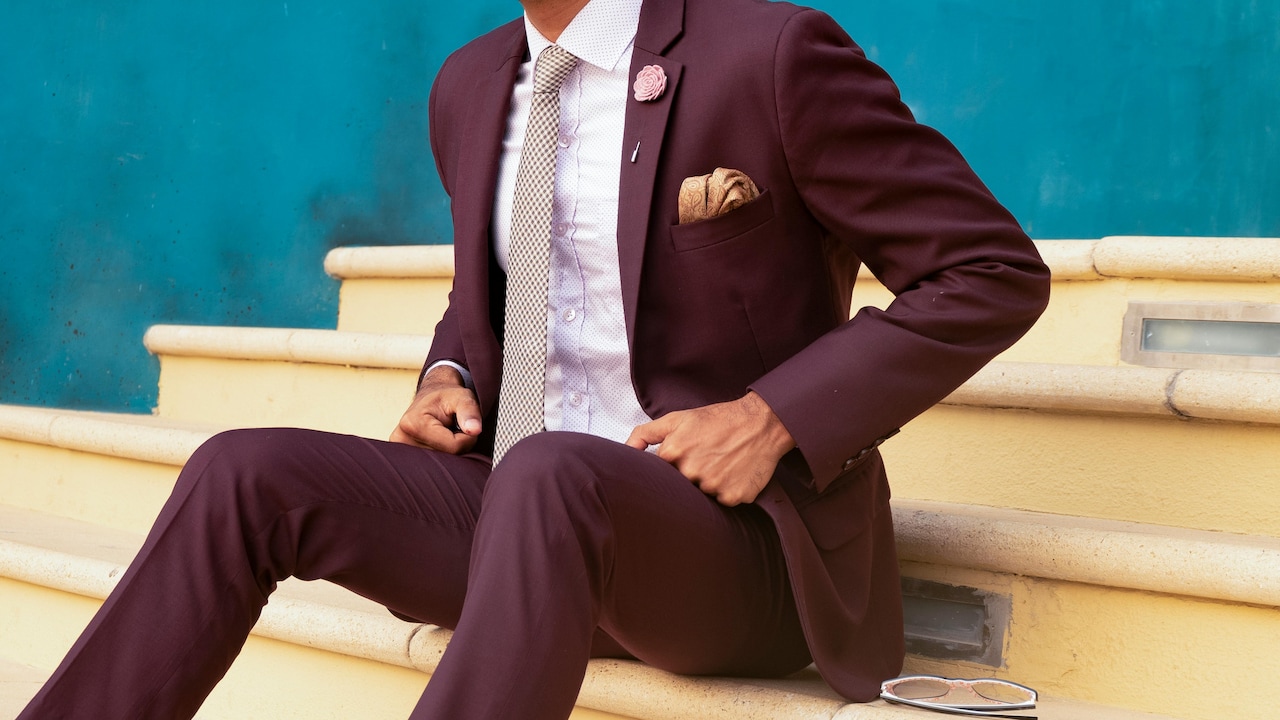
Blazer And Suit Fit Guide: How To Choose The Perfect Style Without Tailoring Hassles.
There is something undeniably powerful about a well-fitted blazer or suit. It changes posture, sharpens presence, and quietly signals confidence. Yet for many, buying one feels like navigating a maze. However, looking polished does not require fashion expertise or multiple tailoring appointments. With the right knowledge, it becomes easy to spot what works and what does not. Understanding fit, fabric, colour, and purpose can save time, money, and frustration. This guide simplifies the process.
From office meetings to festive celebrations and formal evenings, choosing the right blazer or suit becomes far easier when clarity replaces confusion. Here is a fit guide that reveals how to choose blazers and suits to make you look sharp without tailoring stress.
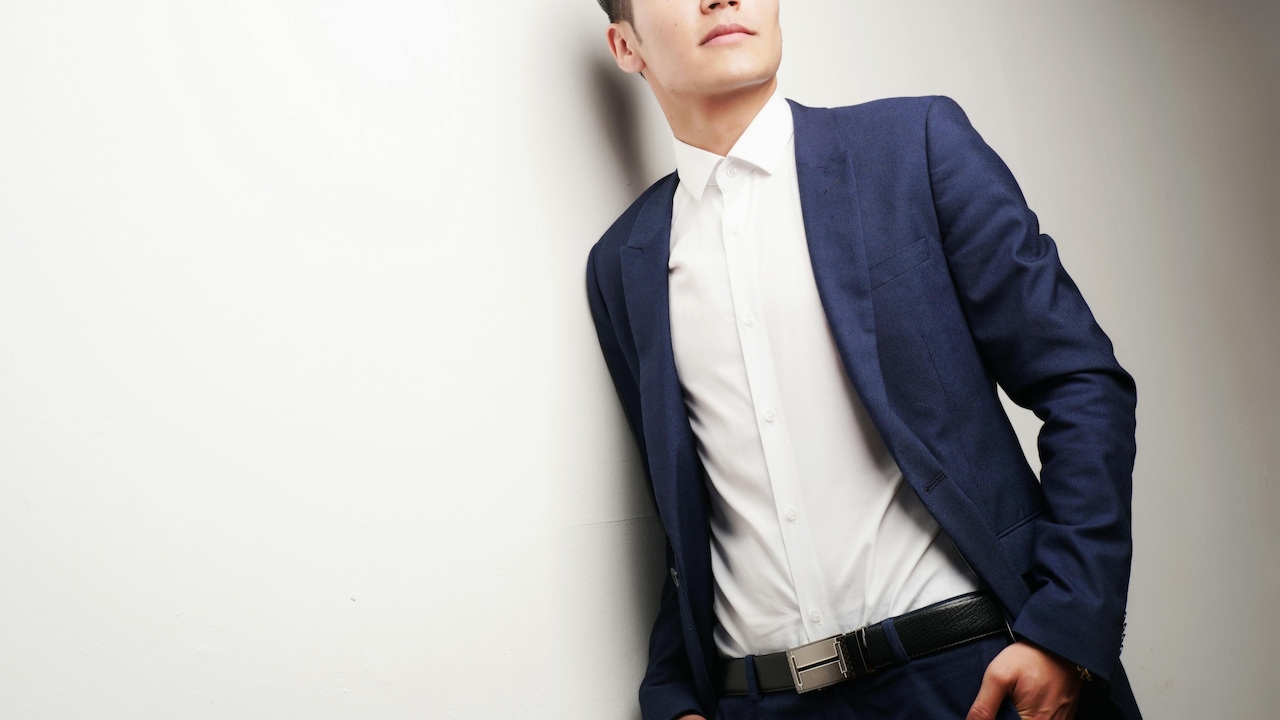
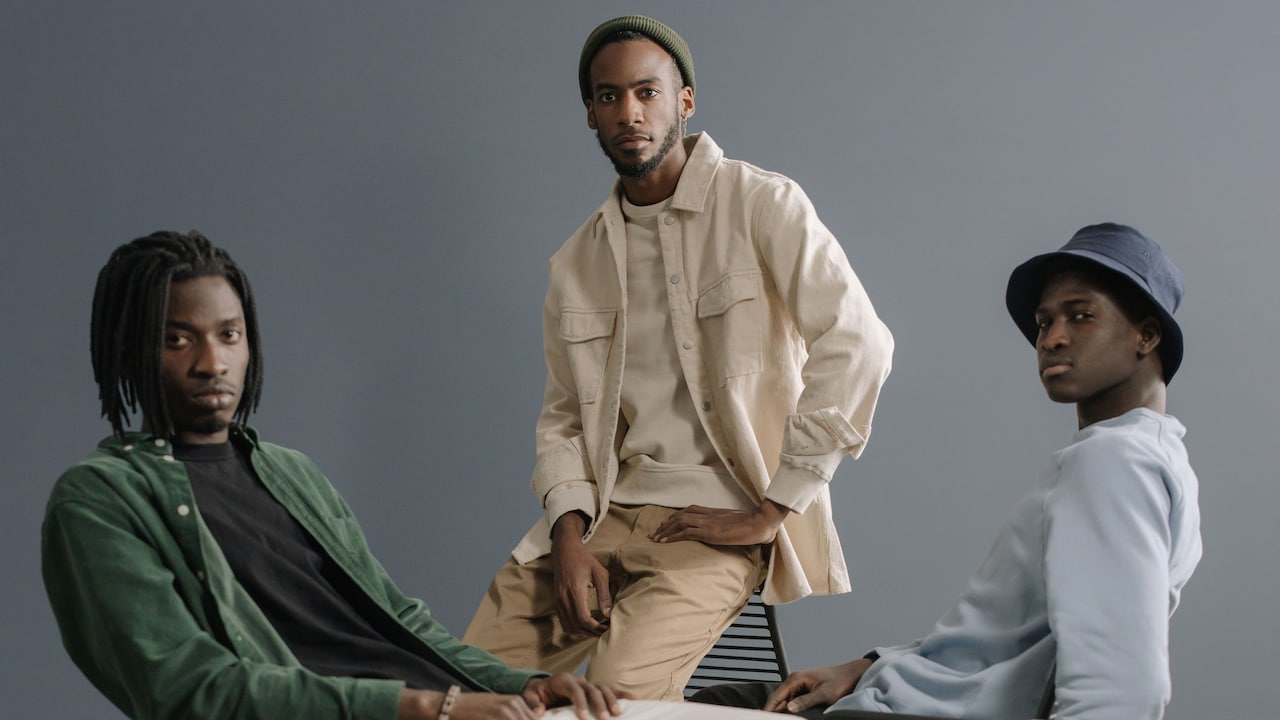
Choosing Blazers and Suits Made Easy: Fit, Fabric And Tips That Work
Photo Credit: Pexels
Before You Buy: What Actually Matters When Choosing A Blazer Or Suit
1. Start With the Right Fit, Not the Right Brand
The biggest mistake shoppers make involves chasing labels rather than fit. A mid-range blazer that fits well always looks better than an expensive one that sits awkwardly. Fit shapes the entire look. Shoulders come first; they must sit flat and align naturally. If the shoulders feel tight or droop, the garment loses structure instantly.
Next comes the chest and torso. A blazer should close comfortably without pulling or forming an “X” crease. Movement matters too. Stretch arms forward and sit down briefly. Comfort signals a good cut seeps in quietly. Sleeves should end at the wrist bone, allowing a hint of shirt cuff to peek through. Trouser length matters just as much. A clean break at the shoe looks modern and neat.
Many stores now offer regular, slim, and relaxed fits. Slim does not mean tight. Regular does not mean shapeless. Trying multiple cuts reveals what complements body shape best. Once fit feels right, everything else falls into place. Confidence grows naturally when clothes move with the body, not against it.
2. Understand Fabrics Before Checking the Price Tag
Fabric often determines comfort more than design. In warm climates, breathable materials make all the difference. Wool remains a classic choice because it regulates temperature well. Lightweight wool blends work brilliantly for year-round wear. Linen suits feel breezy and relaxed but crease easily, making them better for casual events than boardrooms.
Cotton suits offer comfort and versatility, especially for daytime wear. For blazers, blends that include elastane provide stretch, making long days more comfortable. Synthetic fabrics may cost less but often trap heat and lose shape quickly. That ₹4,000 saving rarely feels worth it after a few uncomfortable hours.
Texture also adds personality. Subtle weaves, twills, or matte finishes elevate simple designs without shouting for attention. Touch the fabric. Scrunch it gently and release. Quality fabric springs back with minimal creasing. The right fabric ensures the blazer or suit feels as good at 8 pm as it did at 8 am.
3. Choose Colours That Work Beyond One Occasion
Black feels safe, yet it rarely offers the most versatility. Navy, charcoal, and mid-grey suit almost every occasion, from office meetings to evening dinners. These shades pair easily with shirts, ties, and shoes already sitting at home. A navy blazer with beige trousers works just as well as a full suit.
For festive occasions, richer tones like deep green, burgundy, or midnight blue add personality without looking flashy. Light grey and beige work well for daytime events and summer weddings. Bold colours may look tempting on mannequins but often limit wearability.
Think of cost-per-wear rather than single-use outfits. A ₹7,000 blazer worn across ten events offers more value than a ₹12,000 piece worn once. Neutral colours also age better. Trends change, but classic shades stay relevant year after year. Smart colour choices reduce wardrobe clutter while increasing styling options.
4. Blazers and Suits Serve Different Purposes
Understanding the difference between a blazer and a suit avoids many styling mishaps. A suit includes matching jacket and trousers, designed to work together. Wearing suit trousers with a contrasting jacket often looks mismatched unless done thoughtfully.
Blazers, however, thrive on versatility. They pair well with chinos, trousers, or even dark denim for smart-casual looks. Gold or metal buttons, patch pockets, and textured fabrics often signal a blazer rather than a suit jacket.
For office environments with flexible dress codes, blazers offer freedom. For formal meetings, weddings, or presentations, suits bring authority and polish. Choosing the right piece for the right setting prevents over- or under-dressing. A navy blazer works for a client lunch, while a charcoal suit commands attention in a boardroom. Purpose gives clarity, and clarity simplifies choices.
5. Pay Attention to Small Details That Make a Big Difference
Details quietly elevate or ruin an outfit. Lapel width should match body proportions, slim lapels suit lean frames, while wider lapels balance broader shoulders. Buttons matter too. Two-button blazers flatter most builds and feel timeless. Three-button options lean traditional, while single-button suits feel modern and sleek.
Pocket styles also play a role. Flap pockets appear formal, while patch pockets lean casual. Vent styles affect comfort. Double vents allow easier movement and suit most body types. Single vents work well for slimmer builds.
Inside, quality lining improves comfort and durability. Stitching should feel neat and consistent. Loose threads hint at poor craftsmanship. These small checks take seconds but save regrets later. Well-chosen details ensure the blazer or suit looks intentional rather than accidental.
Also Read: Affordable And Trendy: Top 5 Loafer Shoes For Men Who Hate Laces, From Bata, Ajanta To DMY
6. Fit Preferences Change With Body Types
No single fit suits everyone. Taller frames benefit from structured cuts that add balance. Shorter builds look sharper in slimmer silhouettes that avoid excess fabric. Broader shoulders need room without bulk, while leaner frames benefit from light structure.
Many ready-made brands design garments based on standard proportions. Knowing personal body traits helps navigate racks quickly. If trousers feel perfect but jackets feel long, separate purchases work better than full suits. Blazers often offer more flexibility in sizing.
Avoid the temptation to size up for comfort. Excess fabric rarely translates to elegance. Modern fits offer comfort without sacrificing shape. When clothes follow natural lines, posture improves, and confidence follows. Dressing well becomes less about hiding flaws and more about highlighting strengths.
7. Tailoring Should Enhance, Not Rescue
Tailoring works best as fine-tuning, not repair. Shortening sleeves, adjusting trouser length, or tapering the waist slightly enhances a good fit. Altering shoulders or chest, however, costs more and risks ruining the structure.
Choosing garments that fit well off the rack minimises tailoring needs. Many stores now offer basic alterations at reasonable prices, often ₹500–₹1,000. Budget for minor tweaks, but avoid pieces that need major surgery.
Trying clothes on properly matters. Stand, sit, walk, and raise arms. Mirrors tell only part of the story. Comfort reveals the rest. When tailoring becomes optional rather than essential, shopping feels lighter and faster. The goal remains simplicity, not perfection.
8. Shoes and Shirts Complete the Picture
A sharp suit loses impact with mismatched shoes or ill-fitted shirts. Brown leather shoes pair beautifully with navy and grey. Black shoes suit darker suits and formal settings. Loafers work with blazers for relaxed elegance, while lace-ups feel more formal.
Shirts should fit well at the collar and shoulders. A crisp white or light blue shirt covers most needs. Patterns add interest, but keep them subtle. Avoid overly shiny fabrics that clash with matte suits.
Belts should match shoe colour. Socks deserve attention too. Dark, solid socks maintain elegance, while playful patterns work for casual settings. These elements seem small, yet they anchor the entire look. Thoughtful coordination ensures the blazer or suit shines without distraction.

Choosing Blazers and Suits Made Easy: Fit, Fabric And Tips That Work
Photo Credit: Pexels
9. Occasion Matters More Than Trends
Fashion trends move quickly, but occasions stay consistent. Office wear demands restraint and reliability. Weddings invite elegance and celebration. Evening events allow bolder choices. Dressing appropriately shows awareness and respect.
Avoid chasing trends that feel uncomfortable. Oversized cuts, extreme slim fits, or
flashy patterns often age poorly. Timeless silhouettes outlast fleeting styles. Investing in classic pieces ensures relevance for years.
Consider lifestyle too. Someone attending frequent meetings benefits from multiple blazers rather than one expensive suit. Occasional wear calls for versatility over volume. When clothing aligns with daily reality, wardrobes feel lighter and more functional.
10. Confidence Is the Best Fit of All
The best blazer or suit does more than look good, it feels right. Confidence shows in posture, movement, and ease. Clothes should support that feeling, not restrict it. When fit feels natural, mirrors become friends rather than critics.
Trust instincts. If something feels wrong, it usually is. If it feels right, it likely looks right too. Style does not demand perfection. It thrives on comfort, authenticity, and self-awareness.
Buying blazers and suits becomes simpler when the pressure fades. With the right guide, sharp dressing turns into an enjoyable ritual rather than a stressful task. Confidence remains the most flattering accessory of all.
Products Related To This Article
1. Mr Bowerbird Self Design Textured Tweed Single-Breasted Casual Blazer
2. Arrow Men Long Sleeves Suits
3. Mr Bowerbird Self Design Textured Tweed Single-Breasted Casual Blazer
4. MANQ Men Slim Fit Bandhgala Suit
5. Peter England Men Black Solid Slim-Fit Single-Breasted Blazer
6. Canary London Slim Fit Single Breasted Two Piece Formal Suit
7. Theme Textured Slim Fit Single Breasted Formal 2 Piece Suits
Choosing blazers and suits need not feel overwhelming. With clarity around fit, fabric, colour, and purpose, the process becomes refreshingly simple. Small details, thoughtful choices, and realistic expectations remove stress and add satisfaction. Whether dressing for work, celebration, or everyday elegance, the right blazer or suit quietly elevates presence.
Style works best when it serves real life. Comfort, confidence, and versatility matter more than trends or labels. Armed with this fit guide, looking sharp becomes less about tailoring struggles and more about effortless confidence, one well-chosen piece at a time.
(Disclaimer: This article may include references to or features of products and services made available through affiliate marketing campaigns. NDTV Convergence Limited (“NDTV”) strives to maintain editorial independence while participating in such campaigns. NDTV does not assume responsibility for the performance or claims of any featured products or services.)