How To Pick Chinos That Do Not Bunch Up Around The Ankles
Learn how to choose chinos with the right length, taper, rise and hem so they fall cleanly over your shoes without bunching around the ankles.
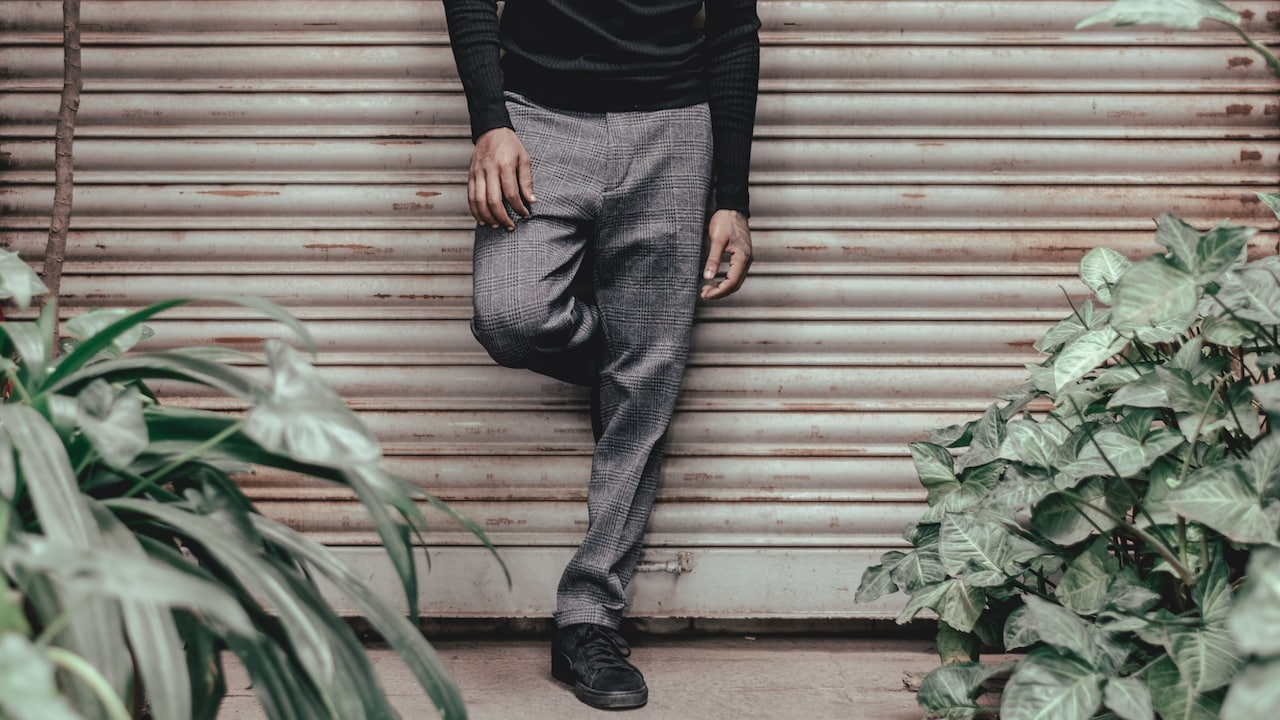
Easy tips to choose the best fit of your formal chinos
A good pair of chinos can handle almost anything. They work for office Fridays, coffee runs, dinner plans and those family gatherings where everyone quietly notices what everyone else is wearing. Yet even an expensive pair can look untidy when extra fabric gathers around the ankles. This bunching usually happens because the trousers are too long, too wide near the hem, or cut for a body shape different from yours. The problem may seem small, but it changes the entire outfit. Instead of a clean, confident silhouette, the lower half looks heavy and slightly careless.
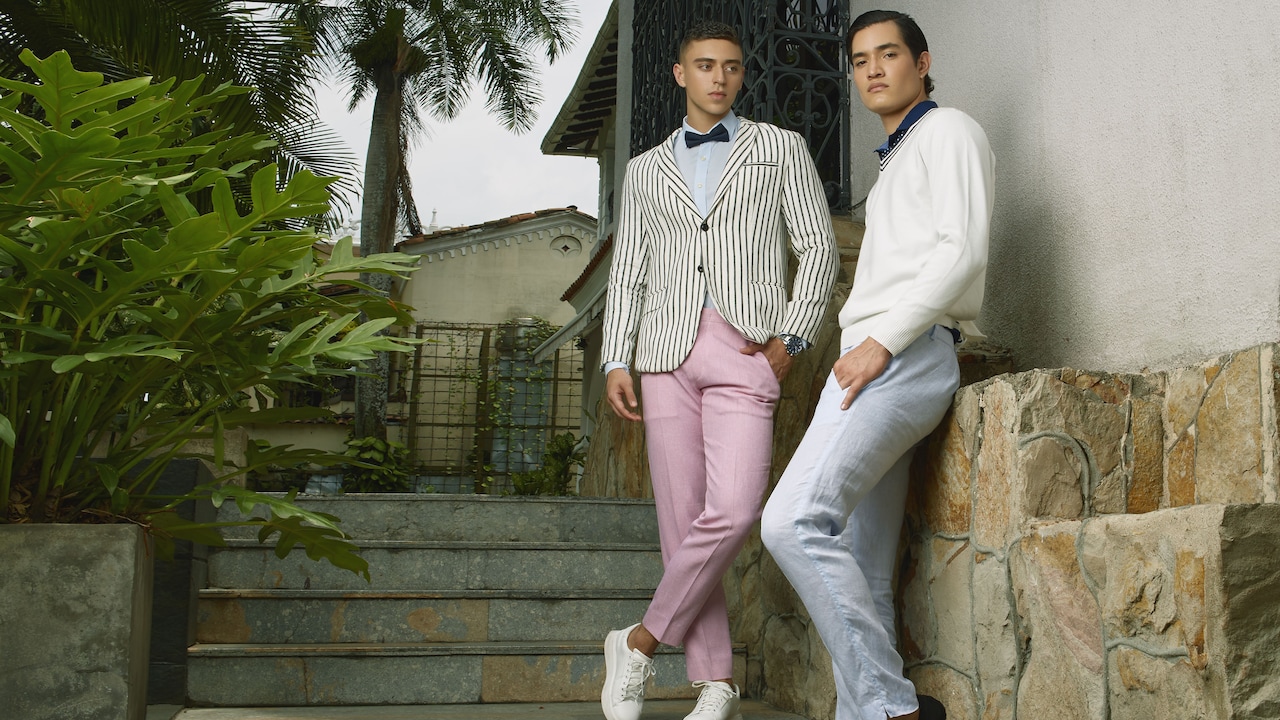
How to choose chinos that do not create a bulk around the ankles
Photo Credit: Pexels
The solution does not involve chasing one fashionable fit. It involves understanding how chinos should sit on your body. A pair that looks sleek on a tall model may fold awkwardly on someone with shorter legs. Likewise, a narrow ankle opening may look sharp but feel restrictive during a crowded metro journey. The following ten points explain how to find chinos that fall smoothly, complement your footwear and spare you from repeatedly tugging at your hems.
Also Read: Chinos vs Trousers Best Choice For Formal Wear
10 Ways To Find Chinos With A Clean Ankle Fit
1. Measure Your Inseam Properly
Most ankle bunching begins with one simple mistake: choosing trousers by waist size alone. Two people with the same waist can have very different leg lengths, so the inseam matters just as much.
The inseam runs from the crotch seam to the bottom of the trouser leg. For an accurate measurement, use a pair of trousers that already fits well. Lay it flat, smooth out any creases and measure along the inner leg. Avoid measuring while wearing the trousers unless someone can help, as bending or shifting can distort the result.
Brand sizing also varies. A labelled 32-inch inseam may fit like a 31-inch length in one store and a 33-inch length in another. Treat the size tag as a starting point rather than a promise.
When shopping online, compare the product measurements with your own well-fitting pair. When shopping in a store, try two nearby lengths. The shorter option often creates a cleaner line, provided it does not expose too much ankle while sitting. A precise inseam prevents excess fabric from collecting where it has nowhere else to go.
2. Decide How Much Trouser Break You Want
The “break” describes the fold that forms where the trouser hem meets the shoe. It plays a major role in whether chinos look crisp or crumpled.
A no-break finish ends just above the shoe and creates a clean, modern appearance. It works particularly well with loafers, minimal trainers and sleek lace-up shoes. A slight break allows the hem to touch the shoe and form one soft crease. This option feels versatile and suits both smart and casual outfits.
A full break creates several folds near the ankle. While this can work with wider formal trousers, it often makes chinos look bulky. The lightweight fabric tends to collapse rather than drape elegantly.
For most body types, a slight break offers the safest balance. It gives enough length for comfortable movement without creating a fabric traffic jam around the shoes. Before buying, stand naturally and check the front and back of the hem. If several horizontal folds appear before you have even taken a step, the chinos are too long. One gentle crease looks intentional. Four creases look like the trousers lost an argument with gravity.
3. Choose A Taper That Matches Your Build
Tapered chinos narrow gradually from the thigh towards the ankle. This shape helps the fabric follow the leg rather than dropping in a wide column and folding over the shoes.
However, more taper does not always mean a better fit. A very narrow lower leg can cling to the calf, causing the fabric to catch and bunch above it. This often happens after sitting, climbing stairs or riding a bike. The trousers then stay trapped halfway up the calf until someone discreetly pulls them down.
The right taper should skim the leg without gripping it. Those with larger thighs or athletic calves may need an athletic-tapered fit. This cut provides room at the top while narrowing below the knee. Slimmer builds may suit a regular tapered or slim-straight shape.
Try walking, sitting and bending your knees in the fitting room. The hem should return close to its original position without assistance. If the fabric sticks around the calves, size up or choose a gentler taper. Clean lines come from balance, not from squeezing into the narrowest pair available.
4. Check The Hem Opening
The width of the leg opening determines how the chinos interact with your shoes. A very wide hem can drop over the footwear and create folds. A very narrow hem may sit on top of the shoe or catch around the ankle.
For a neat everyday look, the hem should rest lightly against the upper part of the shoe without swallowing it. Slim chinos often have a leg opening of roughly 14 to 16 inches around the circumference, though the ideal width depends on your frame and shoe size. Broader builds may need slightly more room to maintain proportion.
Footwear matters too. Chunky trainers need a wider opening than slim loafers. A narrow hem paired with bulky shoes can make the chinos bunch above the tongue. Meanwhile, a broad hem over delicate shoes may look loose and unfinished.
Carry or wear the shoes you plan to use most often when trying on chinos. The fitting-room mirror tells only half the story when the trousers sit over socks. The right hem opening should frame the shoe, not cover it like a curtain or hover above it like a nervous guest.
5. Pay Attention To The Rise
The rise measures the distance between the crotch seam and the waistband. Although it seems unrelated to ankle bunching, it affects how much fabric hangs through the entire leg.
Low-rise chinos sit below the natural waist. If they slide down during the day, the hem also drops lower and gathers around the ankles. This becomes especially noticeable after a long commute, a heavy lunch or several hours at a desk.
Mid-rise chinos usually offer the most reliable fit. They sit securely around the waist and keep the leg length consistent. High-rise styles can also work well, particularly for longer torsos, though they create a more distinctive silhouette.
Check where the waistband rests without a belt. It should feel secure but not tight. If the chinos need constant pulling up, the rise or waist shape does not suit your body. A belt may hold them temporarily, but it cannot correct the underlying cut.
Sit down during the fitting. The waistband should stay in place without digging into the stomach. When the rise fits properly, the trousers hang from a stable point, which helps the lower leg remain smooth.
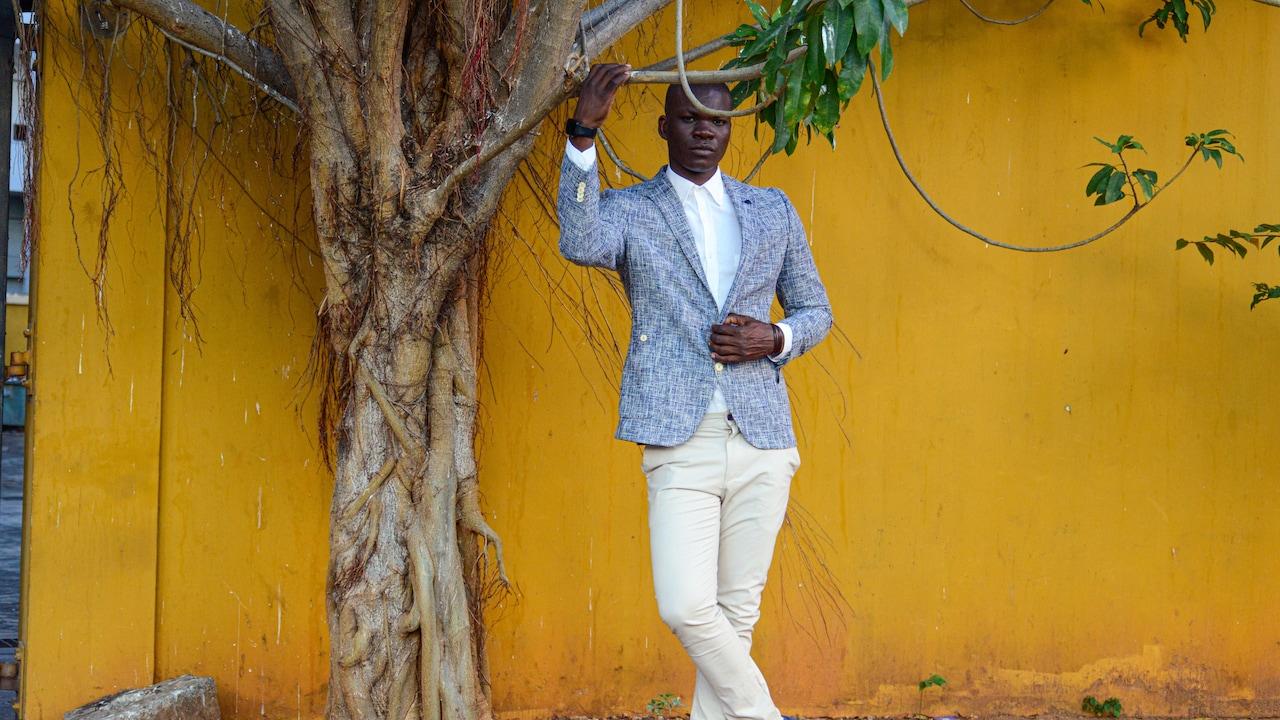
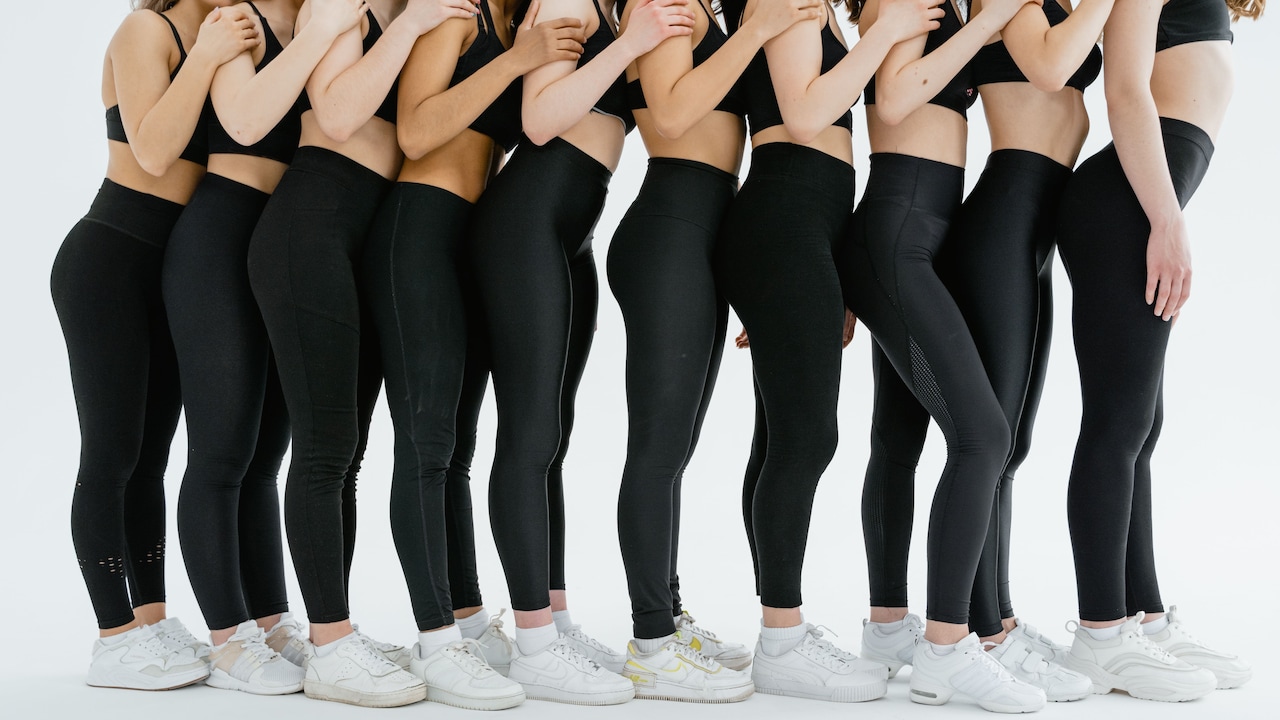
Consider the way chinos sit around the crotch and waistband area
Photo Credit: Pexels
6. Select Fabric With Enough Structure
Fabric changes how chinos fall. Soft, thin cotton may feel wonderful in warm weather, but it can collapse into multiple wrinkles around the ankle. A slightly structured fabric holds its shape and creates a cleaner vertical line.
Look for medium-weight cotton twill. It should feel smooth yet substantial when held between the fingers. Chinos with a small amount of elastane, usually one or two per cent, offer useful flexibility without turning overly stretchy. Too much stretch can cause the fabric to cling to the calves and ride upwards.
Linen-blend chinos feel airy but wrinkle quickly. They suit relaxed outfits where a little rumpling adds charm. For office wear or smarter occasions, cotton twill usually looks more polished.
The fabric should also recover after movement. Scrunch a small section gently in your hand and release it. If it remains deeply creased, expect similar folds near the knees and ankles after sitting.
A quality pair may cost ₹2,000 or more, but price alone does not guarantee good drape. Judge the fabric by its weight, texture and recovery. The best material feels comfortable while still remembering that trousers need a shape.
7. Try Chinos With Your Regular Footwear
Chinos do not exist in isolation. Their length and shape change visually depending on the shoes underneath them.
A pair that falls perfectly over formal lace-ups may bunch over high-top trainers. Loafers expose more of the ankle, while running-style shoes add height and bulk. Sandals create another challenge because the hem has little structure to rest against.
Wear your most frequently used footwear while trying on chinos. For workwear, bring the loafers or brogues that usually accompany your office outfits. For casual use, test the chinos with your everyday trainers.
Observe the hem from the front, side and back. It should not catch on the heel collar or fold heavily over the laces. Walk several steps and check whether the fabric settles naturally.
Those who rotate between very different shoe styles may need separate pairs with slightly different lengths. One universal hem rarely works equally well with loafers, boots and chunky trainers. Alterations usually cost far less than a new pair, often between ₹200 and ₹500, so tailoring one favourite pair for specific footwear can prove worthwhile.
8. Test The Fit While Moving
Standing still in front of a mirror can make almost any pair of chinos look acceptable. Real life involves walking, sitting, climbing stairs, getting into cabs and bending down to pick up dropped keys.
Move around before making a decision. Sit on a chair for a minute, then stand. Walk briskly across the fitting area. Lift each knee slightly and squat just enough to test the fabric. These movements reveal whether the chinos catch around the calves or slide down at the waist.
After moving, check the ankles. A well-cut pair should fall back into place with minimal adjustment. Some wrinkling is natural, but large stacks of fabric suggest excess length or an overly tight taper.
Also notice the knees. If the fabric pulls strongly across them, the trousers may ride upwards during the day and gather below the calves. A little extra room through the thigh and knee often improves the ankle drape.
Comfort and appearance usually support each other. When chinos allow natural movement, they tend to hang more cleanly. A pair that looks perfect only while standing like a mannequin will become annoying before lunchtime.
9. Use Alterations Instead Of Compromising
Ready-made clothing follows standard measurements, but bodies rarely do. Someone may have a 34-inch waist, a shorter inseam and muscular calves. Another person may need extra thigh room but a narrow hem. Finding every detail in one off-the-rack pair can feel like searching for an empty seat during rush hour.
A local tailor can solve most of these problems. Hemming removes extra length, while tapering reduces excess width below the knee. Both changes can transform an ordinary pair into trousers that look far more expensive.
Ask the tailor to pin the chinos while you wear your regular shoes. Discuss whether you want no break or a slight break. Avoid requesting an extremely short length simply because cropped trousers look stylish in photographs. The hem should still work when you sit, walk and wear socks.
Before tapering, make sure there is enough room around the calf. A skilled tailor will create a gradual line rather than narrowing only the ankle. Small adjustments costing a few hundred rupees can rescue a ₹3,000 pair that otherwise remains forgotten at the back of the wardrobe.
10. Account For Washing And Shrinkage
Chinos may fit perfectly in the shop and look noticeably shorter after a few washes. Cotton fibres can shrink, especially when exposed to hot water or high dryer temperatures. Buying an excessively long pair to “allow for shrinkage”, however, often leads to weeks of ankle bunching and uncertain results.
Check the care label before purchase. Pre-shrunk cotton usually changes less, though minor shrinkage can still occur. Wash chinos in cool or lukewarm water and avoid excessive heat. Air-drying helps preserve both the length and the shape.
Stretch chinos require extra care because heat can weaken the elastic fibres. This may cause the knees to sag and the lower legs to lose their clean outline. Turn dark colours inside out before washing to reduce fading, especially with navy, olive and black pairs.
Avoid judging the final length immediately after washing. Smooth the legs gently and let the chinos dry naturally. Once dry, try them with shoes before arranging any alteration.
A thoughtful laundry routine protects the fit you worked hard to find. After all, the perfect hem should survive more than one weekend and a plate of buttery pav bhaji.
Products Related To This Article
1. Go Colors Women Beige Cotton Straight Fit Chinos Trousers
2. HIGHLANDER Men Tapered Fit Mid-Rise Cotton Cargo Regular Fit Trousers
3. Popnetic Women Pure Cotton Barrel Fit High-Rise Chinos Trousers
4. Roadster The Life Co. Men Chinos Trousers
5. Sangria Women White Solid Cotton Straight Fit Cropped Trousers
6. Roadster The Life Co. Men Chinos Casual Trousers
7. DressBerry Women Union Slim Fit High-Rise Wrinkle Free Chinos Trousers
Chinos that bunch around the ankles usually suffer from excess length, an unsuitable taper or a poor match with the wearer's shoes and proportions. Fixing the issue starts with accurate measurements, but numbers alone cannot replace a proper fit.
Look for a secure rise, enough room through the calves and a hem that creates no more than a slight break. Choose fabric with enough structure to hold its shape, and test the trousers while moving rather than judging them from one still pose.
Most importantly, do not treat alterations as a last resort. A simple hem or gentle taper can turn an average pair into one that looks clean, balanced and made for your body.
The best chinos should not demand attention throughout the day. They should sit comfortably, fall neatly and let the rest of the outfit do the talking. When the length, cut and footwear work together, the ankle area stays smooth, the silhouette looks sharper, and those awkward piles of fabric finally disappear.
(Disclaimer: This article may include references to or features of products and services made available through affiliate marketing campaigns. NDTV Convergence Limited (“NDTV”) strives to maintain editorial independence while participating in such campaigns. NDTV does not assume responsibility for the performance or claims of any featured products or services.)