Are Weighted Vests Suitable For Everyday Walking Workouts?
Weighted vests can make everyday walks more challenging, but they are not suitable for everyone. Learn about their benefits, risks, correct use and whether they fit your walking routine.
What is the purpose of weighted vests for daily walking
Walking rarely receives the applause it deserves. It looks simple, costs almost nothing and fits neatly between work calls, household chores and evening tea. Yet a brisk walk can support cardiovascular health, improve mood and help people stay active without turning every workout into a dramatic test of willpower. Weighted vests have added a new twist to this familiar activity. The idea sounds wonderfully straightforward: wear a fitted vest containing removable weights, head out for a walk and make every step work harder. A regular neighbourhood round suddenly feels like a miniature trek, even when the route includes nothing more adventurous than a vegetable cart, a speed breaker and an enthusiastic street dog.

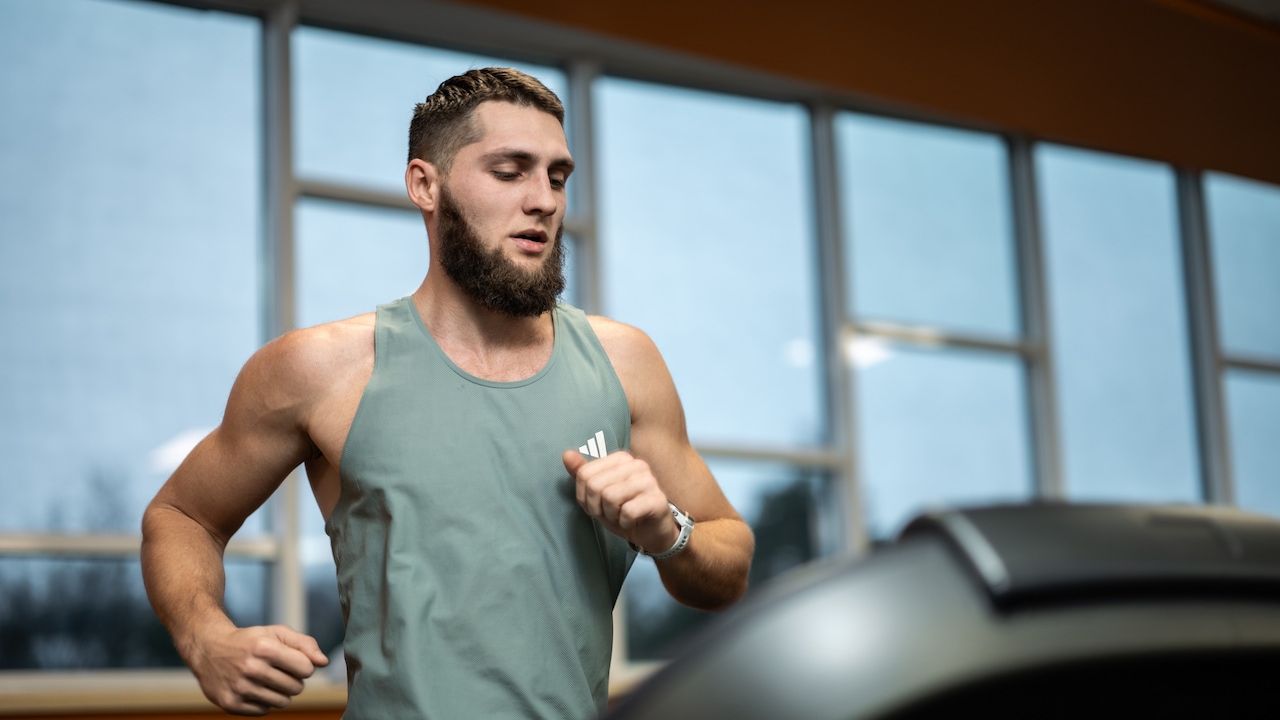
What benefits do weighted vests offer for everyday walking; Photo Credit: Pexels
However, carrying extra weight changes the way the body moves. It raises the intensity of a walk, but it can also increase pressure on the joints and challenge balance. The vest itself may feel hot, restrictive or awkward when poorly fitted.
Also Read: 5 Best Packs of Cotton Vests for Men Under ₹700
So, are weighted vests suitable for everyday walking workouts? The honest answer depends on fitness level, health, technique, recovery and common sense. Before adding kilos to a daily walk, it helps to understand both the benefits and the possible drawbacks.
Ten Things To Consider Before Making Weighted Walks A Daily Habit
Weighted Vests Make Simple Walks More Challenging
A weighted vest increases resistance without requiring faster movement. The body must work harder to carry the additional load, so the heart rate may rise even when the walking pace remains familiar. This can appeal to people who find ordinary walks too easy but do not enjoy jogging.
The extra challenge also makes shorter sessions feel more productive. Someone with only thirty minutes before work may use a light vest to raise the intensity without extending the route. That sounds practical on days when the calendar resembles a crowded local train.
Still, greater effort should not become the only measure of a good workout. A walk that leaves the body energised has more value than one that causes exhaustion, aching knees or a stiff back. Weighted walking works best when the load feels noticeable but manageable.
Beginners should first build a consistent walking habit without added weight. Once brisk walking feels comfortable, a light vest can provide progression. The goal should involve controlled effort rather than proving how much weight the shoulders can tolerate.
Start With A Light And Sensible Load
The temptation to begin with a heavy vest can feel surprisingly strong. After all, more weight appears to promise faster results. In practice, loading the body too quickly often creates poor posture, shortened steps and unnecessary soreness.
A sensible starting load usually feels modest. Many people begin with roughly five per cent of their body weight, provided they have no relevant medical concerns. For a person weighing 70 kilograms, that would mean around 3.5 kilograms. Even this amount may feel demanding during a brisk thirty-minute walk.
Adjustable vests offer greater flexibility because users can add or remove small weight blocks. They may cost anywhere from about ₹2,000 to ₹8,000 or more, depending on the material, fit and maximum capacity. Price, however, does not guarantee comfort.
A light vest worn consistently often produces better results than a heavy one used twice and then abandoned in a cupboard. Progress should remain gradual. Add distance, pace or weight one at a time. Changing everything together makes it difficult to identify what caused discomfort.
Proper Fit Matters More Than Maximum Weight
A weighted vest should sit close to the torso without squeezing the chest or digging into the shoulders. If it bounces with every step, the body must constantly stabilise the moving load. That can alter walking rhythm and create rubbing around the neck, ribs or underarms.
Weight distribution matters too. A well-designed vest spreads the load across the front and back. A front-heavy vest may pull the shoulders forwards, while excessive weight at the back may encourage an exaggerated lean. Neither position supports comfortable walking.
Before buying one, check whether the straps allow precise adjustment. The vest should remain secure during arm movement and should not restrict breathing. Trying it over the type of clothing normally worn for exercise can reveal problems that glossy product photographs never mention.
Comfort deserves serious attention, especially in warm weather. Thick padding may feel luxurious inside an air-conditioned shop but unpleasant during a humid morning walk. Breathable fabric, smooth seams and removable weights make daily use easier. A vest that resembles personal armour may look impressive, but the best model often feels almost forgettable once the walk begins.
Posture Can Improve Or Collapse Under Load
Weighted walking encourages the muscles of the trunk to work harder. The abdomen, back and hips help stabilise the body while the legs manage the added resistance. With a light load and good technique, this may strengthen postural control over time.
However, fatigue can quickly turn strong posture into a forward slump. Rounded shoulders, a tilted head and an arched lower back often signal that the vest feels too heavy. Taking longer strides to maintain speed may also increase stress around the knees and hips.
Good form should feel tall but relaxed. Keep the head level, the chest open and the shoulders away from the ears. Let the arms swing naturally. Steps should remain smooth and comfortable rather than loud or forceful. If the feet begin landing heavily, reduce the pace or remove some weight.
Walking near a shop window can offer an accidental posture check, although staring at one's reflection for too long may confuse passers-by. More practically, a short video recorded from the side can reveal leaning, bouncing or uneven steps that may go unnoticed during the workout.
Joints Need Respect, Not Heroics
Every extra kilogram increases the demand placed on the ankles, knees and hips. Healthy joints can often adapt to a light, progressive load, but existing pain may worsen when resistance rises too quickly.
People with arthritis, recurring knee trouble, foot problems, back pain or a recent injury should seek medical or physiotherapy advice before using a weighted vest. The same caution applies after surgery or during rehabilitation. Exercise should support recovery, not compete with it.
The walking surface also affects joint stress. Smooth park paths and level roads usually provide more control than broken pavements, steep slopes or loose gravel. Uneven routes become more challenging when the body carries extra weight. One unexpected pothole can transform a respectable fitness session into an unwanted balance test.
Footwear matters just as much. Shoes should provide a stable fit and enough cushioning for the route. Worn-out soles can reduce grip and change foot movement. Joint discomfort that grows during or after a walk should not be dismissed as weakness. Pain often acts as useful information. Listening early may prevent a minor irritation from becoming a long interruption.
People with arthritis or recurring knee troubleshould seek medical or physiotherapy advice before using weighted vests; Photo Credit: Pexels
Everyday Use Requires Recovery Days
Daily walking can suit many people, but daily weighted walking may not. Muscles, connective tissues and joints need time to adapt to unfamiliar resistance. Wearing the vest every day from the first week can create fatigue before the body has developed the strength to handle it.
A more balanced routine may include weighted walks two or three times a week, with ordinary walks on other days. This approach keeps movement consistent while allowing recovery. Some people may eventually tolerate more frequent sessions, but there is rarely a prize for rushing.
Recovery includes more than taking the vest off. Sleep, hydration and nutrition influence how the body responds to training. Mild muscle tiredness may occur after early sessions, especially around the calves, thighs and upper back. Sharp pain, swelling or discomfort that alters normal movement deserves attention.
Alternating routes can also reduce repetitive strain. One day might involve a flat, brisk walk. Another could include an easy unweighted stroll. A weekend session may take place on a gentle incline. Variety keeps the routine interesting and prevents every outing from feeling like the same examination with different weather.
Heat And Humidity Change The Experience
A weighted vest traps heat around the torso, where the body already works hard to regulate temperature. During hot or humid weather, even a light vest can make a moderate walk feel unexpectedly intense.
Early mornings may offer cooler conditions, but humidity can still slow sweat evaporation. The vest may become damp, heavy and irritating against the skin. Dark, thick materials can worsen discomfort when the sun rises. Choosing breathable clothing underneath helps, though no fabric can turn peak summer heat into mountain weather.
Hydration should begin before the walk rather than after thirst becomes overwhelming. For longer sessions, carrying water may help, but the added load should not encourage someone to ignore dizziness, nausea or unusual fatigue. These signs call for shade, rest and cooling down.
Cleaning also matters. A vest used regularly can collect sweat, dust and odour with remarkable enthusiasm. Check whether the weight panels can come out before washing. Follow the care instructions, allow the vest to dry fully and avoid sharing it without cleaning. Fitness equipment may build strength, but it should not develop its own personality.
Weighted Walking Does Not Replace Strength Training
A vest makes walking harder, but it does not provide the complete benefits of a structured strength programme. Walking mainly involves repeated lower-body movement. Even with added resistance, it cannot fully replace exercises that train muscles through different ranges and directions.
Squats, rows, presses, hinges and controlled core exercises develop strength in ways that walking cannot. Strength training also allows more precise progression. Weight, repetitions and technique can be adjusted for specific muscle groups.
That does not make weighted walking ineffective. It works well as a form of loaded cardiovascular exercise and may improve muscular endurance. It can complement strength sessions, especially for people who enjoy outdoor workouts more than crowded gyms.
The mistake lies in expecting one activity to achieve every fitness goal. A balanced week could include brisk walks, a couple of strength sessions and occasional weighted walks. Mobility work may also help those who spend long hours at a desk.
Think of the vest as an extra ingredient, not the whole meal. A spoonful of pickle can brighten lunch; an entire bowl creates a very different problem. Fitness routines benefit from the same sense of proportion.
The Vest May Support Calorie Expenditure
Carrying extra weight requires more energy than walking without it. As a result, a weighted walk may burn more calories than an unweighted walk of the same duration and speed. The actual difference depends on body weight, vest load, terrain, pace and fitness level.
This benefit often attracts people trying to manage body weight. However, calorie expenditure should not become an excuse to wear an excessive load. A heavier vest may raise energy use, but it can also reduce walking time, affect technique and increase discomfort.
Body-weight goals depend on broader habits, including food choices, sleep, stress and overall activity. A weighted vest cannot cancel frequent overeating or replace a sustainable routine. Nor should exercise feel like punishment for enjoying biryani, sweets or a festive meal.
Consistency matters more than dramatic effort. A comfortable forty-minute walk completed several times a week may contribute more than one punishing session followed by days of soreness. Weighted walking can support an active lifestyle, but it should remain enjoyable enough to repeat. The best workout plan rarely depends on dread, guilt or heroic Monday-morning promises.
Certain People Should Avoid Weighted Vests
Weighted vests do not suit everyone. People with heart conditions, uncontrolled blood pressure, balance disorders or significant joint and spinal problems should speak with a qualified healthcare professional before trying one. Pregnancy also changes balance and joint stability, so added torso weight may create avoidable risk.
Older adults may benefit from resistance exercise, yet a vest can affect balance and increase the consequences of a fall. Professional guidance can help determine whether another form of strength training offers a safer option.
People new to exercise should also avoid treating the vest as a shortcut. First develop a comfortable walking technique, basic leg strength and enough stamina to complete regular brisk walks. Adding load to an unstable foundation rarely ends well.
Warning signs include chest pain, unusual breathlessness, dizziness, numbness, sharp joint pain and persistent back discomfort. Stop the session when these appear. Determination has its place, but ignoring serious symptoms does not count as discipline.
A backpack filled with books should not replace a properly fitted vest. The load may shift, pull backwards or sit unevenly. Old school textbooks have already caused enough stress; they need not join the workout.
A Gradual Trial Gives The Clearest Answer
The best way to judge suitability involves a cautious trial rather than a dramatic commitment. Begin with an ordinary warm-up walk, then wear a light vest for ten to fifteen minutes on a flat route. Notice breathing, posture, comfort and joint response.
The next day matters as much as the session itself. Check for unusual soreness, knee pain, foot discomfort or tightness around the lower back. If the body feels normal, increase the weighted portion gradually over several weeks.
Keep the pace controlled during early sessions. There is no need to add hills, stairs and speed intervals at once. A simple route provides enough information. Once the body adapts, one variable can increase at a time.
Some people thrive with weighted walking and enjoy the satisfying sense of purpose it brings. Others find the heat, pressure or restricted movement unpleasant. Both reactions are valid. Fitness equipment should fit the person, not force the person to fit a trend.
A vest deserves a regular place in the routine only when it improves the workout without creating persistent pain, anxiety or inconvenience.
Products Related To This Article
1. ENRIZZ X FITNESS EXCHANGE Men Typographic Printed Gym Vest
2. Jockey Combed Cotton Rib Square Neck Gym Vest
3. HRX by Hrithik Roshan Men Solid Sleeveless Gym Vest Innerwear Vests
4. Bewakoof Men Official Harry Potter Merchandise Dementors Graphic Printed Boxy Fit Vest
5. Technosport Men Solid Slim Fit Sports Vest with ElastoLITE for Gym
6. JUARI BE A GENTLEMAN Cotton Gym Vest
7. T.T. Printed Cotton Gym Vest
Weighted vests can make everyday walking workouts more challenging, time-efficient and engaging. They raise resistance without demanding a running pace, and they may support cardiovascular fitness, muscular endurance and increased energy expenditure.
Yet suitability depends on how the vest gets used. A light, secure load paired with good posture and gradual progression can work well for healthy, experienced walkers. A heavy, poorly fitted vest worn too often may place unnecessary strain on the joints, back and balance.
Daily use is not essential. Two or three weighted sessions each week may provide enough challenge while ordinary walks support recovery. Weather, footwear, route quality and existing health concerns also deserve consideration.
Most importantly, a weighted vest should enhance a walking habit rather than turn it into a daily battle. The body does not award bonus points for suffering. When movement feels controlled, sustainable and enjoyable, the routine has a far better chance of lasting beyond the first burst of enthusiasm.
Weighted walking can certainly earn a place in an everyday fitness plan. It simply works best when ambition walks beside patience, not several kilometres ahead of it.
(Disclaimer: This article may include references to or features of products and services made available through affiliate marketing campaigns. NDTV Convergence Limited (“NDTV”) strives to maintain editorial independence while participating in such campaigns. NDTV does not assume responsibility for the performance or claims of any featured products or services.)