Why Waterproof Jackets Feel Wet Inside Even When Rain Does Not Enter
A waterproof jacket can block every raindrop and still leave the wearer feeling damp, clammy and slightly betrayed. The explanation lies not in leaking seams, but in sweat, condensation, fabric technology and the humid air trapped inside.

Common reasons why some waterproof jackets feel wet on the inside even when it's not raining
The rain begins without warning. One moment, the road looks dusty and harmless; the next, scooters huddle beneath flyovers, tea stalls pull down plastic sheets, and pedestrians reach for waterproof jackets with the urgency of magicians producing rabbits. The jacket does its job. Rain beads on the surface and rolls away. Yet after twenty minutes, the shirt underneath feels damp. The sleeves cling to the arms. A cool patch forms across the back. Suspicion follows quickly: surely the jacket has leaked. Often, it has not. That uncomfortable wetness usually comes from inside the jacket rather than outside it. Human bodies release heat and moisture constantly. A waterproof shell traps some of that moisture, especially during walking, cycling, trekking or rushing towards a bus that appears ready to leave early for once.
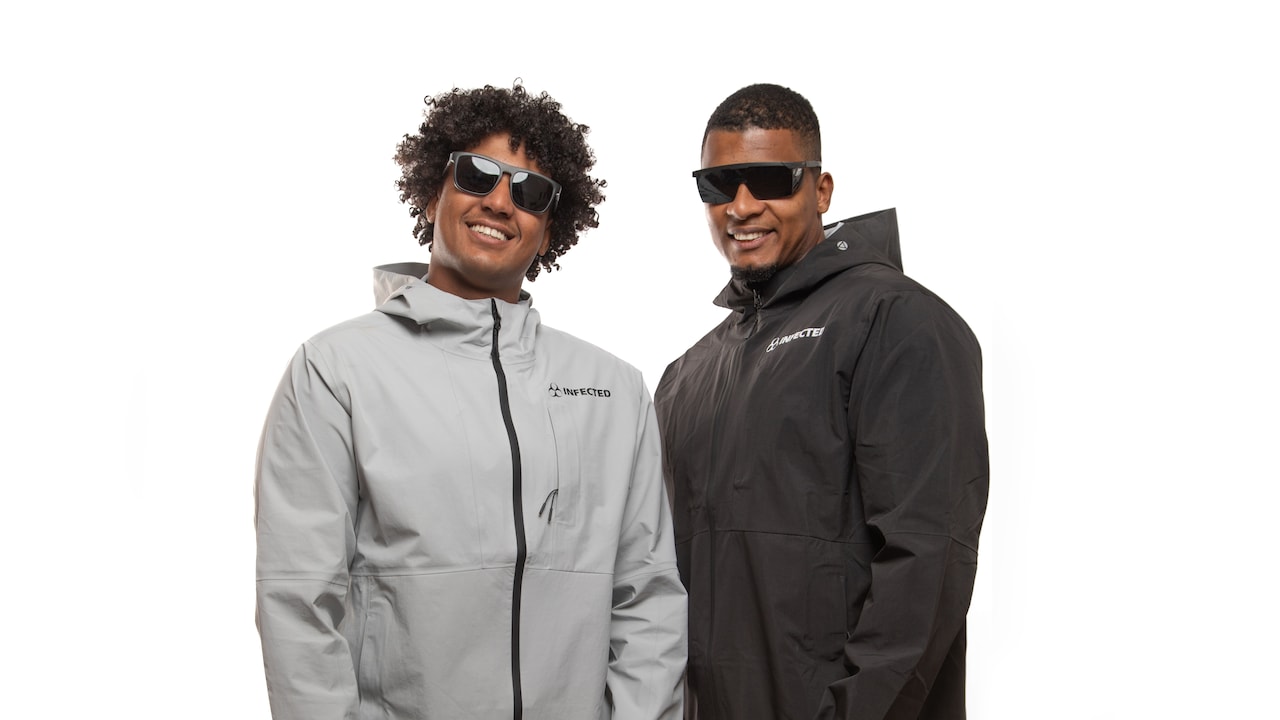
Explore why some waterproof jackets feel wet on the inside
Photo Credit: Pexels
Modern jackets try to balance two conflicting jobs. They must stop liquid rain from entering while allowing invisible water vapour to escape. That sounds simple until humidity, temperature, clothing layers, fabric coatings and physical effort join the conversation. Understanding this hidden weather system inside a jacket can make rainy journeys far more comfortable.
Also Read: 5 Stylish Rain Jackets For Men To Waterproof Their OOTDs
What Is Really Happening Inside Your Waterproof Jacket?
Your Body Produces More Moisture Than Expected
Even while resting, the human body releases moisture through the skin. Add brisk walking, climbing stairs, cycling or carrying a backpack, and sweat production rises quickly. A person may not notice visible droplets because the sweat first appears as vapour and fine moisture.
Inside a waterproof jacket, this moisture enters a small enclosed space. The outer fabric blocks rain, but it also slows the movement of air. Warmth builds around the torso, shoulders and arms. Soon, the jacket feels less like protective clothing and more like a portable greenhouse.
This becomes obvious during a humid evening commute. A person may walk only ten minutes from a metro station, yet arrive with a damp shirt despite facing little rain. The jacket has protected the clothing from the downpour, but the body has supplied its own water.
The back often feels wet first because backpacks press the fabric against the body and reduce airflow. Sweat cannot evaporate easily from that area. It collects on the shirt or jacket lining instead.
The strange truth remains simple: sometimes the person inside the jacket creates more moisture than the rain outside it.
Waterproof Does Not Mean Completely Airtight
A waterproof jacket must resist rain, but good designs do not behave like sealed plastic bags. Most use a membrane, coating or tightly woven material that blocks liquid water while allowing some water vapour to pass through.
Liquid droplets and water vapour behave differently. Raindrops contain clusters of water molecules and cannot easily squeeze through the microscopic structure of a waterproof membrane. Water vapour consists of individual molecules moving through the fabric at a much smaller scale.
Manufacturers often describe this process as breathability. The term can sound as though the jacket actively inhales and exhales. In reality, moisture moves through the material because differences in temperature, humidity and pressure push it from one side to the other.
That system has limits. A breathable jacket does not provide the open airflow of a cotton shirt. It releases moisture gradually. During heavy activity, the body may produce sweat faster than the fabric can transport it.
Think of a kitchen exhaust fan during festival cooking. It removes steam, but several boiling pots can still fog the room. A waterproof jacket faces the same problem. It can manage a reasonable amount of vapour, not perform miracles during a sweaty uphill sprint.
Condensation Forms On The Cooler Inner Surface
Condensation plays a major role in that mysterious inner wetness. Warm, moist air from the body rises and touches the cooler inner surface of the jacket. As the air cools, it loses the ability to hold as much water vapour. Tiny droplets then form on the fabric.
The same process appears on the outside of a chilled steel glass. No water leaks through the metal. Moisture from the surrounding air simply condenses on the cold surface. Inside a jacket, the droplets come from body vapour rather than from the rain.
This effect grows stronger when the weather outside feels cool while the body remains warm. A sudden shower after a hot afternoon creates perfect conditions. The rain chills the outer fabric, while walking keeps the air inside warm and humid.
The wearer may open the jacket later and find beads of water on the lining. The sight looks like proof of leakage, yet the pattern often reveals condensation. Leaks usually appear around damaged seams, zips or worn patches. Condensation spreads more evenly across large areas, especially the chest and back.
The jacket has not failed. It has simply become the meeting point between two very different climates.
High Humidity Slows Moisture Escape
Breathable waterproof fabrics work best when the air outside the jacket feels drier than the air inside. Moisture naturally moves from a warmer, more humid area towards a cooler, less humid one. This difference helps pull water vapour through the membrane.
During humid weather, however, the outside air already contains a great deal of moisture. The vapour inside the jacket has nowhere inviting to go. It moves slowly or remains trapped, leaving the wearer clammy.
This explains why the same jacket can feel comfortable during a cool mountain trek but sticky during a coastal downpour. The product has not changed. The surrounding atmosphere has.
Monsoon conditions create an especially difficult challenge. Warm air, high humidity and physical movement combine to produce sweat, while the moisture-heavy environment reduces evaporation. Even an expensive jacket costing ₹20,000 may struggle in such conditions.
Marketing labels can create unrealistic expectations. “Breathable” does not mean “dry under every circumstance”. It describes the fabric's ability to transfer vapour under particular test conditions. Real streets bring crowded trains, traffic fumes, backpacks, sudden heat and hurried footsteps into the experiment.
When the air outside already resembles a steam room, no jacket can release moisture as efficiently as it would in dry weather.
The Outer Fabric Can Become Waterlogged
Most waterproof jackets have more than one layer. A waterproof membrane sits beneath an outer face fabric, which often carries a durable water-repellent treatment. This treatment makes rain form rounded beads that roll off instead of soaking into the surface.
Over time, dirt, body oils, detergent residue and regular wear weaken that water-repellent finish. Rain then spreads across the outer fabric and saturates it. This condition is known as “wetting out”.
Water may still fail to cross the waterproof membrane, so the jacket does not technically leak. However, the soaked outer layer blocks the movement of water vapour. Breathability drops sharply, condensation increases, and the inside begins to feel wet.
The jacket may also grow heavier and colder. Instead of neat droplets dancing off the shoulders, the surface develops dark, soaked patches. That visual clue often points towards a tired water-repellent coating rather than a torn membrane.
Cleaning the jacket according to its care label can help. Specialised technical-wear cleaners remove oils and dirt without leaving the residue associated with ordinary detergent. Some jackets also need heat treatment or a renewed water-repellent product.
A little maintenance can rescue a jacket that appears ready for retirement.
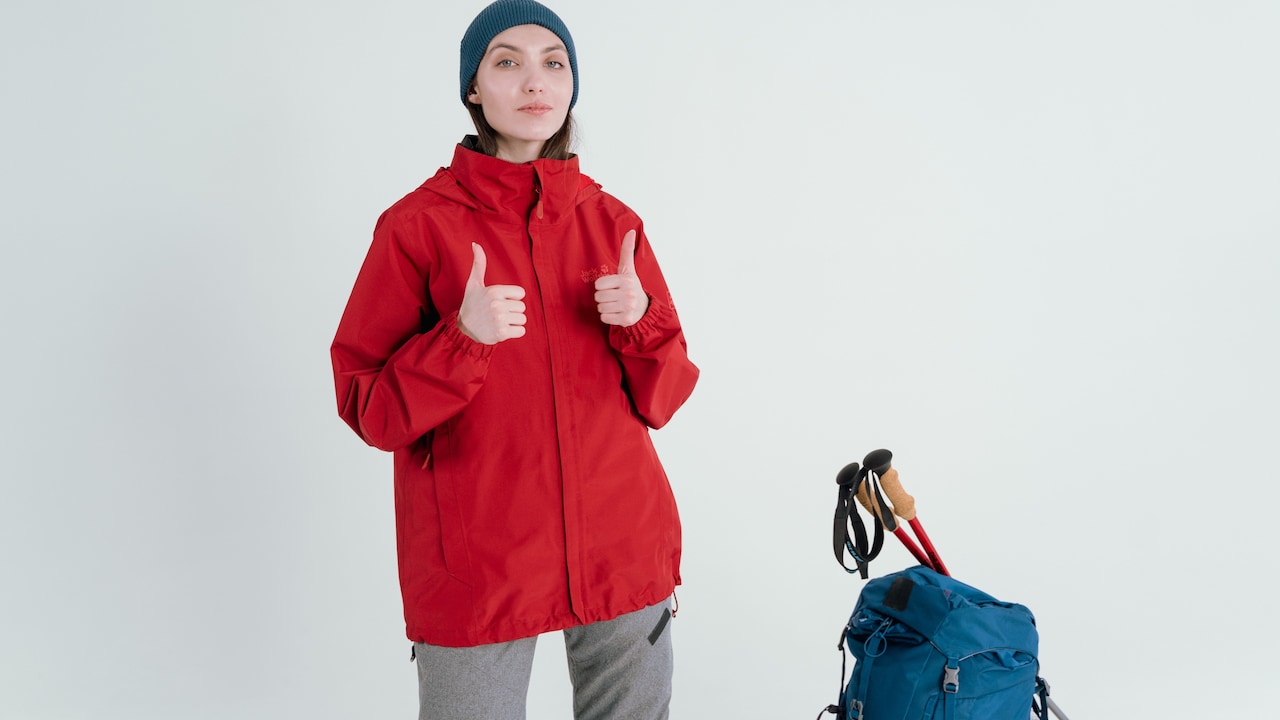
The outer fabric of your waterproof jacket can become waterlogged and create a wet feeling on the inside; Photo Credit: Pexels
Too Many Inner Layers Trap Heat
The clothing worn beneath a waterproof jacket has a major effect on comfort. Thick cotton shirts, hoodies and multiple warm layers can trap heat long before the rain becomes heavy. The body responds by sweating, and the outer shell must deal with the resulting vapour.
Cotton causes particular trouble because it absorbs moisture readily and dries slowly. Once damp, it clings to the skin and creates a cold, uncomfortable feeling. The jacket often receives the blame, even though the shirt has stored the sweat like a reluctant sponge.
Lightweight, quick-drying layers usually work better. They move moisture away from the skin and spread it across a wider area, allowing it to evaporate more efficiently. During warm rainy weather, a thin layer beneath the shell may provide enough comfort.
People often dress for the rain rather than the temperature. Dark clouds can create the impression of cold weather, yet the air may remain warm and humid. Adding a thick sweatshirt beneath a waterproof jacket then turns a practical outfit into a personal sauna.
A useful rule involves starting slightly cool. Movement soon generates warmth. The goal is not to feel cosy before stepping outside, but to avoid overheating after ten minutes of activity.
Poor Ventilation Keeps Damp Air Trapped
Fabric breathability alone cannot always remove enough moisture. Physical ventilation often works faster. Pit zips, mesh pockets, loose cuffs, adjustable hems and front zips allow warm, damp air to escape directly.
Many wearers keep every opening tightly closed because they fear rain will enter. That instinct makes sense during a fierce sideways downpour. During lighter rain, however, opening the main zip slightly or loosening the cuffs can transform comfort.
Some jackets include vents beneath the arms because these areas produce plenty of heat but receive less direct rain. Others use pockets lined with mesh, allowing them to double as ventilation panels. These features matter most during high-effort activities.
Fit also influences airflow. A very tight jacket leaves little space for air movement and presses damp fabric against the clothing underneath. An excessively loose jacket may flap, leak through openings or feel awkward. A comfortable middle ground allows a thin air layer without creating a billowing tent.
Ventilation requires small adjustments as conditions change. Close the openings when rain intensifies. Open them during a steep climb or a crowded commute.
A waterproof jacket works best when the wearer treats it like a controllable shelter, not a sealed lunchbox.
Backpacks Create Their Own Damp Zones
A backpack changes the way a waterproof jacket performs. Its shoulder straps press the fabric against the body, while the rear panel blocks airflow across the back. Heat and sweat build in these compressed areas.
The result often appears as two wet lines beneath the straps and a broad damp patch between the shoulders. Since these marks follow the shape of the backpack, they can look like leaks caused by pressure. In most cases, trapped sweat provides the simpler explanation.
Pressure can also reduce the small air gaps that help moisture move through clothing. Even highly breathable fabric struggles when squeezed between a warm back and a foam-covered bag. Waterproof backpack panels make the problem worse because they block evaporation from both sides.
Hikers and motorcyclists know this feeling well. The front of the shirt may remain almost dry while the back looks ready for the washing line.
A backpack with a ventilated or suspended back panel can improve airflow. Packing less weight also reduces pressure and physical effort, which means less sweating. During a short journey, carrying the bag by its handle for a few minutes may offer relief.
The jacket still protects against rain. The backpack simply creates a separate microclimate where breathability loses the argument.
Breathability Ratings Have Practical Limits
Waterproof jackets often display technical ratings measured in millimetres and grams. The waterproof rating indicates how much water pressure the fabric can resist. The breathability figure estimates how much water vapour can pass through a square metre of material over a set period.
These numbers help compare products, but they do not predict comfort perfectly. Different laboratories may use different testing methods. Temperature, humidity, air movement and fabric condition can affect the result. A strong score on packaging does not guarantee a dry shirt during every storm.
A jacket designed for casual travel may suit short walks and daily commutes. A high-performance shell may handle trekking or cycling better, but it can still feel damp during intense effort. The wearer's sweat rate matters too. Some people perspire heavily after a gentle climb, while others remain comfortable for longer.
Price offers no magical escape. A ₹5,000 jacket and a ₹30,000 technical shell may both develop condensation if the humidity stays high and ventilation remains closed.
Ratings should guide expectations rather than replace judgement. Comfort depends on the whole system: weather, activity, inner layers, jacket fit, fabric cleanliness and ventilation.
Technology can manage moisture remarkably well, but it cannot cancel basic human biology.
A Real Leak Leaves Different Clues
Not every wet patch comes from sweat or condensation. Waterproof jackets can leak when seams separate, zips fail, fabric tears or protective coatings wear away. Knowing the difference prevents unnecessary worry and helps identify genuine damage.
A leak often appears in a specific place. Water may enter near the shoulders, where backpack straps cause repeated friction. It may creep through a damaged zip, worn cuff or poorly sealed seam. The wet patch usually grows after direct exposure to rain.
Condensation tends to spread across warm, sweaty areas such as the chest, upper back and inside of the sleeves. It often feels clammy rather than suddenly soaked. Dampness may also appear even during light rain or after vigorous movement.
A simple home test can offer clues. Place the dry jacket over a chair, keep absorbent paper beneath the suspected area and gently apply water to the outside. Avoid forcing water under extreme pressure, since that creates unrealistic conditions. If the paper remains dry, the earlier dampness probably came from inside.
Care labels deserve attention before repairs. Harsh washing, fabric softener and careless ironing can damage technical materials.
Before declaring the jacket disloyal, examine where the water appears and what happened immediately beforehand.
Products Related To This Article
1. ZEEL Rain Coat for Men Waterproof for Bike Riders with Adjustable Hood Along with Inner Pockets
2. BLUE TYGA Sunscreen Jacket with UV Protection UPF 50
3. ZEEL WATER FIGHTER Rain Coat For Men with Adjustable Hood
4. Rynox Unisex Adult H2Go Pro 3 Rain Standard Length Jacket
5. Jockey MV40 Men Microfiber Water Resistant Convertible Active Wear Hoodie Jacket
6. Columbia Men Omni-Heat Reflective Whirlibird IV Snow Interchangeable Jacket
7. Boldfit Windcheater Jacket for Men
A waterproof jacket can keep rain out and still feel wet inside because dryness depends on more than a barrier against water. Sweat, trapped heat, condensation, high humidity, saturated outer fabric, heavy inner layers and backpacks all influence the tiny climate beneath the shell.
The solution rarely involves finding a jacket that never feels damp. Such a promise belongs beside umbrellas that never turn inside out and buses that always arrive on schedule. Better comfort comes from managing heat and moisture sensibly.
Wear light, quick-drying layers. Use vents before sweat builds. Keep the outer fabric clean and maintain its water-repellent finish. Choose a jacket suited to the activity, not merely the heaviest rain printed on the label. Pay attention to damp patterns before assuming a leak.
Most importantly, remember that waterproof and breathable describe a compromise. One quality blocks water, while the other helps vapour escape. Weather and movement constantly test that balance.
The next time a jacket feels clammy during a downpour, the rain may be entirely innocent. The real storm could be the warm, humid one unfolding quietly inside.
(Disclaimer: This article may include references to or features of products and services made available through affiliate marketing campaigns. NDTV Convergence Limited (“NDTV”) strives to maintain editorial independence while participating in such campaigns. NDTV does not assume responsibility for the performance or claims of any featured products or services.)