How To Choose Leggings That Aren't See-Through: A Simple Buying Guide
Stop guessing in the mirror. This simple guide shows how to choose leggings that stay squat-proof, opaque, and comfortable, so you never deal with see-through fabric again.
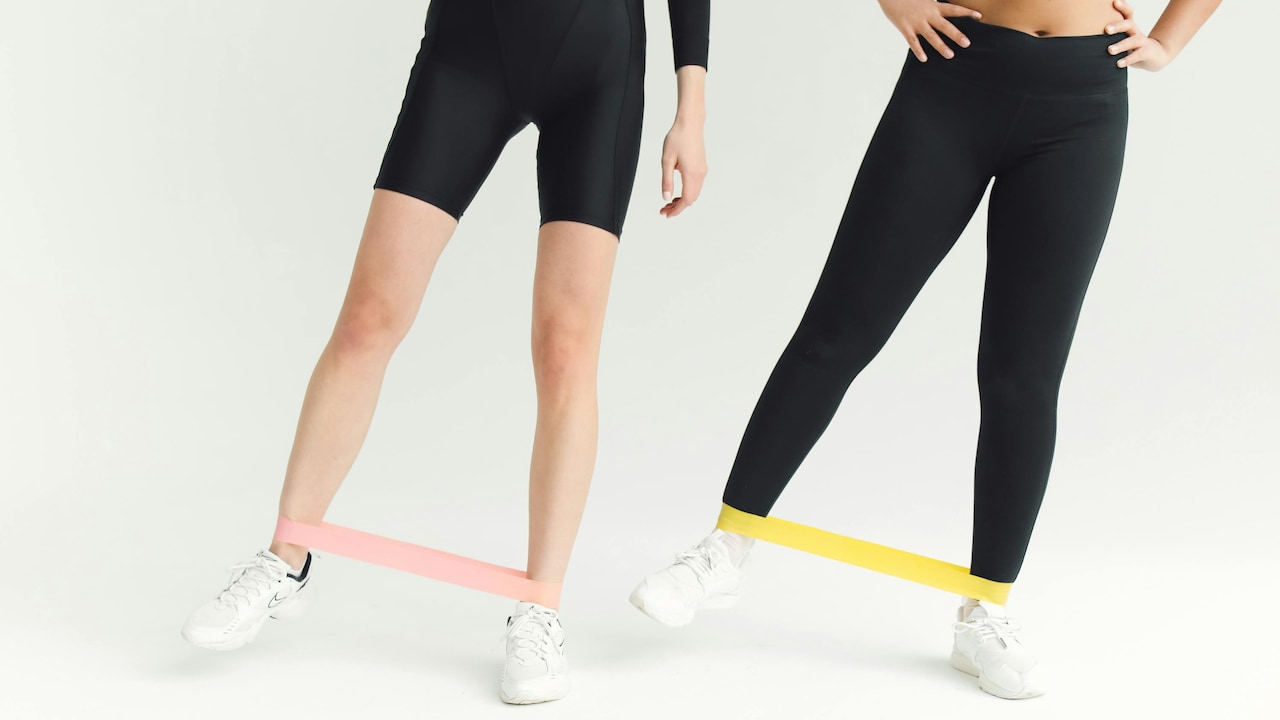
How To Choose Leggings That Aren't See-Through: Squat-Proof Buying Guide.
Leggings are the ultimate everyday essential. They go from morning walks to college runs, from yoga mats to grocery aisles, and from lazy Sundays to “let's look put-together” weekdays. But there's one problem that can ruin the entire experience: see-through fabric.
Nobody wants to discover their leggings are transparent under bright sunlight, gym lighting, or, worst of all, someone's phone camera flash at a family function. The frustrating part is that leggings can look thick on the hanger and still fail the moment they stretch. And it's not always about price either. A pair that costs ₹500 can surprise you in a good way, while one that costs ₹2,500 might still betray you during a lunge.
So how does someone buy leggings with confidence? The trick is knowing what to check before handing over the money. This guide keeps it simple, practical, and a little fun, because leggings shopping should not feel like preparing for battle.
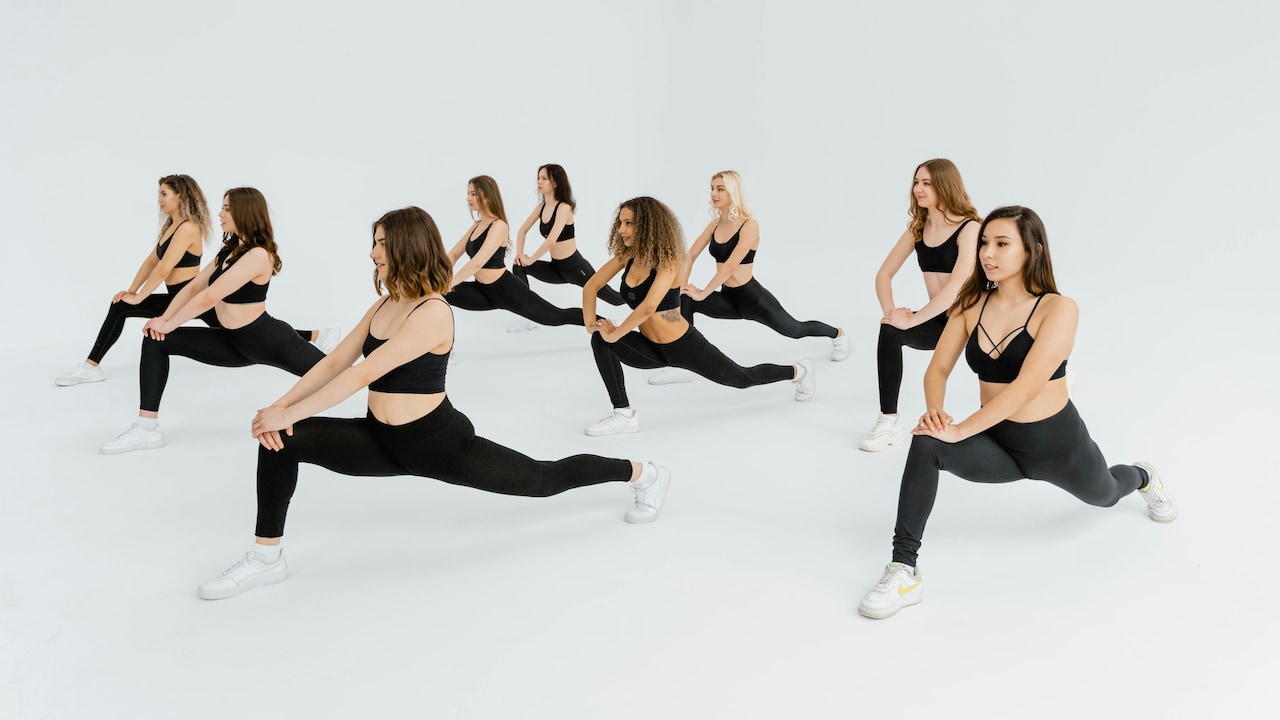
How To Choose Leggings That Aren't See-Through: A Simple Buying Guide
Photo Credit: Pexels
The Simple Checklist For Squat-Proof Leggings
1. Understand Why Leggings Become See-Through
Leggings don't become see-through because the universe hates joy. It happens for a few very normal reasons: thin fabric, poor weave, wrong size, or a blend that stretches too much. Most transparency issues show up when the material is under tension. That means squats, bending, climbing stairs, or simply sitting cross-legged on the sofa while scrolling endlessly.
Many leggings look fine when standing still. Then the fabric stretches at the hips, thighs, or bum and suddenly the weave opens up like a net. That's when the colour of your underwear becomes an unplanned fashion statement.
Another sneaky culprit is light. Leggings that pass at home can fail in a gym with harsh white LEDs. Some fabrics also reflect light differently, making them appear thinner. This is especially true with lighter shades like grey, beige, or pastel pink.
The key takeaway is simple: opacity is not just about thickness. It's about fabric structure, stretch quality, and fit. Once that clicks, shopping becomes less stressful and far more successful.
2. Check The Fabric Blend Like A Pro
Fabric blend is where the real story begins. If leggings were a movie, the fabric tag would be the plot twist. Most everyday leggings use cotton, polyester, nylon, elastane, or a mix of these. Each blend behaves differently under stretch.
Cotton leggings feel soft and breathable, but low-quality cotton tends to thin out fast and can turn sheer when stretched. Polyester blends often hold colour well and resist fading, but some cheaper versions feel plasticky and look shiny under light. Nylon blends usually feel smoother and more premium, and they often offer better coverage.
The hero ingredient is elastane (also called spandex or Lycra). It gives leggings stretch and shape retention. But here's the catch: too much elastane in a low-quality fabric can make leggings stretch excessively and go transparent. Too little elastane can make them stiff and uncomfortable.
A balanced blend works best. Look for something that feels dense yet flexible, like it can move with you without looking strained. When the fabric feels “bouncy” rather than floppy, you're usually on the right track.
3. Master The Stretch Test Without Looking Awkward
Yes, the stretch test can feel a bit dramatic in a store. But it's also the fastest way to avoid regret. The goal is to see how the fabric behaves when pulled, because that's exactly what will happen when you wear it.
Hold a section of the leggings, ideally around the hip or thigh area, and stretch it gently. Then check if the colour stays solid or if you can see light passing through. If the fabric looks washed out or turns visibly lighter when stretched, it's a warning sign.
Another trick is to stretch it over your hand and see if your skin tone shows through clearly. If it does, the leggings will likely fail under movement. If the fabric stays mostly opaque, that's a good sign.
This isn't about yanking the leggings like you're testing a trampoline. A normal, gentle stretch is enough. If a pair can't handle that, it won't survive daily wear, let alone a workout session.
And honestly, anyone judging you for doing this probably owns at least one see-through pair and refuses to accept reality.
4. Choose The Right Size (Because Smaller Is Not “Snatched”)
A common mistake is buying leggings a size smaller for a tighter look. It's tempting, especially when brands sell the idea of “compression” and “sculpting.” But leggings don't work like magic. If they are too small, the fabric stretches beyond its intended limit and becomes see-through.
A proper fit should feel snug, not suffocating. The waistband should sit comfortably without rolling down. The fabric should hug your legs without pulling too hard at the seams. If the leggings feel like they're fighting for survival when you put them on, they will almost certainly become sheer.
Also watch out for fabric strain. If you see horizontal lines across the thighs or bum, that's the leggings silently begging for mercy. That strain often means the weave is opening up, which means transparency.
The best leggings fit feels secure but easy. You should be able to squat, sit, and walk without constantly adjusting. When you find that fit, it's genuinely life-changing. No more tugging, no more worrying, and no more “is my outfit safe?” panic.
5. Pay Attention To GSM And Fabric Thickness (Without Overthinking It)
GSM stands for grams per square metre. It's basically a measure of fabric density. Higher GSM usually means thicker fabric, and thicker fabric tends to be less see-through. But the word “usually” matters here.
Some leggings feel thick but still turn sheer because the weave is loose. Others feel lightweight but remain opaque because the knit is tight and well-made. That's why GSM is useful, but not the only deciding factor.
If a brand mentions GSM, it can help. Leggings around 200–250 GSM often work well for everyday wear. For workout leggings, slightly higher GSM can offer better coverage and support, especially if you prefer squat-proof options.
Still, don't get stuck in numbers. Most stores won't display GSM, and most shoppers don't want to do maths while browsing. The simpler approach is to feel the fabric. Dense fabric has a smoother, more structured feel. Thin fabric often feels papery or overly stretchy.
If the leggings feel like they could double as a curtain during a power cut, they might not be the best idea.
6. Pick Colours And Prints That Naturally Hide Sheerness
Colour plays a bigger role than most people realise. Black is famously forgiving. It hides a lot, including minor transparency issues. Deep navy, charcoal, and dark brown also perform well.
Lighter colours are trickier. Grey is the biggest offender because it often looks fine until stretched. Beige, white, and pastel shades need extra caution. Many light-coloured leggings require thicker fabric and a solid lining to stay safe.
Prints can help. Patterns break up the fabric visually, which makes slight sheerness less noticeable. A busy print, textured finish, or ribbed knit can add coverage without making the leggings heavy.
That said, prints can also hide poor quality. Some brands use loud patterns to distract from thin fabric. So the stretch test still matters, even with prints.
If shopping for your first truly reliable pair, dark solid colours are the easiest win. Once you know which brands and fabrics work, experimenting with lighter shades becomes less risky and more fun.
7. Look For A Strong Waistband That Stays Put
A good waistband is not just about comfort. It's also about coverage. When a waistband rolls down, the leggings shift, and fabric tension increases in awkward places. That's when transparency issues can appear, especially at the back.
A wide, structured waistband usually works best. It should sit flat against the stomach and not fold when you bend. High-rise waistbands are particularly helpful for everyday wear because they stay in place and offer a smoother silhouette.
Also, check how the waistband feels when stretched. Some waistbands look thick but are stitched onto thinner fabric below, creating a weak point. If the fabric under the waistband is thin, the leggings might still turn sheer where it matters most.
A good waistband should feel like a gentle hug, not like a strict aunt at a wedding. Supportive, firm, and present, but not ruining your ability to breathe.
And yes, the waistband matters even if you plan to wear an oversized T-shirt. Comfort is still the main character.
8. Inspect Stitching And Seams Like You're Buying Furniture
Seams are the silent judges of legging quality. When seams are weak, leggings stretch unevenly, which increases the chance of sheerness. Strong seams also help leggings hold shape and prevent sagging over time.
Look closely at the stitching. It should be neat, even, and secure. If you see loose threads, uneven lines, or stitches that look too far apart, the leggings may not last long. A well-made pair feels sturdy without being bulky.
Flatlock seams are a great sign, especially for workout leggings. They sit flatter on the skin and reduce chafing. Gussets are another important detail. A gusset is a diamond or triangular piece of fabric in the crotch area. It improves comfort, movement, and durability.
Without a gusset, leggings often pull at the crotch seam, which can lead to an awkward fit and faster wear. Nobody wants leggings that give up after three washes and a single enthusiastic dance session at home.
Good stitching doesn't just protect modesty. It protects your money too.
9. Be Smart About Price, But Don't Assume Expensive Means Better
Price can be misleading. There are overpriced leggings that rely on branding rather than quality, and there are budget leggings that are genuinely excellent. The goal is to find value, not just a big number on the tag.
In general, extremely cheap leggings often cut corners in fabric quality and stitching. If a pair costs ₹199, it might look good for a week, but it may turn sheer after a few washes or stretch out quickly. At the same time, a ₹2,000 pair can still disappoint if the fabric blend is wrong.
A good everyday pair often sits in a reasonable range like ₹600 to ₹1,500, depending on brand, fabric type, and features. Workout leggings with compression, pockets, and high-performance fabric may cost more, but they should also deliver better coverage and durability.
The best approach is to treat leggings like shoes. You don't need the most expensive pair, but you do need one that won't betray you mid-step.
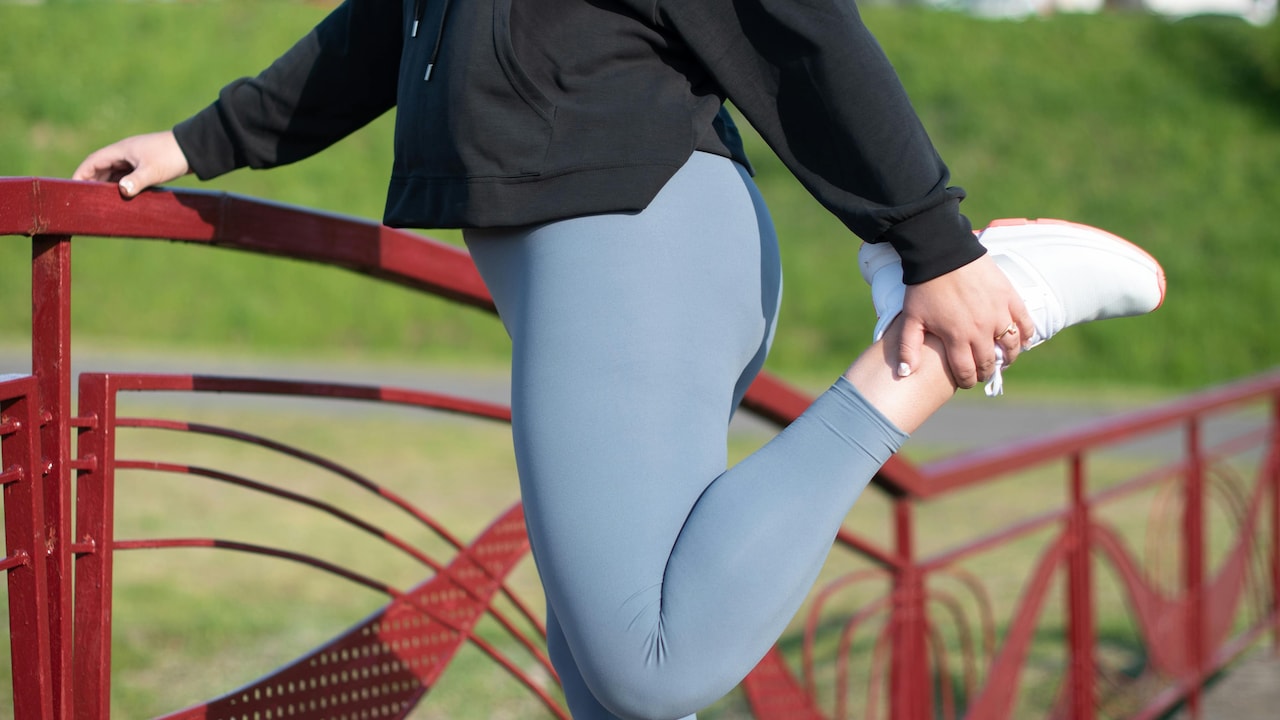
How To Choose Leggings That Aren't See-Through: A Simple Buying Guide
Photo Credit: Pexels
10. Do The “Real Life” Test Before Removing The Tag
Even after all the checks, the final test happens at home. Before removing the tag, try the leggings on in natural daylight and indoor lighting. Move around. Sit down. Bend forward. Do a gentle squat. Twist your body like you're reaching for a top shelf.
A full-length mirror helps, but a phone camera can be even more revealing. Set it up and take a quick video while moving. It's not vanity. It's quality control.
Also test comfort. If the waistband digs in or the fabric feels itchy, it won't magically improve. Leggings should feel like something you forget you're wearing, not something you keep adjusting every five minutes.
If the leggings pass this test, they're likely a keeper. If they fail, return them quickly. Don't convince yourself you'll “make it work” by wearing longer tops forever. That's how wardrobes fill up with items that never get worn.
A good pair should make life easier, not create new rules.
Products Related To This Article
1. K M R Western Wear Legging
2. Mikram Western Wear Legging
3. Lifeneeds Churidar Ethnic Wear Legging
4. Zayanqa Ankle Length Western Wear Legging
5. Prglitzthrift Ankle Length Western Wear Legging
Buying leggings that aren't see-through is not about luck. It's about knowing what to look for: a strong fabric blend, the right size, dense knit, reliable stitching, and a waistband that stays put. Add a quick stretch test and a real-life lighting check, and the odds of disappointment drop dramatically.
Leggings should feel effortless. They should let you move freely, sit comfortably, and live your day without that nagging worry in the back of your mind. The best pair is the one that stays opaque, holds its shape, and feels good enough to wear on repeat.
Because honestly, leggings are meant to support your lifestyle, not test your courage.
(Disclaimer: This article may include references to or features of products and services made available through affiliate marketing campaigns. NDTV Convergence Limited (“NDTV”) strives to maintain editorial independence while participating in such campaigns. NDTV does not assume responsibility for the performance or claims of any featured products or services.)