The ‘Heel Wobble’ Problem: What Makes Heels Unstable
Heels don’t wobble because you can’t walk in them. They wobble because of design flaws. This is what makes heels unstable, and how to spot the problem before you buy.
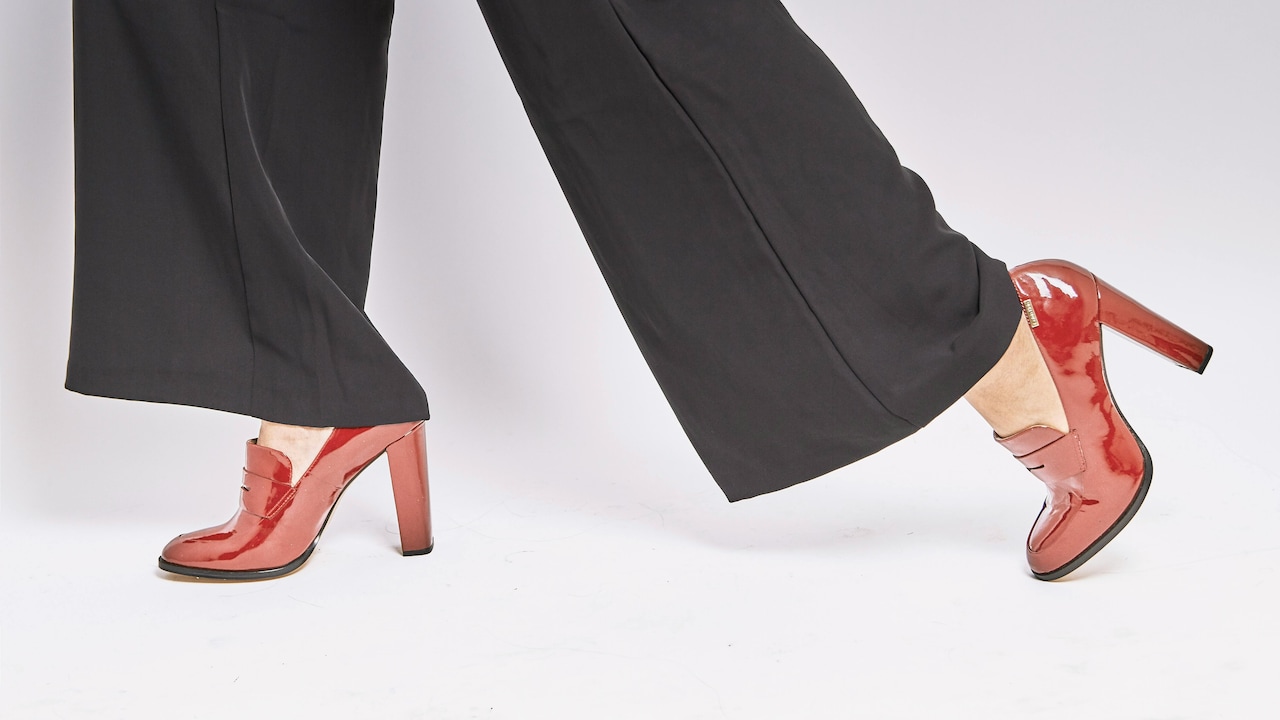
Say goodbye to heels that wobble with these easy shopping tips.
Heels have a strange power. They can make a simple kurti-and-jeans combo feel like a full look. They can turn a plain saree into something red-carpet-ready. They can even make a person stand taller, not just physically, but mentally too.
And yet, there's one universal enemy of the heel-wearer: the wobble.
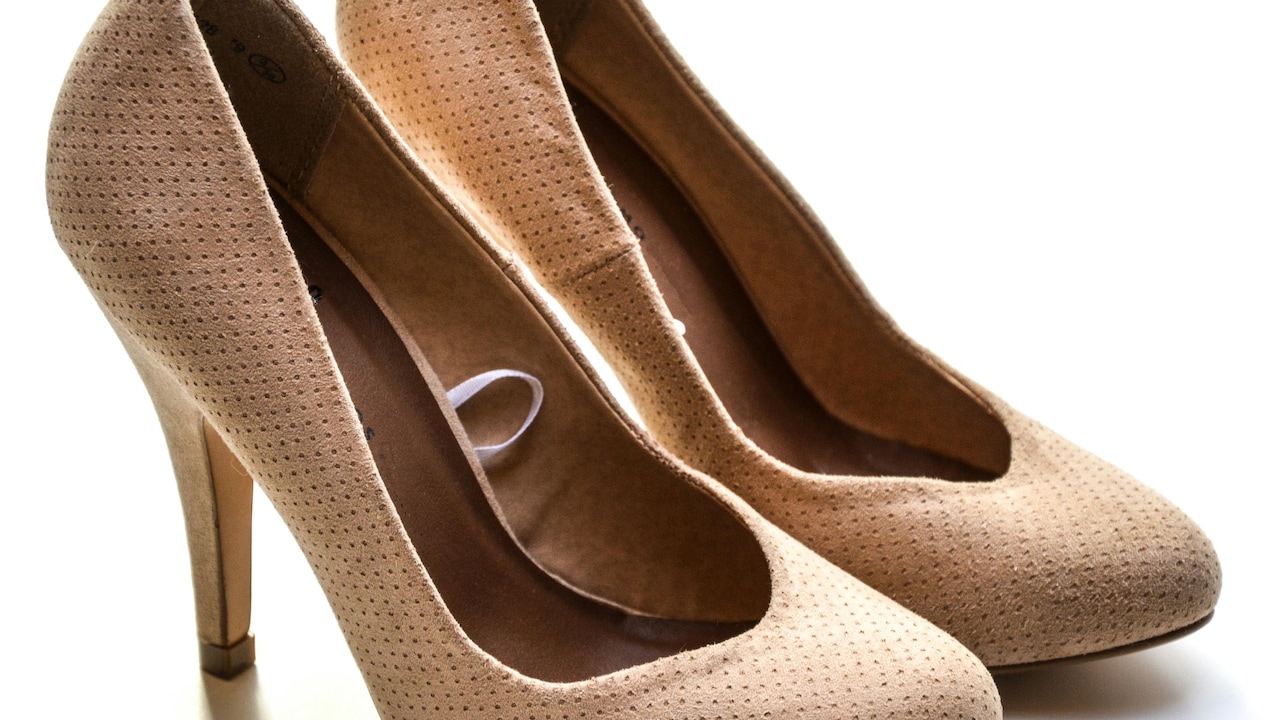
Discover common reasons that make heels wobble and feel uncomfortable; Photo Credit: Pexels
That awkward moment when the heel doesn't land firmly. When the ankle does a tiny panic dance. When the body tilts and the brain goes, 'Oh no, not here.' It can happen anywhere: at a wedding entrance, on a shiny office floor, outside a café, or on that slightly sloped ramp in a parking lot that nobody asked for.
The good news is that heel wobble isn't mysterious. It's a real, explainable problem with clear causes. Once those causes make sense, choosing stable heels becomes much easier. It also makes walking in them feel less like a performance and more like a normal human activity.
Also Read: Top 5 Block Heels Under ₹1500 That Look Expensive And You Can Walk In Them Comfortably
Why Heels Wobble: The Real Reasons Behind Unstable Steps
Heel Height Isn't The Only Villain
Most people blame wobbles on height. 'These are too high' is the first conclusion, and sometimes it's correct. But height alone doesn't decide stability. Plenty of high heels feel secure, while some medium heels feel like balancing on a spoon.
The real issue is where the height sits and how it shifts body weight. As heel height increases, the body's centre of gravity moves forward. That means the forefoot takes more pressure, the calf stays engaged, and the ankle has less room to correct small mistakes. On uneven ground, this becomes a problem quickly.
A 4-inch heel with a good platform and supportive structure can feel steadier than a 2.5-inch heel with a thin base and a poor arch. That's why some wedding heels survive hours of dancing while some 'comfortable' office heels feel unstable by lunchtime.
Heel wobble often starts when the shoe forces the foot into a position where the body must constantly micro-correct. If the shoe design doesn't help, the ankle ends up doing all the work. Ankles are talented, but they are not magic.
The Heel Base: The Hidden Dealbreaker
The heel base is the part that touches the ground. This is where stability either happens or collapses. A wider heel base spreads pressure and gives a larger contact area. A narrow heel base concentrates pressure into a tiny point, which makes wobble far more likely.
This is why block heels usually feel safer than stilettos, even at the same height. It's also why some pencil-thin heels feel terrifying on broken pavements. The ground in many cities isn't smooth or predictable. It has gaps, cracks, and those tiny surprise dips that appear right when someone is trying to look graceful.
A narrow heel also increases the chance of the heel slipping sideways when it lands. The foot can be perfectly aligned, but if the base doesn't grip the surface well, it can still wobble. Add a glossy marble floor into the mix, and the heel becomes a tiny ice skate.
Even within block heels, the shape matters. A block that tapers sharply at the bottom behaves more like a stiletto than a true block. A heel that looks stable from the side can still wobble if it narrows too much at the point of contact.
Heel Placement Changes Everything
Heel placement sounds boring, but it's one of the biggest reasons some heels feel 'off' immediately. The heel isn't just attached to the shoe. It's positioned relative to the foot's natural pressure points.
When the heel sits too far back, it creates a lever effect. The shoe can tip backwards slightly, especially during the first part of a step. That makes the ankle work harder to stabilise. When the heel sits too far forward, it forces the body weight into the front of the foot even more, which can make the shoe feel like it's pitching forward.
A well-placed heel sits under the heel bone in a way that supports the natural walking pattern. It makes the step feel smooth. A badly placed heel makes the step feel like a controlled fall.
This also explains why some cheaper heels feel unstable even if they look similar to expensive ones. The visual design might be copied, but the engineering often isn't. Small placement differences can change the entire walking experience. The foot knows. The ankle knows. And unfortunately, the floor knows too.
Sole Rigidity: Too Soft Or Too Stiff
The sole is the part of the shoe under the foot. It sounds simple, but it plays a huge role in wobble. A sole that's too soft bends too much, which reduces stability. It can feel cushy at first, but it allows the foot to shift around. That shift can turn into wobble, especially during turns or when stepping down from a curb.
On the other hand, a sole that's too stiff can also cause problems. If it doesn't flex where the foot naturally bends, it forces the foot to move awkwardly. That awkward movement can create a wobbly step, because the shoe fights the body's mechanics.
The best heels have controlled flexibility. They bend slightly at the ball of the foot but stay supportive through the arch and midfoot. This gives a stable base without feeling like a wooden plank.
A quick way to understand this is to imagine carrying a tray of tea. If the tray is flimsy, everything shakes. If the tray is rigid but awkward to hold, the hands struggle. The sweet spot is a tray that's sturdy but still manageable. A heel's sole works the same way.
The Arch Support Problem Nobody Talks About
Arch support doesn't get the attention it deserves in heels. People focus on heel height, strap design, and brand names. But the arch is where stability lives.
When a heel has poor arch support, the foot collapses slightly in the middle. That collapse shifts weight forward and inward. The ankle then compensates, and the wobble begins. It's subtle at first. Then it becomes that familiar feeling of walking on a slope, even when the floor is flat.
A good arch support doesn't need to feel aggressive or medical. It simply needs to match the curve of the foot so the foot sits 'held' rather than 'hanging'. In many mass-market heels, the arch area is too flat, which makes the foot slide forward. That sliding adds pressure to the toes and makes the step unstable.
This is why some heels feel like they are trying to throw the wearer out of the shoe. The foot keeps moving forward, the toes grip to stay in place, and the ankle wobbles because the base is unstable.
If the arch is supported properly, the foot relaxes. And when the foot relaxes, the whole body walks better.
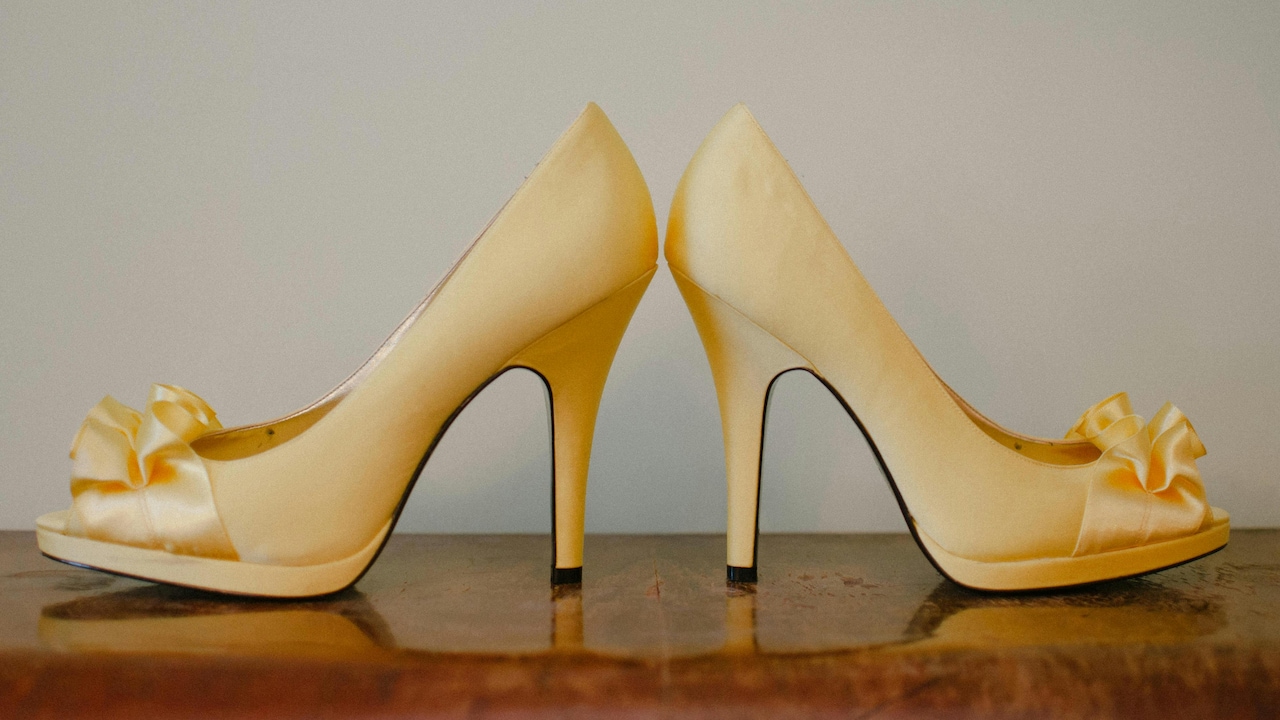
Always look for heels with a good arch support to feel relaxed and comfortable; Photo Credit: Pexels
Fit Issues: The Shoe Doesn't Hug The Foot
Heels need a closer fit than flats. In flats, a slightly loose fit might still work. In heels, a loose fit is a wobble factory.
When a shoe is too wide, the foot shifts sideways with each step. That shift makes the heel land at a slightly different angle every time. The ankle then has to be constantly. The wobble becomes more obvious when turning, climbing stairs, or walking fast.
When a shoe is too long, the foot slides forward. That makes the toes do extra gripping work, which leads to fatigue and a shaky step. When a shoe is too short, the toes curl or press uncomfortably, and the body starts walking defensively. Defensive walking looks like a wobble, even when the heel itself is stable.
The most frustrating part is that many people think they have 'bad balance' when it's actually a fit issue. A well-fitting heel feels like an extension of the foot. A poorly fitting heel feels like a separate object strapped on.
A good fit also reduces that annoying slap sound some heels make. When the foot is secure, the heel strikes cleanly. When the foot floats, the shoe makes noise, and the walk loses confidence.
Straps, Uppers, And The Myth Of 'Just Hold It'
Straps can help stability, but only when they're designed well. A thin decorative strap might look pretty, but it doesn't always provide real support. In some cases, it makes things worse by creating pressure points while still allowing the foot to move.
The upper is the part that covers the foot. In stable heels, the upper holds the foot firmly, especially around the midfoot and heel. In unstable heels, the upper is either too loose or too stiff in the wrong places. A loose upper allows the foot to slide. A stiff upper can push the foot into awkward positions.
Backless heels, mules, and slip-ons are especially prone to wobbles. Without a secure heel counter, the foot has less guidance. The toes grip harder to keep the shoe on, and the gait becomes unstable. It can look stylish, but it often feels like walking while constantly negotiating with the shoe.
The best straps feel like a seatbelt. They don't just sit there for decoration. They actually hold the foot in place, so the heel and the body can work together rather than fighting each other.
Surface Grip: The Silent Instability Trigger
Sometimes the heel isn't the problem. The floor is.
A heel can be perfectly stable on a rough surface and feel like a disaster on a polished one. Smooth mall tiles, glossy office floors, and marble wedding venues can turn even a wide heel into a slip risk. If the outsole material is too smooth, it doesn't grip. That lack of grip creates micro-slips. Micro-slips feel like wobbles.
This is why a pair of heels can feel 'fine' in the store and terrible at the event. Stores often have carpeted or slightly textured floors. Real life has tiles that have been polished to the point of arrogance.
Rain makes it worse. Wet footpaths and slightly damp stairs are enough to make a heel feel unstable. Even dust can reduce grip. Anyone who has walked across a slightly dusty banquet hall floor knows the fear.
Outsole design matters here. A textured outsole gives more friction. Some brands cut corners with smooth soles because they look sleek. But sleek doesn't help when the foot is trying not to slide into embarrassment.
A stable heel needs traction. Without it, every step becomes a negotiation.
Weight Distribution And The 'Forward Pitch' Effect
Some heels wobble because they pitch the body forward too aggressively. This isn't always about height. It's about the angle between the heel and the forefoot, also called the heel-to-toe drop.
Shoes with a steep drop force the body weight into the toes. The toes then grip. The calf tightens. The knees adjust. The posture changes. The body becomes less stable because it's constantly fighting to keep balance.
A platform can reduce this effect by lifting the forefoot, too, not just the heel. That's why some platform heels feel surprisingly manageable. The foot sits at a gentler angle, which makes the body more stable.
But not all platforms are equal. Some platforms are heavy and clunky, which introduces another issue: momentum. When the shoe is heavy, the leg has to work harder to lift and place it. That can cause fatigue and wobble later in the day.
Good weight distribution feels natural. Bad weight distribution feels like being pushed forward slightly, as if the shoe is always urging the wearer to hurry up and fall over.
Quality, Construction, And The '₹999 Trap'
Price doesn't guarantee stability, but construction quality matters more than people admit. A poorly constructed heel can wobble because the heel attachment is weak, the materials are inconsistent, or the internal structure lacks reinforcement.
Sometimes, the heel itself isn't perfectly aligned. It may lean slightly. That tiny lean becomes obvious once the shoe is worn on real surfaces. It can cause the heel to strike unevenly, which creates wobble and eventually damages the shoe.
Cheaper heels often use lighter adhesives, weaker shanks, and softer internal materials. They may look great for the first few wears. Then the wobble starts. The heel cap wears down unevenly. The sole loses structure. The shoe starts feeling 'twisted'.
This is where the ₹999 deal becomes suspicious. A heel that looks stunning at that price might still be worth it for a short dinner. But expecting it to survive a full wedding day with standing, walking, and dancing is like expecting a paper umbrella to handle a monsoon.
Better-made heels usually have a stronger shank, a sturdier heel attachment, and more consistent materials. The stability lasts longer.
Products Related To This Article
1. Froh Feet Women Heels
2. Marc Loire Women Heels
3. Patriarchy Women Heels
4. Froh Feet Women Heels
5. Shoestail Women Heels
Heel wobble isn't a personal failure. It's not a sign of poor balance or a lack of grace. It's mostly a design problem, with a little bit of surface chaos thrown in.
The most unstable heels usually share the same traits: a narrow heel base, poor heel placement, weak arch support, slippery soles, and a fit that doesn't hold the foot securely. The most stable heels do the opposite. They support the foot, distribute weight properly, and create friction where it matters.
And yes, some days the road will still be terrible. Some venues will still have floors that feel like skating rinks. But understanding the mechanics of wobble makes it easier to choose smarter heels and walk with less fear.
Because heels should feel like confidence, not like a gamble. And no one deserves to spend a night silently praying, step after step, that the ankle survives the evening.
(Disclaimer: This article may include references to or features of products and services made available through affiliate marketing campaigns. NDTV Convergence Limited (“NDTV”) strives to maintain editorial independence while participating in such campaigns. NDTV does not assume responsibility for the performance or claims of any featured products or services.)