How To Choose Pants For Sitting Long Hours Comfortably
Sitting all day? The wrong pants can ruin your mood. Learn how to choose breathable, stretch-friendly trousers that stay comfortable for long hours at work, home, or during travel.
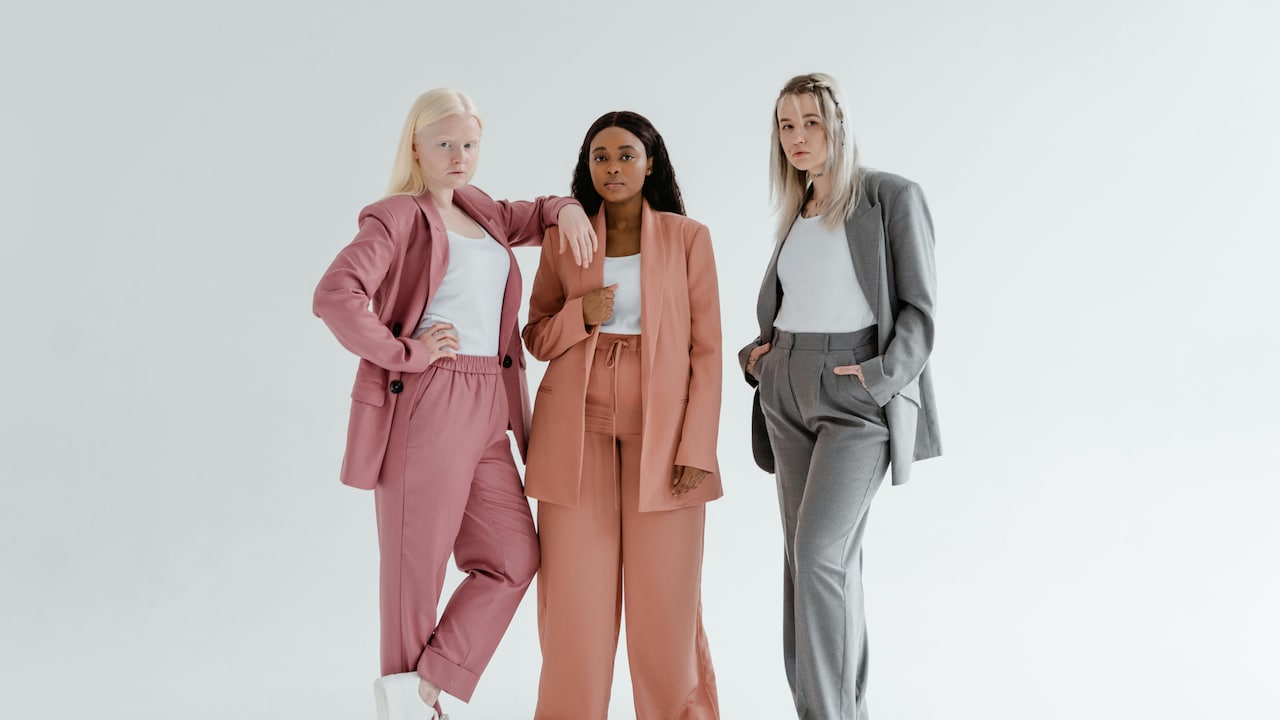
How To Choose Pants For Sitting Long Hours Comfortably: Fit, Fabric And Waistband Tips.
Sitting for long hours is now a full-time lifestyle. Office desks, work-from-home setups, metro commutes, coaching classes, long drives, and even those never-ending family functions where chairs feel like punishment, most days involve more sitting than walking.
And yet, pants shopping still focuses on how something looks while standing. The mirror shows a sharp silhouette, the lighting is flattering, and the trial room makes everything feel like a runway. Then reality hits. After two hours at a desk, the waistband starts digging in. The fabric traps heat. The thighs feel tight. By evening, the urge to change into shorts becomes stronger than the urge to finish work.
Comfortable sitting pants aren't about wearing loose pyjamas everywhere. They're about smart fabric, smart fit, and small design details that make a big difference when the clock refuses to move. This article will help you choose pants that support long sitting hours without sacrificing style, confidence, or sanity.
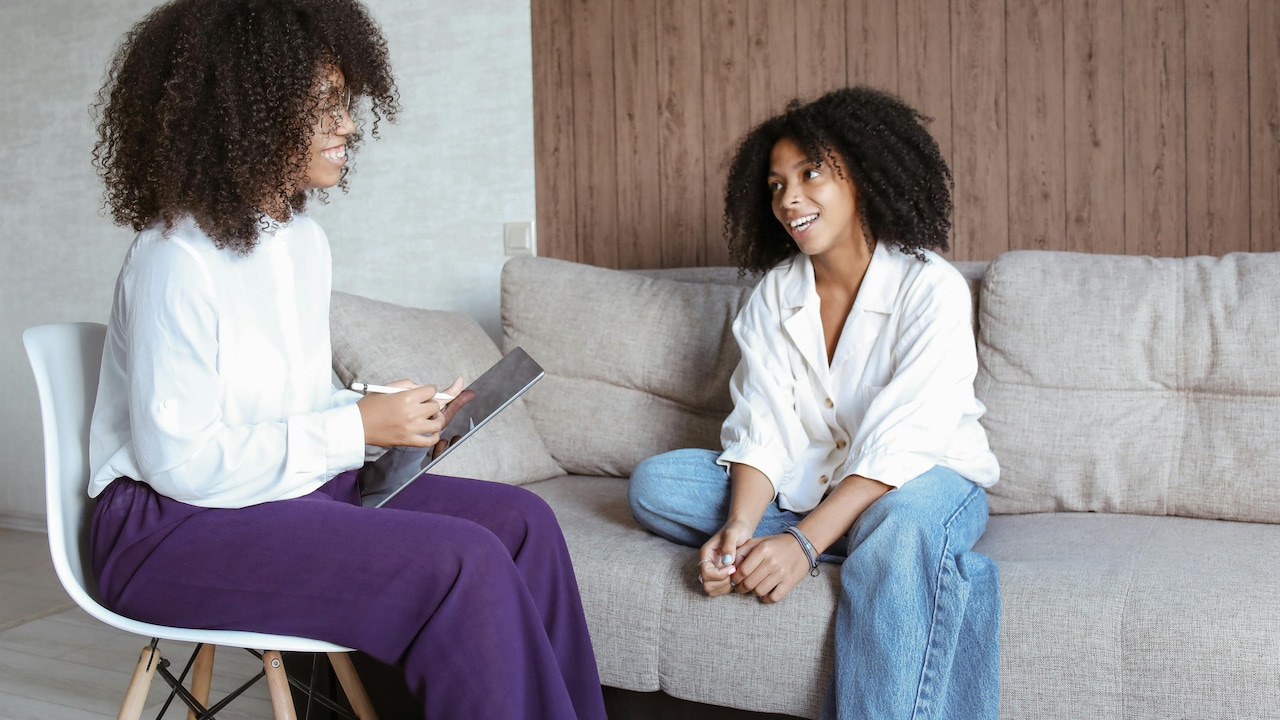
How To Choose Pants For Sitting Long Hours Comfortably
Photo Credit: Pexels
What To Look For Before Buying Your Next Pair
1. Start With Fabric That Breathes, Not Suffocates
Fabric decides whether a pair of pants feels like a friendly hug or a slow punishment. For long sitting hours, breathable material matters more than most people realise. When fabric doesn't allow air to move, it traps heat and moisture. That leads to discomfort, itching, and the kind of restlessness that makes even a simple email feel like a marathon.
Cotton blends work well for everyday use because they breathe and feel soft. Linen also breathes beautifully, though it wrinkles like it has a personal grudge against neatness. For a cleaner look, cotton with a little stretch is a strong option. It keeps the structure while still letting the body move.
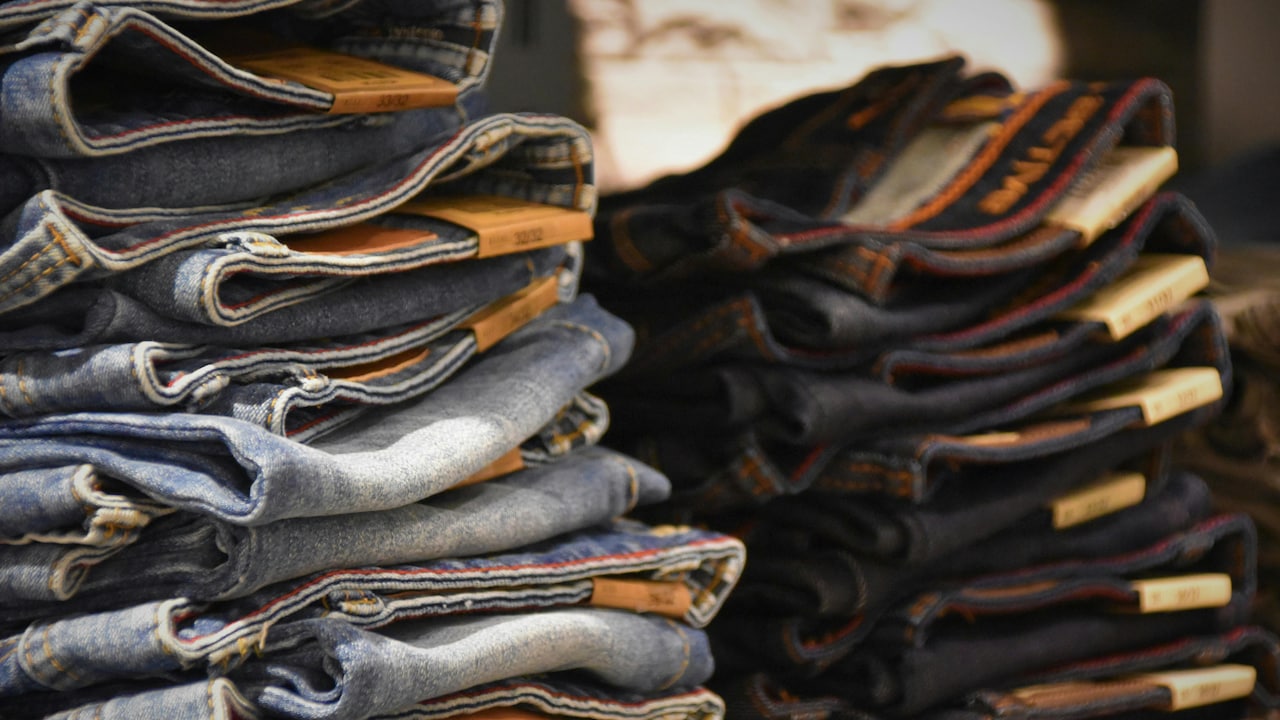
Avoid thick, stiff denim for long desk days unless it has decent stretch. Many jeans look great but behave terribly when seated. Also, be careful with fully synthetic fabrics that feel smooth but trap heat. In warm weather, that becomes a regrettable choice by lunchtime. A good fabric should feel calm, not clingy, and definitely not sweaty.
2. Choose A Waistband That Respects Your Lunch
A waistband can make or break the sitting experience. Standing up, almost every waistband feels fine. Sitting down is where the truth comes out. The stomach expands slightly when seated, especially after meals. That's not a flaw. That's basic human anatomy doing its job.
A rigid waistband with zero give tends to dig in. It creates pressure and leaves marks. It also triggers that constant adjusting that makes people look like they're secretly rehearsing a dance move under the desk.
Look for waistbands that offer comfort without looking sloppy. A little elastic at the sides, a hidden stretch panel, or a softer inner band can make a huge difference. High-rise pants can also help because they sit above the belly rather than cutting across it.
If pants feel tight in the trial room while sitting, they will feel worse after a full meal and a long meeting. A waistband should never feel like it is negotiating for space.
3. Pay Attention To The Rise, Because It Affects Everything
The rise is the distance from the crotch seam to the top of the waistband. It sounds technical, but it's one of the most important comfort factors for long sitting.
Low-rise pants often feel trendy in theory and irritating in practice. When seated, they tend to pull down at the back and press into the lower belly at the front. That leads to constant shifting and a quiet fear of accidental exposure whenever you bend.
Mid-rise and high-rise options usually work better for sitting because they stay in place. They distribute pressure more evenly and avoid cutting into sensitive areas. High-rise pants also give better support around the waist, which can feel surprisingly reassuring on long workdays.
For people who sit for long hours, a rise that stays stable is a gift. It reduces friction, improves posture, and keeps the body feeling supported. The right rise feels invisible, which is exactly the goal.
4. Get The Thigh Fit Right, Or Prepare For The “Chair Struggle”
Thigh fit matters more than people admit. When pants are too tight around the thighs, sitting turns into a constant tug-of-war. The fabric pulls, the seams strain, and the legs feel trapped. Even worse, tight thighs create friction, which can lead to irritation over time.
A good sitting pant should allow the thighs to rest naturally without feeling squeezed. This doesn't mean wearing baggy trousers that look like borrowed uniforms. It means choosing a cut that gives room where the body needs it.
Tapered pants can work well if the thigh area isn't too narrow. Straight-fit trousers also offer balanced comfort. If someone prefers slim fits, then stretch becomes non-negotiable. A small percentage of elastane can transform the feel.
Sitting should not feel like the pants are trying to shrink in real time. The thighs need space, dignity, and peace.
5. Check The Crotch And Seat Area, Not Just The Front View
Most people judge pants by the front mirror angle. That's understandable. Nobody has time to analyse the seat and crotch area like a tailoring expert. But for long sitting hours, this area decides comfort more than anything else.
If the crotch is too tight, it creates pressure and restricts movement. If it is too loose, it bunches up and feels messy. If the seat is too snug, the fabric pulls when seated, which causes discomfort and makes the pants wear out faster.
The easiest way to test this is simple: sit down in the trial room. Move slightly. Cross your legs. Lean forward as if picking up a dropped pen. If the pants resist or pull harshly, they won't survive a full day of sitting.
Good pants should allow movement without drama. The seat should support, not squeeze. Nobody needs pants that behave like they are offended by chairs.
6. Look For Stretch, But Avoid The “Sag By Evening” Trap
Stretch fabric is a lifesaver for long sitting, but not all stretch behaves well. Some pants feel amazing for the first two hours and then slowly lose shape. By evening, the knees bulge, the seat sags, and the whole look becomes tired. That's when people start tugging at fabric like they're trying to reset it.
The best stretch comes from quality blends. A little elastane is enough. Too much can make fabric feel rubbery or clingy. Stretch should support movement, not turn the pants into gym leggings pretending to be formal trousers.
Also, check recovery. A good fabric snaps back into shape when you stand up. If it stays stretched out, it will look sloppy quickly.
Stretch should feel like freedom, not like a temporary loan. A well-made stretch pant keeps its structure even after hours of sitting, commuting, and surviving life.
7. Consider Seams And Stitching, Because Skin Remembers Everything
Seams sound like a boring detail until they start rubbing. Then suddenly, they become the main character of your day. Long sitting increases pressure and friction, especially around the inner thighs, waist, and seat area.
Rough seams can cause irritation, particularly in warm weather. Thick stitching in the wrong place can feel like a tiny rope digging into the skin. Over time, it becomes uncomfortable enough to distract you.
Look for pants with smooth internal finishes. Well-stitched seams feel flatter. Softer fabric around the waistband also helps. Some trousers even have a slightly brushed interior, which feels gentler for long wear.
This matters even more for people who commute long distances or sit in non-air-conditioned spaces. When heat and friction team up, comfort disappears quickly.
Good seams don't announce themselves. They quietly do their job while you do yours.
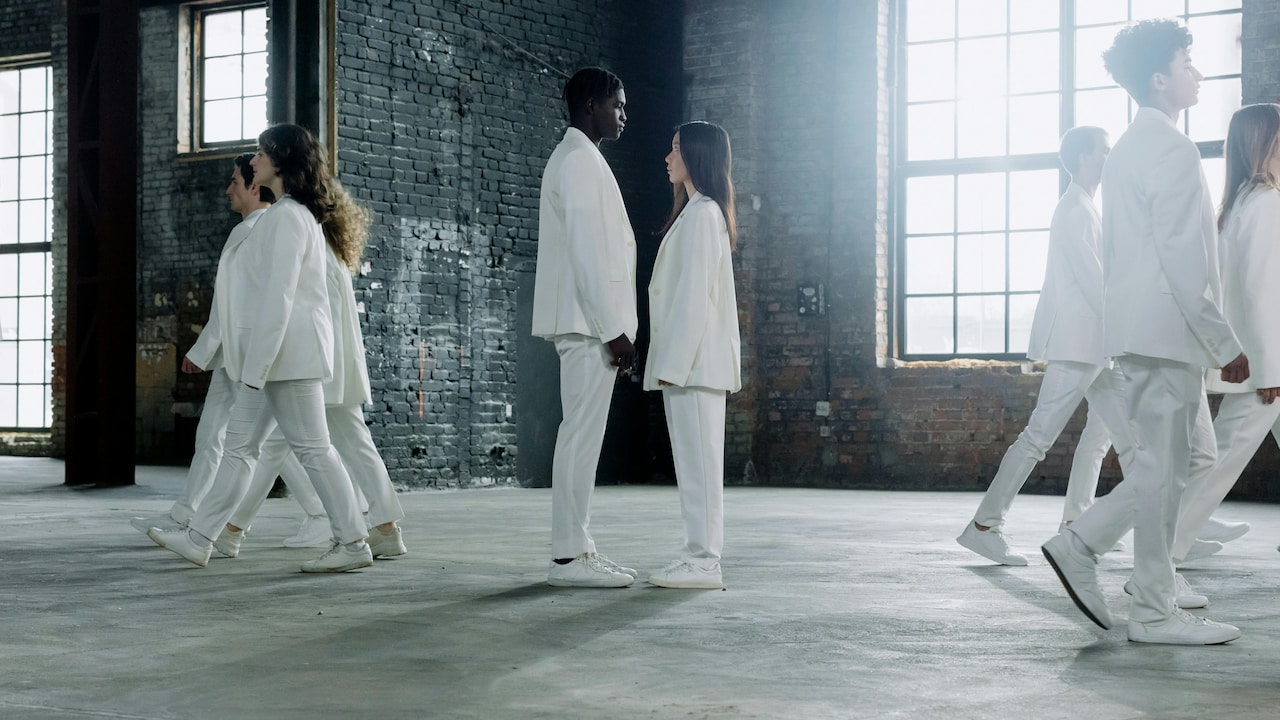
How To Choose Pants For Sitting Long Hours Comfortably
Photo Credit: Pexels
8. Pick The Right Cut For Your Day, Not Just Your Body
Comfort is not only about fit. It's also about what your day demands. Sitting for long hours at home needs a different kind of pants compared to sitting in an office with formal expectations.
For work-from-home, soft chinos, relaxed trousers, and stretch cotton pants are ideal. They look decent enough for a sudden video call but feel comfortable for long hours. For office settings, structured trousers with stretch offer a good balance. They hold shape while still allowing movement.
For long commutes, lighter fabric helps. Heavy trousers can feel suffocating on crowded transport. For coaching classes or long study sessions, comfort and breathability should win.
The best pants match the lifestyle. They should support movement, sitting, and unexpected errands. A good pair feels like it belongs in your routine, not like it needs special handling.
Style is important, but daily comfort is the real luxury.
9. Don't Ignore Temperature And Season, Your Legs Will Protest
Weather affects comfort more than people plan for. A pair of pants that feels perfect in December can feel unbearable in May. Long sitting makes this worse because the body generates heat, and the fabric traps it.
In warmer months, lighter cotton, linen blends, and breathable weaves feel better. Dark colours absorb more heat, which can make a noticeable difference during long hours. In cooler months, thicker cotton, twill, and soft wool blends can feel cosy without feeling heavy.
Air-conditioning changes the game too. Some offices feel like a freezer by afternoon, so ultra-thin fabric can become uncomfortable. The goal is balance: breathable but not flimsy, structured but not heavy.
Choosing pants without considering the weather is like ordering hot chai in peak summer just because it looks good in a cup. It might still happen, but consequences follow.
10. Shop Smart: Try Sitting Tests And Budget For Quality
The most practical tip is also the most overlooked: test pants while sitting before buying them. Stand, sit, walk, bend, and move. If you feel restricted in the trial room, you will feel worse at your desk. Pants should feel comfortable in the posture you spend most of your day in.
Also, budget wisely. Spending ₹1,500 to ₹3,500 on a good pair of trousers that lasts and feels comfortable often beats buying ₹700 pants that irritate you daily. That said, expensive doesn't always mean better. Focus on fabric quality, stitching, and fit.
Check the return policy when shopping online. Many people buy pants that look great on a model but feel wrong in real life. A return option saves money and frustration.
Comfort is not a luxury. It is a daily requirement. Pants that support long sitting hours quietly improve mood, confidence, and productivity.
Products Related To This Article
1. Blissclub Women Ultimate Straight Pants -Lite Regular Trousers
2. Bewakoof Women Monks Robe Brown Cotton Linen Pants
3. Mast & Harbour Women Wide Leg Pleated Korean Pants
4. Mast & Harbour Women Pleated Korean Pants
5. Zastraa Women Relaxed Flared High-Rise Pleated Korean Pants
Choosing pants for long sitting hours is less about fashion rules and more about practical kindness to your own body. Breathable fabric, a forgiving waistband, a stable rise, and a fit that respects thighs and movement can change how a workday feels. The right pair won't solve life's problems, but it will remove one daily annoyance from the list.
The best sitting pants feel effortless. They don't pinch, trap heat, or demand constant adjusting. They let you focus on work, conversations, and the occasional snack break without feeling like your clothes are fighting you.
A good chair helps, a good posture helps, but good pants? Good pants are the silent hero nobody thanks, until they wear the wrong pair and regret everything by afternoon.
(Disclaimer: This article may include references to or features of products and services made available through affiliate marketing campaigns. NDTV Convergence Limited (“NDTV”) strives to maintain editorial independence while participating in such campaigns. NDTV does not assume responsibility for the performance or claims of any featured products or services.)