How To Choose Sunglasses For Your Face Shape: A Simple Guide That Works
Find sunglasses that actually suit your face shape, features, and style. This guide breaks down the easiest ways to choose frames that flatter, fit well and feel comfortable every day.
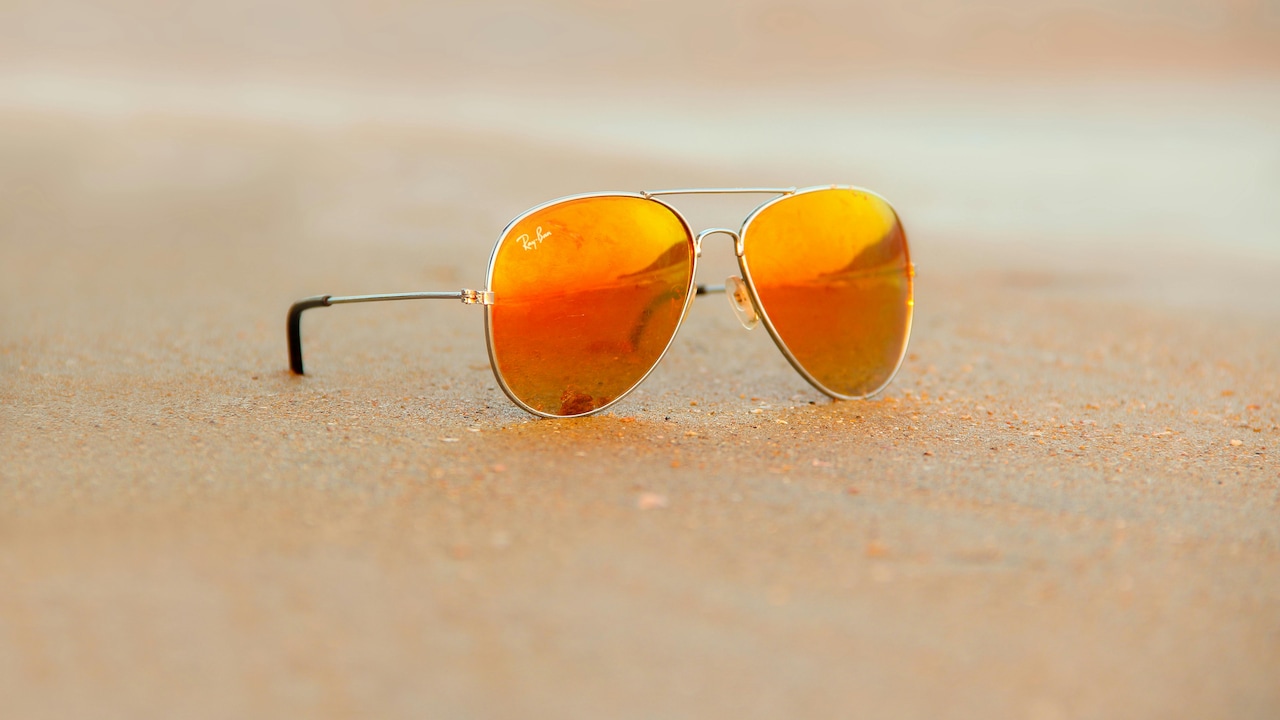
Know How To Find Sunglasses That Genuinely Suit Your Face Shape And Features.
Sunglasses shopping sounds simple until it isn't. One minute it's “Just pick something nice,” and the next minute the mirror is showing ten different versions of the same person: one looks like a movie star, one looks like a school PT teacher, and one looks like they're about to interrogate someone for unpaid electricity bills.
Most people don't actually struggle because they have a “bad face for sunglasses”. They struggle because they're trying random styles with no system. And because shops (and social media) often push trends that look good in photos, not in real life, not in harsh sunlight, and definitely not while sweating outside a metro station in May.
The good news is that finding sunglasses that suit the face isn't about rules. It's about balance. Once the basics click, choosing frames becomes weirdly easy, and even fun. The kind of fun where the right pair makes someone say, “Oh, these look like they were made for you.”
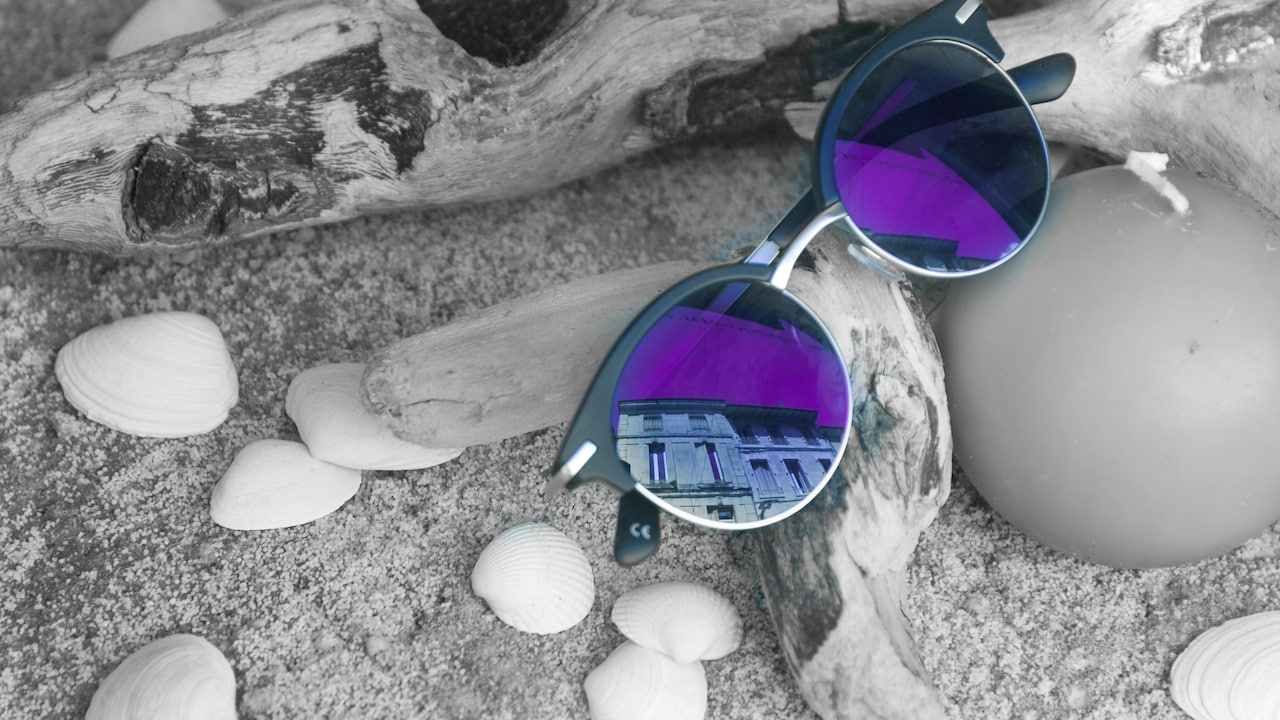
How To Find Sunglasses That Genuinely Suit Your Face Shape And Features
Photo Credit: Pexels
10 Easy Ways To Pick Sunglasses That Truly Flatter You
1. Start With Face Shape, But Don't Treat It Like A Horoscope
Face shape is a useful starting point, not a final verdict. The goal is not to “fix” anything. The goal is to create balance and highlight features that already look good.
A quick way to get the face shape right is to look at the widest part of the face. If the cheekbones are widest and the jaw is softer, it often leans oval. If the jaw is strong and the forehead, cheeks, and jawline are similar in width, it leans square. If the face is longer than it is wide, it leans rectangular. If the cheeks are fuller with a softer jaw, it leans round. If the forehead is wider and the jaw is narrower, it leans heart-shaped.
Now the important part: many faces don't fit neatly into one box. And that's normal. Faces are not geometry homework.
So use face shape as a map, not a prison. If a style “shouldn't” work but looks great, that's the mirror winning over the rulebook. Trends come and go, but the mirror is brutally honest and strangely wise.
2. Use The “Opposites Create Balance” Trick
A simple principle helps in almost every case: frames that contrast the face shape tend to flatter it.
Round faces usually look sharper with angular frames. Square faces often look smoother with rounded or oval frames. Heart-shaped faces tend to love frames that add a bit of width lower down, so the face looks more balanced. Rectangular faces often benefit from taller lenses or slightly oversized frames that break up the length.
This doesn't mean someone with a round face can't wear round frames. It means round-on-round can sometimes make the face look even rounder if that's the vibe, great. If not, contrast helps.
Think of it like seasoning. Too much of the same flavour becomes boring. A little contrast makes everything pop.
This trick also saves time while shopping. Instead of trying thirty pairs and feeling confused, narrow it down to styles that bring balance. It turns sunglasses shopping from a chaotic treasure hunt into a more focused search. Less stress, fewer awkward selfies, and fewer “Why did this look good in the store but terrible at home?” moments.
3. Let Your Eyebrows Lead The Conversation
Eyebrows do a lot of heavy lifting in how sunglasses look. They shape expressions, define the upper face, and basically set the mood. The best sunglasses don't fight the eyebrows. They work with them.
A common mistake is choosing frames that slice straight through the eyebrows or sit awkwardly above them. The most flattering frames usually follow the brow line in some way, even if subtly. The top rim should either mirror the curve of the brows or sit just below them without hiding them completely.
For thicker brows, frames with a bit of structure often look polished. For softer brows, overly heavy frames can dominate the face, unless that bold look is the goal.
Also, eyebrow visibility matters for expressions. Sunglasses that hide the brows completely can make the face look blank or stern, even when someone is in a great mood. That might sound dramatic, but it's real. Some frames accidentally give “Do not talk to me” energy.
A good pair lets the face still feel like a face, not a disguise.
4. Pay Attention To The Nose Bridge Like It's The Main Character
Most people blame the lens shape when sunglasses look odd. Often, the real culprit is the nose bridge.
If sunglasses keep sliding down, pinch, leave marks, or sit too high, it ruins the whole look. Comfort matters, but so does how the frame sits on the face. A pair that fits the nose bridge properly looks more expensive, even if it costs ₹999.
For narrower bridges, low-bridge-fit frames or adjustable nose pads are a blessing. Many classic styles sit too wide and slide, especially when it gets humid. For higher bridges, certain frames can sit too high and make the face look crowded.
A helpful test is to move the head slightly side to side. If the sunglasses wobble like a loose ceiling fan, it's a bad fit. If they sit steady without gripping too hard, that's a win.
The nose bridge also affects proportions. When the frame sits correctly, the lenses align better with the eyes, which makes the entire face look more balanced and natural.
5. Match Frame Width To Your Face, Not To The Trend
Oversized sunglasses look glamorous. They also look ridiculous if the frame is wider than the face in a way that overwhelms it. On the other hand, frames that are too narrow can make the face look wider, and the sunglasses look like they were borrowed from a younger cousin.
A good rule is that the frame should roughly align with the widest part of the face, usually the cheekbones. The edges should not dramatically extend beyond the face unless that's a deliberate fashion statement.
Also, pay attention to the temples. If they press into the sides of the head, it's not just uncomfortable. It can also create that squeezed look where the sunglasses appear too small. If there's a big gap near the temples, the pair may look like it's floating.
Trends often push extremes: micro sunglasses one season, giant bug-eye frames the next. A balanced width is timeless and far easier to wear daily, whether it's a commute, a long drive, or just stepping out for chai.
A frame that fits well looks confident. A frame that doesn't fit looks like it's trying too hard.
6. Choose Lens Shape Based On Your Features, Not Just Face Shape
Face shape matters, but facial features matter just as much. Two people with the same face shape can look completely different in the same sunglasses.
For softer features, sharp geometric frames can add definition. For sharper features, very angular frames can sometimes look harsh, while rounded lenses soften the look.
Eye spacing also matters. If the eyes are closer together, frames with a slightly wider bridge can create the illusion of more space. If the eyes are wider apart, a narrower bridge can bring balance.
Cheekbone height matters too. Some frames sit too low and bump into the cheeks when smiling. That's not only annoying but also makes the sunglasses look awkward in photos. If a smile makes the frames lift like they're trying to escape, the lens height or shape is probably wrong.
A great pair should sit comfortably even when laughing, talking, and living life. Sunglasses are not meant to be worn only for a still selfie. They're meant for real faces doing real things.
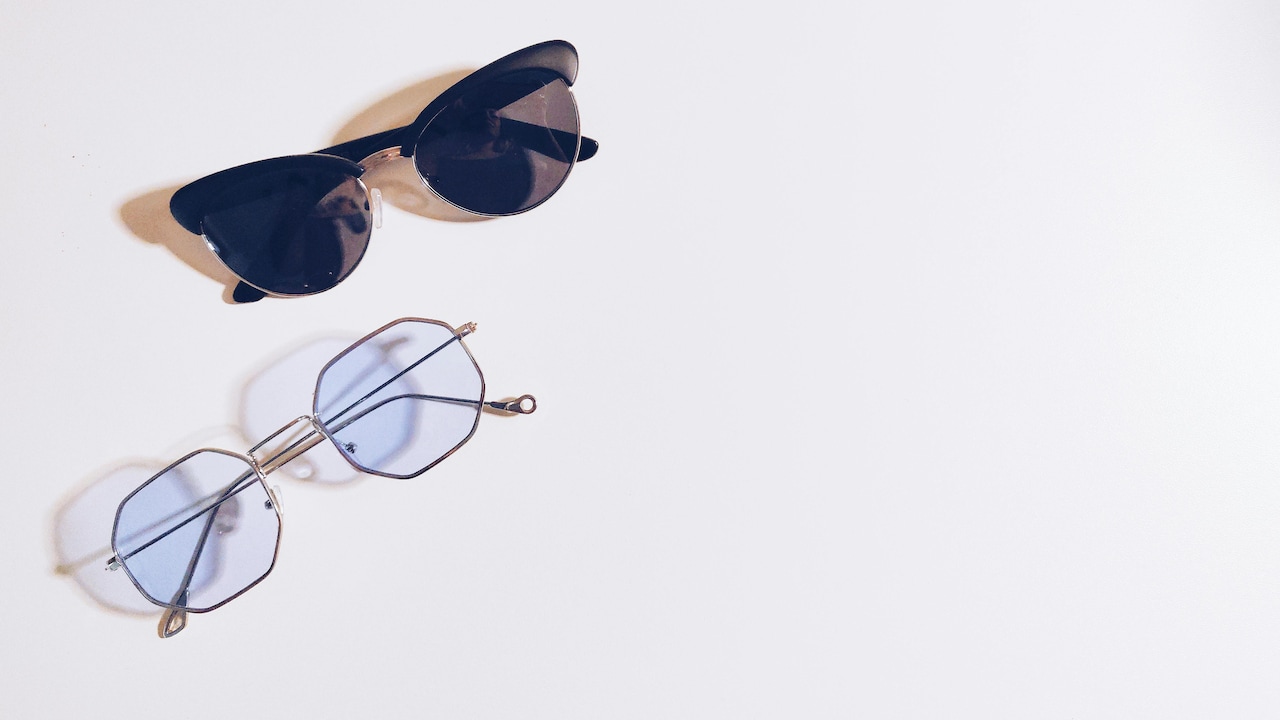
How To Find Sunglasses That Genuinely Suit Your Face Shape And Features
Photo Credit: Pexels
7. Understand What Frame Colour Does To Your Face
Most people pick frame colour based on what looks nice on the shelf. But the best frame colour is the one that works with skin tone, undertone, and hair colour.
Warmer undertones often glow with tortoiseshell, honey browns, gold accents, and warm greens. Cooler undertones often look crisp with black, silver, grey, deep blues, and clear frames. Neutral undertones can get away with almost anything, which is unfair but wonderful.
Also consider contrast. A high-contrast look (like black frames on a lighter complexion) can look bold and stylish. A low-contrast look (like soft browns or translucent frames) can look elegant and easy.
And yes, colour affects mood. A black frame can feel serious and sharp. A clear frame feels modern. A tortoiseshell frame feels classic. A bright colour feels playful, but can also feel harder to pair with outfits.
The best approach is to pick one “daily driver” colour and one “fun” colour. That way, there's a safe option for everyday errands and a statement option for weekends.
8. Don't Ignore The Frame Thickness And Material
Frame thickness is one of the most overlooked details, yet it changes everything.
Thick frames look bold and trendy, but they can overpower smaller faces or softer features. Thin metal frames look sleek and light, but they can sometimes disappear on the face or feel too delicate for certain styles.
Acetate frames often look richer and more substantial, while metal frames often look sharper and cleaner. Rimless styles feel minimal, but they can also look dated depending on the design.
Material also affects comfort in hot weather. Some plastics feel sticky after a while. Some metals heat up quickly. Some nose pads turn into tiny torture devices after an hour.
Also, quality matters more than people admit. A ₹700 pair that pinches, creaks, and slides will not get worn. A ₹1,800 pair that fits beautifully will become a daily habit. Sunglasses are one of those accessories where comfort quietly decides everything.
If the frame feels annoying in the shop, it will feel unbearable outside.
9. Make Sure The Sunglasses Match Your Lifestyle, Not Just Your Outfit
A pair that looks stunning at a café might not survive a daily commute. And a pair that works perfectly for driving might not feel right for a wedding function.
For daily wear, lightweight frames and neutral colours tend to work best. For driving, polarised lenses reduce glare and eye strain. For outdoor sports, wraparound styles can be practical, but they don't suit everyone aesthetically.
Also, think about how sunglasses interact with other things. If someone wears a helmet often, chunky temples can cause pressure. If someone wears makeup regularly, oversized frames can smudge. If someone is always on video calls, certain lens tints can make the eyes look odd when the sunglasses are pushed up on the head.
And yes, people do push sunglasses up on their head. It happens. A lot. So the frame should not feel like it's biting into the scalp.
The best sunglasses don't demand a lifestyle change. They fit into the one already being lived.
10. Try Them Like A Real Person, Not Like A Mannequin
Most people try on sunglasses standing stiff in front of a mirror. That's not how sunglasses are worn in real life.
A better test is to move. Smile. Talk. Turn the head. Look down like reading a phone. Look up like scanning a street sign. Step outside if possible. Indoor lighting lies.
Check if the sunglasses slip when the face moves. Check if they hit the cheeks while smiling. Check if the temples hurt after a few minutes. Check if the lenses distort vision at the edges.
Also, check the “vibe”. This part sounds silly, but it matters. Some sunglasses make a face look friendly. Some make it look intense. Some make it look stylish. Some make it look like a celebrity in hiding.
The right pair should feel like an upgrade, not a costume. It should make someone stand a little straighter, not second-guess their reflection.
And if a pair makes someone grin the moment they put it on, that's usually the one.
Products Related To This Article
1. Voyage Unisex Black Lens Oval Sunglasses with UV Protected Lens
2. Espee Women Grey Lens & Black Butterfly Sunglasses with UV Protected Lens
3. HRX by Hrithik Roshan Unisex Polarised Square Sunglasses
4. Vincent Chase by Lenskart Women Round Sunglasses With UV Protected Lens
5. H&M Oval Sunglasses
6. MANGO Women Square Sunglasses with UV Protected Lens
7. ROYALTAIL Unisex Oval Sunglasses with UV Protected Lens RT-SUNG
Sunglasses are not just about protecting eyes from harsh sunlight. They're also about how a face feels in the world, more confident, more comfortable, more like itself.
The secret is not chasing the most popular frame or copying what looks good on someone else. The secret is understanding balance: face shape, eyebrows, nose bridge, frame width, lens shape, and colour. Once those pieces fall into place, the right pair stops feeling like a gamble.
A great pair of sunglasses should do three things: fit well, flatter the face, and suit daily life. When all three happen together, the mirror stops being confusing and starts being fun.
And suddenly, stepping out in the sun feels less like squinting through chaos and more like walking into the day with a little extra style, and a lot less effort.
(Disclaimer: This article may include references to or features of products and services made available through affiliate marketing campaigns. NDTV Convergence Limited (“NDTV”) strives to maintain editorial independence while participating in such campaigns. NDTV does not assume responsibility for the performance or claims of any featured products or services.)