How To Choose The Best Footwear For Flat Feet Without Sacrificing Style
Flat feet can ruin your day fast. Discover stylish arch-support footwear that eases pain without looking orthopaedic, perfect for work, travel, and everyday wear.
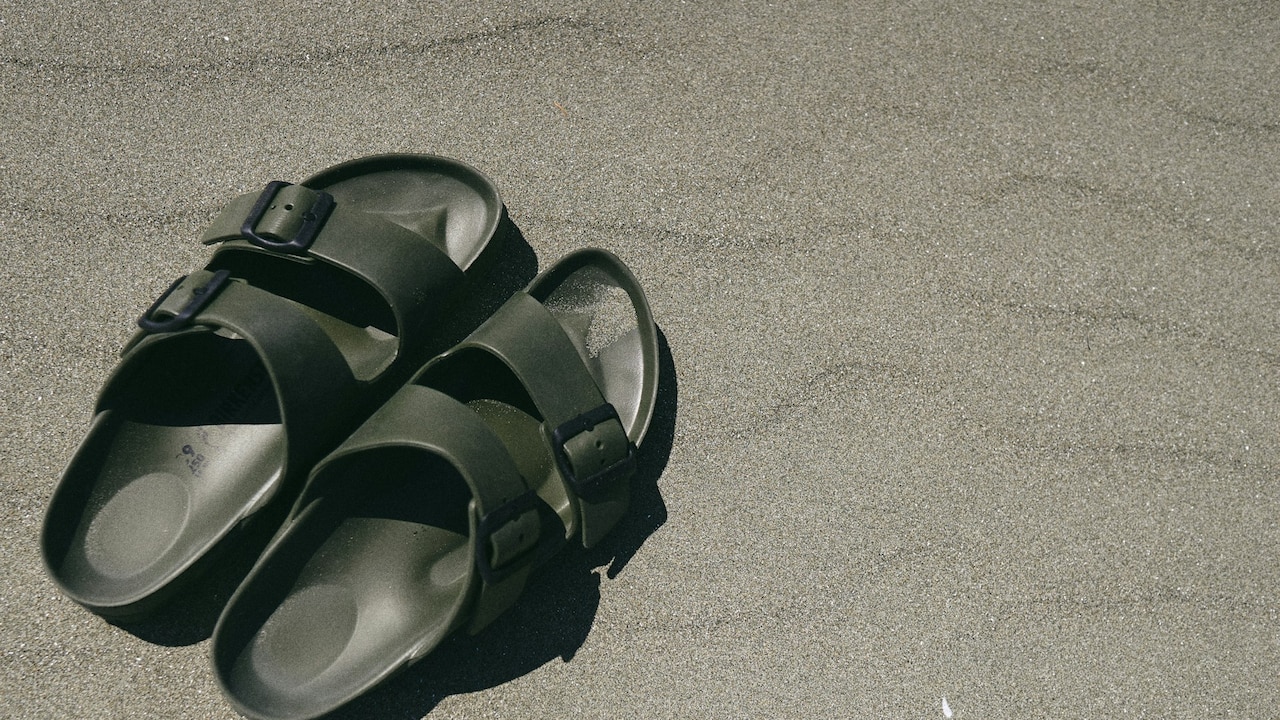
Give your arched feet the support they deserve with these footwear shopping tips.
Flat feet are one of those things people joke about until the pain shows up. Then it stops being funny. Suddenly, standing in a queue feels like a punishment. A simple walk around the market becomes a test of patience. And that one friend who says, “Just wear any sports shoes yaar,” starts sounding suspiciously unhelpful.
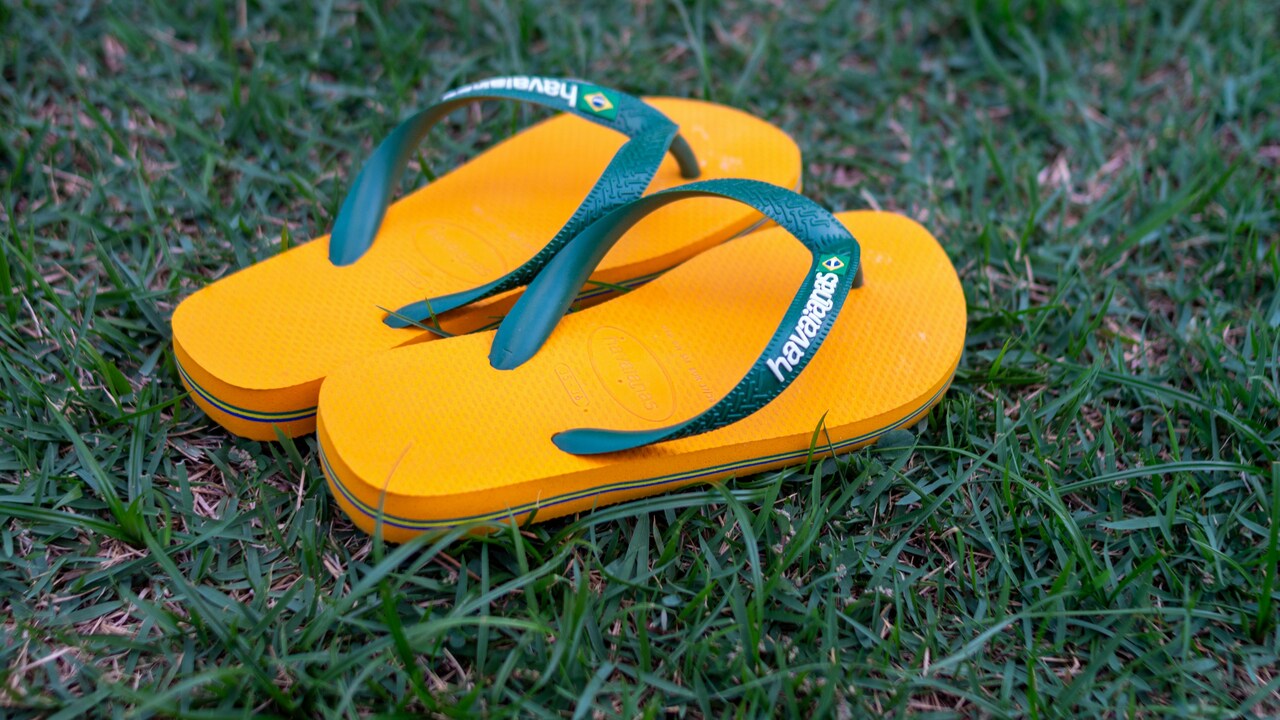
Try these shopping tips to choose comfortable footwear for arched feet; Photo Credit: Pexels
The challenge is not only comfort. It's also an appearance. Many people avoid arch-support footwear because it looks bulky, medical, or weirdly “aunty-coded”. And honestly, that fear used to be fair. Old-school supportive footwear often looked like it belonged in a physiotherapy clinic.
Now, things are different. Brands have finally understood that people want shoes that do two jobs: reduce pain and look good. You can find supportive sneakers, sandals, loafers, and even office-friendly flats that don't scream “foot problem”.
Flat feet don't need a fashion funeral. They just need smarter footwear choices.
Also Read: Top 5 Comfortable And Stylish Shoes For Flat Feet You Will Love Wearing Every Day
What Flat Feet Really Need From Footwear
1. Why Flat Feet Feel Fine, Until They Don't
Flat feet can be quiet for years. Many people don't even realise their arches are low until something changes. Maybe work becomes more standing-heavy. Maybe a new fitness phase begins. Maybe the body simply hits a point where it refuses to ignore discomfort.
The tricky part is that flat feet don't always hurt in the middle of the foot. Pain often shows up in the heel, the inner ankle, the knees, or even the lower back. It feels unfair, like the feet are quietly causing chaos across the whole body.
In daily life, the signs look small but add up fast. Shoes wear out unevenly. Ankles feel wobbly on uneven roads. Legs feel tired earlier than expected. After a long day, the feet feel hot and sore, as if they've been carrying extra weight.
Supportive footwear matters because it changes how pressure spreads through the foot. It helps the arch do some of its natural job again. And when the feet behave better, the rest of the body usually calms down too.
2. The “Cute But Painful” Footwear Trap
There's a special kind of disappointment that comes from buying beautiful footwear and realising it hurts after twenty minutes. It starts with excitement, then mild discomfort, then the slow acceptance that this purchase has become an emotional mistake.
Flat feet often suffer more in trendy, flat, thin-soled footwear. The sole may look sleek, but it offers no structure. The foot collapses inward, the ankles roll slightly, and the body starts compensating in ways that feel exhausting.
This happens a lot with cheap ballerina flats, hard Kolhapuris with zero cushioning, and those fashionable sliders with a stiff base. They look great in photos and terrible in real life. The pain also builds gradually, so people blame themselves instead of the shoe. “Maybe the feet just need to adjust,” becomes the lie repeated for three weeks.
Supportive footwear doesn't have to look boring, but it does need to respect how the foot moves. Style should never come with a side of tendon strain.
3. What Arch Support Actually Means (And What It Doesn't)
Arch support has become a buzzword. Some brands slap it on a label the way cafés slap “artisan” on toast. But real arch support is not just a bump in the insole. It's a system.
Good arch support helps the foot stay aligned. It prevents the arch from collapsing fully and reduces stress on the plantar fascia, the band of tissue that often causes heel pain. It also supports the heel and helps distribute body weight more evenly.
But arch support should not feel like stepping on a rock. If it hurts immediately, it's either the wrong shape, too aggressive, or badly placed for your foot. Comfort should feel like gentle guidance, not punishment.
Also, arch support alone is not enough. A supportive shoe also needs heel stability, decent cushioning, and a sole that doesn't twist like a paper plate. Think of it as a good chair. A soft chair without back support is still a bad chair. Same logic, but for your feet.
4. The Sneaker Advantage: Support Without Looking Like Support
Sneakers are the easiest entry point into arch-support footwear because they naturally hide structure. A well-designed sneaker can include arch support, cushioning, and heel stability without looking medical.
For flat feet, a supportive sneaker usually has a firm midsole, a stable heel counter, and enough width to let the toes sit comfortably. It also has a shape that prevents the foot from collapsing inward too much. Some running shoes do this beautifully, but not all. Plenty of “soft” sneakers feel like walking on marshmallows, which sounds nice until the feet start sinking and straining.
The best part is that sneakers now work with almost everything. They pair with jeans, kurtas, dresses, and even office casual looks. People no longer assume sneakers mean laziness. They assume practicality. And practicality is fashionable now.
A good pair might cost ₹3,000–₹8,000, but it can save months of foot discomfort. That's a solid trade.
5. Sandals That Support Without Killing The Vibe
Sandals are where flat feet often suffer most, especially in hot weather. People want open footwear, but most open footwear offers zero support. It's either flat, floppy, or made with a hard base that hits the foot like a plank.
The solution is not ugly orthopaedic sandals. The solution is structured hidden in design. Look for sandals with contoured footbeds, a supportive arch curve, and straps that hold the foot securely. A sandal that slides around forces the toes to grip constantly, which leads to fatigue. That gripping also makes the foot work harder, which defeats the whole point.
The best supportive sandals feel stable. The foot sits “in” them rather than “on” them. And thankfully, many modern brands offer styles that look clean and minimal, not like something meant for a medical brochure.
Supportive sandals are a gift during travel. They make airport walks and sightseeing feel normal again, instead of a slow battle against aching soles.
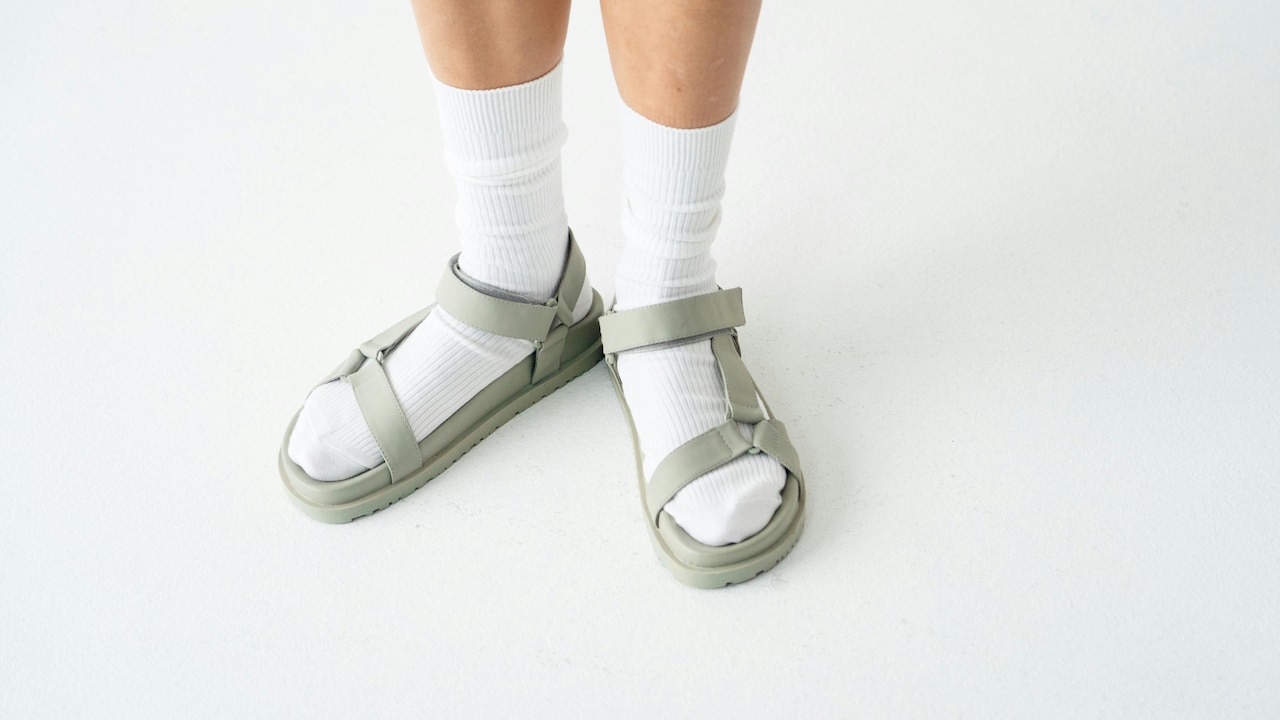
Always consider sandals with contoured footbeds, a supportive arch curve, and durable straps; Photo Credit: Pexels
6. Office-Friendly Footwear That Won't Ruin Your Day
Work shoes are a common source of misery for flat feet. Many office styles look polished but feel punishing. Narrow toes, stiff soles, and thin footbeds create the perfect recipe for end-of-day foot pain.
For formal settings, supportive loafers and low-heel shoes often work better than completely flat options. A slight heel can reduce strain on the Achilles tendon and plantar fascia, but only if the heel is stable and not too high. The goal is balance, not drama.
Look for shoes with a supportive insole, enough depth to accommodate the foot comfortably, and a firm sole that doesn't bend in half. If a shoe folds like a chapati, it won't support a flat foot. It will simply follow the collapse.
A clean loafer in neutral shades can look sharp while quietly doing the hard work. And yes, supportive shoes can still look premium. The trick is choosing construction over decoration.
7. The Hidden Villain: Cheap Foam And Fake Cushioning
Many people think flat feet need “soft” shoes. That sounds logical, but it's not always true. Cheap foam can make flat feet worse. It compresses quickly, loses shape, and offers no guidance to the foot. The foot sinks, the arch collapses, and the body ends up working harder to stay stable.
This is why some budget footwear feels comfortable in the shop and unbearable after a week. The cushioning disappears faster than weekend plans during monsoon season.
Good cushioning supports without collapsing. It absorbs shock but keeps the foot aligned. It also rebounds rather than flattening permanently. The difference is subtle at first, but huge over time.
A supportive shoe should feel stable even when the body weight shifts. If it feels squishy, wobbly, or unstable, it may be cushioning without support. That's like having a pillow as a mattress. Soft, yes. Helpful, no.
8. Insoles: The Cheat Code For Making Any Shoe Better
Insoles can be a game-changer, especially for people who already own shoes they love. A well-designed arch-support insole can transform a decent shoe into a supportive one.
But insoles are not magic stickers. They need the right shoe base. If the shoe is too narrow, too shallow, or too flimsy, the insole will either not fit or will make the shoe uncomfortable. Also, the insole should match your arch shape. Some are designed for low arches, others for high arches. Using the wrong one can create new pain.
The best part? Insoles allow flexibility. You can move them between sneakers, work shoes, and travel footwear. It's like carrying your comfort with you, instead of hoping each shoe behaves.
Good insoles can cost ₹800–₹3,500. That may sound steep, but compared to constant pain and repeated bad purchases, it's often the smarter investment.
9. How To Spot A Supportive Shoe In Ten Seconds
A supportive shoe has a certain feel. It doesn't flop. It doesn't twist easily. It doesn't feel like a thin layer of rubber pretending to be footwear.
A quick test is to hold the shoe and try to bend it. It should bend slightly at the front where the toes move, not in the middle like a soft biscuit. Another test is twisting. A supportive shoe resists twisting because the midfoot needs stability.
Also, check the heel. A stable heel counter keeps the foot aligned. If the heel area collapses when pressed, the shoe won't guide the foot properly.
Inside, look for a contoured footbed. Flat feet often benefit from a gentle arch curve and a heel cup. And the toe box matters more than people think. Toes need space. If the toes feel squeezed, the foot loses its natural balance.
These quick checks save money, time, and regret. And they reduce the chances of buying yet another pair that looks great but feels like betrayal.
10. Building A Flat-Feet Friendly Lifestyle Without Overthinking It
Supportive footwear helps, but daily habits also matter. Flat feet often feel worse when people stand for long hours without breaks, walk on hard floors barefoot, or wear unsupportive slippers at home.
Many households rely on thin chappals indoors. They feel convenient, but they offer no support. Over time, the feet never get a break. A supportive house slipper can make a surprising difference, especially for people who cook, clean, or work from home.
Walking is still good for flat feet, but the body needs the right foundation. A supportive shoe makes walking feel lighter. It also reduces the after-effects, like heel pain the next morning.
Strengthening helps too, especially calf stretches and foot strengthening exercises. But footwear is the daily tool. It's the thing used for every errand, every commute, every wedding function, every “just one quick run outside”.
Comfort should not feel like a luxury. It should feel normal.
Products Related To This Article
1. DOCTOR HEALTH SUPER SOFT Women Black Punctured Footbed Orthopedic Slip-On Flip Flops
2. SHAPECRUNCH Women Arch Support Shoes - Soft Sole Orthopedic For Walking & Running
3. VENDOZ Orthopedic Open Toe Flats
4. Aadi Men's EXTRA SOFT Ortho Care Orthopedic Flat Super Comfort Flipflops and Slippers
5. DOCTOR HEALTH SUPER SOFT Women Anti Skid Orthopedic Lightweight Sliders
6. Luvfeet Ortho Care Diabetic & Orthopedic Cushion Footbed Doctor Sandal
7. Luvfeet Diabetic & Orthopedic Platform Heel Sandals
Flat feet don't have to control your day. They don't have to turn outings into endurance tests or make you dread long walks. And they definitely don't have to force you into ugly footwear that kills your personal style.
Arch-support footwear has evolved. Support can look sleek. It can look modern. It can even look cool. The key is choosing shoes that offer real structure: stable soles, proper heel support, and a footbed that respects your arch instead of ignoring it.
The best part is what happens after. The body feels less tired. The mood improves. Walking stops feeling like a chore. And those small everyday moments, standing in a queue, strolling through a market, running for the metro, start feeling normal again. Flat feet are common. The pain doesn't need to be.
(Disclaimer: This article may include references to or features of products and services made available through affiliate marketing campaigns. NDTV Convergence Limited (“NDTV”) strives to maintain editorial independence while participating in such campaigns. NDTV does not assume responsibility for the performance or claims of any featured products or services.)