How To Choose Footwear Built For Long Standing Hours, Not Just Looking Good
Standing all day demands more than stylish shoes. Learn how to choose footwear that supports your feet, reduces fatigue, and keeps you comfortable through long working hours without sacrificing everyday style.
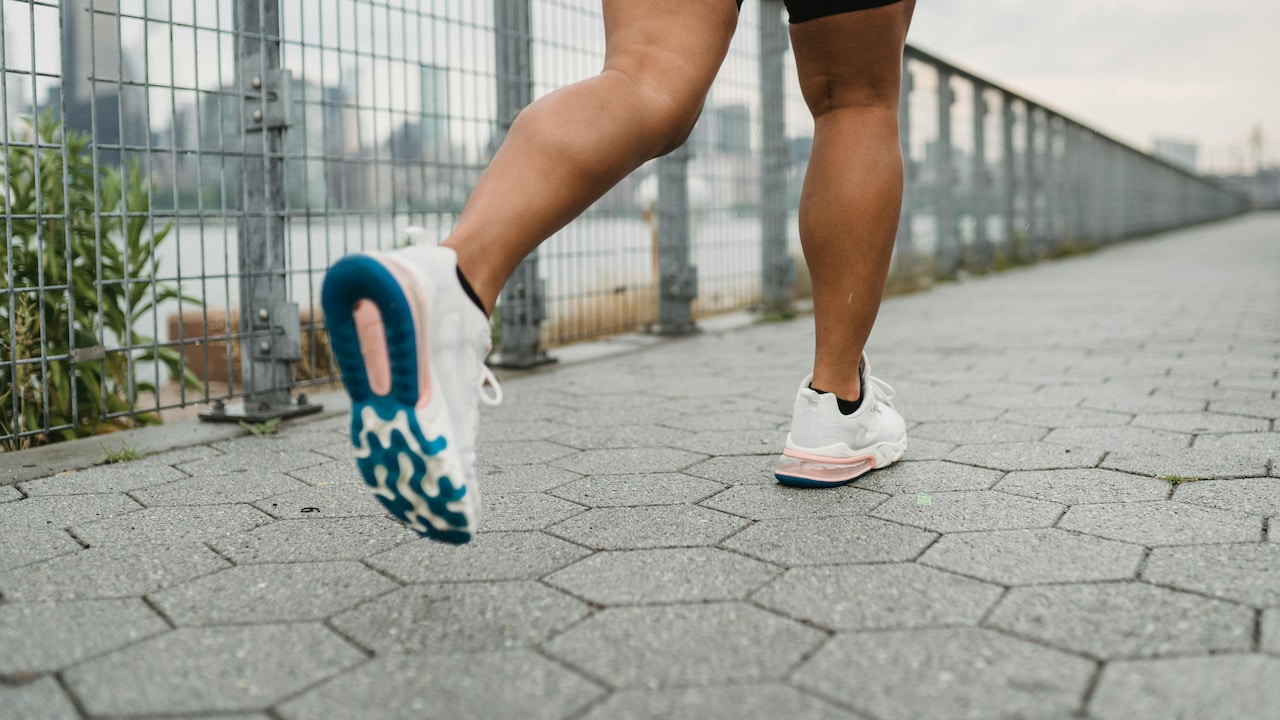
Best Shoes For Long Standing Hours: What To Look For Before You Buy
A good pair of shoes often earns attention for the way it looks. Shiny leather, trendy designs, and brand names easily grab the spotlight in shop displays. Yet for many people whose work involves standing for hours, appearance becomes secondary after the first painful shift. Anyone who has spent an entire day behind a counter, supervising a school assembly, or attending a wedding that refuses to end understands the silent battle between fashion and comfort. Footwear designed only for style tends to ignore the realities of long hours on hard floors. The feet absorb the body's entire weight, often for eight to ten hours a day. Without proper support, fatigue creeps into the ankles, knees, and even the lower back. Over time, poor footwear choices can cause chronic pain, posture issues, and reduced productivity.
Fortunately, selecting the right footwear does not require complicated medical knowledge or expensive imports. Many reliable options exist across local markets and well-known fashion brands. The trick lies in recognising what truly matters: cushioning, structure, durability, and the right fit. A pair of shoes meant for long standing hours works almost like silent equipment. It protects the body, stabilises posture, and quietly absorbs the stress of everyday movement. Understanding how to identify such footwear helps prevent discomfort and keeps long working days manageable.
The following guide explores ten essential factors to consider before buying shoes meant for extended standing. These insights go beyond glossy shop displays and focus on practical details that truly support the feet.
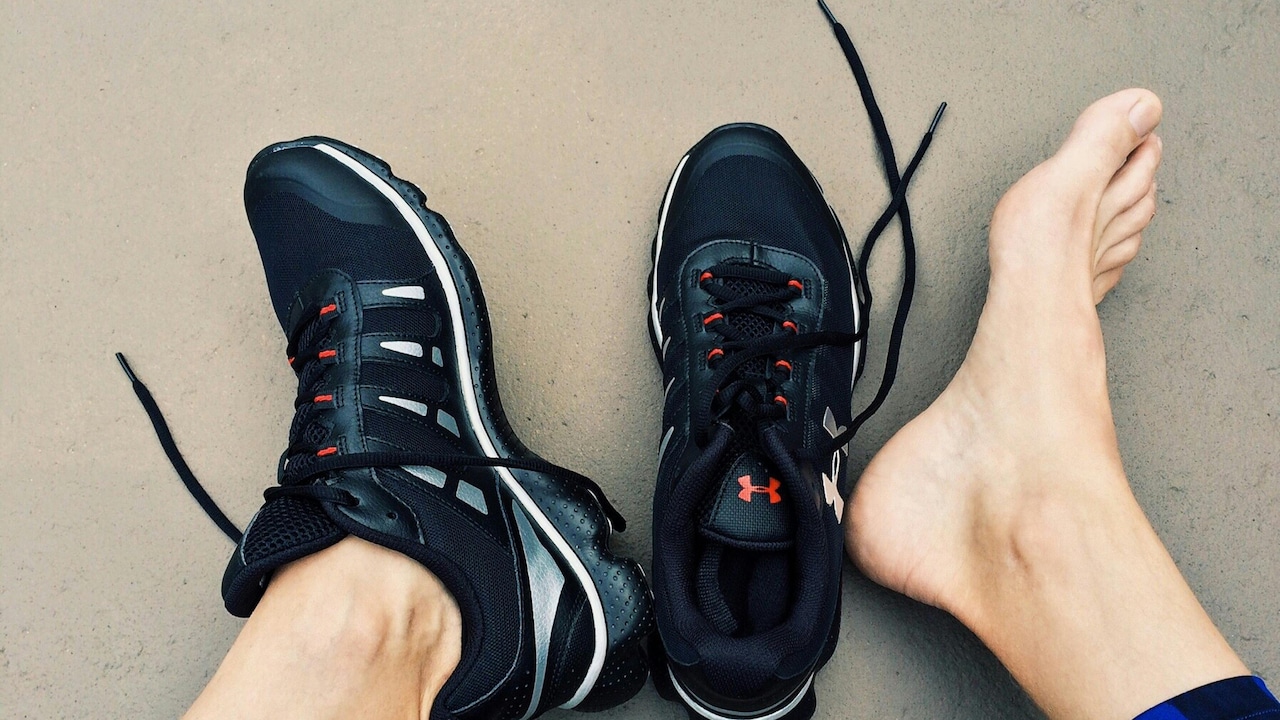
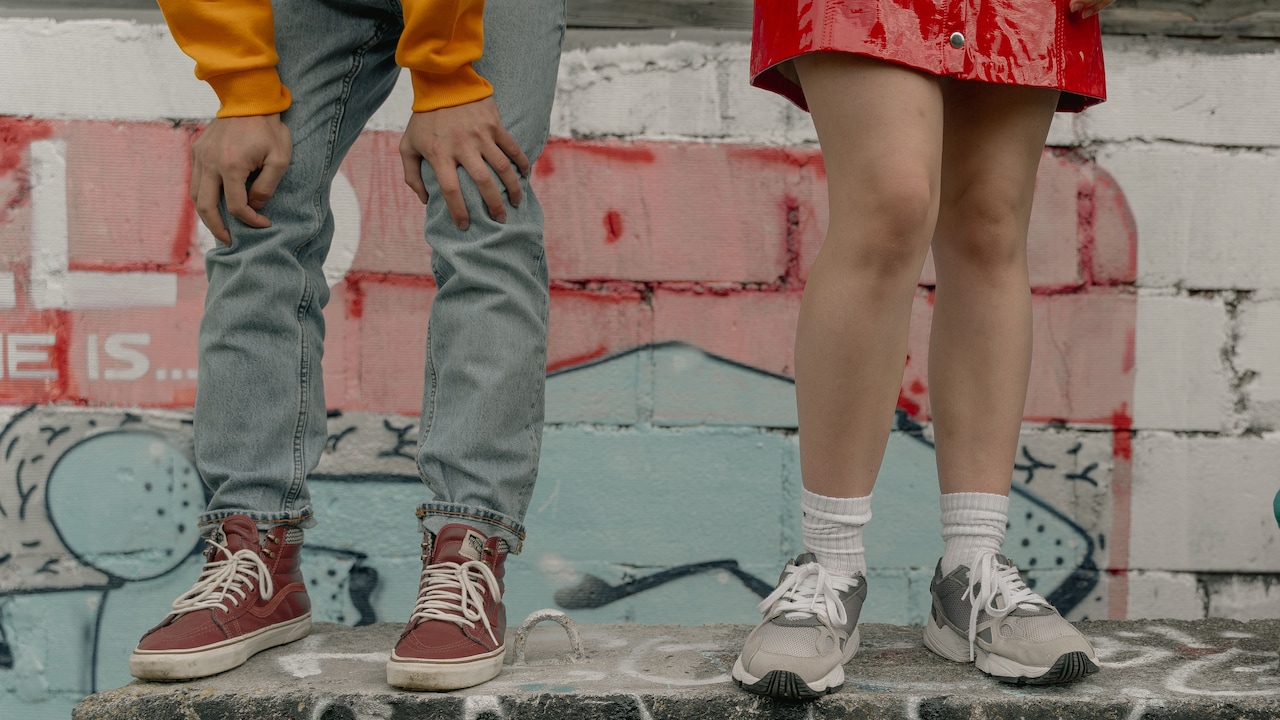
Best Shoes For Long Standing Hours: What To Look For Before You Buy; Photo Credit: Pexels
Key Features That Make Footwear Suitable For Long Standing Hours
Arch Support Matters More Than Appearance
Many people choose shoes based on colour, brand reputation, or current trends. Unfortunately, none of these features protects the feet during long standing hours. Proper arch support plays a far more important role.
The arch acts like a natural shock absorber for the body. Without adequate support, the foot flattens under pressure. This strain slowly travels upward, affecting ankles, knees, and even the lower back. After several hours of standing, the result often appears as dull aches that refuse to disappear.
Shoes designed for long wear include built-in arch support that stabilises the foot's natural shape. This support helps distribute weight evenly rather than concentrating pressure on a single point. Many modern designs include contoured insoles that gently follow the curve of the foot.
A quick test often reveals whether a shoe offers proper support. When pressing the sole with the thumb, a structured shoe feels firm through the arch area rather than collapsing easily. Flexible shoes may look sleek, but they rarely provide long-term comfort.
Investing in proper arch support may cost slightly more, perhaps ₹800 or ₹1,500 above a basic pair, but the difference becomes obvious after a full day on the feet.
Cushioning Reduces Daily Fatigue
Standing on hard floors feels very different from walking across grass or sand. Most workplaces feature tiles, concrete, or polished surfaces that offer no natural shock absorption. Without cushioning, every small movement places repeated stress on the feet.
Good footwear compensates for this by adding layers of cushioning inside the sole. Materials such as memory foam, EVA foam, or gel inserts absorb impact and soften the pressure created by body weight. The effect may seem subtle at first, yet after several hours, it becomes the difference between comfort and exhaustion.
Consider the experience of someone working a retail shift during a festive sale. Customers arrive in waves, queues stretch across the shop floor, and breaks become rare. In such moments, cushioned footwear quietly protects the feet from constant stress.
However, cushioning should feel balanced rather than overly soft. Extremely soft soles flatten quickly and lose support. A moderate, resilient cushioning layer works best because it absorbs pressure while maintaining structure.
When trying on footwear in a shop, stand still for several minutes rather than walking immediately. That brief pause often reveals whether the cushioning truly supports prolonged standing.
Also Read: 7 Leather Shoes That Stay Stylish For Years, Not Just One Season, And Never Look Overworn
Breathable Materials Prevent Discomfort
Heat and humidity can turn uncomfortable footwear into a serious irritation. Shoes that trap moisture create sweaty feet, unpleasant odours, and even skin irritation after long hours.
Breathable materials solve this problem by allowing air circulation around the foot. Fabrics such as mesh, perforated leather, or moisture-wicking linings help regulate temperature and keep feet dry throughout the day.
Imagine standing in a crowded metro train during peak evening hours while wearing shoes that trap heat. The discomfort grows quickly. Breathable footwear reduces that problem significantly.
Natural leather remains one of the best materials for breathability, provided it includes small perforations or flexible panels. Modern sports footwear also uses mesh fabrics that allow excellent airflow while maintaining durability.
Breathable shoes often feel lighter and fresher even after a long day. This small detail greatly improves overall comfort. While the design may appear simple, airflow plays a crucial role in keeping feet healthy during extended wear.
For anyone spending hours in motion or standing indoors under bright lights, breathable footwear makes an immediate difference.
Proper Fit Prevents Hidden Strain
Many shoppers choose shoes slightly tighter or looser than their true size without realising the long-term impact. A poor fit quietly creates pressure points that worsen with every hour of standing.
Shoes that feel too tight restrict circulation and squeeze the toes. On the other hand, loose footwear forces the foot to grip the sole while standing. Both situations cause fatigue and discomfort.
A proper fit allows the toes to move freely while the heel stays secure. The front portion of the shoe should provide roughly half a centimetre of extra space. This gap accommodates natural swelling that occurs after several hours on the feet.
Trying footwear in the evening often provides the most accurate result. Feet tend to expand slightly during the day, so evening trials mimic real working conditions better.
Walking around the shop also helps identify hidden pressure points. Even a minor pinch at the beginning may turn painful after several hours.
A well-fitting pair of shoes often feels unremarkable at first. That quiet comfort becomes its greatest strength during long days.
Strong Soles Provide Stability
The sole of a shoe determines how effectively it supports the body during prolonged standing. Thin soles may look sleek and fashionable, but they rarely offer adequate stability.
Shoes built for endurance feature thick, structured soles that distribute body weight evenly. Rubber or polyurethane materials often provide excellent grip while maintaining durability.
Consider workplaces where slippery floors pose risks, such as kitchens, hospitals, or crowded shopping centres. Strong soles prevent sudden slips and maintain stability during constant movement.
Another advantage involves shock absorption. Structured soles absorb repeated impact far better than thin designs. This reduces strain on joints and muscles throughout the day.
Flexibility still matters, but only in the front portion of the shoe where natural walking motion occurs. The midsection should remain firm to support the arch.
When testing footwear, bending the shoe gently reveals its strength. A well-constructed sole bends near the toes but stays firm in the centre.
That balance ensures both stability and comfort during long-standing hours.
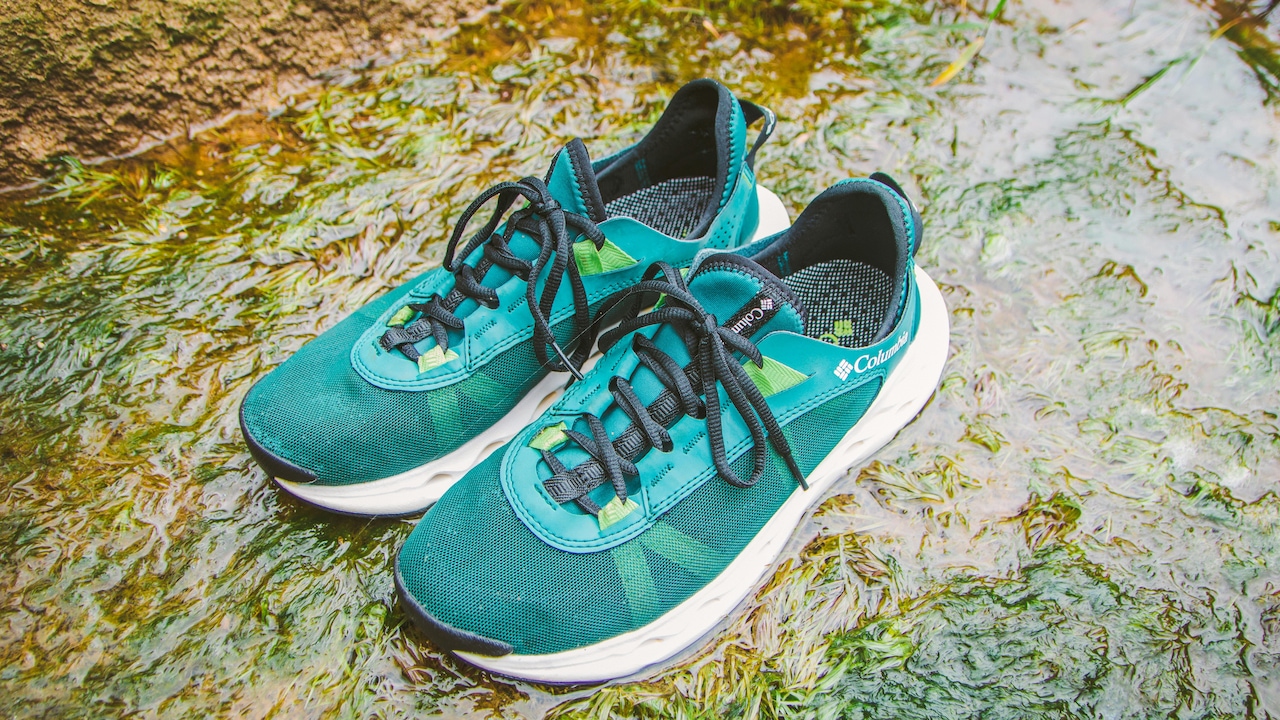
Best Shoes For Long Standing Hours: What To Look For Before You Buy; Photo Credit: Pexels
Lightweight Design Makes A Noticeable Difference
Heavy footwear quickly becomes exhausting during long shifts. Each step requires extra effort, and the feet tire faster than expected.
Lightweight shoes solve this issue by reducing overall strain. Modern manufacturing techniques allow brands to produce durable footwear without unnecessary weight.
Materials such as EVA foam, engineered mesh, and flexible rubber help create shoes that feel almost effortless during movement. The difference becomes especially noticeable when walking frequently between tasks.
Picture a school teacher moving between classrooms throughout the day. Heavy shoes would slow every step and increase fatigue. Lightweight footwear supports smoother movement and reduces energy loss.
However, lightweight should never mean fragile. Strong stitching, quality materials, and reliable construction remain essential.
When lifting a shoe in a shop, the weight provides an immediate clue about its comfort potential. If it feels bulky in your hand, imagine carrying that weight for ten hours.
A lighter design often proves far kinder to the feet over long working days.
Heel Height Should Remain Sensible
Fashion trends often celebrate high heels or ultra-flat designs. Unfortunately, both extremes can cause problems during long-standing hours.
Excessively high heels shift body weight forward, placing intense pressure on the toes and forefoot. After several hours, discomfort becomes unavoidable. Ultra-flat footwear creates another issue by offering minimal arch support.
The ideal heel height for prolonged standing usually ranges between one and three centimetres. This small elevation maintains natural posture without straining the foot.
Many professional shoes incorporate a subtle wedge or slight heel that balances weight distribution effectively. The design may appear simple, yet it protects both comfort and posture.
Anyone attending a long wedding celebration understands the consequences of ignoring heel height. Stylish footwear often feels delightful for the first hour, then slowly becomes unbearable.
A sensible heel height allows footwear to remain comfortable from morning until evening without drawing attention to itself.
Slip Resistance Adds Practical Safety
Long-standing hours often occur in busy environments where surfaces may become slippery. Spilt liquids, polished floors, or sudden rainwater near entrances can create unexpected hazards.
Slip-resistant soles provide additional grip that prevents dangerous falls. Many professional shoes include textured rubber patterns designed specifically to improve traction.
The importance of this feature becomes clear in kitchens, hospitals, shopping malls, and even office corridors during the monsoon season. A reliable grip protects both safety and confidence while moving quickly.
Testing slip resistance remains surprisingly simple. Running a finger across the sole reveals whether the surface feels textured rather than smooth.
Shoes designed for traction usually display small grooves or patterns that improve grip. These patterns channel water away from the sole and maintain contact with the floor.
Safety rarely appears glamorous, yet it becomes invaluable during a busy day. Slip-resistant footwear quietly prevents accidents and keeps movement steady.
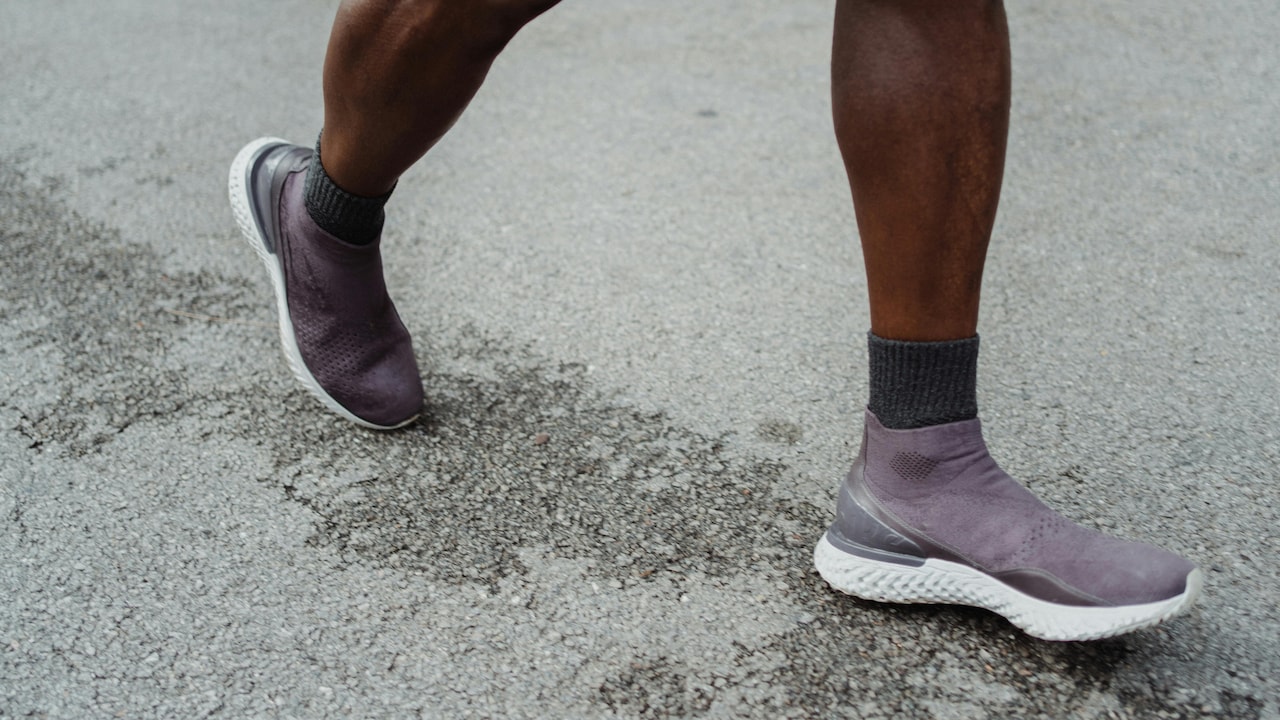
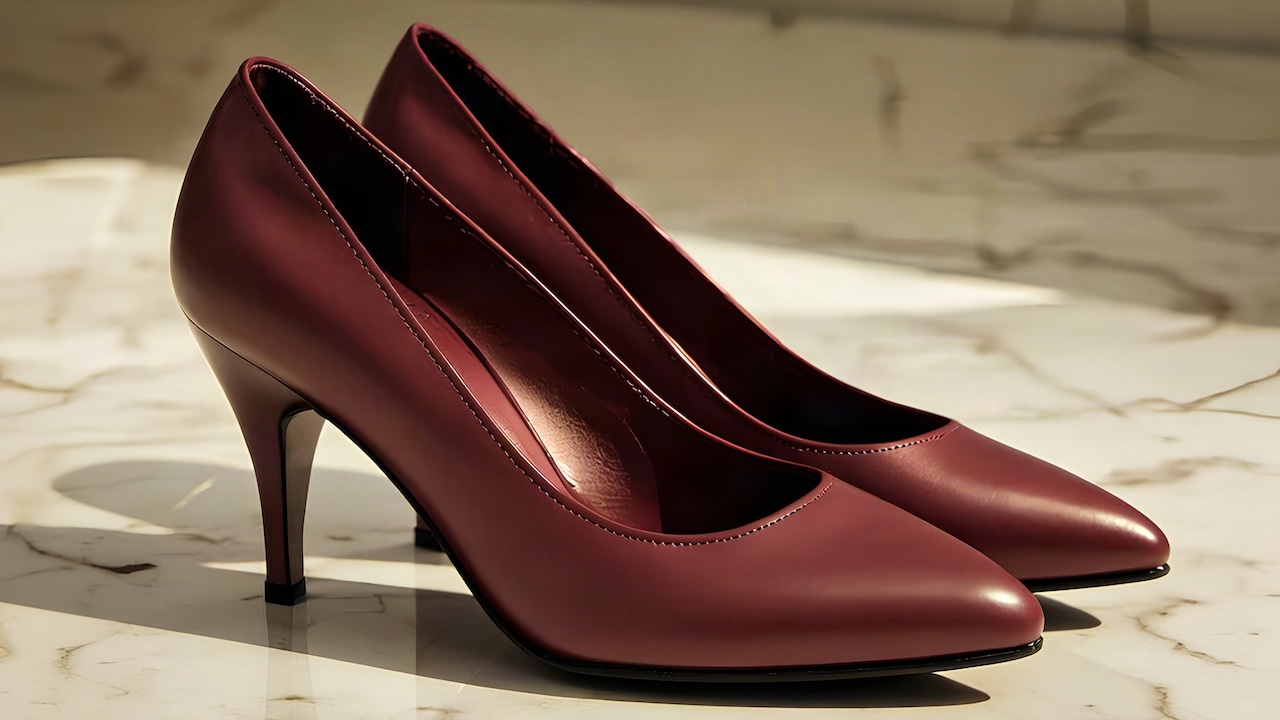
Best Shoes For Long Standing Hours: What To Look For Before You Buy; Photo Credit: Pexels
Durability Saves Money Over Time
Cheap footwear often appears attractive at first glance. The price tag feels friendly, and the design may look fashionable. Unfortunately, shoes built with poor materials wear out quickly.
Long-standing hours place continuous pressure on footwear. Weak stitching, thin soles, or poor materials break down faster than expected. A ₹900 pair may last only a few months under daily strain.
Durable shoes, although slightly more expensive, often prove far more economical. A well-constructed pair costing ₹2,500 may survive an entire year of regular use.
Durability also affects comfort. Worn-out soles lose cushioning and stability, forcing the body to absorb additional stress.
Checking durability involves simple observations. Strong stitching, solid sole attachment, and quality materials often indicate reliable construction.
Reliable footwear should feel like dependable equipment rather than disposable fashion. Over time, investing in durability saves both money and discomfort.
Style Still Matters, But Comfort Leads
Comfort and practicality should guide footwear choices for long-standing hours. Yet style still plays a role in personal confidence and professional appearance.
Fortunately, modern footwear designs successfully combine comfort with appealing aesthetics. Many brands now produce elegant shoes with supportive insoles, breathable fabrics, and durable soles.
Consider professionals working in hospitality, retail, or corporate environments. Their footwear must appear polished while supporting long hours on the floor.
Neutral colours such as black, brown, or navy often blend easily with professional attire. Subtle designs maintain a neat appearance without compromising comfort.
The best approach treats style as a secondary benefit rather than the primary goal. A shoe that feels good throughout the day naturally enhances confidence.
When comfort leads the decision, style tends to follow without difficulty.
Products Related To This Article
1. Bruton Men Sandals
2. Killer Lightweight Comfortable Trendy Breathable Sports Outdoor Running Shoes Men
3. Walkaroo Men Casual
4. Bata Men Casual
5. Campus Hurricane Running Shoes Men
Standing for long hours places significant pressure on the body, particularly the feet. Footwear designed only for appearance often fails to handle this daily challenge. Over time, poor choices may lead to fatigue, posture problems, and persistent discomfort.
Select the right pair of shoes that requires attention to practical details rather than showroom appeal. Features such as arch support, cushioning, breathable materials, and strong soles play vital roles in protecting the feet. Proper fit, sensible heel height, and lightweight construction further enhance comfort during extended wear.
Durability and slip resistance add another layer of reliability, ensuring the footwear remains useful even in demanding environments. Although style still matters, it should complement comfort rather than replace it.
A thoughtfully chosen pair of shoes quietly supports the body throughout the day. From busy retail counters to classrooms, hospitals, and office floors, the right footwear transforms long hours of standing into a far more manageable experience.
In the end, the most valuable pair of shoes rarely draws attention. Instead, it allows the wearer to finish the day without sore feet, aching knees, or tired posture. That quiet comfort proves far more impressive than any fashionable design.
(Disclaimer: This article may include references to or features of products and services made available through affiliate marketing campaigns. NDTV Convergence Limited (“NDTV”) strives to maintain editorial independence while participating in such campaigns. NDTV does not assume responsibility for the performance or claims of any featured products or services.)