How to Choose the Perfect Sling Bag That Won't Bounce or Slip When You Move
Choose a sling bag that stays put, no bouncing, slipping, or constant adjusting. This guide breaks down straps, fit, shape, and materials so your bag moves with you, not against you.
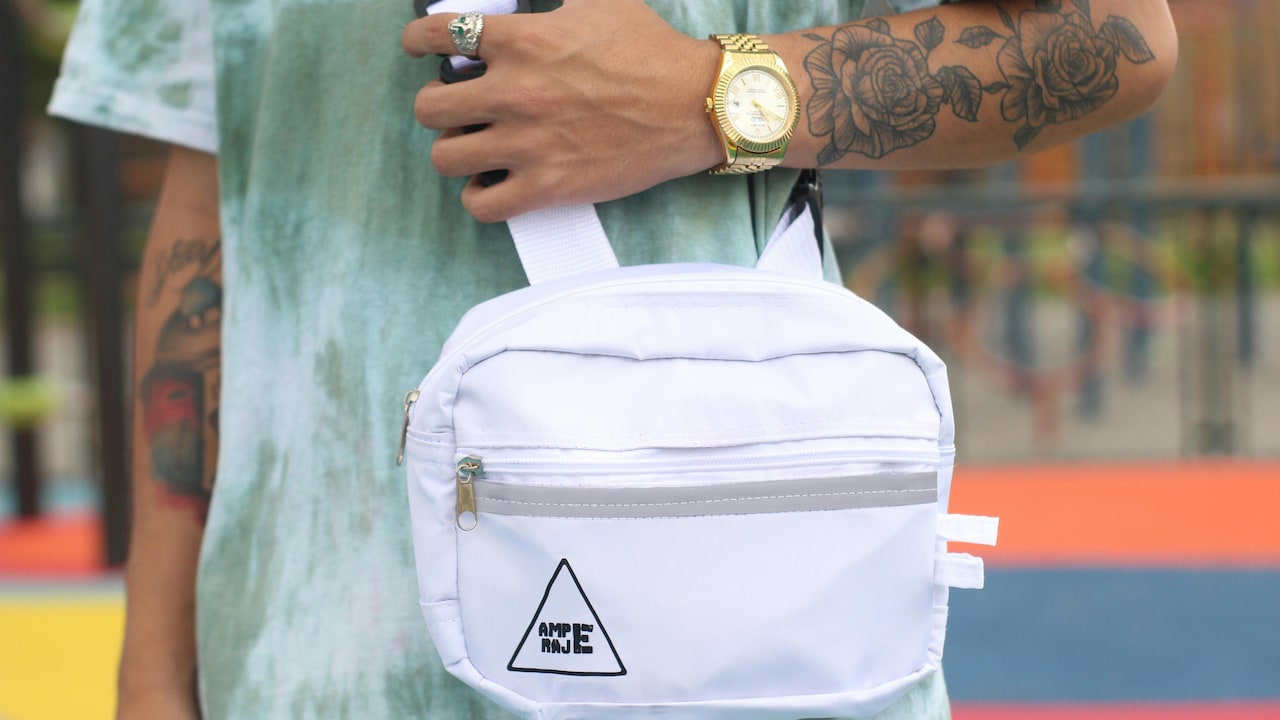
How to Pick the Perfect Sling Bag for Travel, Commutes and Daily Use: No Bounce At All.
There's a very specific kind of irritation that only sling bag users understand. You're walking peacefully. Then you speed up a little. The bag bounces. You tighten the strap. It slips. You adjust it again. It slides to the front like it's trying to become a crossbody necklace. Suddenly, you're doing a full choreography routine at the traffic light, pull, tug, twist, sigh.
And it's not even about looks. A bouncing bag is distracting. A slipping bag can throw your posture off. A swinging bag makes you feel like you're carrying a small, stubborn child who refuses to sit still.
The perfect sling bag is not the most expensive one. It's the one that behaves. It stays close, moves with you, and doesn't make you feel like you're wrestling a strap all day. Here's how to pick one that won't bounce, slip, or turn your commute into a low-budget action film.
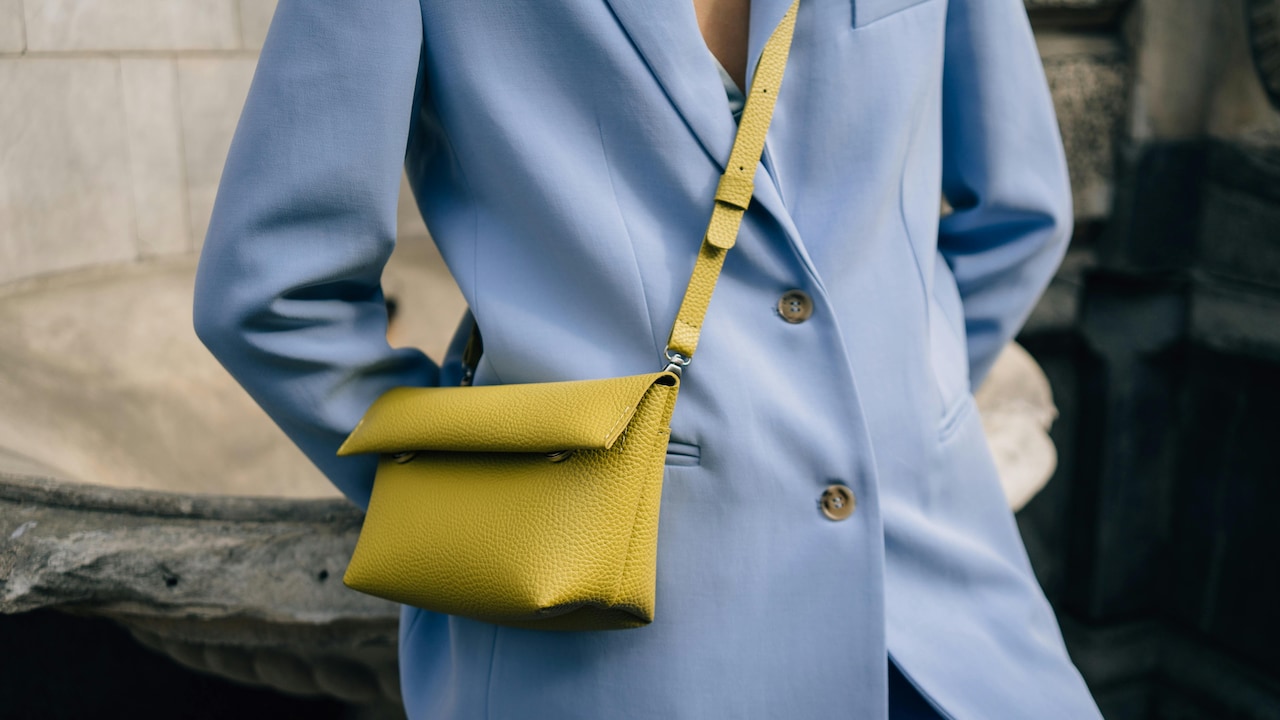
How to Choose the Perfect Sling Bag That Won't Bounce or Slip When You Move
Photo Credit: Pexels
Before You Buy: What Actually Stops a Sling Bag from Bouncing
1) Start with the Strap: Width Beats Style Every Time
The strap is the whole relationship. The bag is just the commitment.
A thin strap might look sleek, but it's the number one reason sling bags misbehave. Thin straps dig into the shoulder and slide more easily, especially if you're wearing smooth fabrics like polyester, rayon, or even a crisp office shirt. A wider strap spreads the weight and grips better. It also reduces that sharp “cutting” feeling after an hour of wear.
Look for a strap that is at least 3–4 cm wide. If the bag is meant for daily use with a phone, wallet, keys, power bank, and maybe a small bottle, the strap needs to be sturdy. Bonus points if it has a slight texture or weave. That texture creates friction and keeps it from slipping.
Also, avoid straps that feel too stiff. A strap should bend naturally. If it sits like a rigid belt, it won't follow your movement and will bounce more when you walk fast.
2) Choose the Right Strap Length Range (Not Just “Adjustable”)
Many sling bags claim to be adjustable. Some even adjust… technically. But the real question is: do they adjust enough for your body and how you wear them?
A sling bag should sit snugly, not hang like a messenger bag from 2012. If it sits too low, it will swing. If it sits too high, it will creep towards your neck and feel annoying.
A good sling bag gives you a wide range of adjustment. The sweet spot is usually when the bag rests between the chest and the side ribs (for front carry) or between the shoulder blade and mid-back (for back carry). That position keeps the bag stable while still letting you move freely.
Test this: tighten the strap and walk quickly. If the bag lifts and thumps down, the strap is too loose or the bag is too heavy for its design. The perfect sling bag lets you tighten it enough without making it feel like a seatbelt.
3) Pick a Bag Shape That Sits Flat Against the Body
Some sling bags look cool on a table and chaotic on a human being.
A stable sling bag has a shape that hugs your body. Curved or triangular designs usually sit better than boxy ones. Boxy bags tend to create a “corner effect”, where the bag sticks out and swings with every step.
A bag that sits flat is less likely to bounce because it has less space to move. It's also more comfortable in crowded places, where you don't want your bag poking into strangers or catching on chair handles.
Look for bags with a slightly curved back panel. That curve helps the bag mould to your torso. If the back is completely flat and rigid, it may wobble more, especially if it's packed unevenly.
The best sling bag shape feels like it belongs on you. Not like you're borrowing it from a mannequin.
4) Don't Ignore the Back Panel: Comfort and Grip Live There
Most people obsess over the front design. The back panel is where the magic happens.
A good back panel does two things: it increases comfort and reduces slip. If the back panel is made of smooth faux leather or shiny nylon, it will slide around, especially in humid weather. And yes, that includes the “two minutes outside and suddenly everything is sticky” season.
Choose a bag with a textured back panel. Mesh, padded fabric, or even a slightly rougher weave helps it stay in place. Padding also reduces bounce because the bag sits more securely rather than floating and shifting.
If you commute daily, this detail matters more than you'd think. It's the difference between a bag you forget you're wearing and a bag you keep adjusting like a nervous habit.
5) Weight Distribution: A Bag That's Too Deep Will Misbehave
Even a great strap can't fix bad physics.
If the bag is too deep, the weight sits far from your body. That creates leverage. And leverage creates bounce. A bag that sticks out even a few extra centimetres will swing more when you move quickly.
The most stable sling bags are compact and wide rather than narrow and deep. Think of it like this: you want the contents spread out close to your body, not stacked like a tower.
If you're carrying a power bank, earbuds, a wallet, and maybe sunglasses, the bag should have compartments that keep these items close to the back panel. If everything sits in one big pocket, items shift around, and the bag becomes a tiny wrecking ball.
Choose a bag with a slim profile. It should look neat even when filled. If it bulges like it's holding secrets, it will bounce like it's excited.
6) The Fabric Matters More Than Branding
A fancy logo won't stop a bag from sliding off your shoulder like butter on a hot pan.
Fabric plays a huge role in how stable a sling bag feels. Smooth, glossy materials look premium but often slip more. Textured fabrics grip better. They also show fewer scratches and look cleaner longer.
Nylon and polyester are great for durability, but look for a matte finish rather than a shiny one. Canvas works well for grip and casual style, though it can absorb sweat and dust more easily. Faux leather can look sharp, but it tends to slide and can feel uncomfortable in the heat.
Also, consider how the fabric behaves in the monsoon season. A water-resistant coating is useful, but it should not make the bag feel like a slippery raincoat.
A practical sling bag should handle drizzle, dust, and daily wear without turning into a drama queen.

How to Choose the Perfect Sling Bag That Won't Bounce or Slip When You Move
Photo Credit: Pexels
7) Buckles, Clips, and Adjusters: Small Parts, Big Consequences
A sling bag can have a perfect strap and still fail because of cheap hardware.
If the adjuster slips, the strap will loosen while you walk. That's one of the most common reasons bags start bouncing halfway through the day. You tighten it in the morning, and by lunchtime it's hanging like a sad hammock.
Check the strap adjuster. It should hold firm when pulled. The buckle should feel solid, not like it might crack if you sneeze near it.
Metal hardware tends to last longer, but good-quality plastic can work too. The key is tight construction. If the buckle feels wobbly or makes squeaky noises, it's not going to age well.
This matters even more if you're spending ₹1,500 or ₹3,000. At that price, the bag should not behave like it came free with a shampoo bottle.
8) Compartment Layout: The Secret to Less Bounce
A bag that bounces often has a messy interior.
If everything is loose inside, it shifts with every step. That movement adds to the bounce and makes the bag feel unstable. A good sling bag has just enough organisation to keep items from sliding around.
Look for at least one inner pocket for small items like keys and cards. A separate pocket for the phone helps too. Some bags also have a slim back pocket that sits against the body, great for cash or metro cards.
Avoid bags with too many compartments if you're not going to use them. Over-compartmentalised bags can become bulky and awkward.
The goal is balance: enough structure to keep things steady, but not so much that the bag becomes stiff and uncomfortable. A well-designed interior is like a well-planned tiffin box; everything stays where it belongs.
9) Fit Test It Like Footwear: Walk, Turn, and Jog for Ten Seconds
A sling bag is not something you judge by standing still.
The real test is movement. If you're trying a bag in a shop, don't just look in the mirror and nod. Put your phone and wallet inside. Wear it the way you plan to wear it. Then walk around. Turn quickly. Take a few fast steps.
If the bag swings wildly, it will only get worse in real life. If the strap slides off even slightly, it will slide off fully when you're in a hurry. If it bounces, it will bounce more when you climb stairs or run for the bus.
A stable sling bag should stay close to you. It should move with your body, not against it. It should feel secure without feeling tight.
And yes, it's perfectly normal to do a tiny jog in the store aisle. People will stare, but they were going to stare anyway.
10) Match the Bag to Your Lifestyle (Not Your Fantasy Self)
This is the part where most people get tricked.
Many sling bags are bought for an imagined version of life. The one where you travel every weekend, walk 15,000 steps daily, and always carry only a phone and a small notebook like a minimalist movie character.
Reality is different. Reality includes receipts, mints, chargers, random coins, and maybe a small snack. Sometimes a folded umbrella. Sometimes an emergency medicine strip. Sometimes, that one pen never works.
If you need a daily commuter sling bag, buy one designed for daily carry. Look for comfort, stability, and durability first. If you need one for travel, prioritise anti-theft pockets and long-wear comfort. If you need one for quick errands, keep it compact and light.
The perfect sling bag isn't the trendiest. It's the one that fits your real day. The one that doesn't bounce, doesn't slip, and doesn't make you swear quietly in public.
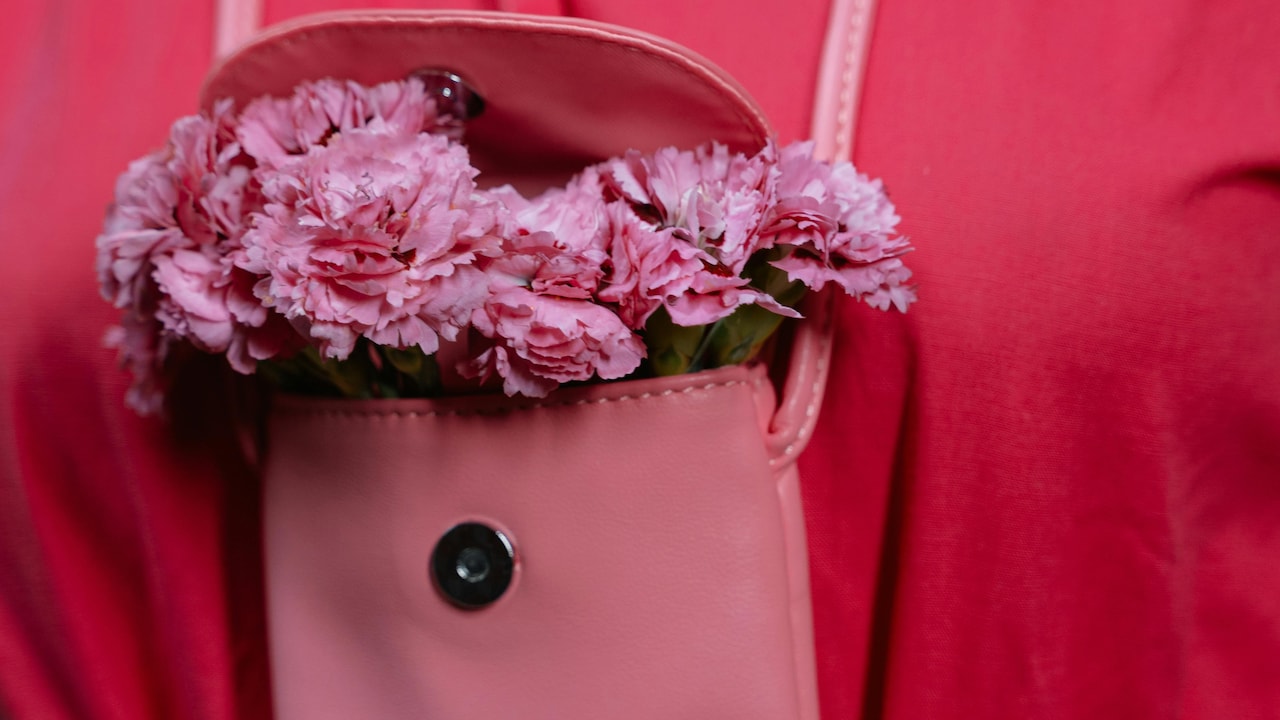
How to Choose the Perfect Sling Bag That Won't Bounce or Slip When You Move
Photo Credit: Pexels
Products Related To This Article
1. Exotic Sling Bag
2. Santorini Sling Bag
3. Lancer Sling Bag
4. Caprese Sling Bag
5. Vero Moda Women Crossbody Sling Bag Sling Bag
6. Namchi Sling Bag
7. Anouk Sling Bag
A good sling bag should feel effortless. It should sit securely, stay balanced, and move like it understands personal space. No bouncing. No slipping. No constant strap adjustments like you're tuning a guitar.
The best way to choose one is to think less about looks and more about behaviour. Focus on strap width, adjustability, body-hugging shape, grippy back panels, smart compartments, and reliable hardware. Test it while moving, not while posing.
Because life is already full of small annoyances. The last thing anyone needs is a bag that acts like it has its own agenda.
Choose the right one, and you'll stop thinking about it entirely. And honestly, that's the dream.
(Disclaimer: This article may include references to or features of products and services made available through affiliate marketing campaigns. NDTV Convergence Limited (“NDTV”) strives to maintain editorial independence while participating in such campaigns. NDTV does not assume responsibility for the performance or claims of any featured products or services.)