How To Wear Ruffle Tops Stylishly: Avoid Puffiness While Keeping That Feminine Charm
Ruffle tops can look chic, not bulky. Learn how to style them with the right fits, fabrics, and pairings to avoid puffiness while keeping a feminine, modern vibe.
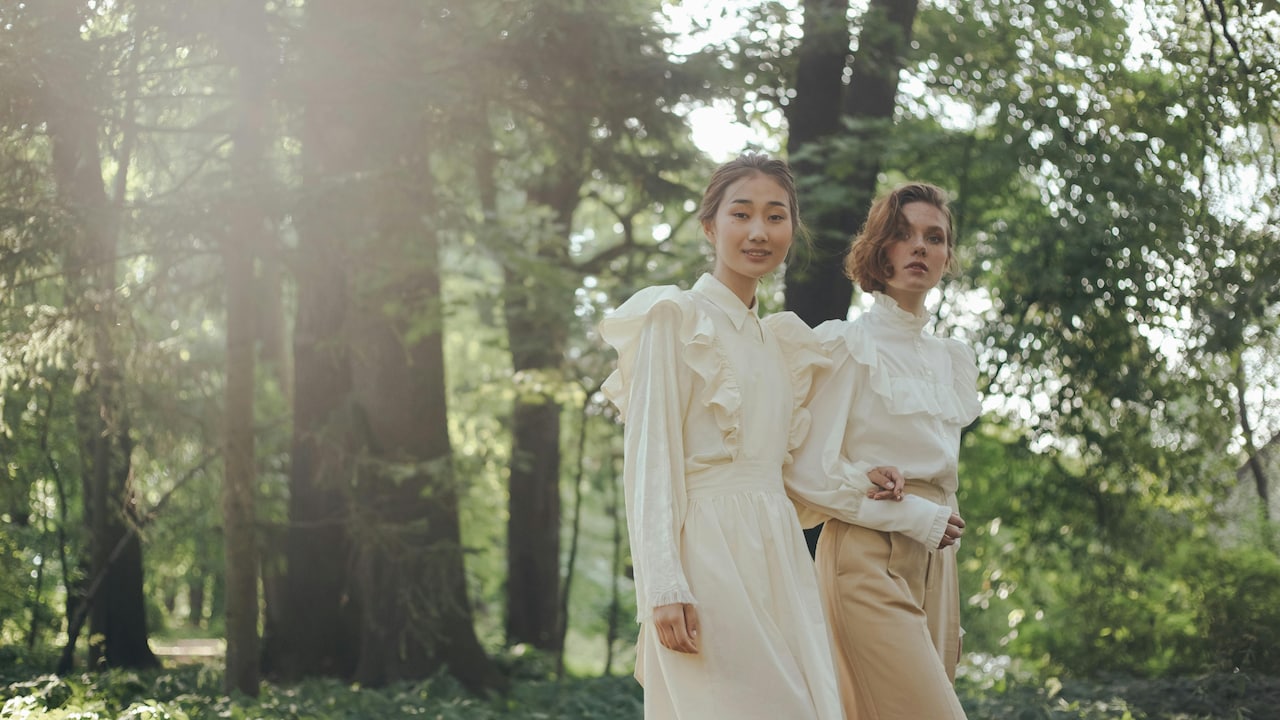
Try these 10 easy ways to make ruffle tops look stylish instantly.
Ruffle tops have a reputation. They're the fashion equivalent of that friend who's adorable but slightly dramatic. On some days, they make an outfit look polished, playful, and expensive. On other days, they can add volume in places nobody asked for.
The thing is, ruffles aren't the problem. Styling is.
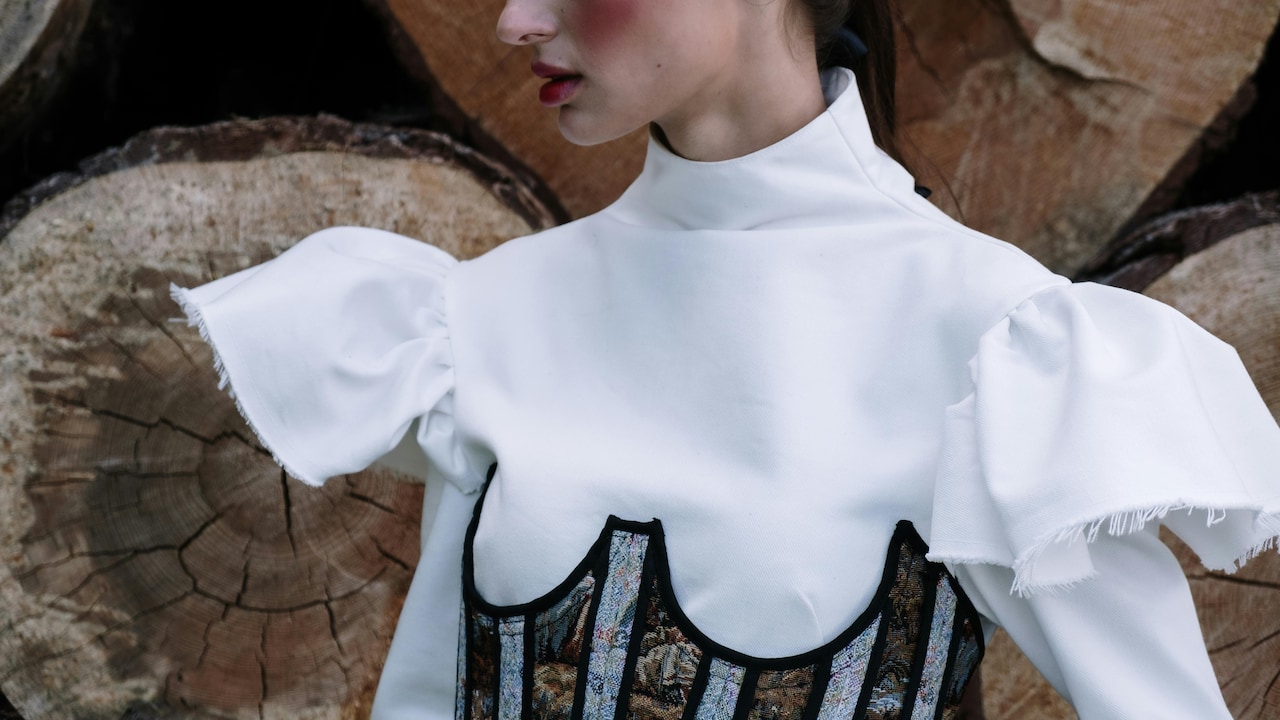
Make your ruffle tops look stylish with these easy fashion tips; Photo Credit: Pexels
Ruffles create movement. They catch light. They add texture. They also add bulk, especially when paired with loose silhouettes, clingy fabrics, or the wrong neckline. Many people avoid ruffle tops entirely because they fear looking bigger, boxier, or overly “frilly”. And honestly, that's a shame because ruffles can be surprisingly versatile.
This guide breaks down exactly how to wear ruffle tops in a way that feels modern, flattering, and wearable. No costume vibes. No cupcake effect. Just feminine charm with a clean, stylish edge.
Also Read: 6 Types Of Tops Every Woman Needs For Effortless Style
10 Stylish Ways to Wear Ruffle Tops Without Looking Puffy
1) Start With the Right Ruffle Placement (It Changes Everything)
Not all ruffles are created equal. The placement of the ruffle is the difference between “cute and chic” and “suddenly shaped like a lampshade”. The simplest rule: ruffles add volume where they sit. So it helps to choose placements that work with your natural shape rather than fighting it.
Ruffles along the neckline and shoulders draw attention upward. That's great if you want a brighter, lifted look or want to balance wider hips. But if your shoulders already feel broad, a dramatic shoulder ruffle can make the top half look heavier.
Ruffles down the centre create a vertical line, which is flattering and elongating. These are the quiet heroes of the ruffle world, pretty without adding width. Side ruffles, on the other hand, can add bulk around the waist and ribs, which often causes the dreaded “puffiness”.
A good trick: when shopping online, zoom in and imagine the ruffle as a “shape extender”. If it extends outward too much, it will read bulky in real life, too.
2) Pick Fabrics That Flow, Not Fabrics That Inflate
Fabric is the secret boss of ruffle styling. You can have the perfect cut, but if the fabric is stiff, the ruffle will stick out like a crunchy chip.
Lightweight fabrics like chiffon, georgette, cotton voile, and soft crepe create ruffles that flutter rather than balloon. They move with the body and feel romantic in a natural way. Stiff cotton poplin, thick polyester, and heavy satin can look structured, but they also exaggerate volume.
If you love statement ruffles, choose soft fabric first. It gives drama without the bulk. If you prefer minimal fuss, pick small ruffles in fluid fabric so the effect stays subtle.
A quick test in-store: hold the ruffle and let it drop. If it falls back softly, it's your friend. If it stands in the air like it's holding a grudge, it will add puffiness.
This is also why ruffle tops can look different in reels versus real life. Lighting hides stiffness. Daily wear does not.
3) Balance Volume With a Clean Bottom Half
Ruffle tops already bring texture and movement, so the bottom half needs to calm down. Think of it like cooking: if the curry is spicy, the side dish should be simple.
The easiest pairing is a fitted bottom. Straight jeans, slim trousers, cigarette pants, or a clean pencil skirt all work beautifully. The ruffle becomes the star, and the rest of the outfit supports it.
Wide-leg trousers can work too, but only when the ruffle is small and the top is tucked in. If both the top and bottom are loose, the silhouette loses shape and you get that floaty, puffy effect.
For everyday wear, high-waisted jeans are a lifesaver. They define the waist, balance the ruffle, and make the look feel intentional. Even a basic ruffle blouse looks elevated when paired with dark high-rise denim and simple flats.
If you ever feel unsure, take a mirror selfie from the side. The side view reveals puffiness faster than the front view ever will.
4) Tuck Smartly: Full Tuck, Half Tuck, or Waist-Cinch
Ruffle tops can be tricky with tucking because nobody wants to crush the ruffle into a waistband. But leaving it untucked often adds bulk around the stomach and hips.
The solution is smart tucking. A full tuck works best when the ruffle sits at the neckline or sleeves rather than the hem. A half tuck (front tuck) works when the ruffle is minimal and the fabric is soft. It creates shape without forcing the top into a stiff fold.
For peplum-style ruffle tops, avoid tucking entirely. Instead, define the waist using structure, like a fitted high-rise bottom or a slim belt worn slightly above the waistline.
Another underrated trick: wear a thin cami inside and do a “soft tuck” by tucking only the cami layer, leaving the ruffle top slightly loose. This creates definition without wrinkling the ruffle.
If the top has too many layers, skip the belt. Belts can turn a delicate ruffle into a lumpy bundle faster than you can say “why does this look wrong?”
5) Keep Necklines Modern to Avoid the Costume Effect
Ruffle tops can easily lean old-fashioned if the neckline feels dated. A high neck with heavy ruffles can look sweet, but it can also look like a school play costume if the styling isn't sharp.
For a more modern look, choose clean necklines: V-neck, square neck, sweetheart, off-shoulder, or a soft scoop. These shapes break up the ruffle and create a flattering frame for the face.
V-necks are especially useful because they create length. They also reduce the “puffy chest” effect that some ruffle designs create. Square necks feel trendy and structured, balancing ruffles beautifully.
If you love high-neck ruffle blouses, keep the rest of the outfit crisp. Think straight trousers, sleek hair, and minimal accessories. It stops the look from becoming overly frilly.
Also, avoid pairing a frilly neckline with heavy jewellery. The ruffle is already doing the talking. Too much jewellery makes the outfit look noisy, like three people speaking at once.
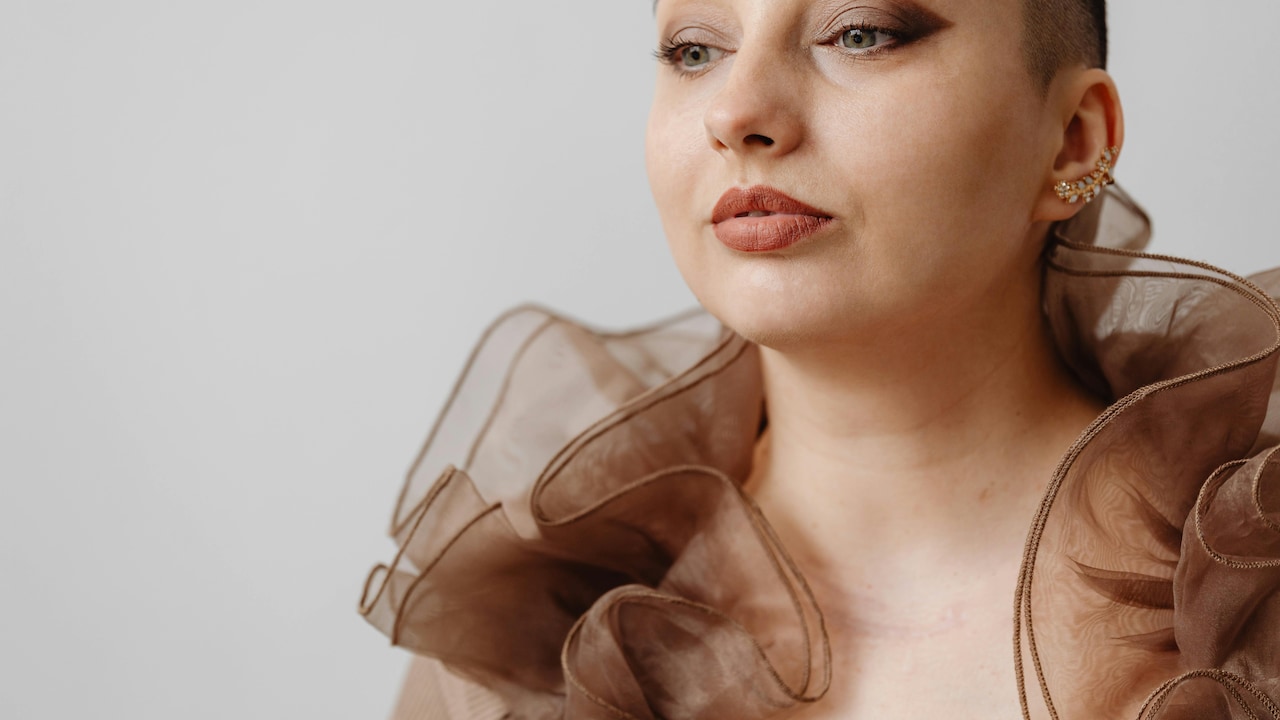
Go for ruffle tops with modern and clean necklines to give them a stylish touch; Photo Credit: Pexels
6) Use Layers Strategically (Yes, Ruffles Can Be Layered)
Layering a ruffle top sounds like a recipe for chaos, but it can actually make the look sharper. The key is choosing the right outer layer.
A structured blazer instantly modernises a ruffle blouse. The blazer compresses the silhouette slightly and adds clean lines. It also makes ruffles office-friendly without killing their charm. A sleeveless ruffle top under a blazer works beautifully for meetings, presentations, or formal dinners.
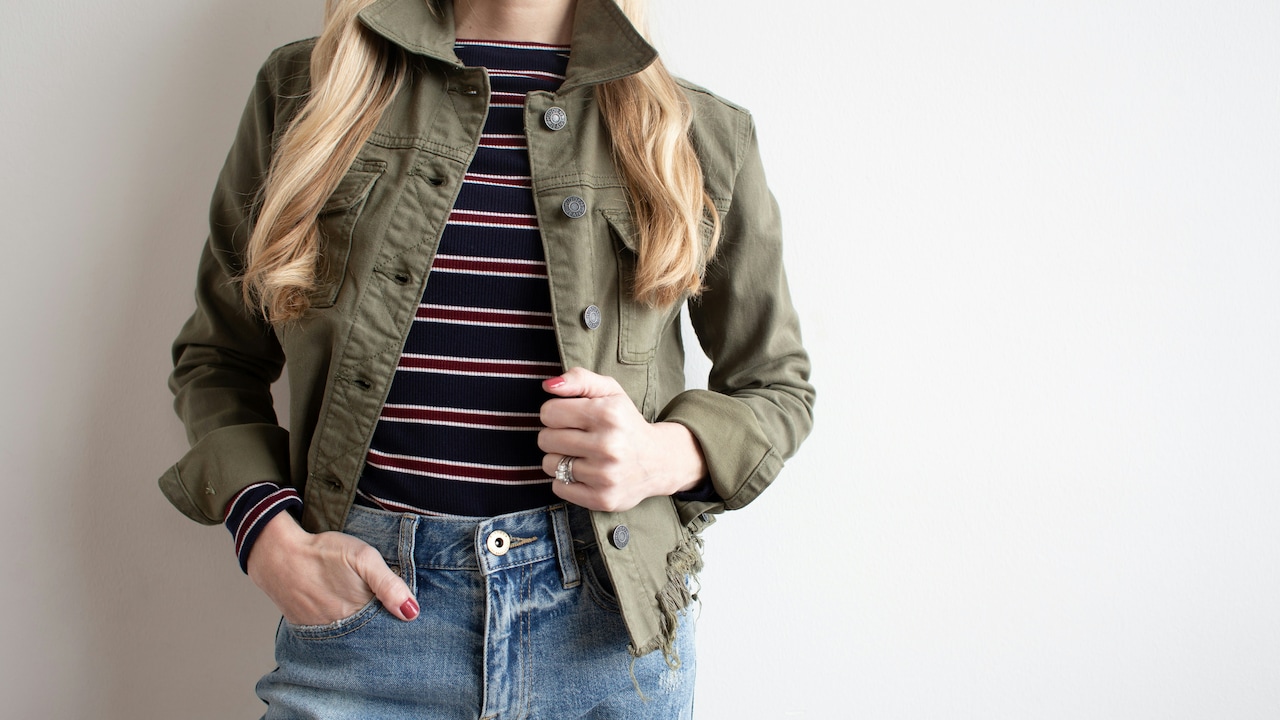
Denim jackets also work, especially with small ruffles. They add a casual edge and stop the outfit from feeling too sweet. For cooler weather, a longline cardigan can soften the look, but avoid chunky knits. Chunky knits + ruffles = bulk overload.
A very stylish trick: wear a ruffle top under a sleeveless vest or waistcoat. It creates contrast, structured over soft, which looks fashion-forward without trying too hard.
If the ruffle is on the sleeves, avoid layering with tight sleeves. The ruffle will bunch and look messy, and you'll feel uncomfortable all day.
7) Choose Prints Carefully: Let the Ruffle Breathe
Ruffles already add texture. Prints add visual busyness. Together, they can look either stunning or slightly overwhelming.
Solid colours are the easiest option. They let the ruffle stand out without looking cluttered. Pastels feel romantic. Deep jewel tones look elegant. White looks fresh but can feel extra “frilly” if the ruffles are heavy, so balance it with denim, trousers, or sharper accessories.
If you want prints, pick smaller ones. Tiny florals, subtle polka dots, or soft stripes work well. Large prints plus big ruffles can make the top look heavier and wider.
A smart compromise is a ruffle top with texture instead of print, like dobby cotton, self-stripe, or subtle embroidery. It looks rich without screaming for attention.
Also, watch out for shiny fabric with ruffles. Shine highlights every fold and makes the ruffle look bigger. Matte fabrics keep ruffles looking softer and more flattering.
If the top is loud, keep the bottom plain. If the bottom has a print, keep the top quiet. This is not the moment for print-on-print bravery.
8) Get the Sleeves Right: The Sleeves Decide the Silhouette
Sleeves can make or break a ruffle top. The wrong sleeve design can add width to the arms and shoulders, which is often where puffiness shows up first.
Cold-shoulder ruffles, dramatic puff sleeves, and layered sleeve ruffles look cute, but they're high-volume. They work best when the rest of the top is fitted, and the bottom is sleek.
For a flattering everyday option, choose ruffles that sit along the sleeve seam or as a small frill at the cuff. These give charm without adding bulk. Flutter sleeves are another excellent choice. They add movement but don't stick out as much as structured ruffles.
If you have a fuller bust or broader shoulders, avoid ruffles that sit horizontally across the chest and sleeve. They widen the frame. Instead, go for vertical ruffles or ruffles that start below the collarbone.
A simple style tip: roll up the sleeves slightly if possible. It breaks up the volume and makes the look feel relaxed and modern, not overly styled.
9) Style Ruffle Tops for Different Occasions Without Overthinking
Ruffle tops aren't just for brunch photos and romantic dates. They can work for daily errands, office days, festive dinners, and even weddings, without looking like you tried too hard.
For casual days, pair a small-ruffle cotton top with jeans and flats. Add a sling bag, and you're done. The outfit feels pretty but not precious.
For workwear, choose minimal ruffles in solid colours. Pair with tailored trousers or a midi skirt and add a structured bag. Keep accessories simple. The ruffle becomes a soft detail rather than a distraction.
For festive events, ruffle tops in satin or embellished fabric can look gorgeous, especially with palazzos or a long skirt. Keep the silhouette clean so the ruffle looks elegant instead of bulky. Add statement earrings and skip the necklace.
For date nights, off-shoulder ruffles or a ruffle neckline paired with dark denim and heels creates a balanced, flirty look. It's feminine without feeling childish.
The goal is simple: let the ruffle be one feature, not the entire personality of the outfit.
10) Accessories, Hair, and Footwear: The Finishing Touch That Saves the Look
Ruffle tops are like dessert. They're lovely, but too much sugar ruins the experience. Accessories should support the look, not compete with it.
If the ruffle is around the neckline, skip heavy necklaces. Go for small hoops, studs, or delicate drop earrings. If the ruffle is on the sleeves, you can wear a simple pendant necklace because the neckline stays clean.
Bags matter more than people think. A structured handbag balances the softness of ruffles. A slouchy bag can make the outfit look too casual and shapeless. Footwear also changes the vibe instantly. Sneakers make ruffles playful. Flats make them sweet. Heels make them elegant. Block heels are the safest choice for dressy events because they add polish without trying too hard.
Hair is another sneaky detail. Loose curls with a ruffle top can look very romantic, but sometimes it's too much softness at once. A sleek ponytail or low bun adds contrast and keeps the look modern.
And if you're wearing ruffles and feeling unsure, add one sharp element, like a blazer, pointed flats, or a structured bag. That single detail pulls the whole outfit together.
Products Related To This Article
1. her by invictus Ruffles Blouson Top
2. People Flutter Sleeve Ruffles Top
3. Roadster The Life Co. Ruffles Detail A-Line Top
4. Phosphorus Halter Neck Ruffles Top
5. Mast & Harbour Off-Shoulder Ruffles Peplum Crop Top
6. DressBerry Women Solid Frilled Pure Cotton Sleeves Top
7. Vara By Vishudh Floral Embroidered Ruffles Top
Ruffle tops don't need to be scary. They just need balance.
The biggest styling mistake is treating ruffles like a basic top. They aren't basic. They're a statement detail. Once you start styling around that, choosing soft fabrics, modern necklines, clean bottoms, and smart layers, ruffles become one of the easiest ways to look feminine without being predictable.
The best part is that ruffle tops can match every mood. They can be soft, bold, playful, elegant, or even professional. They can look dreamy with a skirt, sharp with trousers, or effortlessly cute with jeans.
So yes, keep the ruffle. Keep the charm. Just skip the puffiness. The goal is to look like you stepped out feeling confident, not like you got attacked by a curtain.
(Disclaimer: This article may include references to or features of products and services made available through affiliate marketing campaigns. NDTV Convergence Limited (“NDTV”) strives to maintain editorial independence while participating in such campaigns. NDTV does not assume responsibility for the performance or claims of any featured products or services.)