How to Choose the Right Sports Shoes to Prevent Knee Pain in the First Week
Knee pain in your first workout week often starts with the wrong shoes. Learn how to choose sports footwear that protects your knees, improves comfort and prevents early injuries. Try these tips to choose sports shoes and avoid knee pain..
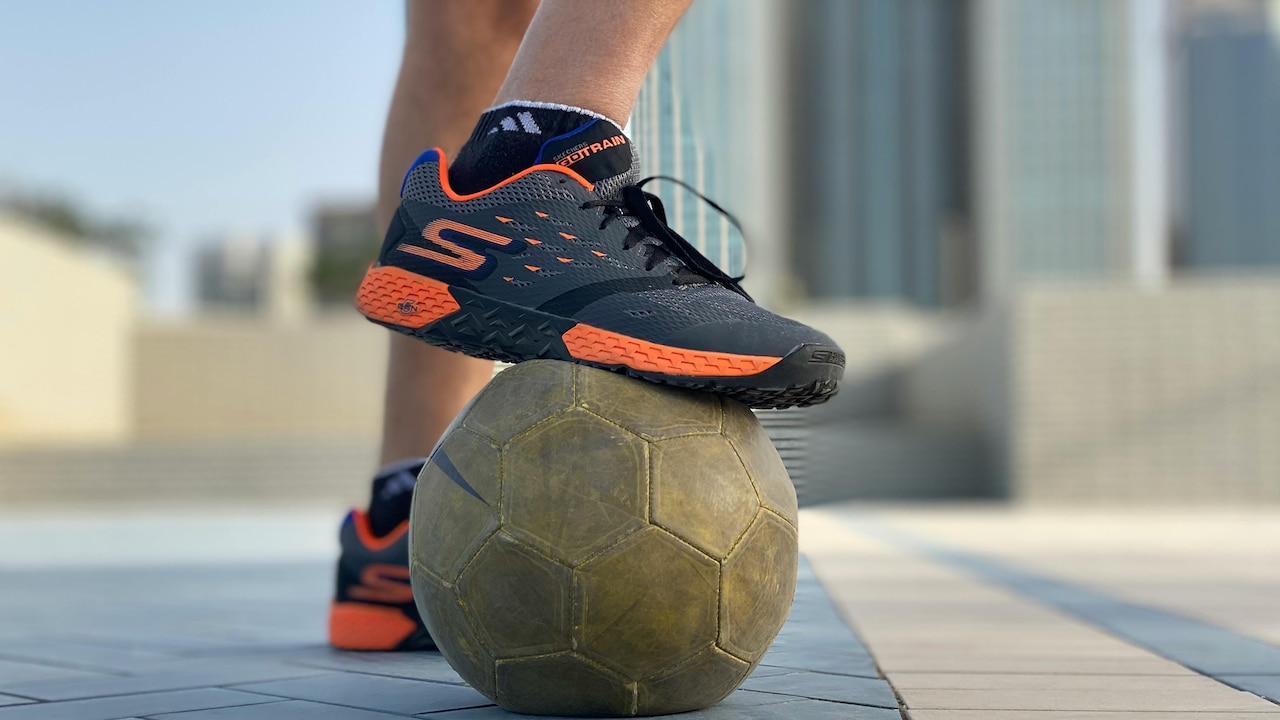
Learn How To Select Sports Shoes That Prevent Knee Pain During Your First Week.
The first week of any fitness routine feels exciting. New goals, fresh energy and maybe a shiny gym membership. Then comes the surprise. A dull ache around the knees after a morning walk or a short jog. Many assume weak muscles or age cause the pain. In reality, sports shoes often play the villain.
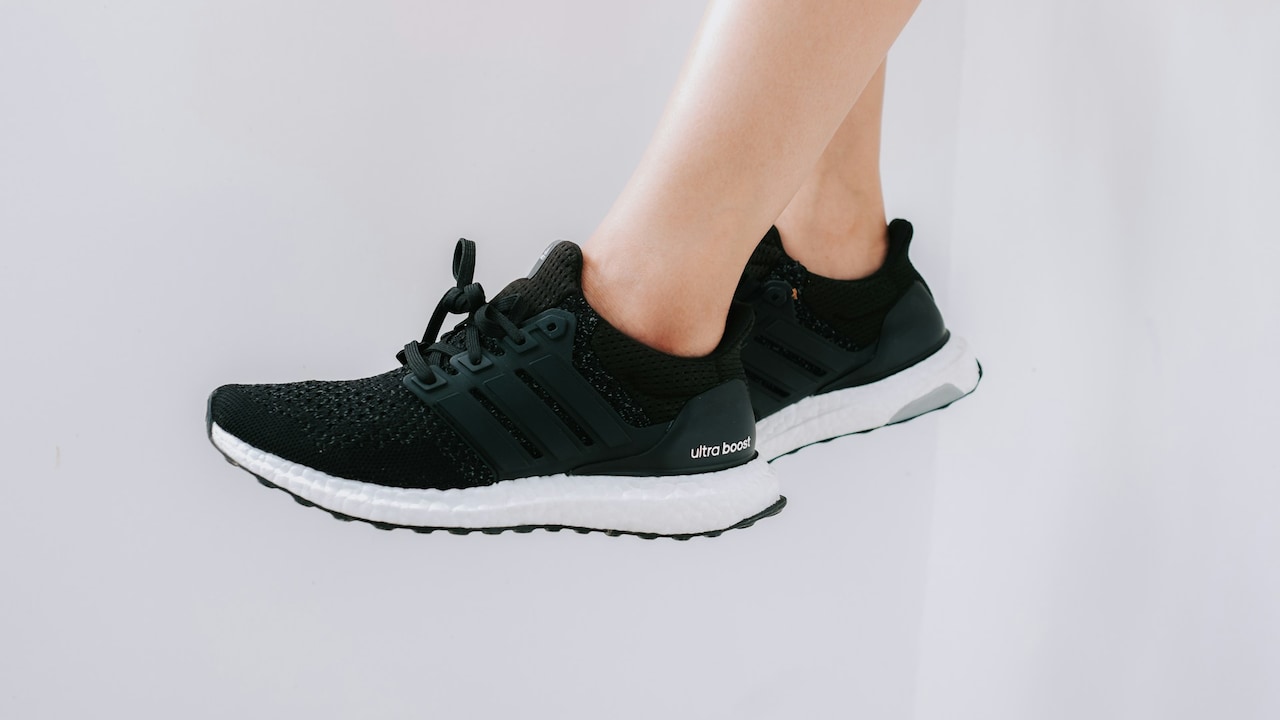
Easy tips to choose comfortable sports shoes for beginners; Photo Credit: Unsplash
Sports shoes do far more than look stylish. They absorb shock, align posture and decide how force travels from the ground to the knees. Poor choices strain joints within days. Good ones feel like quiet supporters, working in the background.
Selecting the right pair does not demand expert knowledge or expensive mistakes. It needs awareness, patience and a bit of common sense. The sections below unpack everything step by step, so knees stay happy while fitness goals move forward.
Also Read: Top 5 Gym Shoes From Campus Under ₹2,000
What to Look for in Sports Shoes Before Your First Workout Week
1. Understand Why Knee Pain Starts at the Feet
Knees rarely suffer alone. Every step sends force upward from the heel to the hips. When shoes lack cushioning or stability, that force hits the knees directly. During the first week, muscles have not adapted yet, so joints absorb extra stress.
Think of walking on uneven pavements after the monsoon. Feet adjust instinctively, but cheap soles fail to support that adjustment. The knees then twist slightly with each step. Over a few days, discomfort appears.
Shoes with proper midsole support reduce shock and guide motion smoothly. They help distribute weight evenly across the foot. This balance keeps knees aligned and stress-free.
Ignoring this connection leads many beginners to blame exercise itself. They stop moving, feeling discouraged. In truth, the body asked for better support, not rest. Understanding this link changes how shoes get chosen, worn and valued.
2. Match Shoes to the Activity, Not the Trend
Running shoes look tempting, even for gym workouts or casual walks. Yet each activity places different demands on the knees. Using the wrong type increases strain fast.
Walking shoes focus on heel-to-toe comfort and steady cushioning. Running shoes add bounce and forward propulsion. Training shoes support side-to-side movement for gym sessions. Mixing them up causes an imbalance.
Imagine wearing cricket spikes for a morning stroll. Sounds odd, yet wearing running shoes for weight training creates similar confusion for the body. Knees receive mixed signals and compensate awkwardly.
During the first week, stick to one activity and buy shoes designed for it. Local sports stores usually label categories clearly. Sales staff often help when asked directly about knee comfort. Trends fade, but joints remember every step.
3. Check Cushioning Without Going Too Soft
Cushioning protects knees by absorbing impact. Too little feels harsh. Too much feels unstable. The sweet spot matters.
Soft foam may feel luxurious in the shop. After a few days, it compresses unevenly. Feet sink, ankles wobble and knees twist slightly. This subtle instability leads to soreness.
Firm cushioning offers consistent support. Press the sole with a thumb. It should compress slightly and bounce back quickly. Shoes that stay dented after pressure signal poor quality.
City roads, parks and treadmills demand moderate cushioning. Hills and uneven surfaces need slightly firmer soles. Balance beats bounce when knees need protection.
During trials, walk briskly around the store. Knees should feel guided, not floating. Comfort here predicts comfort during workouts.
4. Focus on Heel Support and Drop
Heel design plays a silent role in knee health. Heel drop refers to the height difference between the heel and the forefoot. High drops push the weight forward. Flat shoes demand more ankle flexibility.
For beginners, moderate heel drop works best. It reduces strain on calves and knees during early sessions. Completely flat shoes suit experienced athletes, not fresh starters.
Heel counters matter too. The back of the shoe should feel firm, not floppy. A stable heel prevents inward or outward rolling. This alignment protects knees from rotational stress.
Try squeezing the heel area. If it collapses easily, skip that pair. Good heel structure keeps the foot centred with every step, even on crowded footpaths or uneven tiles.
5. Respect Foot Shape and Arch Type
Feet come in different shapes, yet many ignore this fact. Flat feet, high arches and neutral arches need different support levels.
Flat feet often roll inward while walking. This motion pulls knees slightly inward too. Shoes with arch support and stability features help correct this movement.
High arches absorb less shock. Knees take the extra load. Cushioned shoes with flexible soles suit this type better.
A simple wet-foot test at home reveals arch type. Step on a dry surface after wetting the foot. The footprint shape gives clues.
Choosing shoes that respect natural foot shape prevents unnecessary knee strain. Comfort improves, posture feels balanced and movement flows better from day one.
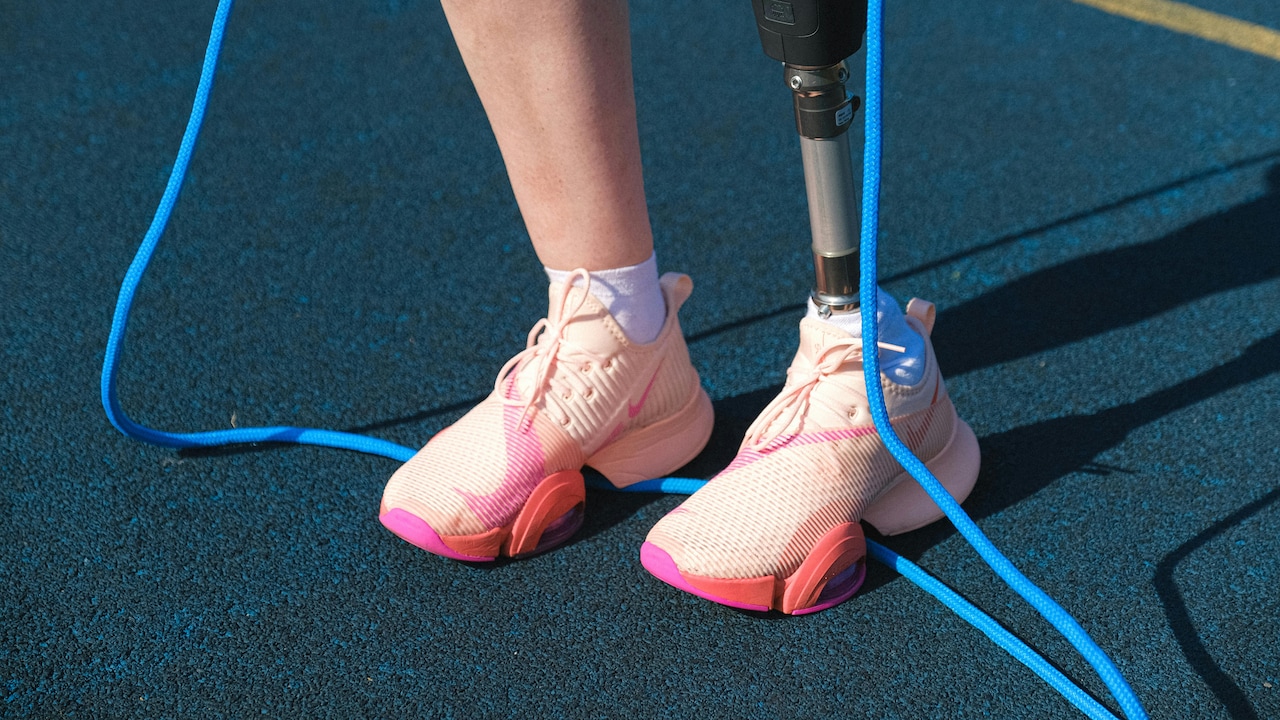
Consider your foot shape and arch type when choosing sports shoes; Photo Credit: Pexels
6. Get the Right Size, Not the Usual Size
Feet swell during the day, especially in warm weather. Buying shoes early morning often results in tight fits later. Tight shoes alter walking patterns and stress knees.
Always try on shoes in the evening. Leave a thumb-width space at the front. Toes need room to spread during movement.
Width matters too. Narrow shoes squeeze feet, forcing unnatural alignment. Many local brands now offer wider fits. Asking for them helps.
Lacing also affects fit. Shoes should feel snug around the midfoot without choking it. Proper sizing keeps feet stable and knees aligned naturally.
Saving ₹500 by buying the wrong size often leads to spending much more on treatments later.
7. Test Movement, Not Just Standing Comfort
Standing still tells little about shoe performance. Knees respond to movement. Testing motion inside the store makes a difference.
Walk fast, slow, turn and stop. Mimic workout movements. Shoes should respond smoothly without delay or wobble.
Listen to the body. Any knee twinge during testing signals trouble later. Good shoes feel invisible, letting movement flow without thought.
Some stores allow short trial periods. Take advantage of this when possible. A few minutes of testing prevents weeks of discomfort.
Shoes should support natural movement, not force correction aggressively. Balance remains key.
8. Avoid Cheap Imitations and Flashy Bargains
Street markets offer attractive sports shoes at tempting prices. They look similar to branded pairs but lack quality materials. Soles wear out fast. Cushioning collapses within days.
During the first week, such shoes reveal their flaws quickly. Knees ache, ankles tire and motivation dips.
Spending wisely matters more than spending big. Reliable brands offer entry-level models with decent support. Seasonal sales reduce prices further.
Think of shoes as equipment, not fashion. A sturdy pair lasts months, sometimes years. Bargain copies last week and cost health in return.
Knees appreciate quality far more than logos.
9. Break Shoes In Gently During Week One
Even perfect shoes need adjustment time. Wearing them for intense workouts immediately shocks the body.
Start with short sessions. Twenty-minute walks or light gym routines help shoes mould to feet. Muscles adapt gradually, reducing knee stress.
Alternate with older, comfortable footwear for daily errands. Let new shoes breathe and settle.
Ignoring break-in periods causes blisters and joint discomfort. Patience here pays off with long-term comfort.
By the end of the first week, shoes should feel familiar, supportive and reliable.
10. Replace Shoes Before They Betray the Knees
Many hold onto shoes long after they wear out. Soles thin invisibly. Support fades slowly. Knees suffer quietly.
Check soles regularly. Uneven wear patterns signal alignment issues. Cushioning that feels flat needs replacement.
For regular walkers or gym-goers, replacing shoes every six to eight months works well. Heavy use shortens this cycle.
Listening to knees helps too. New aches often point to old shoes.
Timely replacement keeps workouts enjoyable and joints protected. Shoes serve the body best when treated as partners, not possessions.
Products Related To This Article
1. CAMPUS MIKE (N) Running Shoes For Men
2. Asics GEL-NIMBUS 27 Running Shoes For Men
3. asian Airweave-02 Navy Gym,Sports,Training,Stylish Running Shoes For Men
4. RED TAPE Athleisure Shoes for Men |Cultured Round-Toe Shape & Cushioning Technology Walking Shoes For Men
5. PUMA Skyrocket Lite 2 Alt Running Shoes For Men
6. action Athleo N-1401 Lightweight Comfortable Trendy Breathable Sports Lace-Up Running Shoes For Men
7. Abros HAMSTER PRO Athleisure Cultured Round-Toe Shape & Hyperfuse Technology Walking Shoes For Men
Knee pain during the first week of exercise feels discouraging, yet it often carries a simple message. The body asks for better support from the ground up. Sports shoes play a powerful role in shaping that experience.
Choosing wisely involves understanding movement, respecting foot structure and prioritising comfort over trends. Small details like heel support, sizing and cushioning create big differences.
With the right pair of sports shoes, the first week feels energising rather than painful. Knees stay calm, confidence grows and fitness becomes a habit worth keeping. A thoughtful choice today protects movement for years ahead.
(Disclaimer: This article may include references to or features of products and services made available through affiliate marketing campaigns. NDTV Convergence Limited (“NDTV”) strives to maintain editorial independence while participating in such campaigns. NDTV does not assume responsibility for the performance or claims of any featured products or services.)