Joggers Vs Track Pants: Which Offers Better Mobility, Breathability, And Comfort For Daily Wear?
Joggers or track pants, what’s better for daily wear? This guide compares mobility, breathability, and comfort so you can pick the right pair for your routine.

Joggers Vs Track Pants: Know Which Provides Superior Mobility, Breathability And Comfort For Daily Wear.
There are two kinds of people in the world: those who buy bottoms based on comfort, and those who buy them because the mannequin looked confident. Either way, sooner or later, everyone ends up choosing between joggers and track pants.
And honestly, it's a fair dilemma. Both are casual. Both are sporty. Both are socially acceptable in most ''quick errand'' situations. But wear the wrong one on the wrong day, and suddenly you're either sweating like a pressure cooker or moving like you've been wrapped in a bedsheet.
Joggers have become the modern default for daily wear. Track pants, meanwhile, still hold their ground as the classic sports staple. But which one truly wins when it comes to mobility, breathability, and comfort?
This isn't about fashion week. This is about real life: sitting cross-legged, walking fast to catch a metro, climbing stairs, running behind a bus, or surviving a humid afternoon without regretting your outfit choices.
Joggers vs Track Pants for Daily Use: Which One Should You Buy?; Photo Credit: Pexels
The Real Comparison: Mobility, Breathability, Comfort And More
1) Mobility: Which One Lets the Legs Live Freely?
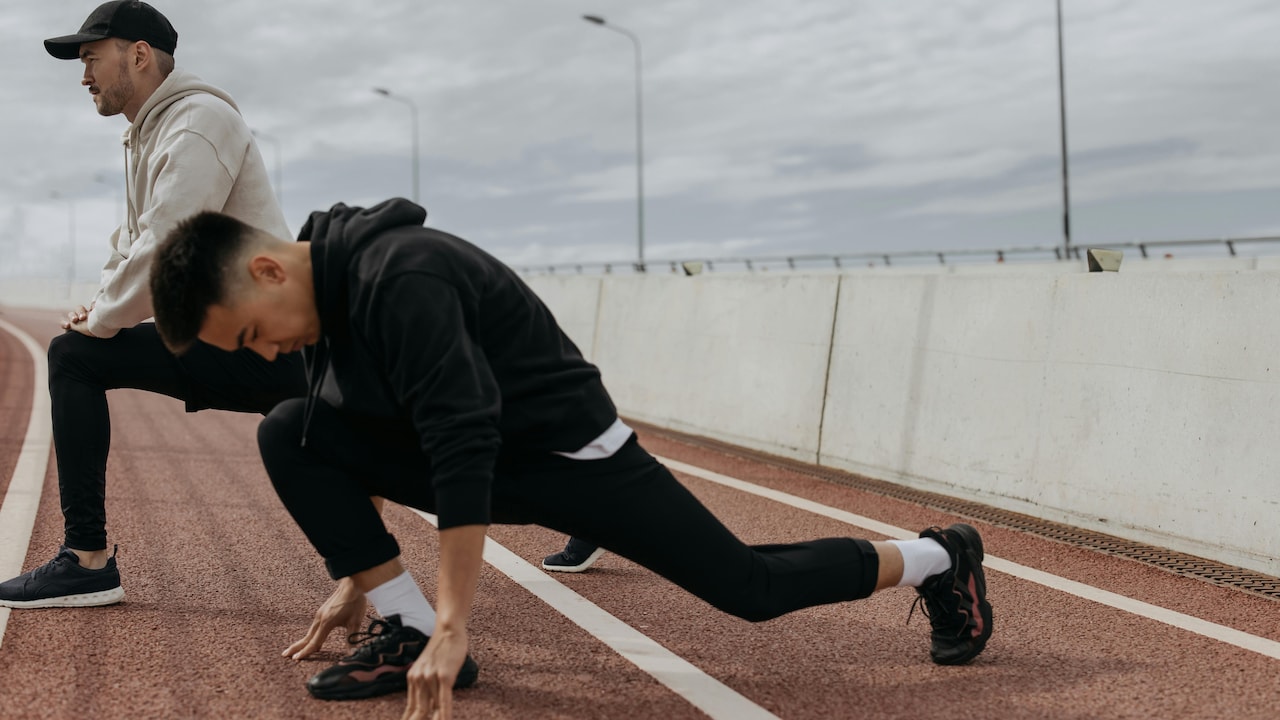
Mobility is where the real difference starts. Joggers are usually designed for everyday movement, walking, sitting, stretching, and the occasional sprint to grab the last packet of chips before someone else does. Most joggers have a tapered cut and elastic at the ankle, which keeps the fabric from flapping around. That ankle grip also helps when stepping over puddles or navigating uneven streets.
Track pants are made for sport-first movement. They tend to have a straighter cut, and many include side stripes or panels that support leg motion. Some even come with zip openings near the ankle, which is great if someone wants to wear them over shoes or remove them quickly after a workout.
However, the catch is fabric behaviour. Many track pants use polyester blends that can feel stiff when new. Joggers, especially cotton blends, feel more flexible right away. For daily wear, joggers often win because they move with the body rather than against it. Track pants shine during structured physical activity but may feel slightly less natural during long, non-sporty hours.
2) Breathability: The Humidity Test Matters
Breathability isn't a luxury. It's survival. Anyone who has stepped outside in peak summer knows the pain of fabric that traps heat like it's storing it for winter.
Joggers usually come in cotton, cotton blends, or lightweight fleece. Cotton joggers breathe well, especially in dry or moderate weather. But in humid conditions, cotton can become heavy because it absorbs sweat and holds onto it. That can turn a comfortable morning into a sticky afternoon.
Track pants, on the other hand, are often made from polyester or technical fabrics. While polyester gets a bad reputation for being “sweaty,” modern track pants frequently include mesh panels, moisture-wicking features, or breathable weaves. These are designed to move sweat away from the skin. That means less clinginess and faster drying, which is a blessing when stepping out for errands or commuting.
For breathability, it depends on the fabric type. A cheap polyester track pant can feel like a sauna. A good-quality technical one can feel surprisingly airy. Meanwhile, cotton joggers feel great until humidity kicks in. In many cities, track pants with proper ventilation can actually outperform joggers during sweaty months.
Also Read: Joggers Are Not Just Loungewear: These Features Decide Versatility
3) Comfort: The Real Winner Depends on the Day
Comfort isn't one thing. It's a mix of softness, fit, temperature, and how the fabric behaves after hours of wear. Joggers are usually the comfort favourites because they feel cosy. Many are made with brushed cotton, fleece lining, or soft blends. They're the kind of bottoms that make a person want to cancel plans and order biryani.
Track pants are a different kind of comfort. They're lighter, often smoother, and better suited for movement. But they don't always feel “snuggly.” Some can feel slightly slippery or cold, especially in air-conditioned environments. That can be a plus or a minus depending on personal preference.
Another comfort factor is the waistband. Joggers often have thicker elastic and a drawstring that feels secure without digging in. Track pants sometimes have thinner elastic, which can either feel light and comfortable or annoyingly loose.
For daily wear, joggers usually win for long sitting hours, lounging, or casual outings. Track pants win for active days, especially when walking a lot or doing anything that causes sweating. Comfort is about matching the bottom to the day's demands, not just the label.
4) Fit and Shape: Tapered vs Straight, and Why It Matters
Fit affects everything: movement, airflow, confidence, and whether the outfit looks put-together or like laundry day happened in public.
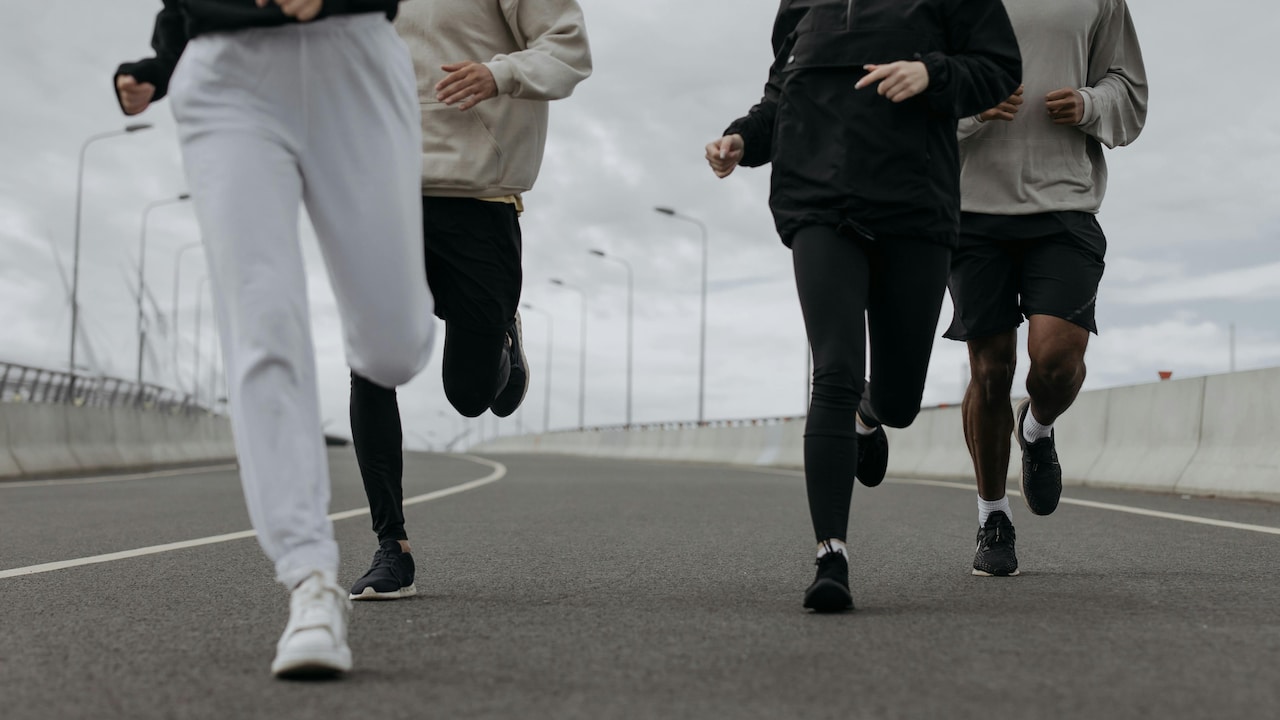
Joggers usually have a tapered fit. They narrow down from the thigh to the ankle. This shape looks modern and works well with most footwear, sneakers, slip-ons, and even sandals. The taper also prevents fabric from bunching up around the ankles, which is a common irritation with loose bottoms.
Track pants traditionally have a straight fit, though modern versions come in tapered cuts too. The straight fit gives more room, especially around the calves. This can be more comfortable for people who dislike tight ankles or want more airflow. It also works well for sports because it doesn't restrict the leg during high movement.
But in daily wear, straight track pants can sometimes look overly sporty. That's not always bad, but it can feel out of place in casual social settings unless styled well.
Joggers are easier to wear without thinking. Track pants require slightly more intention if the goal is to look casual rather than athletic. Fit isn't just about comfort; it's about how the garment behaves in normal life situations.
Joggers vs Track Pants for Daily Use: Which One Should You Buy?; Photo Credit: Pexels
5) Fabric Feel: Softness vs Performance
Touch matters. It's the first thing noticed when trying something on. Joggers are often made from cotton, cotton-poly blends, or fleece. That gives them a warm, soft feel. It's the kind of fabric that makes people want to keep wearing it even when they technically shouldn't.
Track pants focus on performance. Polyester, nylon, and spandex blends are common. These fabrics feel smoother, lighter, and more resistant to wear. They don't peel as easily, and they dry faster. They also handle sweat better if the quality is good.
However, performance fabrics can sometimes feel less “friendly” on the skin, especially for those who prefer natural fibres. Some track pants can feel slightly plasticky, particularly in budget ranges.
Joggers are a sensory win for softness. Track pants are a win for function. For daily wear, softness matters a lot, especially for long hours. But if the day involves a lot of walking, errands, or heat, performance fabrics can quietly make life easier.
This is why many people own both and rotate depending on mood, weather, and schedule. It's not indecisiveness. It's smart wardrobe management.
6) Sweat and Odour: The Unspoken Daily Wear Issue
Let's talk about the thing nobody wants to talk about. Sweat happens. And sweat doesn't always smell like roses and self-discipline.
Joggers made of cotton absorb sweat. That means they can feel damp and heavy. The upside is that cotton feels less clammy at first. The downside is that it holds moisture longer. That can lead to discomfort and, yes, odour if the day gets long.
Track pants made of synthetic fabrics don't absorb sweat the same way. Instead, they either wick it away or let it evaporate faster. That keeps the fabric lighter and drier. But there's a twist: synthetics can trap odour more easily if not washed properly. Anyone who has owned a gym track pant knows the “why does this still smell clean-but-not-clean?” experience.
For daily wear, track pants are better for sweat management in hot weather. Joggers are better for cooler days and indoor comfort. If the day involves travel, commuting, or outdoor time, track pants are safer. If the day involves home, casual meet-ups, or low movement, joggers feel better.
And no, perfume does not solve fabric odour. It just creates a confusing new scent category.
7) Weather Versatility: Monsoon, Winter, and Everything in Between
The weather decides a lot. Especially when stepping out and realising the sky looks like it's plotting something.
Joggers are excellent for mild weather and winter. Fleece joggers, in particular, are unbeatable during colder months. They keep the legs warm and feel cosy without needing layers. But during the monsoon, cotton joggers can be a nightmare. They absorb water quickly and take forever to dry. One surprise puddle and the joggers become a wet towel.
Track pants, especially polyester ones, handle rain better. Water doesn't soak in as quickly. They dry faster. This makes them far more practical during unpredictable weather. For humid months, lightweight track pants also feel less suffocating than thick joggers.
However, in peak winter, track pants can feel too thin unless layered. They don't provide the same warmth unless they're lined, which is less common.
For year-round wear, track pants win for monsoon and summer practicality. Joggers win for winter comfort and cosy everyday use. The ideal wardrobe has one breathable track pant and one warm jogger, because the weather has no loyalty.

Joggers vs Track Pants for Daily Use: Which One Should You Buy?; Photo Credit: Pexels
8) Daily Styling: Which One Looks More “Normal” Outside?
This matters more than people admit. Comfort is great, but nobody wants to look like they're heading to a 6 am training camp when they're just going to buy milk.
Joggers blend into daily life easily. Pair them with a T-shirt, polo, hoodie, or even a casual shirt, and they still look acceptable. Their tapered fit and soft fabric give them a relaxed but modern vibe. They look like a deliberate choice, not an accidental one.
Track pants are lean and athletic. The shine of polyester, side stripes, and loose fit can make them look like gym wear. That's perfect if the plan involves sports or a workout. But for casual outings, they sometimes look too sporty unless styled carefully.
That said, newer track pants come in matte fabrics and minimal designs. These look much more wearable for daily use, especially in darker colours.
Overall, joggers are easier to style without effort. Track pants can look great too, but they require the right cut and fabric. Joggers win for everyday “put-together” comfort, while track pants win for sporty practicality.
9) Durability and Maintenance: Which One Survives Real Life?
Daily wear isn't gentle. Clothes, face washing machines, dust, stretching, sitting on random surfaces, and that one relative who insists on washing everything in hot water.
Joggers, especially cotton ones, can lose shape over time. Knees may bag out. Elastic may weaken. Fabric may pill. Fleece joggers are especially prone to looking worn after repeated washes.
Track pants usually last longer. Synthetic fabrics hold their shape well, resist shrinking, and handle frequent washing better. They're also less likely to wrinkle, which is a small but meaningful win.
However, track pants can snag more easily, especially thinner ones. And some cheaper polyester track pants can develop that odd shine and stiffness after repeated washing.
Maintenance also depends on drying. Joggers take longer to dry. Track pants dry quickly. That alone can be a deciding factor for people who rely on balcony drying or limited indoor space.
For durability, track pants generally win. For softness and comfort, joggers win. If someone wants a low-maintenance daily bottom, track pants are the safer bet in the long run.
10) Price and Value: What Feels Worth It in ₹?
Value matters. Nobody wants to spend ₹1,800 on bottoms that feel great in the shop but behave like disappointment after two washes.
Joggers come in a wide range. Budget joggers around ₹600–₹900 can be decent for home wear, but the fabric quality may not last long. Mid-range joggers between ₹1,200–₹2,000 usually offer better stitching, thicker waistbands, and more durable blends. Premium joggers can go above ₹2,500, often with better tailoring and softer fabric.
Track pants also vary widely. Budget track pants around ₹500–₹800 can feel rough, overly shiny, and less breathable. Mid-range options between ₹1,000–₹1,800 often have better fabric and sweat management. Premium technical track pants can cost ₹2,500 and offer excellent performance, especially for active lifestyles.
For daily wear, the value depends on usage. If the goal is comfort and style, joggers offer strong value. If the goal is movement, sweat control, and durability, track pants offer better value.
The smartest approach is buying one of each, one cosy jogger for slower days, one breathable track pant for active days. That way, the wardrobe doesn't feel like a compromise.
Products Related To This Article
1. Dockstreet Men Solid Grey Track Pants
2. Mehrang Men Self Design Blue Track Pants
3. Urbano Fashion Men Regular Mid Rise Grey Jeans
4. Dockstreet Men Solid Black Track Pants
5. The Indian Garage Co. Men Slim Fit Beige Polycotton Trousers
6. Flycollection Men Solid Grey Track Pants
7. Q-Rious Men Regular Fit Grey Cotton Blend Trousers
Joggers and track pants aren't enemies. They're more like two cousins with very different personalities.
Joggers win when comfort, softness, and everyday styling matter most. They're ideal for long hours, relaxed outings, and cooler weather. They feel friendly. They look modern. They make daily life feel a little less exhausting.
Track pants win when movement, breathability, and practicality take priority. They're better for sweaty weather, active days, monsoon unpredictability, and people who walk a lot. They're the reliable choice when the day might get messy.
So, which offers better mobility, breathability, and comfort for daily wear?
Joggers take the crown for comfort and easy styling. Track pants take the crown for breathability and active mobility.
The real winner is the person who owns both and wears the right one at the right time, like a true adult who has finally learned from past wardrobe mistakes.
(Disclaimer: This article may include references to or features of products and services made available through affiliate marketing campaigns. NDTV Convergence Limited (“NDTV”) strives to maintain editorial independence while participating in such campaigns. NDTV does not assume responsibility for the performance or claims of any featured products or services.)