How to Choose Warm Ankle Boots: Lining, Sole, Fit And Waterproofing Explained
Ankle boots can be warm, but only if the lining, sole, fit and weather protection work together. This is what to check before buying, so your feet stay cosy on cold mornings, not freezing by evening. Discover 10 features of ankle boots that make them a warm companion in winter.
Do Ankle Boots Actually Keep You Warm? This Is What To Look For.
Ankle boots sit in a tricky sweet spot. They look sharp with jeans, kurtas, and even office trousers, and they handle unpredictable winter days, think chilly mornings, sunny afternoons, and that sudden evening breeze that arrives like an uninvited guest. But warmth does not come automatically just because something has a boot shape. Many ankle boots focus on style first, then leave your feet to negotiate with the cold.
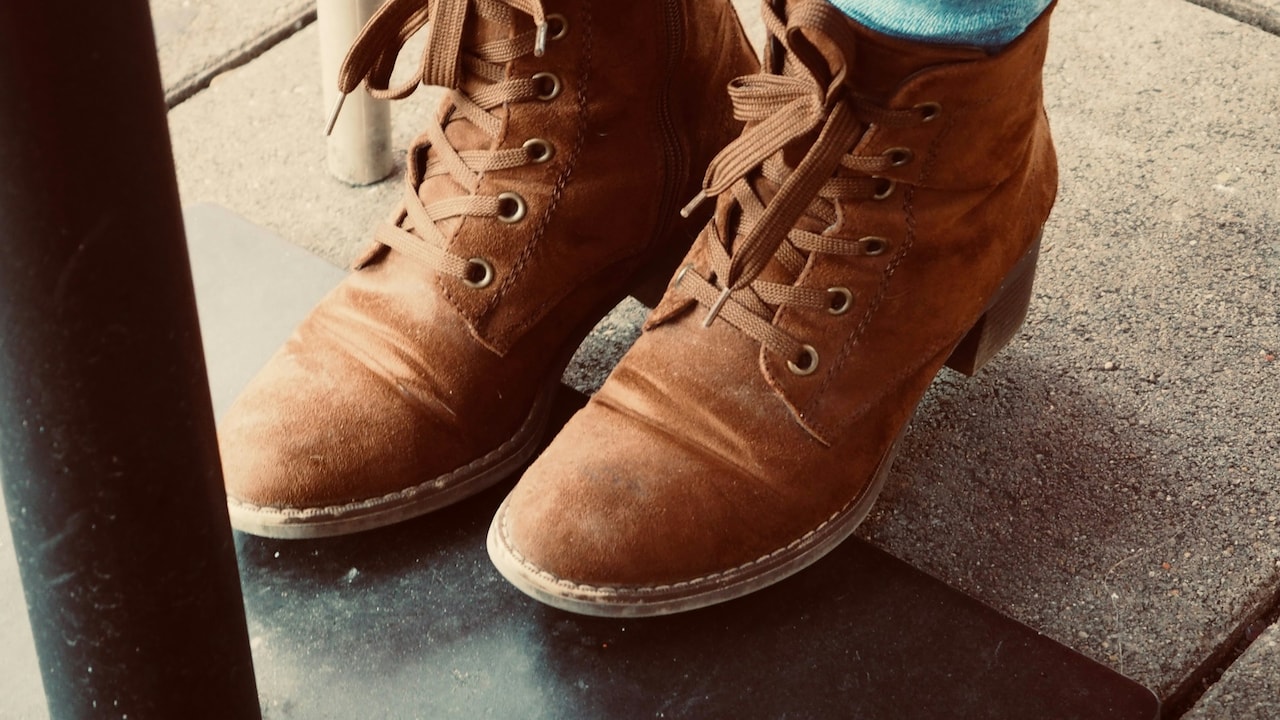
Explore 10 reasons why ankle boots feel like a warm hug in winter; Photo Credit: Unsplash
The good news: genuinely warm ankle boots exist at every budget, from high-street steals to investment leather that lasts for years. The secret lies in what sits inside and under the boot, plus how it fits around your foot and ankle. Use the points below as a checklist while shopping online or trying on pairs in-store. Toes deserve better than 'suffering for fashion'.
Also Read: How To Choose Boots That Will Suit Your Height - Ankle, Chelsea To Knee-High: A Simple Guide
What Actually Makes Ankle Boots Warm? A Quick Checklist
1) Start with the upper material, not the colour or buckle
Warm ankle boots begin with a sensible upper. Leather and suede tend to beat thin synthetics because they feel denser and help cut the wind. Leather also moulds to the foot over time, which reduces chilly gaps. Suede feels cosy, but it needs protection in damp weather, or it turns moody and blotchy after a couple of puddles.
That said, 'genuine leather' on a tag does not guarantee warmth. Some leather boots use paper-thin panels and leave you with the thermal equivalent of a jacket made of hope. Look for uppers that feel sturdy when pinched between fingers. They should not crumple like a snack wrapper.
For everyday winter cities, foggy mornings, cold metro platforms, breezy streets, full-grain or top-grain leather works brilliantly. For hill trips, choose leather with a treated finish or a tough nubuck. If the budget sits around ₹2,000–₹4,000, check stitching and thickness carefully. Well-made faux leather can still work, but it needs strong lining and a proper sole to compensate.
2) Lining decides comfort: fleece, faux fur, wool, or nothing at all
If ankle boots had a 'warmth switch', lining would be it. Many stylish pairs come with minimal lining, which feels fine indoors and cruel outdoors. A proper lining traps warm air close to the skin, and that trapped air does most of the work.
Fleece lining feels soft, dries quickly, and suits daily wear. Faux fur lining feels cosy but can compress over time, especially in the toe box, so it may lose its fluff and warmth. Wool blends offer excellent temperature balance and reduce sweaty feet, which matters because dampness makes cold feel colder.
Check whether the lining covers just the shaft or also the footbed and toe area. Some brands line only the ankle collar for comfort while leaving the front thin. That trick looks warm on a product photo but feels disappointing on a cold evening.
If shopping online, zoom into images and read reviews that mention 'toe warmth' or 'insulated'. If trying in-store, slip a finger inside. The inside should feel plush in the forefoot, not just around the ankle opening.
3) The sole is your insulation layer against freezing pavements
Feet lose heat fast through the ground. That makes the sole the quiet hero of warmth. A thin, hard sole transfers cold straight into the foot, like placing your palm on a marble slab in January. A thicker sole acts like a barrier.
Look for rubber, thermoplastic rubber (TPR), or EVA soles with decent thickness. Chunky soles and lug soles often feel warmer because they create more distance between the foot and ground. They also grip better on wet tiles and slippery pavement, which saves dignity during morning rush hour.
A common mistake: choosing a sleek ankle boot with a thin resin sole because it looks 'office-perfect'. That pair may work fine for quick car rides, but it struggles during long commutes, street shopping, or evening walks. For daily winter use, aim for at least a medium-thick sole and a textured tread.
Bonus warmth tip: removable insoles help. You can swap in thermal insoles when temperatures drop. A good insole costs far less than replacing the entire boot, and it can upgrade a borderline pair into a winter favourite.
4) Fit matters more than people admit, especially around toes
Warmth needs space, but not too much. A boot that fits like a tight glove restricts circulation, and cold toes follow quickly. A boot that feels roomy lets cold air circulate inside, which also feels unpleasant. The goal: a snug heel, a comfortable midfoot, and enough toe room to wiggle.
Toe shape plays a big role. Pointed toes look sleek but often squeeze the front. That squeeze reduces warmth on long days. Rounded and almond toes usually feel warmer because they allow natural toe spread. Square toes can feel roomy, too, though style preferences vary.
Try boots later in the day if possible. Feet swell slightly after walking, and that timing gives a more realistic fit. If buying online, check return policies and try on the socks you plan to wear.
Also, check ankle fit. An ankle boot with a wide open collar can let cold air in. A boot that hugs the ankle gently traps warmth better. Elastic side panels and adjustable laces help here, and they also make the boot easier to wear with different sock thicknesses.
5) Waterproofing keeps warmth stable, because wet equals cold
Even 'dry' winter days bring surprises: puddles, damp sidewalks, misty evenings, and the occasional tea spill during a crowded commute. Once feet get wet, warmth evaporates quickly. Waterproofing and water resistance keep that from happening.
Look for treated leather, sealed seams, and a gusseted tongue on lace-up ankle boots. A gusseted tongue connects the tongue to the sides, so water cannot sneak in through the lace area. Chelsea boots often resist light splashes, but they may leak through elastic panels if water sits there.
Suede needs extra care. A water-repellent spray helps, and it takes minutes to apply. That small step saves the boot from stains and keeps the feet dry. Dry feet feel warmer, full stop.
Also, pay attention to the sole join. Some boots glue the upper to the sole with minimal edge sealing. Those pairs tend to fail in slushy or rainy conditions. A stitched welt or at least a clean, sealed edge tends to hold up better.
For places with frequent winter drizzle, paying ₹500–₹1,000 more for a better water-resistant finish often feels worth it after the first surprise rain.
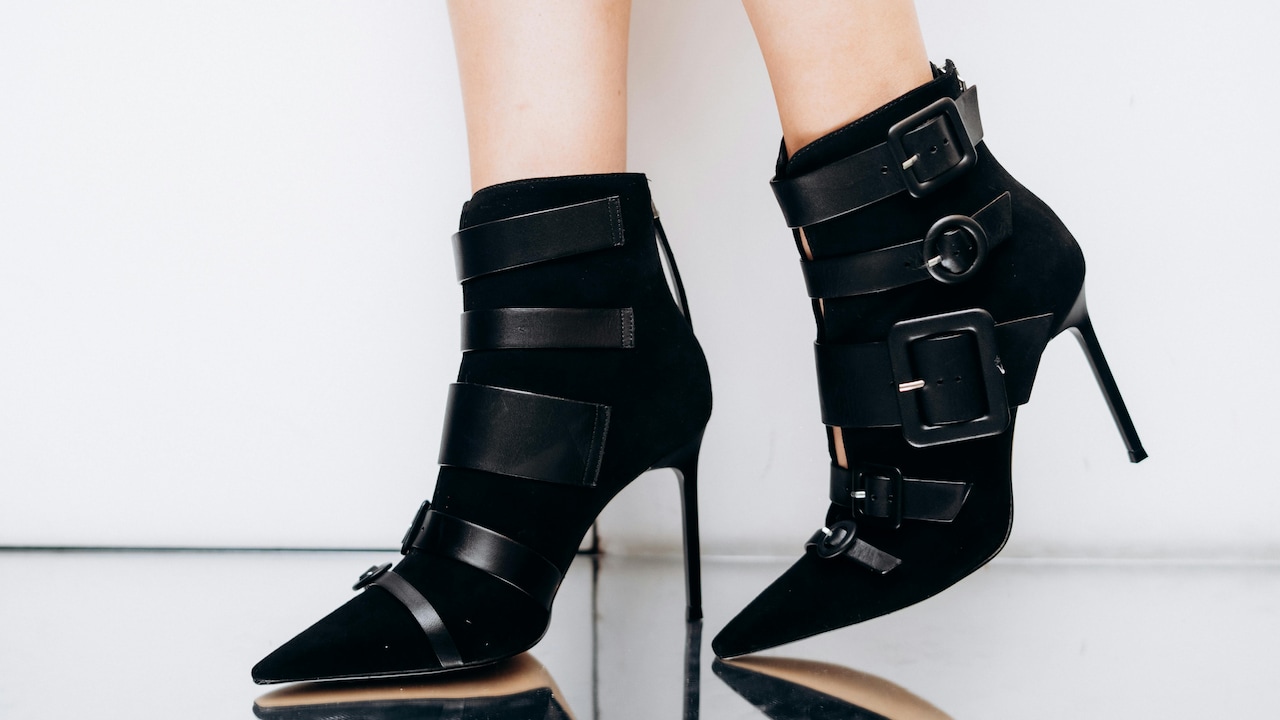
Look for ankle boots with treated leather, sealed seams, and a gusseted tongue for water-proofing; Photo Credit: Pexels
6) Boot height and shaft shape change how much wind sneaks in
Ankle boots vary more than the name suggests. Some sit below the ankle bone, while others climb higher and nearly touch the lower calf. That height difference affects warmth because wind loves to find openings.
A slightly taller shaft offers better protection, especially if trousers ride up while walking or sitting. A boot with a close shaft also helps trap warmth, like a scarf for the ankle. In contrast, a wide shaft might look edgy, but it lets cold air swirl inside, especially when paired with thin socks.
Side zips can create tiny gaps if poorly designed. Check that the zip closes flush and does not bulge. Elastic gussets should feel firm rather than loose. Loose elastic looks comfortable, but often means drafts.
For long outdoor days, street markets, late-night café hopping, hill-station strolls, choose a shaft that covers the ankle fully and fits close. For office wear, a neat ankle-hugging shape works well under trousers and still keeps warmth in.
A practical trick: pair ankle boots with leggings or slim trousers that tuck neatly. That reduces air gaps and looks polished without extra effort.
7) Socks are not an afterthought: choose the right pair for the boot
Socks can turn a decent ankle boot into a warm one, or ruin the experience entirely. Thin cotton socks absorb moisture and stay damp. Damp feet feel cold, even when the boot looks 'winter-ready'. Wool blends and thermal socks manage moisture better and hold heat.
Avoid the temptation to wear two tight socks. That squeezes the foot and cuts circulation. Instead, wear one well-made warm sock. If boots fit snugly already, choose a thinner wool blend rather than a bulky thermal pair.
Sock height also matters. Low-cut socks inside ankle boots can slip down, bunch up, and create discomfort. That bunching can cause blisters and make the boot feel colder because you keep fidgeting. Crew-length socks work better for most ankle boots, especially if the shaft sits higher.
For city commuting, a medium-thick wool blend feels ideal. For colder trips, think early morning in Shimla or a windy evening near a lake, choose thermal socks with a smooth knit. Smooth knits reduce friction inside boots.
If budgeting for warmth, spend on socks too. A solid pack for ₹600–₹1,200 can improve comfort more than an expensive buckle ever will.
8) Insulation features hide in plain sight: footbeds, toe caps, and stitching
Some boots quietly include insulation features that rarely get shouted about. A padded footbed helps because it adds a layer between the foot and the cold ground. Memory foam can feel comfortable, but look for foam that feels dense, not spongy. Spongy foam flattens fast.
Toe construction matters too. Some boots include a thin reinforcement at the toe that blocks wind. Others use a minimal toe cap that feels flimsy. If toes feel cold quickly, that toe area often lacks structure and lining.
Stitching also influences warmth. Strong stitching reduces gaps where air can enter. Decorative stitching can look lovely, but if it creates tiny holes through the upper without proper backing, drafts can creep in. That happens more often with cheaper pairs.
Check the insole: can it come out? A removable insole lets you add a thermal layer. Even a simple felt insole can add warmth, especially for people who spend time outdoors in the evening.
Also consider metal hardware. Lots of metal eyelets and buckles can feel cold to the touch and may transfer chill, especially near the tongue area. It rarely makes or breaks warmth, but it can affect comfort on very cold mornings.
9) Heel height and shape affect warmth and winter walking confidence
Heels change posture, pressure, and stability. A very thin heel can make winter walking stressful on wet surfaces, and stress makes everything feel colder. A stable block heel or a low platform feels more secure and often comes with a thicker sole, which helps with insulation.
A flat ankle boot with a thin sole may look minimal and modern, but it can feel colder than a low block heel with a chunky tread. The difference shows up during long walks on cold pavement or when standing outside while waiting for a cab.
Also, watch for how the boot flexes. If the sole feels rigid like a plank, the foot works harder while walking. That can cause fatigue and discomfort. A well-designed winter boot flexes slightly at the ball of the foot while staying thick enough for insulation.
For office and daily errands, a 2–5 cm block heel often hits the sweet spot: comfortable, stable, and warm enough. For hill trips, choose low heels and grippy soles. A cute heel looks fun until a slippery patch turns the day into a dramatic slow-motion dance.
Warmth should not demand heroics. A stable boot keeps you relaxed, and relaxed feet stay warmer.
10) Care and styling choices can quietly upgrade warmth all season
Warm ankle boots stay warm when they stay in good shape. Wet boots need proper drying. Avoid placing them right next to a heater, because heat can crack leather and warp glue. Stuff them with newspaper, let them dry in a ventilated spot, then condition leather occasionally to prevent stiffness.
Rotation helps too. Wearing the same pair daily traps moisture inside, especially if feet sweat. Moisture makes the boot feel colder the next day. Alternating between two pairs keeps both drier and warmer. That sounds like a shopping excuse, but it's also practical.
Styling can add warmth without looking bulky. Tuck trousers into ankle boots on colder days, or wear thicker tights under dresses. Add leg warmers that peek slightly above the shaft for a playful look. This also blocks drafts around the ankle.
Consider weather-specific choices. On dry chilly days, suede and fleece lining feel cosy and stylish. On damp days, treated leather with a rubber lug sole feels like common sense. A boot wardrobe does not need to be huge; it needs to be strategic.
With the right care, even a ₹3,000–₹6,000 pair can last multiple winters and keep comfort consistent.
Products Related To This Article
1. El Paso Women Block Heel Chelsea Boots
2. Roadster Women Zippered Boots
3. Yoho Women High-Top Uggs Boot Suede Leather Finish Winter Boot
4. bacca bucci Men High-Top Hiking Boots
5. Killer Men Round-Toe Casual Regular Boots
6. Goldstar Men High Top Boots
7. Bruno Manetti Women Black Solid Suede High-Top Flat Boots
Ankle boots can keep feet warm, but the warm pairs earn that title through smart details. Prioritise lining that covers the foot, a sole thick enough to block cold ground, and a fit that supports circulation while avoiding drafty gaps. Add water resistance to protect warmth in real-world weather, not just in a mirror selfie.
Treat socks like part of the system, not an accessory. Choose wool blends or thermals that manage moisture, and avoid squeezing toes into pointed boots that look stylish but feel chilly. If a boot offers removable insoles, grab that advantage and customise the warmth.
A good winter ankle boot should feel like a friendly companion on foggy mornings and late-night snack runs. No drama, no numb toes, no regrets. With a sharp checklist and a bit of care, the right pair will keep you warm and look great doing it.
(Disclaimer: This article may include references to or features of products and services made available through affiliate marketing campaigns. NDTV Convergence Limited (“NDTV”) strives to maintain editorial independence while participating in such campaigns. NDTV does not assume responsibility for the performance or claims of any featured products or services.)