How To Dress For A Humid Commute And Cold Office: 10 Shirt Fabric And Layering Fixes
Stay cool on a humid commute and warm in a chilly office with the right shirt fabrics, breathable fits and smart layers. These 10 practical fixes make dressing for changing temperatures easier.

Monsoon dressing tips for humid outdoors and cold indoors
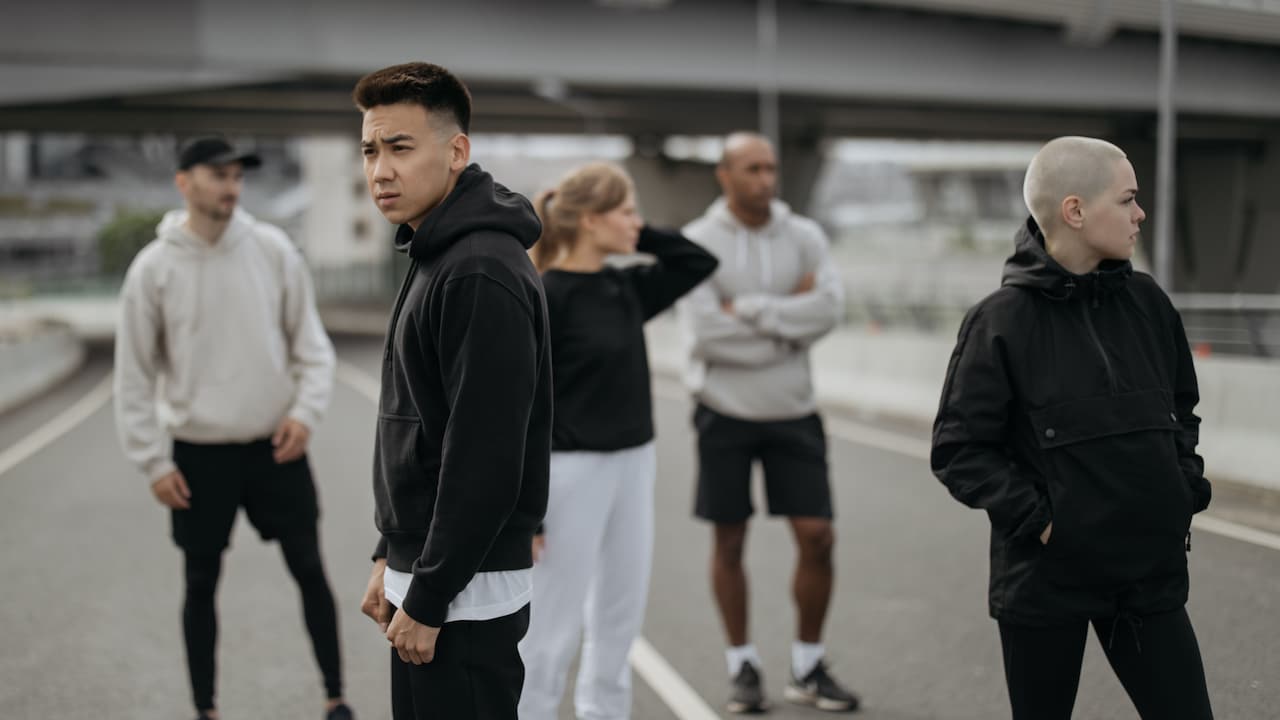
Getting dressed for work sounds simple until the weather and the office thermostat start pulling in opposite directions. Outside, the morning may already feel warm enough to make a brisk walk to the station uncomfortable. Add a crowded bus, a helmet, an auto ride through traffic or five minutes under the sun, and even a crisp shirt can lose its charm quickly. Then comes the office, where the air-conditioning often seems designed for storing dairy products rather than keeping air conditioningle. That temperature swing creates an awkward wardrobe problem. Heavy fabrics feel unbearable during the commute, yet very thin shirts can leave the wearer shivering at a desk. The trick is to stop thinking about one outfit doing everything. Instead, build an outfit in stages.

Easy tips to dress up for office in humid weather and colder environments
Photo Credit: Pexels
The shirt should handle heat and moisture. The layer above it should deal with the office chill. Small details such as weave, fit, colour and undershirt choice matter too. With the right combination, it becomes much easier to look sharp without spending the day either wiping sweat from the collar or hunting for an unused conference-room jacket.
Also Read: Cigarette Pants Style Guide: How To Wear Them at Work, Brunch And Beyond
10 Smart Ways To Stay Cool Outside And Comfortable At Work
1. Choose Lightweight Cotton With A Loose Weave
Cotton remains one of the easiest fabrics to wear during a humid commute, but not every cotton shirt behaves the same way. Thick, tightly woven cotton can trap warmth and feel heavy once moisture enters the picture. A lighter weave usually works better.
Look for shirts that feel airy when held up against the light rather than dense and stiff. Poplin and lightweight broadcloth are useful choices because they tend to feel smooth, breathable and suitable for office dressing. They also dry more comfortably than heavier cotton fabrics.
Fit matters just as much as fabric. A shirt that sits too close to the chest, shoulders and back leaves very little room for air to circulate. A slightly relaxed cut offers more breathing space while still looking professional.
This is especially useful for commuters who walk part of the journey or switch between public transport and outdoor stretches. A pale blue or soft striped cotton shirt can survive a humid morning while still looking appropriate in a meeting.
The aim is simple: choose cotton that breathes, rather than cotton that merely looks crisp on a hanger.
2. Try Linen Blends Instead Of Pure Linen
Linen feels almost made for hot, sticky weather. It allows air to move freely and usually feels cooler against the skin than many tightly woven fabrics. The problem is that pure linen wrinkles with almost comic enthusiasm.
That relaxed, crumpled charm works beautifully for weekend lunches. It can look less convincing in a formal office at 10.30 in the morning.
A linen blend offers a practical middle ground. Shirts combining linen with cotton, viscose or a small amount of synthetic fibre usually retain some of linen's breathability while creasing less dramatically.
For a humid commute, that difference matters. The shirt can handle body heat without looking as though it has spent the journey folded inside a backpack.
Choose understated colours such as white, beige, pale olive, sky blue or soft grey. These shades tend to suit warm-weather dressing and work easily with office trousers.
A linen-blend shirt also pairs well with a light overshirt or cardigan indoors. That combination keeps the outfit flexible without adding bulk.
Think of pure linen as the charming but unpredictable friend. A linen blend is the same friend after learning how calendars and ironing boards work.
3. Use Moisture-Wicking Shirts Carefully
Performance fabrics have moved far beyond gym T-shirts. Many office shirts now include moisture-wicking fibres designed to move perspiration away from the skin and help it evaporate faster.
That can be extremely useful during a humid commute.
However, not every so-called performance shirt belongs in a workplace wardrobe. Some have a shiny finish or overly sporty texture that looks more suited to a morning run than a client meeting.
The better options resemble traditional shirting from a distance while quietly offering stretch, faster drying and improved airflow. A cotton-polyester blend with moisture-management properties can work well for people who commute long distances or spend time outdoors before reaching the office.
These shirts also tend to resist creasing, which helps after a packed metro ride or a long drive.
Still, comfort should come before technical marketing. If the fabric feels plasticky, heavy or strangely warm when tried on, it will probably feel worse in humidity.
A well-made moisture-wicking shirt should feel light, soft and almost ordinary. The technology should solve a problem without announcing itself across the conference table.
4. Wear A Breathable Undershirt
An undershirt may sound like an extra layer nobody needs in humid weather, yet the right one can make a surprising difference.
A thin, breathable undershirt helps absorb perspiration before it reaches the outer shirt. That can reduce visible sweat patches around the chest, back and underarms, especially during a crowded commute.
The key word is thin.
A thick cotton vest can trap warmth and create exactly the problem it is supposed to solve. Instead, choose a lightweight cotton, modal or moisture-wicking undershirt that sits close to the body without feeling restrictive.
Colour matters as well. White undershirts can sometimes show through light shirts. A skin-toned or muted grey option often disappears more effectively underneath pale fabric.
The neckline should stay hidden too. A deep crew neck or V-neck works better if the top shirt button remains open.
This small addition can also make the transition into a cold office more comfortable. Once the body cools down after the commute, the undershirt provides a modest extra barrier against air-conditioning.
It is not glamorous, but neither is arriving at a desk with a damp shirt stuck to the back.
5. Keep The Shirt Slightly Relaxed
Slim-fit shirts look sharp in photographs. During a humid commute, they can also behave like cling film.
When fabric sits tightly against the body, perspiration has nowhere to go and air struggles to circulate. The result is often a shirt that feels damp long after the commute has ended.
A slightly relaxed fit gives the body some breathing room.
That does not mean wearing an oversized shirt with sleeves halfway over the hands. A good warm-weather fit should still sit neatly across the shoulders while allowing a little ease around the torso and upper arms.
This is particularly helpful when carrying a laptop bag or backpack. Tight shirts can pull across the back and trap sweat underneath bag straps, while a roomier cut generally recovers more quickly once the bag comes off.
Look for terms such as regular fit, comfort fit or tailored fit rather than ultra-slim or muscle fit.
The visual difference is subtle, but the comfort difference can be significant.
Office style does not depend on squeezing into the narrowest possible silhouette. A shirt that moves naturally with the body often looks more confident than one constantly being tugged back into place.

Opt for relaxed fit shirts to give your body proper breathing space
Photo Credit: Pexels
6. Add A Lightweight Office Layer
The most effective solution to the humid-commute-cold-office problem is often a layer that never leaves the workplace.
Instead of wearing a jacket through the heat, keep a lightweight cardigan, knitted jacket or unstructured blazer at the desk. Put it on after the body has cooled down indoors.
This removes the need to compromise on the commute shirt.
A fine-gauge cardigan works particularly well because it adds warmth without looking bulky. An unstructured blazer is a stronger choice for workplaces with a formal dress code, especially when meetings appear unexpectedly on the calendar.
Choose fabrics that are comfortable in air-conditioned spaces but easy to fold or drape over a chair. Merino blends, cotton knits and lightweight jersey can all work depending on the level of formality.
Neutral shades such as navy, charcoal, taupe or dark olive pair easily with several shirts, which means one office layer can support most of the weekly wardrobe.
Keeping it at work also saves bag space.
There is no medal for carrying a blazer through 34-degree heat just to wear it in a room cold enough to preserve chocolate.
7. Consider An Overshirt For Casual Offices
For workplaces where a blazer feels too formal, an overshirt can provide the ideal middle layer.
An overshirt sits somewhere between a shirt and a light jacket. It can be worn open over a regular shirt or T-shirt and removed easily when stepping outside.
The best versions for office use avoid bulky pockets, heavy denim and rugged workwear styling. Look instead for clean cotton twill, lightweight blends or soft structured fabrics in simple colours.
Navy, stone, khaki and charcoal tend to work with a wide range of office outfits.
The advantage is versatility. During the commute, the overshirt can stay folded inside a bag. Inside the office, it adds enough warmth to deal with strong air-conditioning without creating the stiffness of a traditional jacket.
It also works well for people whose day moves between desk work, informal meetings and coffee runs.
A plain overshirt worn over a pale Oxford or poplin shirt can look polished without feeling corporate.
For offices with smart-casual dress codes, it may become the one layer that quietly earns its place on the back of the chair every day.
8. Pick Colours That Handle Sweat Better
Fabric gets most of the attention, but colour can rescue an outfit on particularly humid days.
Certain shades make perspiration far more obvious than others. Mid-grey shirts, for example, have an unfortunate talent for displaying every damp patch with impressive clarity.
Very dark colours can hide moisture better, although they may absorb more heat when worn outdoors in direct sunlight.
Pale colours often offer the most practical balance. White, soft blue, cream, light stripes and subtle checks tend to disguise minor moisture while reflecting some heat.
Patterns can help too. A fine stripe or small check breaks up the surface visually, making temporary sweat marks less noticeable than they might appear on a solid mid-tone shirt.
This does not mean the work wardrobe has to resemble a summer resort catalogue. Classic office colours still work perfectly well.
The trick is knowing which shirt to reach for on days when the humidity forecast feels particularly unforgiving.
Save the fitted charcoal-grey shirt for a comfortable car commute or cooler weather. On a muggy Monday involving a metro change and a ten-minute walk, pale blue may prove far more forgiving.
9. Carry The Layer, Not The Heat
One common mistake is dressing for the coldest part of the day before leaving home.
A commuter knows the office will be chilly, so a blazer or jumper goes on immediately. Five minutes later, the morning humidity has turned that sensible decision into a portable sauna.
The better approach is to separate commuting clothes from climate-control clothes.
Wear the breathable shirt during the journey and carry the warmer layer. A tote, laptop bag or backpack with enough room for a folded cardigan or lightweight jacket makes this easy.
To reduce creasing, fold structured layers carefully rather than stuffing them into the smallest available corner. Some commuters may find it even easier to leave one dependable layer permanently at work.
This method also helps the body cool naturally after reaching the office. Putting on a cardigan immediately after walking through the heat can trap residual warmth and moisture. Give the shirt a few minutes to breathe first.
By the time the air-conditioning starts feeling aggressive, the additional layer can come out.
The commute and office are two different climates. Treating them as separate dressing zones makes far more sense than trying to defeat both with one heavy outfit.
10. Build A Simple Two-Climate Work Uniform
The easiest wardrobe is often the one that removes unnecessary morning decisions.
A reliable two-climate work uniform can be surprisingly simple: breathable shirt, comfortable trousers, light undershirt if needed and one office layer.
Once the formula works, repeat it with small variations.
For example, Monday might mean a pale cotton poplin shirt with navy trousers and a desk cardigan. Tuesday could bring a linen-blend shirt with charcoal trousers and the same cardigan. Wednesday might involve a performance cotton shirt with an unstructured blazer kept at work.
The system stays consistent even when the colours change.
This approach is especially useful during long stretches of muggy weather, when standing in front of a wardrobe debating fabrics at 8.15 in the morning feels unnecessarily dramatic.
A small rotation of well-chosen shirts will usually perform better than a crowded wardrobe full of fabrics that look good but feel uncomfortable.
Spending ₹2,000 or ₹3,000 on a shirt that gets worn regularly can make more sense than buying several cheaper shirts that remain untouched because they trap heat.
Comfort encourages repeat wear. Repeat wear creates value. The best work uniform is the one that survives both the street outside and the thermostat inside.
Products Related To This Article
1. Allen Solly Men Spread Collar Micro Checked Cotton Slim Fit Formal Shirt
2. Mast & Harbour Notched Lapel Single Breasted Casual Blazer
3. TRIBE Men Solid Relaxed Loose Fit Pleated Trousers
4. Louis Philippe Men Slim Fit Easy to Iron Premium Cotton Full Sleeve Formal Shirt
5. Arrow Men Notched Lapel Long Sleeves Single Breasted Blazers
6. HIGHLANDER Slim Fit Shirt
7. INVICTUS Men Slim Fit Formal Trousers
8. INVICTUS Men Self Design Slim Fit Formal Shirt
Dressing for a humid commute and a cold office does not require complicated fashion rules. It requires recognising that the day contains two very different environments.
Start with a breathable shirt that can handle heat, movement and moisture. Lightweight cotton, linen blends and carefully chosen performance fabrics all have a place. Give the body room to breathe with a comfortable fit, and use a thin undershirt when extra sweat protection makes sense.
Then handle the office chill separately. Keep a cardigan, overshirt or unstructured blazer nearby instead of wearing unnecessary warmth through the commute.
Even smaller choices, such as pale colours and subtle patterns, can make a surprisingly noticeable difference on sticky mornings.
The result is less wardrobe drama and more comfort. No heroic battle with the office thermostat is required, and there is no need to arrive at work looking as though the commute involved crossing a rainforest.
Dress for the heat first, layer for the air-conditioning second, and let the outfit adjust as smoothly as the working day does.
(Disclaimer: This article may include references to or features of products and services made available through affiliate marketing campaigns. NDTV Convergence Limited (“NDTV”) strives to maintain editorial independence while participating in such campaigns. NDTV does not assume responsibility for the performance or claims of any featured products or services.)