10 Activewear Mistakes That Can Make Walking, Yoga And Strength Training Less Comfortable
Avoid common activewear mistakes that cause chafing, poor support, overheating and restricted movement during walking, yoga and strength training. The right fit, fabric and footwear can make every workout feel more comfortable.
10 Activewear Mistakes That Can Make Walking, Yoga And Strength Training Less Comfortable
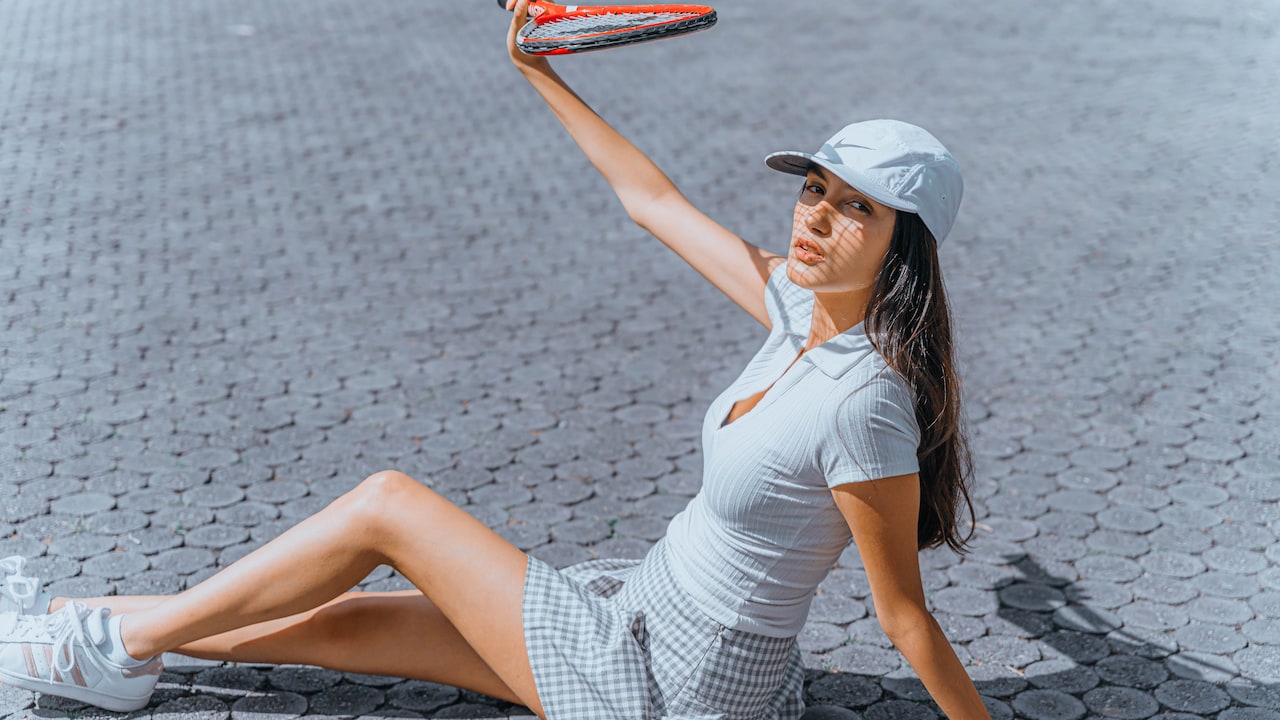
Some workout discomfort is expected. Muscles may protest during a challenging squat, and a brisk morning walk can leave the calves asking awkward questions. Your activewear, however, should not join the rebellion. Yet that happens more often than people realise. A pair of leggings can look perfect in the mirror and become a waistband battle five minutes into a walk. A loose cotton T-shirt may feel wonderfully airy at home but turn heavy after a sweaty strength session. Even the wrong socks can leave feet feeling as though they have spent an hour negotiating with sandpaper. Comfort matters because distraction changes how movement feels. When someone keeps adjusting straps, pulling down a top or worrying about fabric turning transparent during yoga, attention shifts away from breathing, posture and technique.
10 Activewear Mistakes That Can Make Walking, Yoga And Strength Training Less Comfortable
Photo Credit: Pexels
The best activewear does not need to cost ₹5,000 or come from a fashionable label. It simply needs to suit the activity, climate, body and level of movement. These ten common mistakes can quietly make walking, yoga and strength training far less comfortable than they need to be.
Common Activewear Mistakes That Can Affect Workout Comfort
1. Choosing The Same Outfit For Every Workout
One reliable gym outfit can feel like a small life victory. The trouble begins when that same outfit gets recruited for every form of exercise.
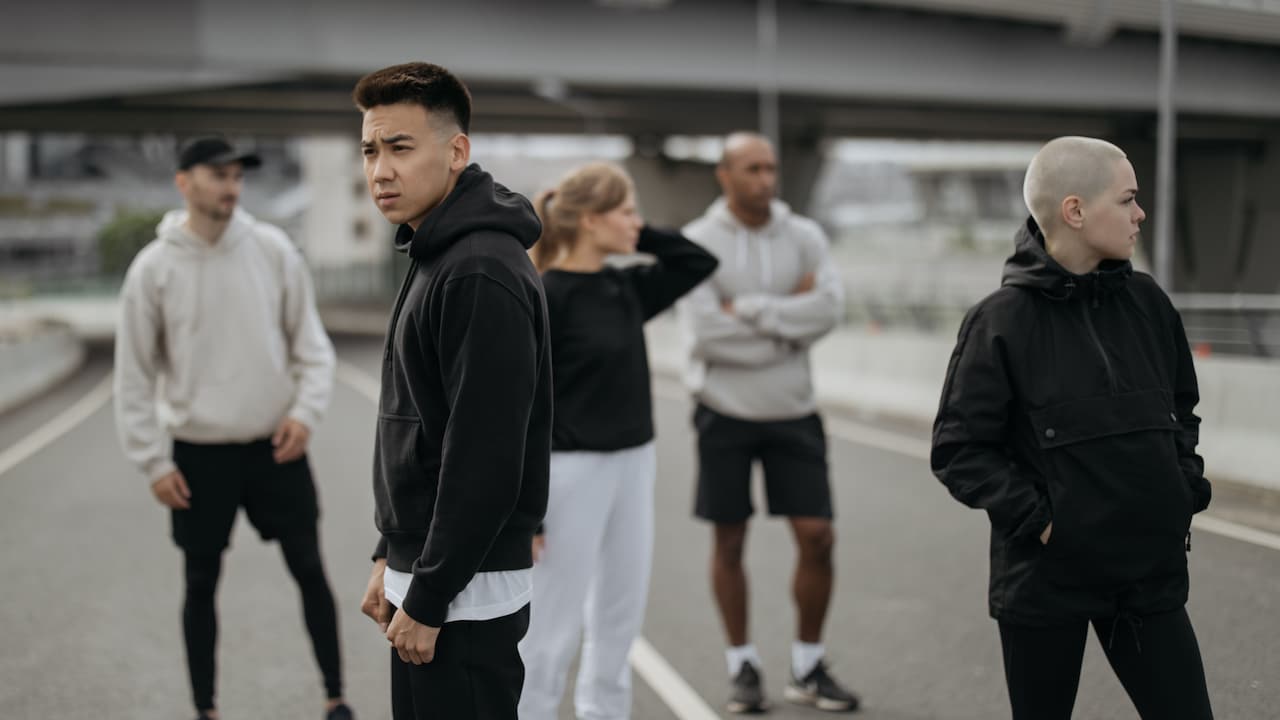
Walking, yoga and strength training involve very different movements. Walking usually benefits from light, breathable clothes that manage sweat and allow an easy stride. Yoga demands stretch, coverage and fabric that stays in place through bends, twists and inversions. Strength training needs clothing that allows deep movement without catching on equipment or restricting the hips and shoulders.
A loose T-shirt that feels breezy during an evening walk may keep falling towards the face during downward dog. Very soft yoga leggings may feel comfortable during stretches but lack the support someone prefers while performing squats or deadlifts.
Think of activewear the way you might think of footwear. Nobody expects bathroom slippers to perform brilliantly on a treadmill.
There is no need for an overflowing wardrobe. Two or three thoughtfully chosen combinations can cover most routines. The key is matching the clothes to how the body will actually move rather than choosing an outfit simply because it carries the mysterious label of “sportswear”.
2. Wearing Leggings That Are Too Tight
Compression can feel supportive, but there is a difference between snug and restrictive. If leggings leave deep marks around the waist, pinch behind the knees or make a simple forward fold feel like a negotiation, they may be too tight.
During walking, overly tight leggings can rub around the waist or thighs. During yoga, restrictive fabric may limit hip movement and make deep stretches uncomfortable. Strength training can expose the problem even faster. Squats, lunges and Romanian deadlifts require freedom through the hips, glutes and knees.
A common mistake is buying a smaller size because it appears more sculpting. That may look fine while standing still, but activewear should be judged while moving. Try a few squats, knee raises and side bends in the changing room if possible.
The waistband deserves special attention. It should stay secure without making breathing uncomfortable after a meal or during core exercises.
Good leggings should feel like quiet support, not packaging tape. The fabric should stretch with the body and return to shape without digging in. When movement feels restricted before the workout even begins, sizing is usually worth reconsidering.
3. Buying Leggings That Keep Sliding Down
The opposite problem can be just as irritating. Few things interrupt a peaceful walk faster than having to pull up a waistband every twenty steps.
Leggings usually slide because the waistband is too loose, the fabric lacks recovery or the cut does not match the wearer's proportions. Sometimes the size itself is not the problem. A person may have a smaller waist and fuller hips, making certain straight-cut designs difficult to keep in place.
Yoga makes slipping waistbands particularly noticeable. Moving between standing poses, planks and forward folds can slowly drag poorly fitted leggings down. Strength training adds repeated bending and bracing, which can make the issue even worse.
Look for waistbands that sit securely without rolling. Wider bands often distribute pressure more comfortably than thin elastic ones. A drawcord can also help during walking or training, although some people find knots uncomfortable during floor-based yoga.
Testing movement before buying can save plenty of frustration. Sit, squat, bend and walk around. If the waistband already needs attention inside the shop, it is unlikely to become magically obedient after forty minutes of exercise.
4. Ignoring Whether The Fabric Turns Sheer
A pair of leggings may look completely opaque while standing upright and become unexpectedly revealing during the first squat.
This is especially relevant for yoga and strength training, where bending and stretching place more tension on fabric. Thin material can become sheer across the hips or seat even when the size appears correct. Bright lighting can make the issue more obvious.
The simplest check is the squat test. Stand in good light, bend into a deep squat and check the fabric in a mirror. Trying this at home before removing the tags can prevent an uncomfortable surprise later.
Fabric quality matters, but thickness alone does not guarantee coverage. Some lighter technical fabrics remain opaque because they are densely knitted, while certain thicker materials become transparent when overstretched.
Colour can also influence how noticeable the problem feels. Pale shades often reveal underwear lines more easily than darker tones.
There is nothing wrong with choosing colourful activewear. The aim is simply to make sure the fabric behaves the way you expect. A yoga class should involve thinking about balance and breathing, not wondering whether everyone behind you has received more visual information than planned.
5. Wearing Cotton For Very Sweaty Sessions
Cotton feels soft, familiar and comfortable at the beginning of a workout. Then the sweating starts.
Cotton absorbs moisture easily but tends to hold onto it. During a warm walk, demanding yoga flow or intense strength session, a cotton T-shirt can become heavy and clingy. In humid weather, that damp feeling can linger long after the workout ends.
Moisture-wicking fabrics are usually more comfortable when sweat levels rise. They are designed to move moisture away from the skin and dry faster. That can help reduce the sticky, chilled feeling that often appears after exercising under a fan or stepping into an air-conditioned room.
Cotton is not automatically a bad choice. It can work perfectly well for gentle stretching, short walks or low-intensity sessions where sweating is minimal.
The mistake is assuming natural fabric always means better workout comfort.
For people who dislike the synthetic feel of some sportswear, blended fabrics can offer a useful middle ground. Look for soft, breathable materials with some stretch and quick-drying ability. Nobody needs to finish a thirty-minute workout wearing a shirt that suddenly feels as heavy as a wet kitchen towel.
6. Choosing The Wrong Sports Bra For The Activity
A sports bra that works beautifully for yoga may feel completely inadequate during a fast walk or energetic strength circuit.
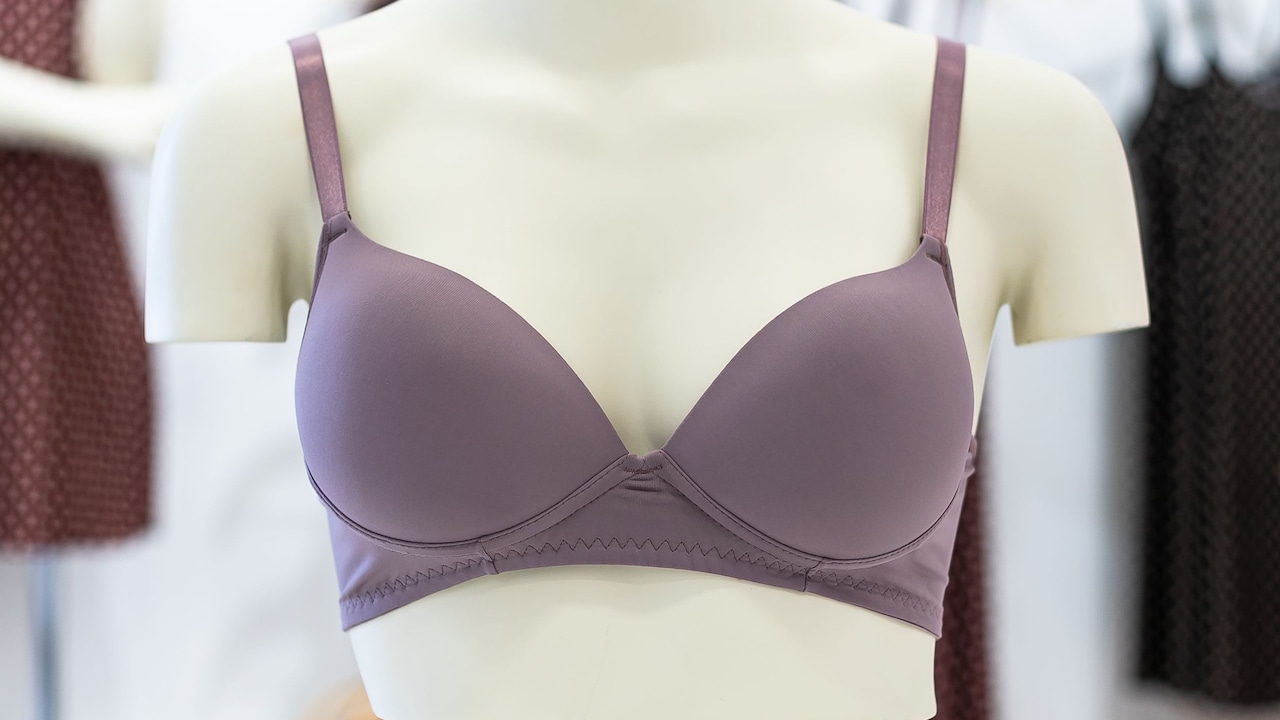
Support requirements change depending on movement and personal comfort. Low-impact bras usually suit gentle yoga and mobility work. Medium-support designs may feel more secure for brisk walking and many strength sessions. People who experience more breast movement may prefer higher support even during activities traditionally labelled “low impact”.
The straps should stay in place without digging into the shoulders. The underband should feel secure but should not make deep breathing difficult. Cups should provide coverage without spilling, gaping or creating uncomfortable pressure.
Another common issue is wearing the same sports bra for years. Elastic slowly loses its strength, particularly when bras are washed frequently or dried using high heat.
Price does not always predict comfort. A ₹900 bra that fits correctly can feel much better than an expensive design with awkward seams or the wrong support level.
Pay attention to how the body feels during movement. If bouncing, chafing, rubbing or constant strap adjustments become part of the workout, the bra is not simply annoying. It is the wrong tool for the job.
10 Activewear Mistakes That Can Make Walking, Yoga And Strength Training Less Comfortable
Photo Credit: Pexels
7. Forgetting About Seams And Chafing
A seam that feels harmless while getting dressed can become surprisingly aggressive after several thousand steps.
Chafing happens when skin repeatedly rubs against skin or fabric. Common trouble spots include the inner thighs, underarms, bra line, waistband and areas where thick seams sit against the body.
Walking often exposes inner-thigh rubbing because of repeated forward motion. Yoga can reveal rough seams during floor poses. Strength training may create friction when clothes move repeatedly during lunges, rowing motions or high-repetition exercises.
Flat seams can reduce irritation, especially for longer sessions. Some activewear uses bonded or seamless construction for the same reason.
Fit also matters. Clothing that is extremely loose may move around too much, while overly tight fabric can create pressure and rubbing in specific areas.
Do not ignore early irritation. A slightly sore patch at the beginning of a long walk can become genuinely painful later. Anti-chafing products can help, but clothing choices should still address the cause.
Activewear should allow the body to move without behaving like a cheese grater. Comfort often comes down to small construction details that are easy to miss while shopping.
8. Picking The Wrong Length For The Weather
Full-length leggings may look stylish, but they can feel like portable central heating during a humid afternoon walk.
Climate and workout intensity should influence how much coverage feels comfortable. Cropped leggings, shorts or lightweight joggers may feel better during warmer months. During cooler early mornings, full-length options can provide welcome warmth.
Yoga adds another consideration. Very loose trousers may ride up during inversions or become tangled around the legs during transitions. Extremely short shorts can also feel uncomfortable in poses that involve wide stances, depending on personal preference and the setting.
Strength training requires enough coverage for comfortable contact with benches, mats and equipment. Some people dislike bare skin against shared surfaces and prefer longer shorts or leggings even in warm conditions.
The best length is not necessarily the trendiest one. It is the length that allows movement without overheating, tugging or excessive adjustment.
A 6 am winter walk and a 5 pm May workout may require completely different clothing. Expecting one outfit to handle both is asking a lot from a piece of polyester.
9. Wearing Unsuitable Shoes And Socks For Walking
Activewear mistakes do not stop at the ankle.
Walking in casual sneakers that lack cushioning, flexibility or a comfortable fit can quickly lead to sore feet. Shoes should feel secure around the heel, provide enough space for the toes and suit the walking surface.
Socks matter too. Thin fashion socks can slide, bunch or trap moisture. Rough seams may rub against the toes, while thick cotton socks can stay damp during long walks.
Moisture-managing sports socks often feel more comfortable, particularly in hot weather. Some people prefer lightly cushioned soles, while others enjoy thinner designs. The right choice depends on shoe fit and personal preference.
Yoga and most stationary strength exercises have different footwear needs. Yoga is usually practised barefoot for grip and control unless medical or studio requirements suggest otherwise. Strength training footwear can vary depending on the exercise, but stability often matters more than soft running-style cushioning.
For walking, replace shoes when the sole becomes badly worn or cushioning feels noticeably flattened. A favourite pair may still look presentable while providing far less support than it once did. Feet usually notice before the wardrobe does.
Also Read: Top 5 Activewear For Women To Buy In 2026: Gym, Yoga, And Running
10. Choosing Activewear For Looks Instead Of Movement
There is nothing wrong with wanting workout clothes to look good. A flattering colour or coordinated set can make getting ready feel more enjoyable.
Problems begin when appearance becomes the only test.
A cropped top may look excellent but keep riding up during overhead presses. Trendy flared leggings may feel stylish for a coffee run but become awkward around certain gym machines. A fashionable one-shoulder sports bra may look striking while offering less support than needed.
The best test is simple: can the outfit survive the movements you actually plan to perform?
Before buying, mimic a few exercises. Raise the arms overhead. Twist. Squat. Take a long step forward. Sit down. Bend at the hips. Notice whether anything pinches, slips or exposes more than expected.
Comfort can also influence confidence. When clothing stays where it should, attention naturally returns to the workout.
Style and function do not need to compete. Plenty of attractive activewear performs well. The trick is choosing pieces that look good while moving, not just while standing in front of a mirror. Workout clothes should support the activity rather than becoming another exercise to manage.
10 Activewear Mistakes That Can Make Walking, Yoga And Strength Training Less Comfortable
Photo Credit: Pexels
Products Related To This Article
1. Slazenger Women Regular Fit Brand Logo Dry Fit Training Cargos
2. HRX by Hrithik Roshan Men Rapid-Dry Hooded Running Track-Suit
3. Loomzy High Rise Flared Ankle Length Tights
4. Decathlon Domyos - Men Black FJA 100 Moisture Managing Fitness Tracksuit Jackets
5. POOJA RAGENEE Bra Full Coverage Lightly Padded
6. ADIDAS 3S Plain TS Stand Collar Tracksuis
7. Technosport Bra Full Coverage Lightly Padded
Comfortable exercise does not begin with the perfect matching set, and it certainly does not depend on buying the most expensive activewear in the shop. It begins with paying attention to movement.
A waistband that stays put, a breathable T-shirt, supportive footwear and a sports bra suited to the activity can change how a workout feels. Small details matter when the body repeats the same movement hundreds of times.
Walking should not involve constant waistband adjustments. Yoga should not require strategic T-shirt management during downward dog. Strength training should not become a battle between a squat and an unforgiving seam.
The smartest activewear choices are often the least dramatic ones. They stretch when needed, breathe when things get sweaty and remain comfortably forgettable once the workout begins.
That is ultimately the best compliment workout clothing can receive. When activewear does its job properly, it almost disappears from attention, leaving more room to focus on movement, strength and perhaps the much more important question of what to eat afterwards.
(Disclaimer: This article may include references to or features of products and services made available through affiliate marketing campaigns. NDTV Convergence Limited (“NDTV”) strives to maintain editorial independence while participating in such campaigns. NDTV does not assume responsibility for the performance or claims of any featured products or services.)