How To Identify A Silk Saree, Pure Or Blended, That Is Worth The Price
Pure silk or clever blend? Learn how to spot quality silk sarees, decode pricing, and avoid overpaying, using simple checks on texture, weave, shine and craftsmanship.
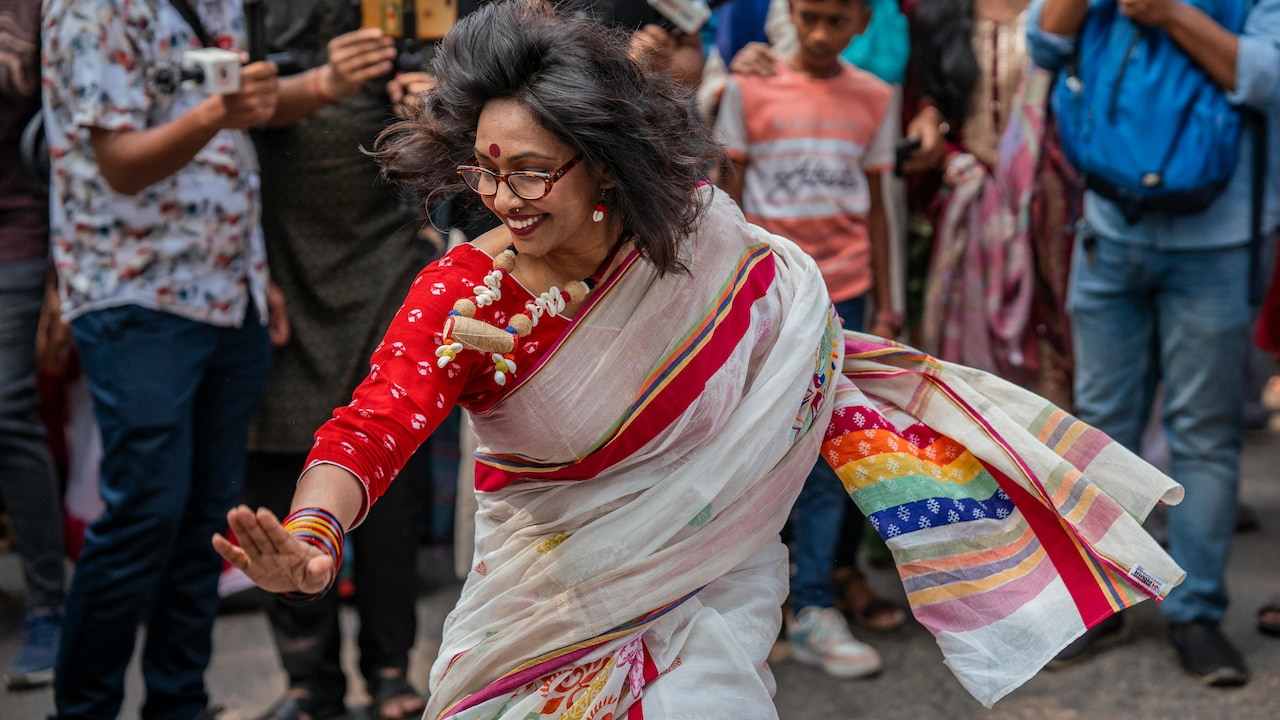
Pure or Blended Silk Saree? How to Check Quality and Avoid Overpaying.
Silk sarees occupy a special corner of wardrobes across the country. They appear at weddings, religious ceremonies, milestone birthdays, and family photographs that get framed for decades. A good silk saree feels luxurious, lasts for years, and often becomes an heirloom. A poor one fades, frays, and leaves behind only buyer's remorse. The challenge lies in choice. Shops sparkle with sheen and sales talk. Labels promise “pure silk feel” or “silk-rich blend” without clarity. Prices swing wildly, from ₹3,000 to ₹3,00,000, leaving many wondering what truly makes a saree worth its price.
This article simplifies the process. It explains how to recognise quality silk, pure or blended, using touch, sight, logic, and a little cultural common sense. Here we explain how to identify a silk saree easily, whether it is pure or blended, and if it is worth the price.
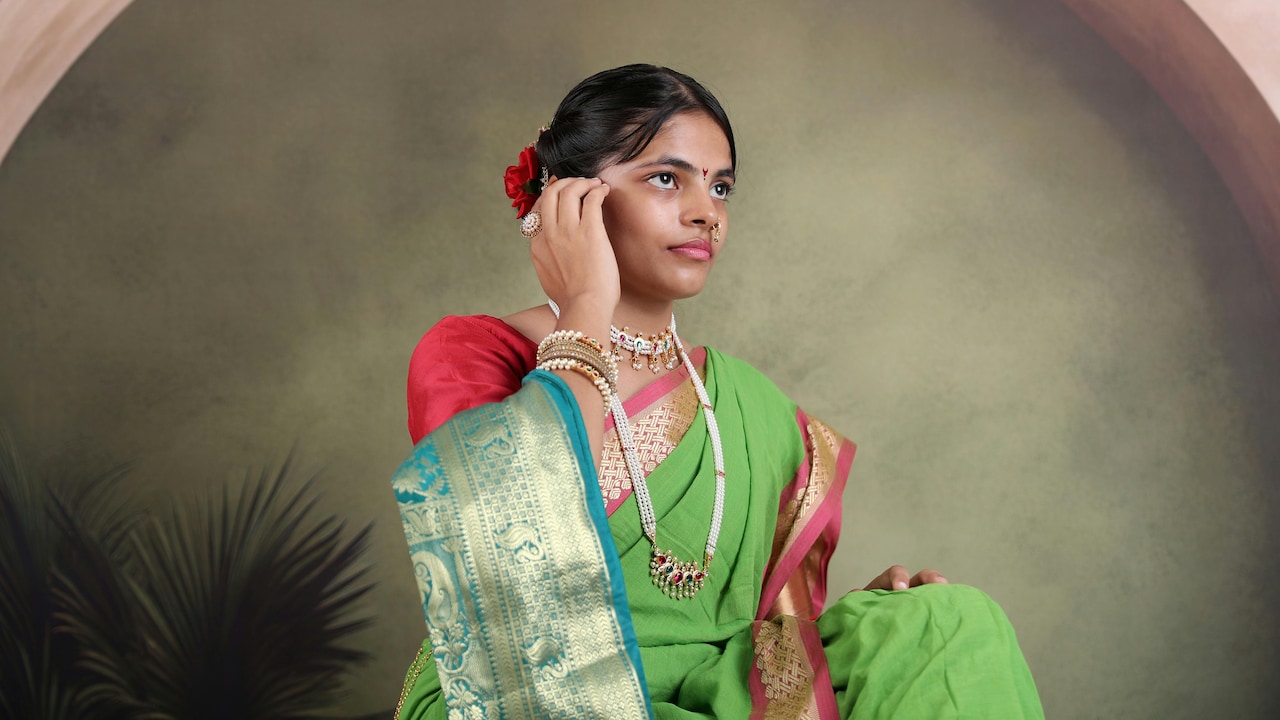
Pure or Blended Silk Saree? How to Check Quality and Avoid Overpaying
Photo Credit: Pexels
What Really Determines the Value Of A Silk Saree
1. Understand What “Pure Silk” and “Blended Silk” Actually Mean
Before judging quality, clarity matters. Pure silk means fabric made entirely from natural silk fibres, usually mulberry silk. Blended silk mixes silk with fibres like cotton, viscose, or polyester. Each serves a purpose, and neither automatically signals good or bad value.
Pure silk offers unmatched softness, natural sheen, and durability. It costs more because silk cultivation, yarn extraction, and weaving demand skill and time. Blended silk, when done well, brings affordability, lighter weight, and easier maintenance. Many daily-wear or office sarees use blends sensibly.
Problems arise when blends are sold at pure silk prices. Marketing phrases like “silk touch” or “silk finish” often mask low silk content. Ask directly about silk percentage. Reputable sellers answer without hesitation.
A saree worth its price clearly matches material, craftsmanship, and cost. Knowing the difference between pure and blended silk sets the foundation for every other judgment.
2. Trust the Feel: What the Fabric Says to Your Hands
Silk speaks through touch long before labels do. Pure silk feels warm when held, never cold. It glides smoothly yet carries subtle texture, not plastic-like slipperiness. When crumpled lightly, it springs back without sharp creases.
Blended silk feels different depending on the fibre mix. Cotton blends feel crisp. Viscose blends feel soft but cooler. Polyester blends often feel overly smooth and slightly stiff. None of these signals is of poor quality by default. They only reveal composition.
Run the fabric between fingers slowly. High-quality silk, pure or blended, never feels scratchy or brittle. Roughness often signals rushed weaving or inferior yarn.
Many buyers rush this step, distracted by colour and zari. Pause. Touch tells truths that eyes miss. A saree that feels pleasant, balanced, and comfortable usually earns its price far better than one that merely looks glossy under shop lights.
3. Look Beyond Shine: Understanding Natural Lustre
Silk shines, but not loudly. Pure silk reflects light softly, almost like water rippling under sunlight. The glow changes with movement, never appearing flat or mirror-like. This natural lustre comes from triangular silk fibres that scatter light gently.
Artificial fibres often overdo shine. Polyester blends appear uniformly glossy, sometimes bordering on flashy. Under strong lighting, they sparkle aggressively but look dull outdoors.
Turn the saree slightly and watch how light moves across it. Good silk shows depth. Poor silk shows surface shine only.
Zari also plays a role. Genuine zari contains silver or gold-coated threads, adding muted richness. Fake zari glares brightly and often looks yellowish or harsh.
A saree worth its price balances sheen with elegance. Shine should invite admiration, not shout for attention.
4. Decode the Price Tag with Logic, Not Fear
Price intimidates many buyers. Some assume expensive equals authentic. Others suspect fraud in anything affordable. Both approaches mislead.
Pure silk costs more due to raw material, labour, and weaving time. Handwoven sarees, intricate motifs, and genuine zari naturally push prices upward. A pure silk saree priced at ₹4,000 raises questions. So does a simple-looking blend priced at ₹80,000.
Ask what contributes to the cost. Is it a handloom or a powerloom? Natural dyes or chemical? Real zari or tested imitation? Honest sellers explain the price structure patiently.
Blended silk sarees often offer excellent value between ₹3,000 and ₹15,000, depending on design and weave. They suit frequent wear and practical use.
A saree earns its price when cost aligns with material, effort, and longevity, not fear of missing out or brand hype.
Also Read: 5 Stunning Red Sarees With Zari Work To Recreate Samantha Ruth Prabhu's Wedding Look
5. Examine the Weave: Craftsmanship Never Lies
Weaving reveals more than labels. Flip the saree and inspect the reverse side. In handwoven silk, designs appear slightly less sharp on the back but remain integral to the fabric. Powerloom prints often show a stark contrast between front and back.
Check consistency. Even tension, uniform motifs, and neat borders indicate skilled craftsmanship. Loose threads, irregular spacing, or sloppy joins suggest rushed production.
Pallu weaving matters too. In quality sarees, pallu integrates seamlessly, not stitched on. Borders align neatly with body patterns, without abrupt breaks.
Blended silk can also feature fine weaving. Material choice does not excuse poor craftsmanship. A blended saree with precise weaving often outperforms poorly woven pure silk in durability.
Time spent inspecting weave saves years of disappointment. Craft always shows itself to those willing to look closely.
6. Burn Test Myths and Safer Alternatives
Stories circulate about burning threads to test silk. While silk smells like burnt hair and turns to ash, this method damages fabric and embarrasses buyers in shops. It rarely suits real-world shopping.
Better alternatives exist. Rub the saree gently between palms for a few seconds. Pure silk generates warmth quickly. Synthetic fibres remain cool.
Another cue lies in sound. Scrunch pure silk lightly near the ear. It produces a soft crunch, often called “silk sound.” Blends may lack this texture, depending on composition.
Certified silk sarees often carry silk mark tags issued by official bodies. While not foolproof, they add reassurance when paired with other checks.
Trust observation over destructive tests. A saree worth buying never needs to be burnt to prove itself.
7. Check Colour Depth and Dye Quality
Colour reveals quality quietly. High-grade silk absorbs dye deeply, producing rich, layered hues. Colours appear vibrant yet soft, never flat or chalky.
Run a white cloth gently over a hidden corner. Excess colour transfer suggests poor dye fixing. Minor residue may occur in natural dyes, but heavy bleeding signals shortcuts.
Blended silk sometimes holds colour differently. Cotton blends appear matte. Viscose blends appear luminous. Polyester blends may look overly bright but fade quickly with washes.
Look at folds. Colour consistency across pleats and creases indicates careful dyeing. Patchy tones or streaks hint at uneven processes.
A saree meant to last generations respects colour integrity. Good dye work protects both beauty and investment.
8. Weight Matters More Than Expected
Many equate heavy sarees with quality. While weight can signal dense silk and real zari, excessive heaviness often reduces comfort and usability.
Pure silk drapes fluidly without feeling burdensome. It feels substantial yet balanced. Blended silk often weighs less, suiting long wear during ceremonies or workdays.
Lift the saree fully, not just a corner. Notice how it falls. Quality fabric flows smoothly, without stiffness or collapse.
Extremely light sarees may lack durability. Overly heavy ones strain shoulders and restrict movement. Balance signals thoughtful design.
A saree worth its price complements the wearer, not weighs them down physically or financially.
9. Maintenance Tells the Future Story
Every saree demands care, but the requirements should match the lifestyle. Pure silk prefers dry cleaning, careful storage, and occasional airing. It rewards care with longevity.
Blended silk often allows gentler home care, depending on the fibre mix. This practicality adds value for frequent wear.
Ask sellers about maintenance honestly. If care instructions sound vague or contradictory, caution helps.
Check edges and finishing. Reinforced borders, neatly tucked ends, and quality stitching extend life significantly.
Value lies not only in purchase but in years of graceful wear. A saree that fits routine care habits proves worth far beyond its price tag.
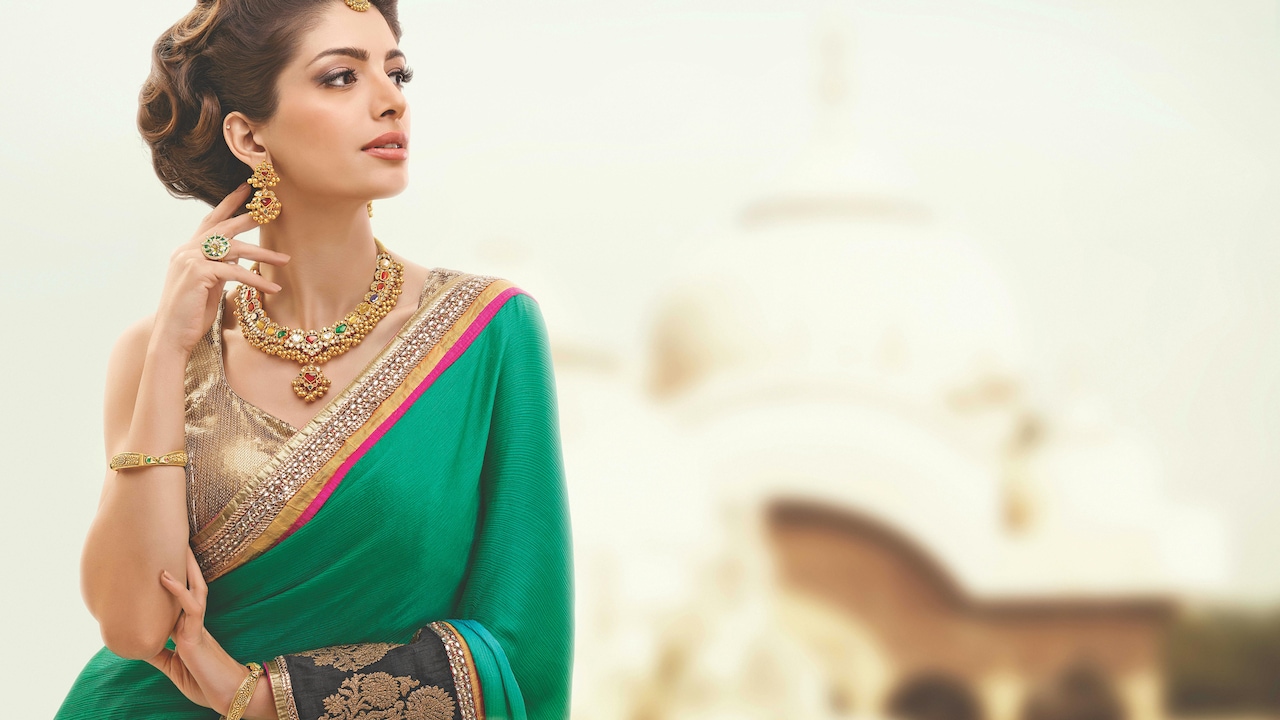
Pure or Blended Silk Saree? How to Check Quality and Avoid Overpaying
Photo Credit: Pexels
10. Emotional Value and Cultural Sense
Logic guides purchase, but emotion completes it. A saree often marks moments, weddings, festivals, farewells, and beginnings. Emotional resonance matters.
A saree worth its price feels right when worn. It aligns with personal style, occasion, and comfort. It sparks confidence, not anxiety over stains or tears.
Family advice, regional weaving traditions, and seasonal choices add meaning. A modestly priced saree chosen thoughtfully often outshines an expensive impulse buy.
Listen to instinct after facts settle. When material, price, craftsmanship, and comfort align, hesitation fades.
True value lives where reason meets feeling. That balance defines a saree that earns both admiration and affection.
Products Related To This Article
1. BlueRang Floral Printed Jacquard Silk Banarasi Saree
2. Sutra Art of Clothing Mugha Silk Saree With Woven Navy Blue Stripes
3. VISHNU WEAVES Ethnic Motifs Woven Design Zari Art Silk Designer Patola Saree
4. Mitera Floral Printed Zari Art Silk Saree
5. SWAMI STUDIO Ethnic Motifs Zari Pure Silk Heavy Work Banarasi Saree
6. MUKHITA Woven Design Zari Pure Silk Heavy Work Banarasi Saree
7. COSFIC STORE Woven Design Zari Pure Silk Handloom Banarasi Saree
Identifying a silk saree worth its price requires patience, curiosity, and trust in simple observations. Pure silk offers unmatched luxury. Blended silk offers smart versatility. Both deserve respect when priced honestly. The best silk sarees do not merely impress in shops. They age gracefully, carry memories, and return value with every wear. With these insights, buyers step into silk stores not with doubt, but with confidence, clarity, and quiet joy.
(Disclaimer: This article may include references to or features of products and services made available through affiliate marketing campaigns. NDTV Convergence Limited (“NDTV”) strives to maintain editorial independence while participating in such campaigns. NDTV does not assume responsibility for the performance or claims of any featured products or services.)