How To Layer Thermals Under Ethnic Wear Without Looking Bulky
Learn how to layer thermals under ethnic wear without looking bulky. Explore smart styling tips, fabric choices and winter layering tricks for comfort.
How To Layer Thermals Under Ethnic Wear Without Looking Bulky
Winter weddings, festive occasions and family get-togethers often call for you to don traditional outfits, but it can be a challenge to stay warm in ethnic wear. Sarees, lehengas, salwar suits and anarkalis are usually made of lightweight fabrics, which may not be enough to protect from cold weather. Also, you can wear a thick jumper or a jacket over these outfits to change the look of them and to make the overall look bulkier. The trick to layering thermals under ethnic wear is to do it without adding any unnecessary volume. Wearing lightweight innerwear, choosing the right fabric and knowing the fit can help preserve the original silhouette of traditional clothing. The fabric choice makes a difference too. Light fabrics like chiffon, georgette and crepe are more likely than heavy ones like velvet, brocade and silk to reveal the shape of the lining underneath. With a few styling tips, one can be comfortable in winters while still keeping the ethnic outfits elegant and well-fitted.
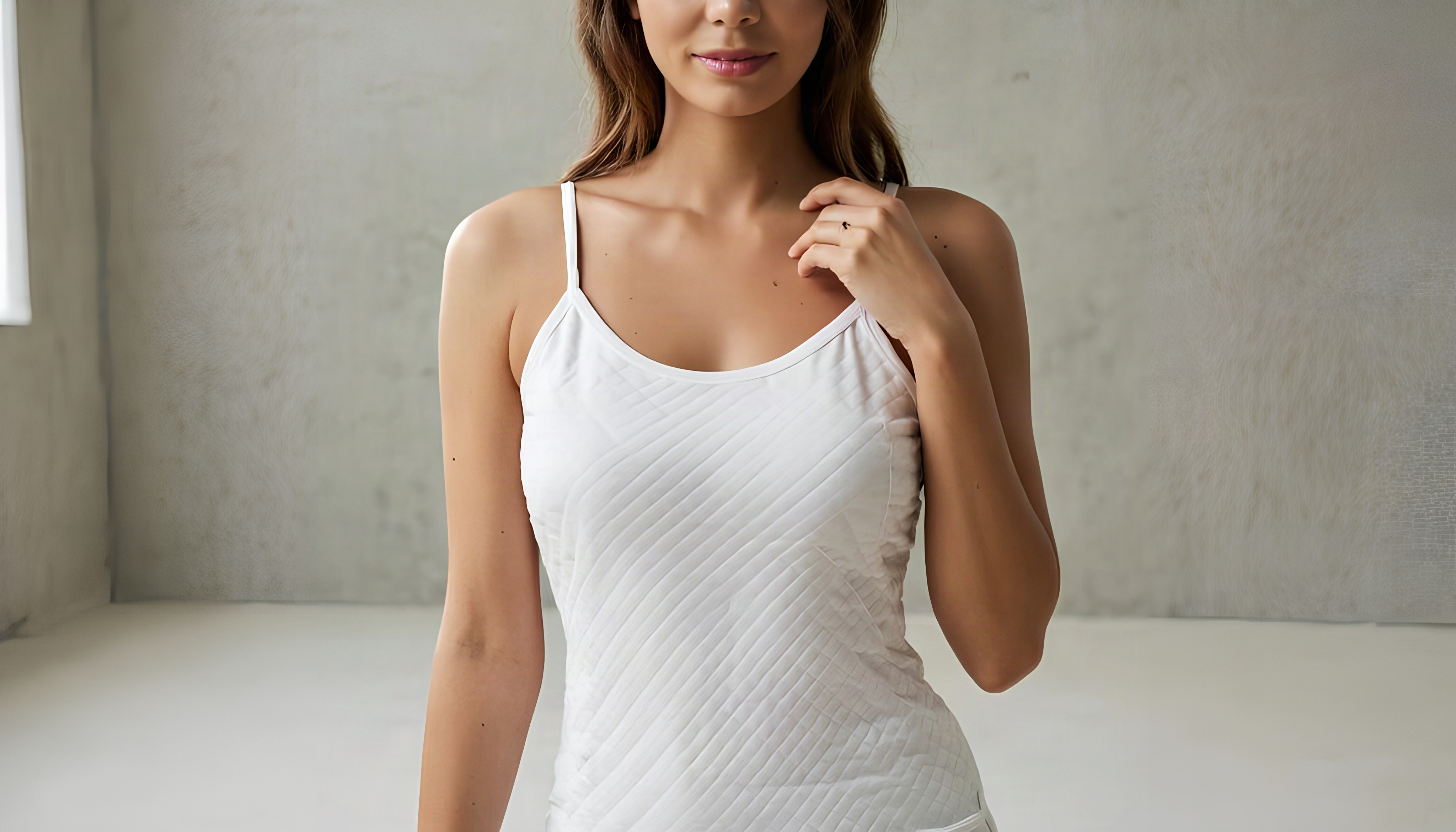
Why Is Layering Thermals Under Ethnic Wear Difficult?; Photo Credit: iStock
Why Is Layering Thermals Under Ethnic Wear Difficult?
Traditional garments often have particular shapes, draping and areas of fit that can be affected by wearing other clothing underneath. A thick thermal can leave marks around the waist, arms and shoulders, while thick leggings can spoil the fall of a saree or the fit of a lehenga.
Also Read: Top 5 Warm And Comfortable Thermals For Kids This Chilly Winter At Up To 50% Off
What Should Be Considered Before Layering Thermals?
1: Choose Lightweight Thermal Materials
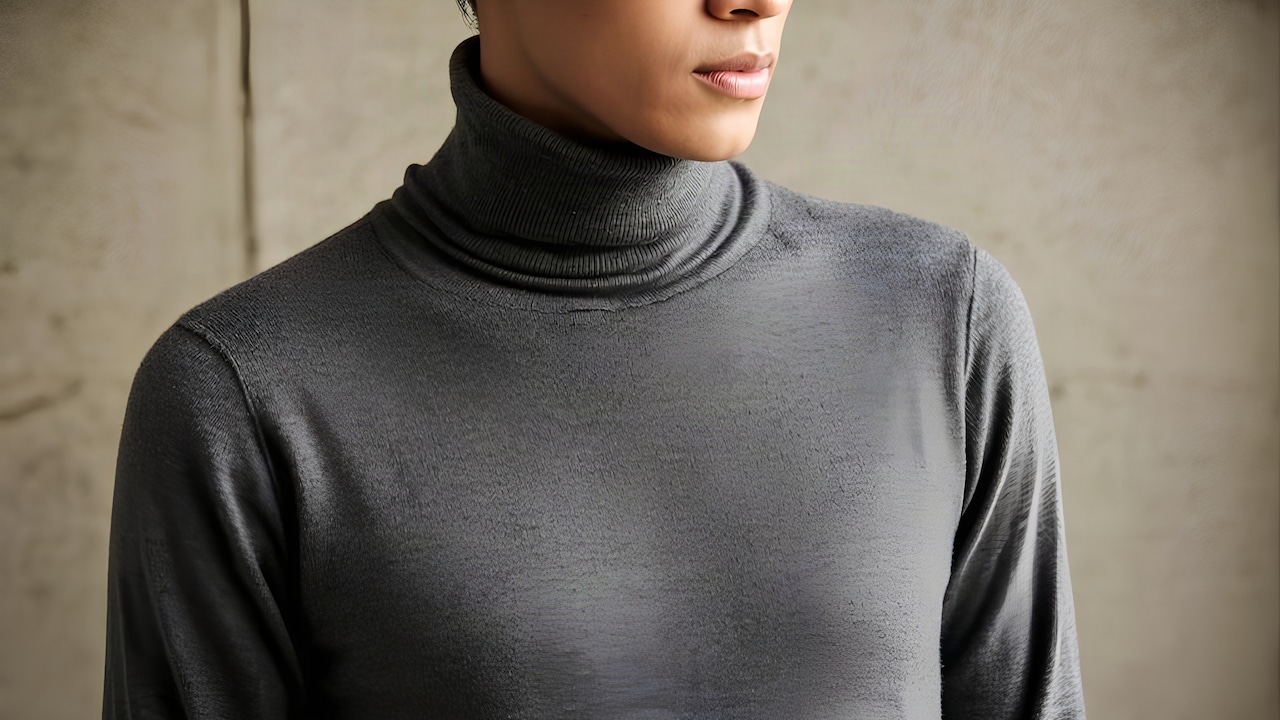
Choose thermal fabrics that are thin, so they won't add bulk. But will keep you warm, as microfleece, lightweight polyester blends and fine merino wool can work well as base layers. Don't wear too thick winter clothing under fitted ethnic outfits.
2: Pick The Right Size
Thermals should be snug but not too tight. Oversized underclothes may bunch up at the waist, elbows and shoulders, creating folds that are not desired under traditional clothing.
3: Coordinate The Colour With The Outfit
Select thermals in nude, beige, black or skin-colour, depending on the colour and transparency of the ethnic outfit. A close match of colour helps prevent innerwear from showing through lightweight fabrics.
How To Wear Thermals Under Ethnic Wear Without Looking Bulky
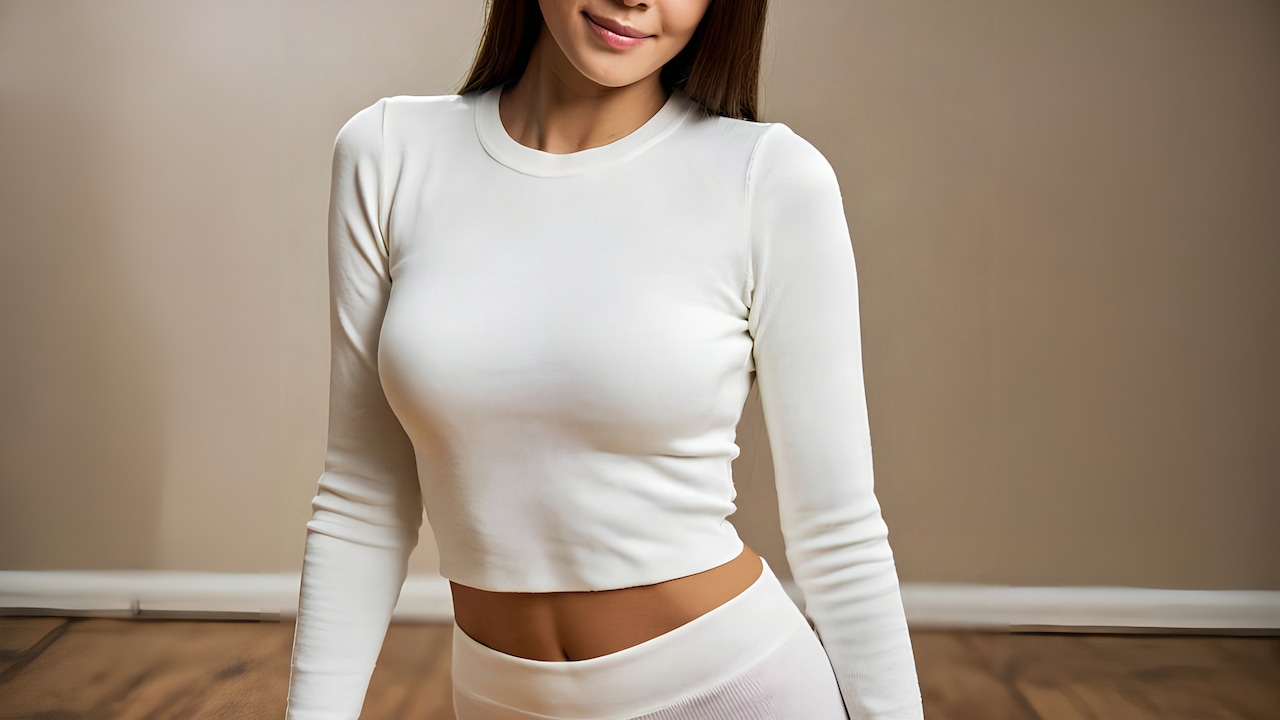
Step 1: Wear A Thin Thermal Top Under Your Blouses And Kurtas
Wear a lightweight thermal top inside a saree blouse, kurta or anarkali for extra warmth; just choose a style that fits snugly and has flat seams so that the fabric doesn't make lines around the arms and waist.
Step 2: Choose Thermal Leggings For Lehengas And Salwar Suits
Lehengas, salwar suits and long ethnic skirts can be worn with thermal leggings underneath, and they keep your legs warm without the need to wear extra trousers or thick winter layers.
Step 3: Opt For Seamless Thermals For Close-Fitting Clothing
Seamless thermals are a boon for fitted kurtas, churidars and lightweight anarkalis, as they are designed sleekly to minimise visible stitches and ridges in the fabric under traditional clothes.
Step 4: Put On A Thermal Petticoat Under Your Sarees
In winter, one can keep warm by wearing a thermal petticoat or a light thermal skirt under the saree. It can also help in maintaining the drape of the saree without having to put on multiple layers underneath.
Step 5: Layer By Ethnic Outfit Fabric
The thickness of the thermal layer must depend on the fabric of the clothes, and denser fabrics like velvet, silk and brocade can handle some warmer inner layers, while chiffon, georgette and organza need thinner options.
6: No Extra Fabric At Waist And Sleeves
Ethnic outfits with too much fabric at the waist, elbows and shoulders can look bulky. Neatly tuck in the thermals under the bottom layer and ensure that the sleeves are flat before you wear the blouse or kurta.
What Are The Mistakes To Avoid In Thermal Layering?
1: Wear Heavy Thermals Under Light Clothing
Thick thermal tops and leggings will show folds under chiffon, georgette and other lightweight fabrics. They can also affect the drape of a saree or the fit of a fitted kurta.
2: Selecting Too Tight Thermals
If your thermals are too tight, they can be uncomfortable, restrict your movement and put unwanted pressure on your waist and shoulders; they can also make it hard to wear fitted blouses or churidars comfortably.
3: Omitting Necklines And Sleeve Lengths
A thermal neck that peeks beyond the blouse or kurta can spoil the entire look. Similarly, the sleeves may show around the wrists if they are longer than the outer garment.
4: Too Many Pieces Layered In All At Once
Thermal tops, normal undershirts, thick leggings and extra inner layers can make traditional clothing look bulky. Too many layers can also cause overheating during indoor celebrations.
5: Forget To Check The Final Fit Of The Outfit
An outfit might feel comfortable on its own, but when thermal layers are added, it feels different. The waistband, blouse hooks, sleeve openings and overall drape may get tighter.

Products To Consider From; Photo Credit: iStock
Products To Consider From
1. Fshway Thermal Spaghetti Tank Top
2. Celary Women's Thermal Set
3. Wearslim® Women's Cotton Quilted Winter Lightweight Thermal Wear
4. Nature Thread Women's Cotton Thermal Spaghetti Top
5. Bodycare Anti-Bacterial Melange Solid Women's Thermal Lower
6. NEVA Round Neck 3/4th Sleeve Thermal for Women
7. Jockey 2503 Women Extra Warmth Thermal Top
8. DYCA by Bodycare Women Charcoal Melange Solid Thermal Top
Layering thermals under ethnic wear keeps you warm without adding bulk. Choose thin, seamless, skin-toned thermals that fit snugly under kurtas, sarees, and suits. Stick to lightweight fabrics and smart layering. With the right thermals, you can stay cozy, elegant, and confident at every winter wedding and festive celebration today. Shop now on Amazon.
Frequently Asked Questions
1. Can thermals be worn underneath a saree?
Yes, in winters you can wear light thermal tops and thermal petticoats below sarees. Go for smooth, close-fitting fabrics that won't interfere with the blouse fitting or the natural fall of the saree.
2. Which thermals are best under lehengas?
Light thermal leggings and fitted thermal tops are great under lehengas, and seamless designs can also help to minimise visible lines, and a smooth waistband stops extra fabric bunching around the waist.
3. How to hide thermals under a well-fitted kurta?
Choose thin, seamless thermals that hug the body, and if possible, match the colour of your innerwear with the kurta and avoid wearing big-sized innerwear that can create folds around the waist, shoulders and sleeves.
4. Can cotton thermals be worn with ethnic wear?
Cotton can be comfortable for milder winter weather in light thermal blends. Some cotton fabrics, however, do absorb moisture and may take longer to dry, and you can also choose from breathable synthetic blends or fine merino wool, depending on the weather and how comfortable you want to be.
5. Can I wear a thermal top under a short-sleeved blouse?
Yes, but you might see the thermal sleeves. Choose a sleeveless thermal camisole to add extra warmth for the torso or wear a matching full-sleeved blouse to hide the thermal layer.
(Disclaimer: This article may include references to or features of products and services made available through affiliate marketing campaigns. NDTV Convergence Limited (“NDTV”) strives to maintain editorial independence while participating in such campaigns. NDTV does not assume responsibility for the performance or claims of any featured products or services.)