Why Corset Tops Bunch Around The Waist Instead Of Sitting Smoothly
Corset tops bunching at the waist can ruin an otherwise polished outfit. From incorrect sizing to stiff fabrics and poor stitching, discover what causes those awkward folds and how to achieve a smoother fit.
Why Corset Tops Bunch Around The Waist Instead Of Sitting Smoothly
A corset top can make even the simplest outfit look thoughtfully put together. Pair it with high-waisted jeans for brunch, wide-leg trousers for work-friendly styling, or a flowing skirt for an evening celebration. The structured silhouette creates a defined waist and adds a little drama without demanding too many accessories. But there's one frustrating problem that can turn this stylish piece into a wardrobe headache: fabric bunching around the waist. Everything might look perfect when standing in front of the mirror. Then comes the real test. Sit down, bend to pick up a handbag, or walk around for ten minutes, and suddenly the smooth fabric develops awkward folds. Some corset tops ride upwards, while others gather around the stomach or create strange creases near the sides. Constantly pulling the top down isn't exactly anyone's idea of effortless fashion. Surprisingly, the problem doesn't always come down to buying the wrong size. Fabric stiffness, body proportions, stitching patterns, boning placement and even the trousers worn underneath can influence how a corset top sits. Understanding these small details can make shopping and styling much easier. Here are ten common reasons corset tops bunch around the waist and practical ways to prevent those unwanted folds.

Why Corset Tops Bunch Around The Waist Instead Of Sitting Smoothly
Photo Credit: Pexels
10 Reasons Your Corset Top Bunches Around The Waist
1. The Corset Top Is Too Long For Your Torso
One of the most overlooked reasons for waist bunching is the length of the corset top. Two people can wear the same clothing size but have completely different torso proportions. A corset designed for a longer upper body may extend too far down on someone with a shorter torso.
When the lower edge reaches the hips before the waistline settles into place, the fabric has nowhere to go. Instead of following the natural curve of the body, it begins folding upwards. This becomes particularly noticeable when sitting down because the distance between the bust and hips reduces.
Imagine wearing a structured corset with high-waisted jeans during a long café visit. The top looks beautiful while standing, but the moment you sit, horizontal creases appear near the stomach.
The easiest solution involves checking the garment's torso length rather than relying entirely on its labelled size. Petite-friendly designs, shorter corset tops and styles with gently curved hems may offer a better fit.
Before buying, sit down while trying on the top. If the fabric pushes upwards or digs into the hips, the length probably doesn't suit your proportions. A good corset should follow your body rather than compete with it.
2. The Waist Measurement Does Not Match Your Natural Waist
A corset top might fit comfortably around the bust and still sit awkwardly at the waist. That's because clothing manufacturers often design garments around standard size charts, while actual body measurements rarely follow one predictable pattern.
Some people have a defined waist with fuller hips, while others have a straighter silhouette. When a corset's narrowest section doesn't align with the wearer's natural waist, the fabric may form folds above or below that point.
An overly loose waist can create excess material that collapses into soft wrinkles. A tight waist, meanwhile, may push fabric upwards or cause pronounced horizontal creases.
Before ordering a corset online, measure the natural waist rather than using trouser size as a reference. The natural waist generally sits above the belly button, around the narrowest part of the torso, although its position varies.
Compare this measurement with the brand's garment chart. If the bust fits one size and the waist another, consider adjustable lace-up designs.
A flattering corset doesn't need to squeeze the waist dramatically. Proper shaping comes from a balanced fit that follows the body's contours without creating uncomfortable pressure.
3. Stiff Fabric Cannot Adjust To Natural Body Movements
Corset tops often use structured materials to create their distinctive shape. Satin, brocade, faux leather and heavily lined polyester can look luxurious, but some versions offer very little flexibility.
When stiff fabric cannot accommodate normal movement, it tends to form creases around areas that bend. The waist becomes particularly vulnerable because sitting, leaning and twisting repeatedly change the torso's shape.
Think about a satin corset worn to a wedding reception. It may look beautifully smooth during photographs, but hours of sitting through ceremonies and enjoying dinner can leave visible folds near the stomach.
This doesn't mean structured fabrics are unsuitable for corset tops. The real difference lies in how manufacturers combine fabric, lining and construction.
Look for materials that offer a small amount of stretch or designs with flexible side panels. Cotton blends with elastane can provide a balance between structure and comfort.
Also, check whether the lining moves naturally with the outer fabric. Poorly matched layers sometimes create additional wrinkles.
A simple movement test helps. Raise your arms, sit down and turn sideways while trying on the garment. If the material immediately develops deep folds, its construction may be too rigid for comfortable everyday wear.
4. Poorly Positioned Boning Creates Unwanted Folds
Boning gives many corset tops their structured appearance. These narrow supportive strips help maintain the garment's shape and prevent excessive fabric collapse. However, their placement matters just as much as their presence.
When boning ends at an awkward position near the waist, the surrounding fabric may bend sharply. Short or poorly secured strips can also allow sections of the garment to wrinkle while neighbouring areas remain rigid.
The result sometimes resembles a small ridge across the stomach or uneven folds near the side seams.
Fashion corset tops commonly use plastic or flexible synthetic boning. These materials can work well when manufacturers position them correctly, but they may warp or lose their shape with repeated wear.
Before purchasing, gently inspect the boning channels. They should feel smooth and follow the garment's intended lines without creating sharp pressure points.
Try bending slightly forward and returning to an upright position. If the boning twists, pokes or causes the material to fold heavily, reconsider the fit.
For an existing top, a skilled tailor may be able to adjust certain boning channels. However, complicated structural alterations can cost more than expected, so assess the garment's overall quality before investing in repairs.
Also Read: 10 Styling Mistakes That Make Loose Tops Look Shapeless
5. The Bust Area Is Too Tight Or Too Loose
It might seem strange that the bust area could cause wrinkles around the waist, but corset tops depend on balanced proportions throughout the garment.
When the bust section feels too tight, it can pull the entire top upwards. As the fabric shifts, extra material gathers around the midsection or lower ribs. A loose bust presents a different problem: the garment may slide downwards, forcing fabric to collapse near the waist.
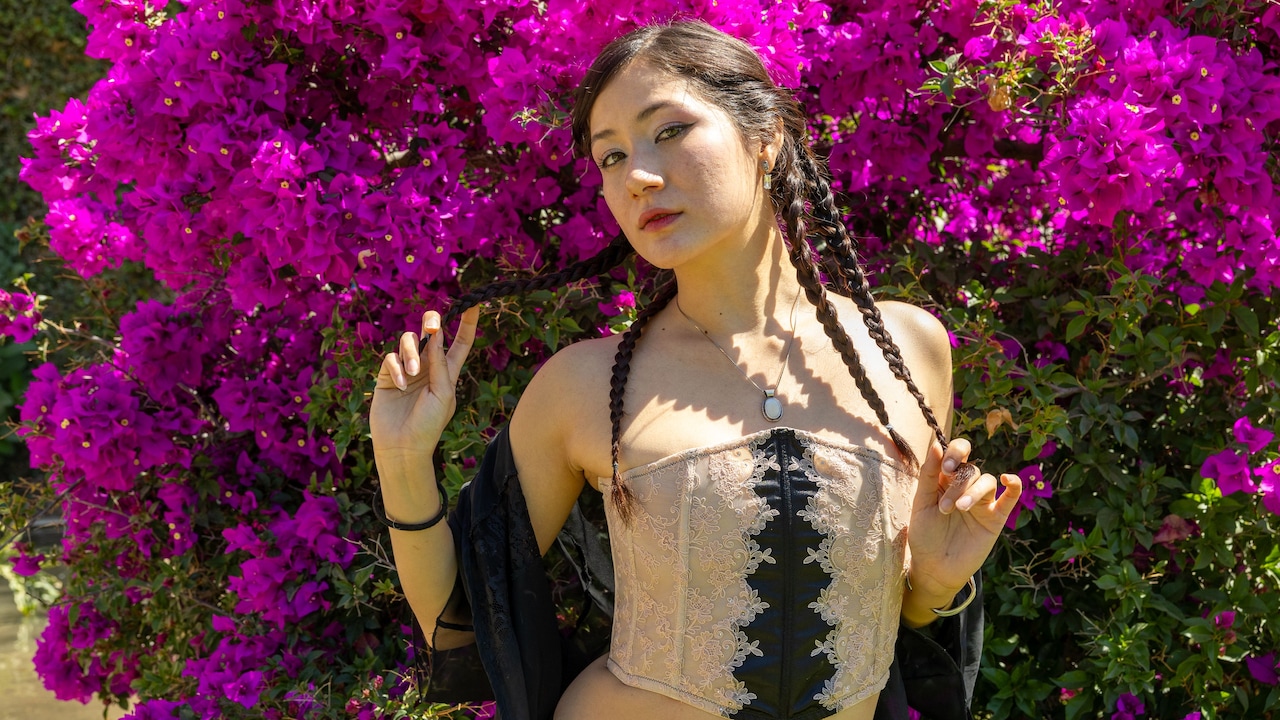
This becomes especially noticeable in strapless corset tops, where the upper section plays an important role in keeping everything positioned correctly.
Consider a sweetheart-neckline corset paired with a lehenga skirt for a festive celebration. If the bust doesn't sit securely, adjusting the neckline throughout the evening may gradually disturb the waistline too.
Look for designs that provide adequate shaping without flattening or compressing the bust uncomfortably. Adjustable straps, lace-up backs and well-designed bust seams can improve the fit.
Also, check the garment while wearing the undergarments you intend to pair with it.
The goal isn't simply to keep the neckline in place. When the bust section fits correctly, the rest of the corset has a better chance of maintaining its intended silhouette.
Why Corset Tops Bunch Around The Waist Instead Of Sitting Smoothly
Photo Credit: Pexels
6. High-Waisted Bottoms Push Against The Corset Hem
High-waisted jeans, trousers and skirts often make excellent companions for corset tops. The combination creates a defined waist and gives an outfit a coordinated appearance. However, certain waistbands can interfere with the corset's lower edge.
When a thick waistband sits directly beneath a structured corset, both garments may compete for the same space.
As the wearer moves, the waistband can push the corset upwards. This causes fabric to gather above the stomach, particularly when the top extends below the natural waist.
Rigid denim waistbands and heavily pleated trousers can make the problem more obvious. Even a perfectly fitted corset may develop folds when paired with bottoms that restrict its movement.
Try wearing the same corset with different waist heights to identify whether the problem comes from the top or the outfit combination.
Mid-rise trousers may provide more breathing room for longer corsets. Alternatively, cropped corset designs often sit more comfortably above high-waisted bottoms.
For skirts, look for smoother waistbands without bulky closures or thick elastic sections.
Fashion should allow movement, not turn two otherwise comfortable garments into a battle for space around the waist.
7. The Side Seams Do Not Follow Your Body Shape
Corset tops rely heavily on their seams to create a fitted silhouette. Unlike loose T-shirts, which can accommodate several body shapes through relaxed fabric, corsets use carefully placed seams to control how the material curves.
When manufacturers position these seams incorrectly, the garment may pull across one area while leaving extra fabric elsewhere.
For example, a corset designed for a strongly curved waist-to-hip shape may bunch around the sides of someone with a straighter torso. Similarly, a design with insufficient room through the lower ribs can create tension that results in folds.
Princess seams, which run vertically along the front, often provide smoother shaping when they align correctly with the body.
Check how the seams sit while standing naturally. They should follow the torso without twisting or pulling sideways.
If one side develops noticeably more wrinkles than the other, uneven stitching or mismatched fabric panels could contribute to the problem.
A tailor may improve minor fitting issues by adjusting side seams or removing excess fabric. However, major changes to panel construction can prove difficult.
Sometimes the most practical solution involves choosing a different corset pattern rather than forcing an unsuitable design to fit.
8. Incorrect Lacing Or Fastening Creates Uneven Tension
Lace-up corset tops offer flexibility, making them popular among shoppers who struggle with fixed-size garments. However, tightening the laces unevenly can create unexpected fitting problems.
When the upper section sits loosely while the waist feels extremely tight, fabric may gather between these areas. Uneven tension can also pull the side panels out of alignment, producing diagonal wrinkles.
Some people tighten their corset excessively because they expect a dramatically smaller waist. Unfortunately, pulling harder rarely fixes poor garment construction or incorrect sizing.
Instead, it may create uncomfortable pressure and cause the fabric to fold around the stomach.
Start by loosening the laces before putting on the garment. Once the corset sits at the correct height, adjust the tension gradually according to the design's intended fastening method.
Check whether the back edges remain reasonably aligned and whether the front panel lies smoothly.
For zip-up styles, ensure the zipper closes without pulling the fabric into pronounced horizontal lines.
Avoid using excessive tightness to compensate for a loose bust or oversized waist.
A comfortable fashion corset should allow normal breathing, sitting and movement. If maintaining a smooth appearance requires constant tightening, the design probably isn't the right match.
9. Thin Lining And Poor Stitching Allow Fabric To Collapse
Not every corset top delivers the structure its appearance promises. Some affordable fashion designs feature decorative seams that resemble traditional corsetry but provide little actual support.
Without sufficient lining or proper construction, the outer fabric may collapse around the waist, especially after several hours of wear.
This doesn't necessarily mean inexpensive corset tops are poor quality. However, rushed manufacturing, uneven stitching and loosely attached lining can make fabric bunching more likely.
A satin-look corset, for example, may have a beautiful sheen but develop wrinkles if the lining shifts independently from the outer layer.
Examine the garment from the inside before purchasing. Check whether the seams lie flat and whether the lining follows the same shape as the outer fabric.
Loose threads, puckered stitching and uneven panels can indicate construction problems.
Also, consider how the material behaves after washing. Some fabrics shrink differently from their linings, creating permanent ripples around the waist.
Always follow the care label, particularly for structured pieces with boning or delicate finishes.
A well-constructed corset may cost more initially, but smoother stitching and durable materials can make a noticeable difference to its appearance over time.
10. The Corset Design Does Not Suit Your Natural Waist And Hip Proportions
Sometimes the corset fits according to the size chart, the stitching looks excellent and the material feels comfortable. Yet the waist still bunches. The issue may simply lie in the garment's overall shape.
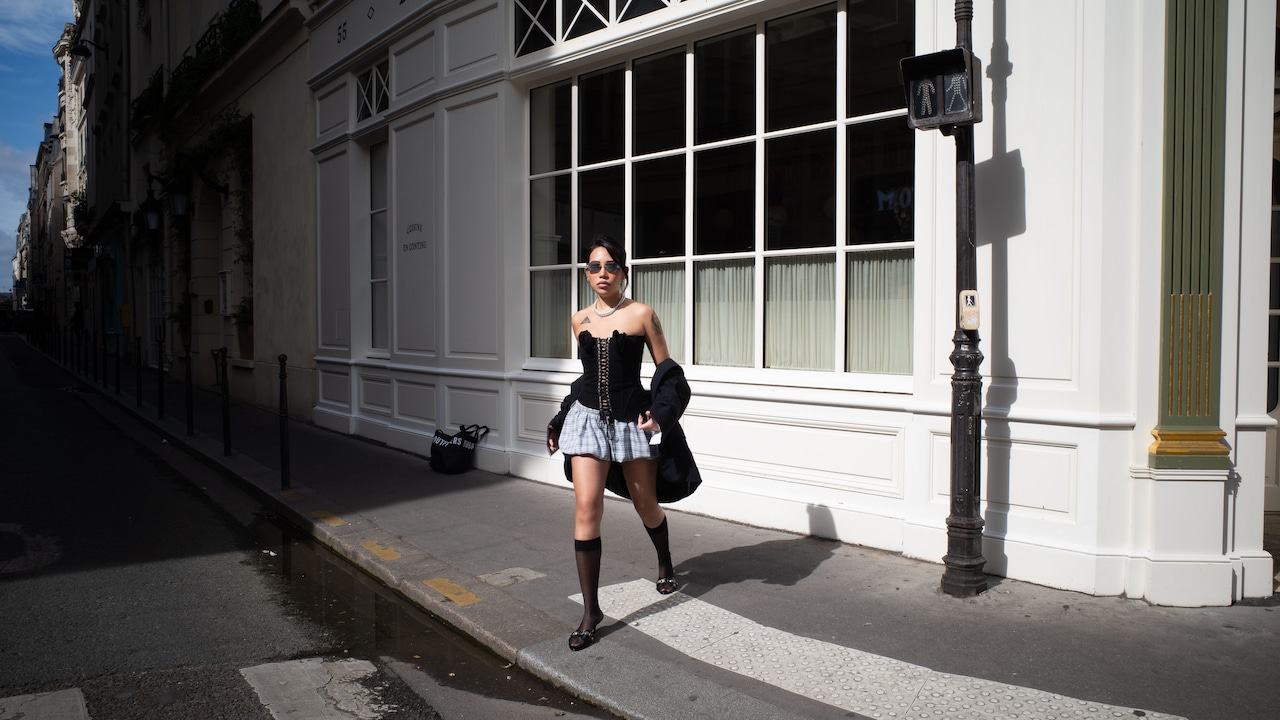
Corset tops come in several silhouettes, including straight-cut, hourglass, cropped and pointed-hem designs. Each creates a slightly different relationship between the bust, waist and hips.
A sharply tapered corset may sit awkwardly on someone whose waist and hip measurements differ only slightly. Meanwhile, a straight-cut design might create excess fabric around a more defined waist.
The position of the lower hem also influences the final result.
Pointed hems often create a lengthening effect through the centre, while cropped designs avoid overlapping the hips. Longer corsets may provide more coverage but require careful attention to torso proportions.
Rather than selecting a style solely because it looks attractive on a model, consider where its narrowest point falls and how its lower edge meets the body.
Try several silhouettes before settling on one.
A corset doesn't need to create an exaggerated hourglass figure to look flattering. The most successful design follows the body's natural shape while offering enough structure to create a neat, balanced appearance.
Why Corset Tops Bunch Around The Waist Instead Of Sitting Smoothly
Photo Credit: Pexels
Products Related To This Article
1. Phosphorus Gathered Detail Corset Top
2. NUEVOSDAMAS Denim Crop Top
3. SZN Print Cotton Crop Top
4. Lahaba Floral Print Sweetheart Neck Crop Top
5. StyleCast Off Shoulder Corset Top
6. R.Code by The Roadster Life Co. Women Cotton Corset Denim Crop Top
7. ELYRAA Women Square Neck Puff Sleeve Cotton Corset Crop Top
A corset top that bunches around the waist isn't necessarily a bad purchase, but persistent folds often signal a mismatch in fit, fabric or construction. Torso length, bust proportions, boning, stitching and even the waistband of accompanying trousers can influence the final appearance.
The simplest way to avoid disappointment is to assess how a corset behaves during everyday movement, not just how it looks in a mirror. A properly fitted design should feel secure without demanding constant adjustments. After all, a stylish outfit should leave plenty of room for enjoying the occasion rather than spending the entire evening wrestling with its waistline.
(Disclaimer: This article may include references to or features of products and services made available through affiliate marketing campaigns. NDTV Convergence Limited (“NDTV”) strives to maintain editorial independence while participating in such campaigns. NDTV does not assume responsibility for the performance or claims of any featured products or services.)