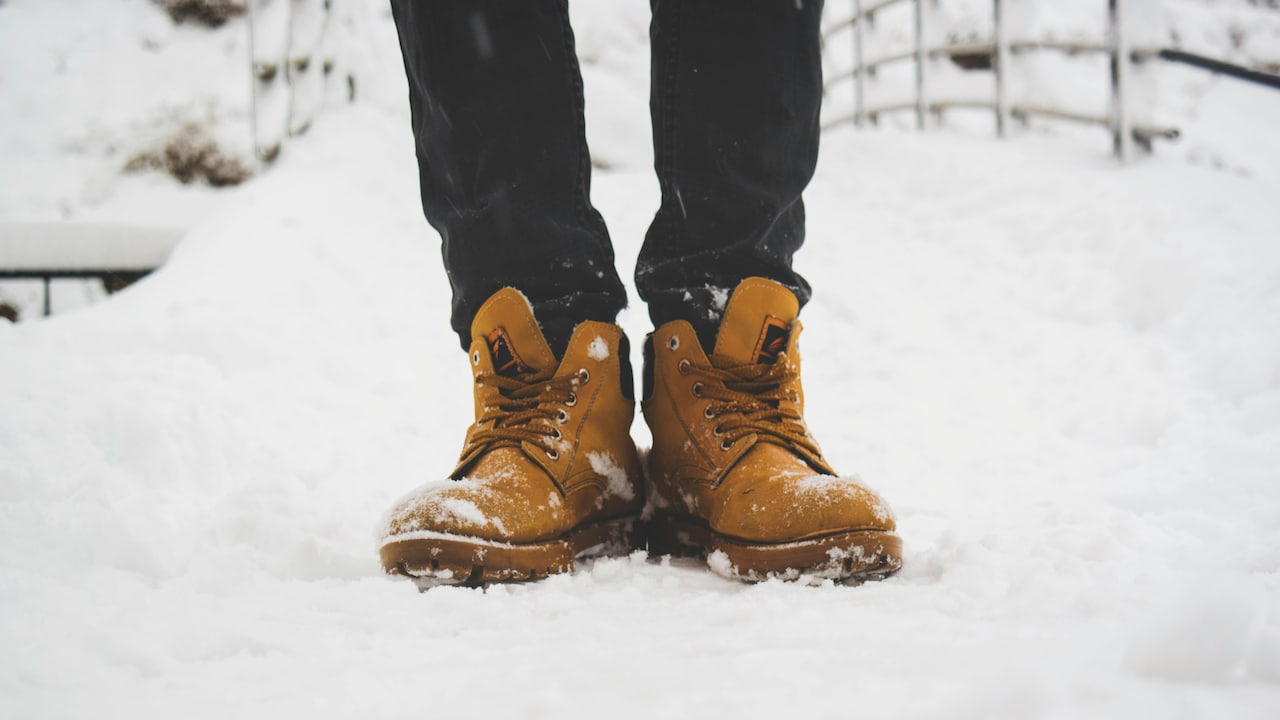
How To Pick Winter Footwear For Long Walks: Dos And Don'ts
Struggling to stay comfortable on winter walks? The right footwear makes all the difference. This guide breaks down the key dos and don’ts to help you choose warm, supportive shoes built for long walks in cold weather.
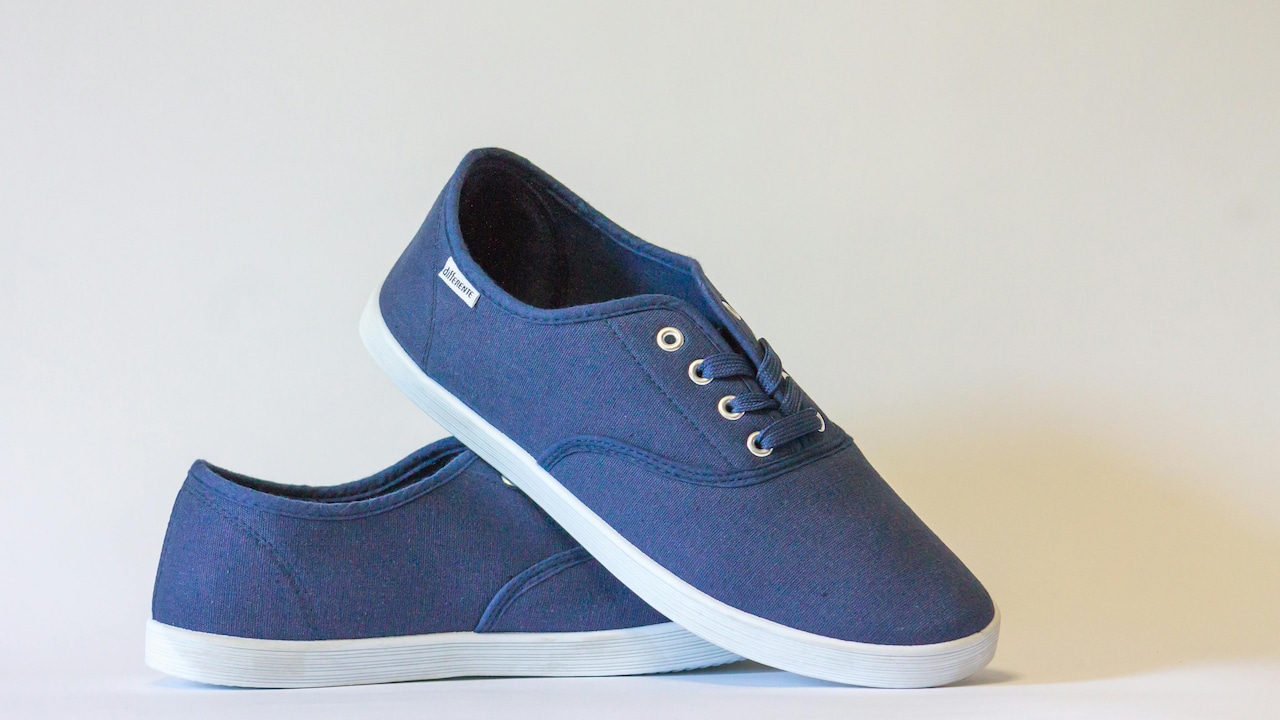
Choosing Winter Footwear For Long Walks: What To Do And What To Avoid.
Winter has its own rhythm. Streets feel calmer, tea stalls steam up glasses, and walking becomes a peaceful ritual rather than a sweaty chore. Long walks during colder months refresh the mind and body, but they also demand smarter choices. Many people grab the thickest or most stylish pair without thinking twice. That often leads to blisters, cold toes, or shoes that feel heavy after just a few kilometres. Winter footwear needs balance. Warmth should not suffocate. Grip should not weigh down the stride. Comfort should last beyond the first few minutes.
This article walks through 10 essential dos and don'ts for choosing winter footwear for long walks. Each point reflects real-life walking conditions, everyday budgets, and practical needs. No jargon, no fuss, just grounded advice to keep winter walks enjoyable from start to finish.

How To Pick Winter Footwear For Long Walks: Dos And Donts
Photo Credit: Pexels
Smart Choices That Make Winter Walks Comfortable And Safe
1. Do Prioritise Proper Insulation, Don't Overdo the Bulk
Warmth remains the first thing people look for in winter footwear, and rightly so. Cold toes ruin even the most scenic walk. Good insulation traps body heat while allowing air to circulate. Materials like fleece lining or insulated fabric work well without making the shoe feel heavy.
The mistake lies in choosing footwear that looks like it belongs in deep snow when the walk involves city pavements or park trails. Overly bulky shoes restrict movement and tire the feet faster. They also reduce flexibility, which matters during long walks.
A well-insulated shoe should feel snug, not suffocating. Toes should wiggle freely, and the foot should bend naturally. If the shoe feels stiff or clumsy indoors, it will feel worse outdoors. Winter warmth works best when combined with lightweight design. A balanced pair keeps feet warm while letting the walk stay smooth and relaxed.
2. Do Check Grip and Traction, Don't Ignore the Sole
Winter surfaces can surprise anyone. A dry pavement in the afternoon may turn damp and slippery by evening. Fallen leaves, light drizzle, or morning dew all demand reliable traction.
A good winter shoe features a textured rubber sole with visible tread patterns. These grooves help grip the ground and prevent slips. Smooth soles, even on warm shoes, pose a real risk during long walks.
Avoid assuming that thicker soles mean better grip. What matters is the quality of rubber and the depth of the tread. Flexible soles with proper traction support natural movement and stability. Before buying, press the sole against the floor and twist slightly. If it grips instead of sliding, it passes the test. Reliable traction keeps confidence high and walking stress-free.
3. Do Focus on Fit, Don't Assume Size Remains the Same
Foot size changes slightly with the seasons. Cold weather can make feet swell during long walks, especially with thicker socks. A shoe that fits perfectly in summer may feel tight in winter.
Always try winter footwear with the socks planned for walking. This avoids surprises later. The fit should feel secure around the heel while leaving enough room at the front. Toes should not press against the edge while walking downhill or downhill paths.
Avoid buying tight footwear with hopes that it will stretch. Winter shoes rarely loosen enough, and discomfort grows with every step. A well-fitted shoe prevents blisters, supports arches, and keeps blood circulation healthy. Comfort begins with fit, and no feature compensates for a poor one.
4. Do Choose Breathable Materials, Don't Trap Moisture
Warmth often steals all the attention, but breathability matters just as much. Feet sweat even in cold weather, especially during long walks. When moisture stays trapped, it leads to cold feet, odour, and discomfort.
Look for materials that allow airflow while retaining heat. Mesh panels combined with insulated lining work well. Leather shoes also breathe naturally when treated properly.
Avoid footwear with plastic-like interiors that trap sweat. Wet feet feel colder than dry ones, even in insulated shoes. Breathable footwear keeps feet dry, warm, and fresh throughout the walk. Comfort depends not just on keeping cold out, but also on letting moisture escape.
5. Do Support the Ankle, Don't Restrict Natural Movement
Long walks place repeated stress on ankles, especially on uneven surfaces. Winter footwear should provide gentle ankle support without locking movement.
Mid-ankle boots often strike the right balance. They offer stability while allowing flexibility. Cushioned collars prevent rubbing and add comfort.
Avoid overly rigid high-ankle boots unless the walk involves rough terrain. Such shoes can strain muscles and alter natural walking patterns. The goal lies in supporting the ankle, not imprisoning it. Natural movement reduces fatigue and keeps the stride comfortable even after several kilometres.
Also Read: Top Sports Shoes For Running, Trekking And Walking: 5 Expert-Backed Choices
6. Do Consider Weight, Don't Fall for Heavy Designs
Heavy footwear feels sturdy at first, but quickly becomes exhausting during long walks. Each step lifts extra weight, which strains the legs and slows the pace.
Lightweight winter shoes use modern materials that provide warmth and grip without bulk. These designs support longer walks with less effort.
Avoid choosing shoes solely based on appearance. Thick soles and heavy uppers often add unnecessary weight. Pick the pair that feels light on the foot yet solid underfoot. A lighter shoe keeps energy levels up and makes winter walking feel effortless rather than tiring.
7. Do Cushion the Sole, Don't Ignore Impact Protection
Cold ground feels harder underfoot. Long walks increase impact on joints, especially heels and knees. Proper cushioning absorbs shock and reduces strain.
Look for padded midsoles that offer bounce without sinking. Memory foam insoles or gel cushioning work well for extended walking.
Avoid flat, hard soles that transfer impact directly to the body. Comfort during long walks depends on how well the shoe handles repeated impact. Good cushioning supports posture, protects joints, and keeps walking enjoyable even on concrete paths.
8. Do Waterproof Smartly, Don't Confuse It with Breathability
Winter often brings damp conditions. Light rain, puddles, or wet grass call for water-resistant footwear. Waterproofing keeps feet dry and warm.
However, fully waterproof shoes often sacrifice breathability. This works for short outings but becomes uncomfortable during long walks.
Choose water-resistant designs with breathable membranes. These keep moisture out while allowing airflow. Avoid rubberised shoes meant for heavy rain unless necessary. Smart waterproofing balances dryness and comfort, ensuring feet stay warm without overheating.

How To Pick Winter Footwear For Long Walks: Dos And Donts
Photo Credit: Pexels
9. Do Think About Terrain, Don't Buy One Shoe for Everything
Walking surfaces vary widely. City pavements, parks, hills, and trails all demand different features. Winter footwear should match the most common terrain.
Urban walks need flexible soles and a light grip. Trail walks require deeper tread and stronger support. Buying one shoe for all purposes often leads to compromise.
Avoid using trail boots for daily walks or casual shoes for rough paths. Match the footwear to the environment. This improves comfort, safety, and durability. The right shoe for the right surface always performs better.
10. Do Test Before Long Walks, Don't Skip the Trial Period
New footwear needs time to adjust. Even the best pair can cause discomfort if worn straight for long distances.
Wear new winter shoes indoors or on short walks first. This allows the foot to adapt and highlights pressure points early.
Avoid saving new shoes for an important long walk. Breaking them in prevents blisters and soreness. A short trial builds confidence and ensures comfort. Preparation turns winter walks into pleasure rather than pain.
Products Related To This Article
1. SG FUSION Unisex Cricket Shoes
2. HRX by Hrithik Roshan Men Mesh Running Shoes
3. JM Looks Women Printed Espadrilles
4. VECTOR X Unisex Printed Cricket Shoes
5. ONYC Kids Flyknit Woven Design Slip-On Sneakers
6. Max Girls Printed Sneakers
7. Puma Cricket Strike Men Shoes
Winter walks hold quiet charm. Crisp air, peaceful streets, and slower rhythms make walking deeply rewarding. Yet, footwear decides whether the experience feels comforting or challenging. Choosing the right winter footwear requires balance. Thoughtful choices protect feet, support movement, and keep spirits high during colder months. With the right pair, winter walks become something to look forward to rather than endure.
(Disclaimer: This article may include references to or features of products and services made available through affiliate marketing campaigns. NDTV Convergence Limited (“NDTV”) strives to maintain editorial independence while participating in such campaigns. NDTV does not assume responsibility for the performance or claims of any featured products or services.)