Why Artificial Jewellery Tarnishes Faster Today: Top 10 Ways To Make Fashion Jewellery Last Longer
Fashion jewellery often tarnishes faster than expected due to moisture, chemicals and daily wear. Discover 10 practical ways to keep your favourite accessories shining for longer.
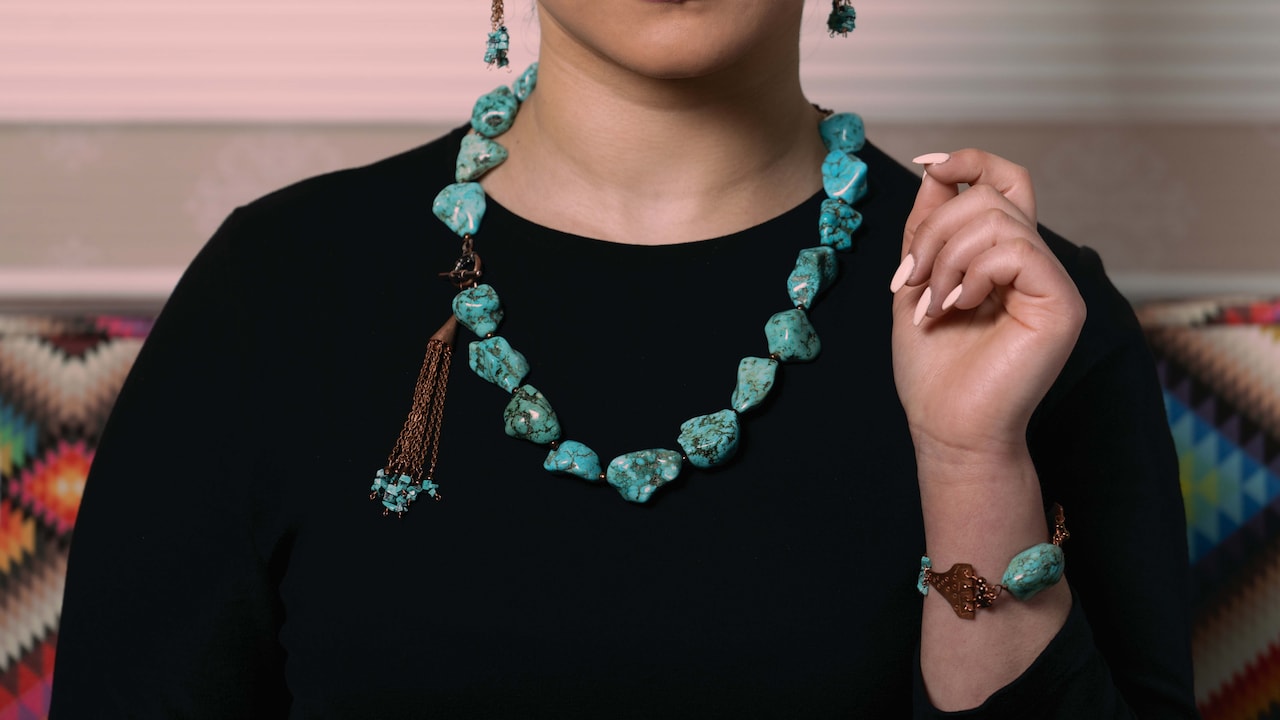
Why Artificial Jewellery Tarnishes Faster: Top 10 Ways To Save Them
A sparkling pair of earrings can transform a simple outfit. A statement necklace can rescue a last-minute wardrobe choice. Fashion jewellery has earned a permanent place in dressing tables because it delivers glamour without demanding a small fortune. Yet there is one complaint heard almost everywhere. A necklace that looked dazzling during the festival season suddenly turns dull. A ring develops dark patches after just a few weeks. Elegant earrings begin to lose their golden glow far sooner than expected. For anyone who has spent ₹500 or even ₹5,000 on fashion accessories, the disappointment feels remarkably similar.
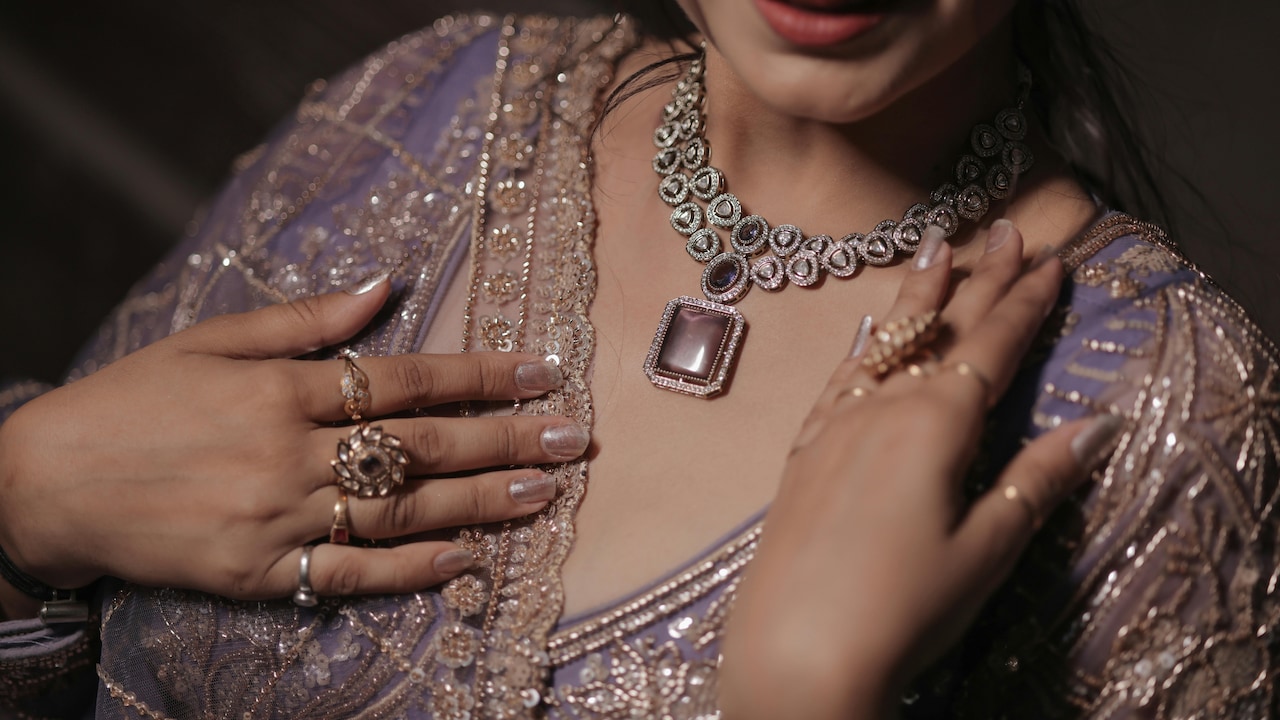
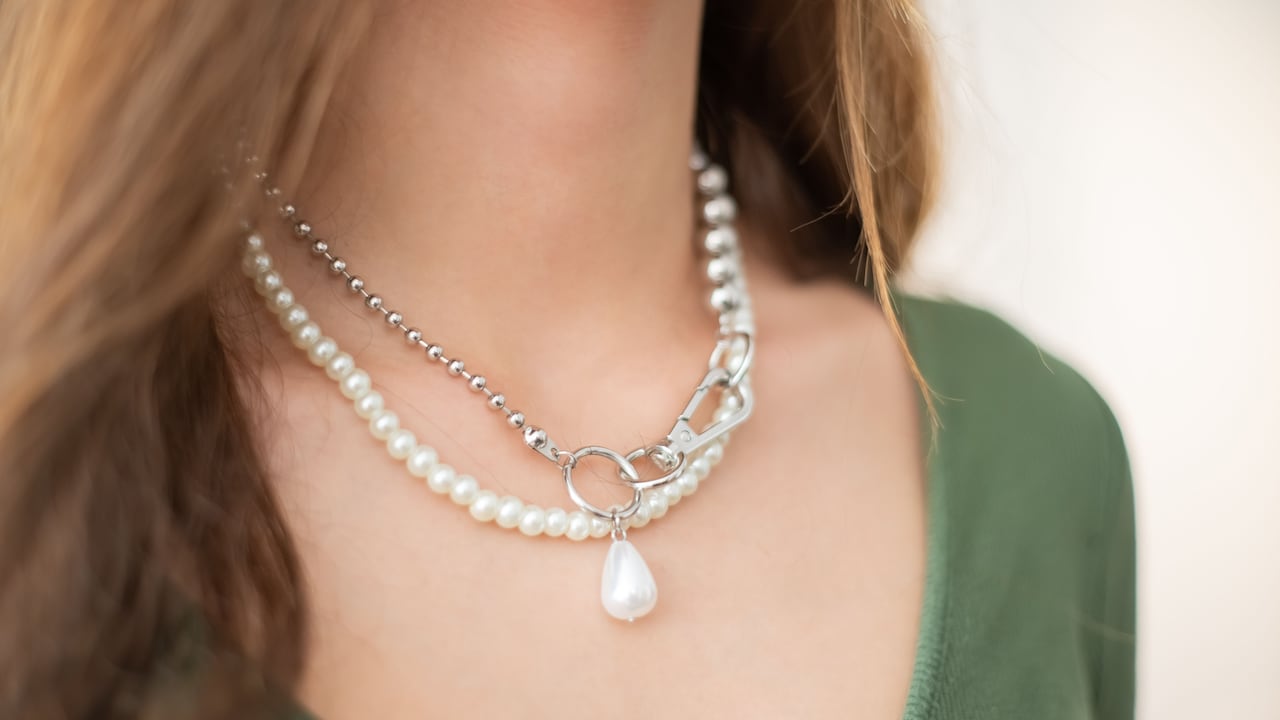
Why Artificial Jewellery Tarnishes Faster: Top 10 Ways To Save Them; Photo Credit: Pexels
The reality is that artificial jewellery today faces more challenges than ever before. Exposure to humidity, cosmetics, pollution and changing production methods often speeds up tarnishing. However, that does not mean favourite pieces are destined for an early retirement. With the right care, fashion jewellery can maintain its shine and charm for years. The secret lies in understanding what causes tarnishing and adopting a few smart habits that fit effortlessly into daily life.
Top 10 Ways To Make Fashion Jewellery Last Longer
Better Designs Often Mean Thinner Protective Coatings
Modern fashion jewellery offers intricate designs, trendy finishes and eye-catching details at accessible prices. To keep costs competitive, many manufacturers use thinner plating layers than those of premium costume jewellery from previous decades.
A thinner coating naturally wears away faster. Every time a necklace rubs against clothing or a bracelet brushes against a desk, microscopic scratches develop. Eventually, the base metal underneath becomes exposed, causing discolouration and dullness.
This does not mean every affordable piece lacks quality. Many brands still produce durable accessories. However, the trend towards fast-changing fashion means jewellery often prioritises appearance over longevity.
Think of it like festive decorations. They look stunning during celebrations, but they are not always built to withstand years of wear and tear. Fashion jewellery works similarly. Understanding this reality helps shoppers make informed choices and encourages better maintenance practices from the very beginning.
Also Read: 10 Best Everyday Jewellery Sets Under ₹200 for Women: Affordable Style That Shines
Keep Jewellery Away From Perfumes And Sprays
One of the fastest ways to damage fashion jewellery involves applying perfume directly onto accessories. Fragrance contains alcohol and chemical compounds that react with metal plating and decorative finishes.
Many people complete their morning routine by spraying perfume around the neck and wrists after putting on jewellery. Unfortunately, this habit gradually strips away protective coatings.
The same rule applies to hairspray, deodorant, and body mist. These products leave residues that accumulate on surfaces and accelerate tarnishing.
A simple change makes a significant difference. Apply skincare products, makeup, and fragrance first. Allow everything to settle and dry before wearing jewellery.
Imagine preparing a freshly painted wall. No one would spray harsh chemicals onto it immediately afterwards. Fashion jewellery deserves similar consideration. Giving accessories a few extra minutes of protection each day can preserve their shine for months longer.
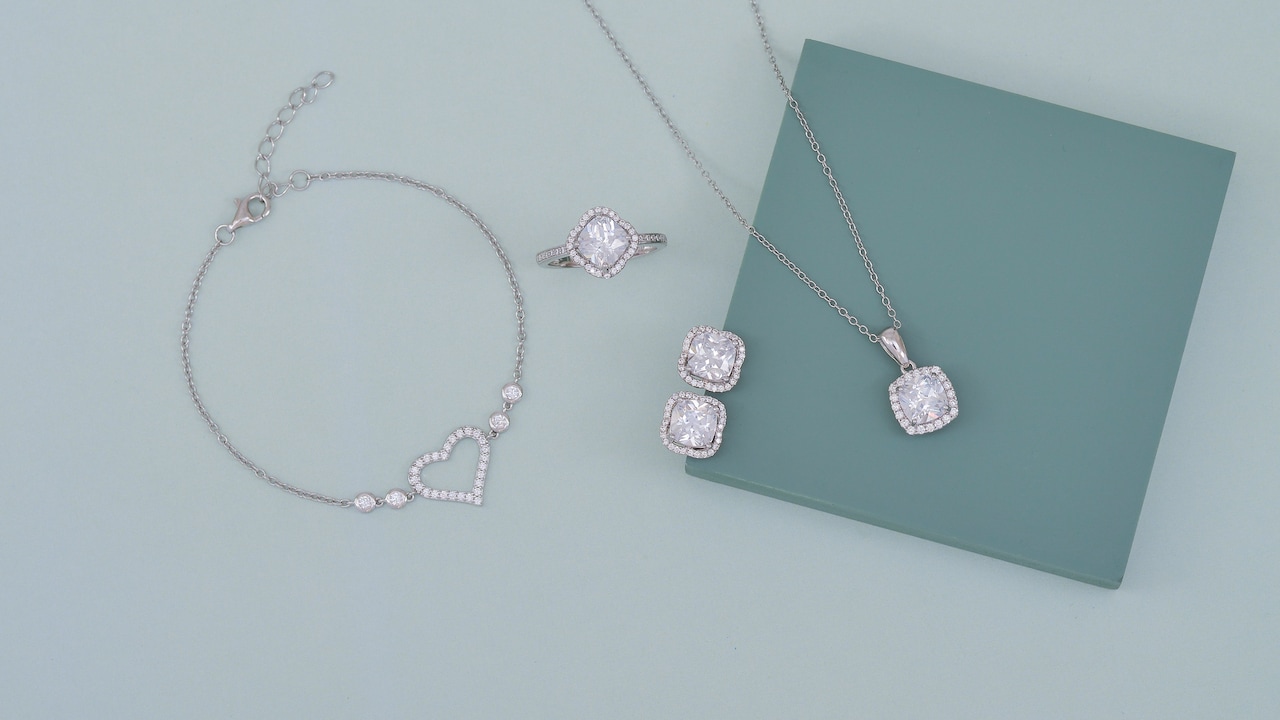
Why Artificial Jewellery Tarnishes Faster: Top 10 Ways To Save Them; Photo Credit: Pexels
Humidity Is The Silent Enemy
Hot weather and humidity create perfect conditions for tarnishing. Moisture in the air reacts with metals and gradually causes oxidation, resulting in dark spots and faded finishes.
This becomes especially noticeable during monsoon months. Jewellery stored carelessly in open trays often loses its lustre faster during this season.
Many people assume jewellery only suffers damage when exposed to water directly. In reality, airborne moisture can prove equally harmful over time.
The solution is surprisingly straightforward. Store accessories in airtight containers or zip-lock pouches. Silica gel packets, often found inside shoe boxes and electronic packaging, can also help absorb excess moisture.
Think of humidity as an uninvited guest who quietly overstays a welcome. It may not seem troublesome at first, but its effects become obvious eventually. Keeping jewellery protected from moisture creates a safer environment and significantly slows down tarnishing.
Remove Jewellery Before Exercise
Fitness routines and jewellery rarely make a good combination. Sweat contains salts and natural acids that react with metal surfaces and decorative coatings.
Even a short workout can leave residue on rings, necklaces and earrings. Over time, repeated exposure weakens plating and encourages discolouration.
Many people wear accessories during walks, gym sessions or dance classes without considering the consequences. The jewellery may appear unaffected immediately, but the damage gradually accumulates.
Removing accessories before physical activity protects both the jewellery and the wearer. Rings can become uncomfortable during exercise, while necklaces may snag or break.
A favourite pair of earrings deserves a break while someone works on personal fitness goals. After all, the jewellery is not training for a marathon. Allowing it to rest safely at home helps preserve its appearance and prevents unnecessary wear.
Clean Jewellery Regularly But Gently
Fashion jewellery attracts dust, skin oils and cosmetic residue throughout the day. These substances build up gradually and dull the surface.
Regular cleaning helps maintain shine and prevents harmful deposits from lingering. However, aggressive cleaning methods often create more problems than they solve.
Harsh detergents, abrasive brushes and rough scrubbing can strip away protective finishes. Instead, use a soft dry cloth or a slightly damp microfibre cloth.
A gentle wipe after each use removes oils and dirt before they become stubborn stains. This small habit takes less than a minute yet delivers impressive results.
Consider how people care for spectacles. Most avoid cleaning lenses with rough fabrics because scratches reduce clarity. Fashion jewellery benefits from the same level of gentle attention. Consistent cleaning keeps pieces looking fresh without causing unnecessary damage.
Never Wear Fashion Jewellery While Bathing
Water remains one of the most common causes of premature tarnishing. Showers expose jewellery to moisture, soap, shampoo and body wash simultaneously.
Each product leaves behind chemical residues that react with plating and decorative finishes. Repeated exposure gradually dulls shine and weakens protective coatings.
Swimming pools create an even greater threat. Chlorine can damage metal surfaces surprisingly quickly, while seawater introduces salt that accelerates corrosion.
Many people wear jewellery continuously because removing it feels inconvenient. Yet a few extra seconds spent taking off accessories before bathing can save months of wear.
Picture a silk outfit being worn into a swimming pool. The decision would seem unusual because delicate materials require protection. Fashion jewellery deserves similar treatment. Keeping it away from water preserves its appearance and helps maintain its original sparkle.
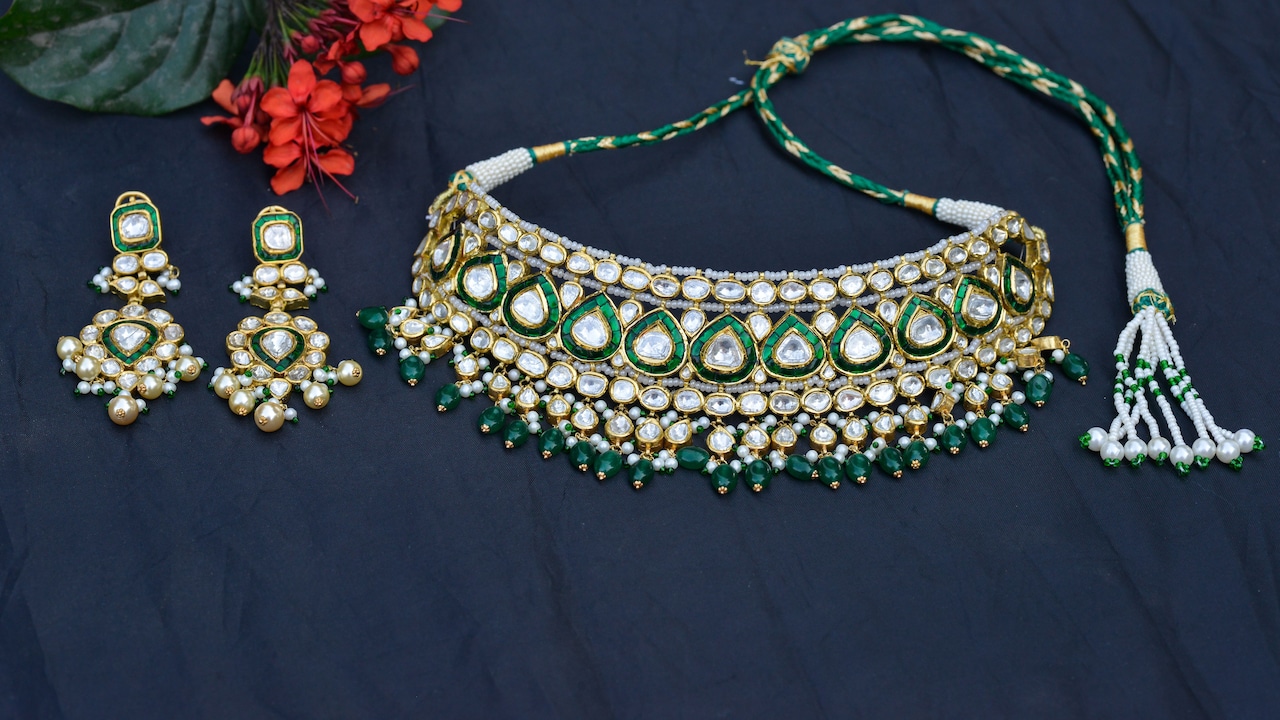
Why Artificial Jewellery Tarnishes Faster: Top 10 Ways To Save Them; Photo Credit: Pexels
Store Each Piece Separately
Tangled necklaces and overcrowded jewellery boxes create more than frustration. They also increase the risk of scratches, dents and plating damage.
When accessories rub against each other, their surfaces gradually wear down. Chains become knotted, stones loosen, and coatings deteriorate.
Separate storage provides a simple solution. Soft pouches, compartmentalised boxes and individual zip-lock bags all work well.
Organised storage also makes daily dressing easier. Instead of untangling chains for ten minutes before heading out, favourite pieces remain ready to wear.
Many jewellery lovers spend considerable effort selecting accessories that complement their outfits. It makes sense to show equal care when storing them. A little organisation goes a long way towards preserving beauty and extending lifespan.
Watch Out For Pollution And Everyday Chemicals
Urban environments expose jewellery to numerous pollutants. Dust, smoke and airborne chemicals settle on surfaces throughout the day.
Even household cleaning products contribute to tarnishing. Kitchen cleaners, bleach and disinfectants contain ingredients that react negatively with metal finishes.
People often overlook these everyday threats because they seem harmless. Yet long-term exposure can noticeably affect appearance.
Removing rings before household chores and storing jewellery safely during cleaning sessions helps reduce risk. Wiping accessories after returning home also removes accumulated pollutants.
Jewellery faces the same environmental challenges as everything else. Just as vehicles require washing to remove dirt and grime, accessories benefit from regular care. Protecting them from pollutants helps preserve their original shine and prevents premature ageing.
Choose Quality Over Quantity
The temptation to buy several inexpensive pieces instead of one well-made accessory remains strong. Trend-driven collections encourage frequent purchases, especially when prices appear attractive.
However, quality often determines how long jewellery retains its appearance. Better materials, stronger plating and improved craftsmanship generally offer greater durability.
This does not mean shoppers must spend a fortune. Many affordable options provide excellent value. The key lies in examining finishes, clasps and construction before purchasing.
A necklace that remains beautiful for three years often proves more economical than replacing multiple cheaper alternatives every few months.
Fashion trends come and go, but quality remains relevant. Investing thoughtfully can reduce frustration and create a collection that continues to look stylish long after seasonal trends have faded.
Rotate Jewellery Instead Of Wearing The Same Pieces Daily
Everyone has a favourite accessory. It might be a beloved ring, a lucky bracelet or a necklace that seems to complement every outfit. Constant wear, however, accelerates deterioration.
Daily exposure to friction, sweat, sunlight and environmental pollutants places significant stress on jewellery. Even the highest-quality fashion accessories eventually show signs of wear when used continuously.
Rotation helps distribute that wear across multiple pieces. It also encourages creativity when putting together outfits.
Many wardrobes contain accessories that rarely leave the jewellery box despite being attractive and versatile. Bringing them back into regular use allows favourite items to rest.
Think of it like footwear. Wearing the same pair every day shortens its lifespan. Rotating between several options keeps each pair in better condition. Jewellery follows the same principle. A little variety benefits both style and longevity.
Products Related To This Article
1. Nilu's Collection Rose Gold Plated
2. YouBella Jewellery Bracelets for Women Stylish Rose Gold Plated Crystal Bracelet
3. Shining Diva Valentine Gift Girlfriend Wife Italian Designer Platinum Plated Crystal Butterfly Earrings
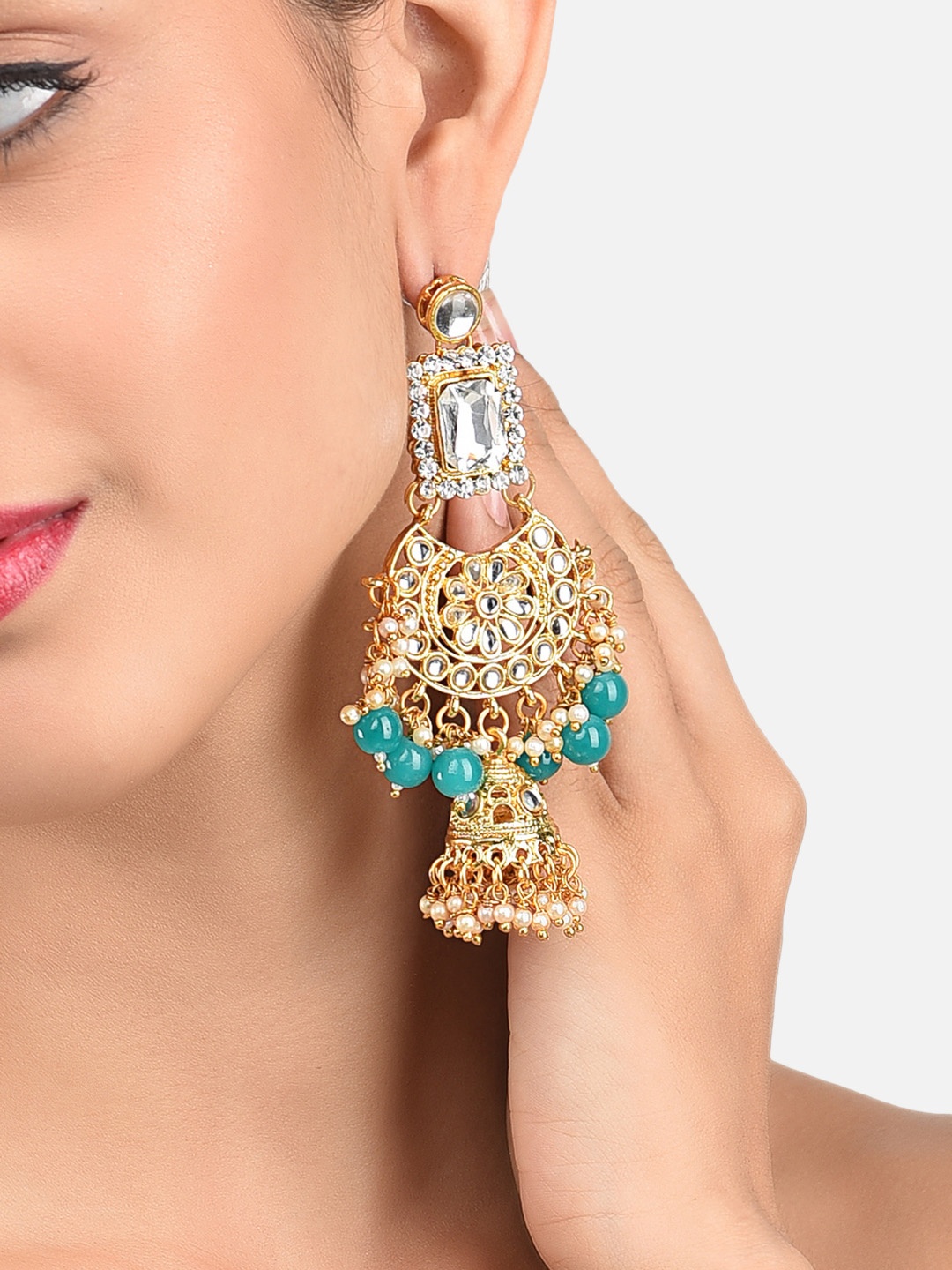
4. Rubans Necklace Set Gold Plated Green Golden Beaded Traditional Gift
5. YouBella Gifts Stylish Latest Traditional Gold Plated Pearl Choker Jwell Necklace Jewellery Set
6. Rubans Necklace Set Rhodium Plated Crystal Studded Jewellery Gift
7. Estele Valentine Collection 24 Kt Gold plated American Diamond Necklace Set
Fashion jewellery continues to offer an easy and affordable way to express personal style. While modern pieces may tarnish faster due to changing materials, environmental exposure and everyday habits, their lifespan is far from fixed.
Small actions often make the biggest difference. Storing accessories carefully, keeping them away from water and chemicals, cleaning them gently, and rotating wear can dramatically improve durability. These habits require very little effort, yet they help preserve shine, colour and overall appearance.
A treasured necklace or favourite pair of earrings should not lose its charm after just a few outings. With thoughtful care, fashion jewellery can remain beautiful season after season, ready to add that perfect finishing touch whenever the occasion calls for it.
(Disclaimer: This article may include references to or features of products and services made available through affiliate marketing campaigns. NDTV Convergence Limited (“NDTV”) strives to maintain editorial independence while participating in such campaigns. NDTV does not assume responsibility for the performance or claims of any featured products or services.)