Why Does My Kurta Shrink Every Time I Wash It At Home
Wondering why your kurta shrinks after every wash? Here's what actually causes it and some simple ways to protect your favourite cotton and linen kurtas.
Why Does My Kurta Shrink Every Time I Wash It At Home
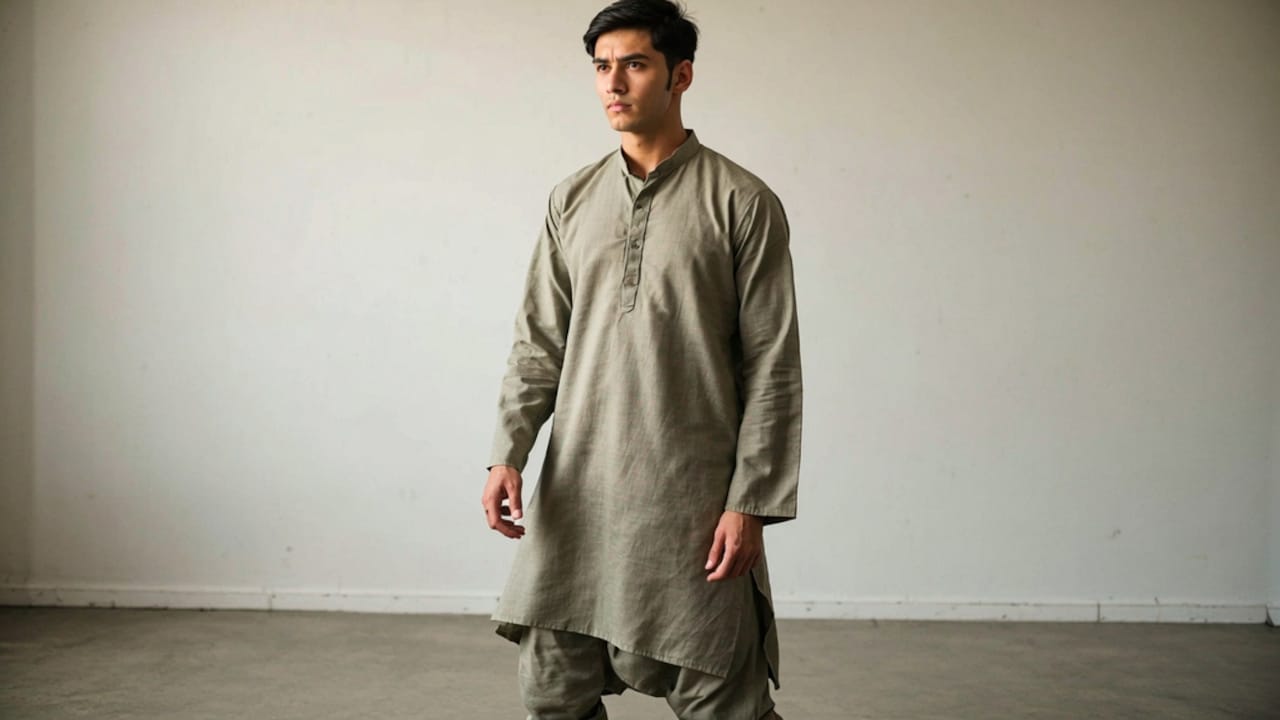
Imagine you bought a kurta that fits you just right. Two washes later, the sleeves feel tighter, and the length has gone up an inch or two. Sounds familiar? This happens to almost everyone who owns cotton or linen kurtas, and it's rarely because the fabric was defective. Most of the time, it comes down to how the kurta was washed, dried, and even ironed. Small habits at home, things we don't even notice, end up doing more damage than the fabric itself can handle. So what exactly causes this shrinkage, and can it be avoided at all?
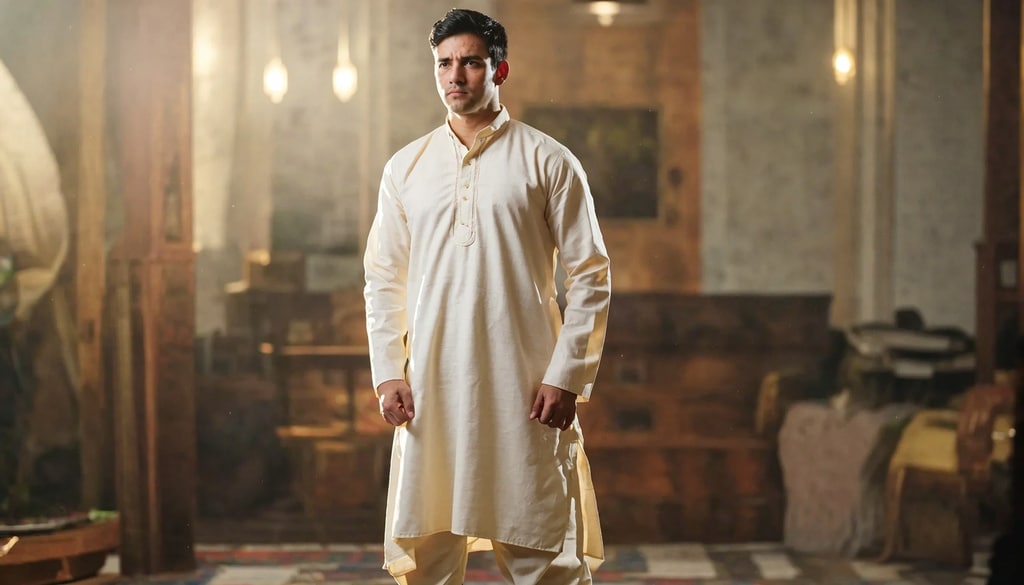
Simple ways to protect your favorite cotton and linen kurtas from shrinking in the wash.
Photo Credit: iStock
In our homes, kurtas go through a lot. Hot water washes, direct sun drying on the terrace, and starch-heavy ironing are common practices passed down for years. Unfortunately, these are also the exact things that shrink fabric over time.
What Actually Causes A Kurta To Shrink
Fabric shrinkage isn't magic; it's simply fibres reacting to heat, moisture, and agitation. Cotton and linen, the two most common kurta fabrics, are natural fibres. Natural fibres absorb water quickly and then contract as they dry, especially when heat is involved somewhere in the process.
Every wash weakens the fibre's structure just a little. It's not something you'll notice after one wash, but after five or six washes, the fabric has genuinely changed shape. This is called cumulative shrinkage, and unfortunately, most people never realise it's even a thing.
1. Hot Water Is Usually The First Culprit
Hot water opens up the fibres of cotton and linen. Once open, the fibres tend to contract as soon as they cool down. This contraction is where a good chunk of the shrinkage actually comes from.
2. Machine Agitation Adds To The Damage
There's more going on inside a washing machine than most people realise. On regular or heavy-duty settings, the drum tumbles and twists fabric around quite roughly, and that friction, cycle after cycle, wears down the weave bit by bit. It's one of the main reasons store-bought kurtas start feeling smaller after a few washes.
3. Fabric Type Plays A Bigger Role Than You'd Think
Not all kurta fabrics behave the same. Pure cotton shrinks more than cotton blends. Linen shrinks the most among common kurta fabrics because its fibres are longer and react strongly to heat.
How Drying Methods Make Or Break Your Kurta
Drying is where most of the damage happens, more than washing itself in a lot of cases. People assume sun drying is harmless since there's no machine involved, but that's not really true.
1. Direct Sunlight Speeds Up Shrinkage
UV rays and intense heat cause fibres to contract faster than they would with regular air drying. If you've noticed your kurta looking slightly smaller after terrace drying in peak summer, this is exactly why.
2. Tumble Dryers Are Worse Than Sun Drying
If you use a dryer at home, the heat combined with constant tumbling causes rapid fibre contraction. Cotton kurtas can lose almost 5 per cent of their size in a single tumble-dry cycle, sometimes more with linen.
3. Hanging Wet Kurtas The Wrong Way Distorts Shape
Even without heat, hanging a soaking wet kurta on a thin hanger stretches the shoulders while the rest of the fabric shrinks unevenly. This gives that odd, ill-fitting look many people mistake for shrinkage alone.
Ironing Habits That Quietly Shrink Your Kurta
Ironing feels like a harmless finishing step, but high heat settings on cotton and linen do contribute to long-term shrinkage. It's a slow process, so it goes unnoticed for months.
1. High Heat Settings Are Rarely Necessary
Most people iron cotton kurtas on the hottest setting out of habit. A medium setting works just as well for creases and puts far less stress on the fibres.
2. Steam Ironing Without Water Control Adds Moisture Damage
Steam combined with high heat is basically a mini wash cycle for your fabric. If your iron's steam setting is too aggressive, it can cause the same contraction that hot water washing does.
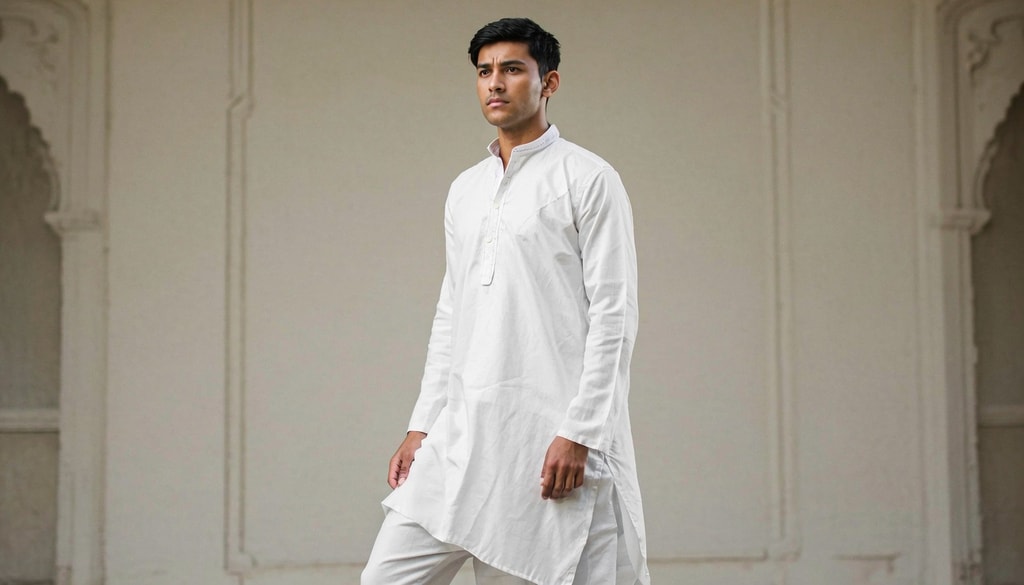
What actually causes kurta shrinkage after washing and how to easily protect your favorite fabrics.
Photo Credit: iStock
Some Kurtas You May Like
1. LookMark Men's Printed Silk Blend Kurta
2. ROYALSCOUT Men's Cotton Polyester Blend Solid Regular Fit Full Sleeve Short Kurta
3. Trustous Kurta for Mens
4. LATEST CHIKAN Men's Cotton Regular Textured Long Kurta
5. Majestic Man Men's Cotton Regular Fit Kurta
6. DEELMO Men's Cotton Blend Mandarin Collar Full Sleeve Short Kurta
7. SleepZ by Raymond Men Cotton Polyester Blend Mandarin Collar Kurta Set
8. Fabindia Men Kurta
You don't have to give up on machine washing altogether; a few adjustments go a long way in protecting your kurtas.
Stick to cold or lukewarm water for cotton and linen kurtas; hot water is off limits. Gentle or delicate cycle only; skip the regular setting entirely. When it comes to drying, shade is the way to go, and laying it flat or hanging it on a wide hanger that actually supports the shoulders makes a real difference. Ironing should stay on medium heat, and try not to press too hard on areas that already look a little stretched out.
For kurtas made of pure linen or delicate embroidery work, hand washing is the safer choice. It takes a little more time, but the fabric holds its shape far better this way.
Frequently Asked Questions (FAQs)
1. Does shrinkage only happen to new kurtas?
Not exactly. Even older kurtas can shrink more if they keep getting hot water washes or high-heat drying; it's just that the effect tends to get smaller each time around.
2. Can a shrunk kurta be stretched back out?
Try soaking it in lukewarm water mixed with a little hair conditioner, then gently stretch the damp fabric back into shape.
3. Is linen more likely to shrink than cotton?
Yes. Linen fibres are longer and respond more dramatically to heat, so under the same washing conditions, linen kurtas tend to shrink a touch more than cotton ones do.
4. Should I always dry clean my kurtas to avoid shrinkage?
It's not really necessary. Dry cleaning does cut down shrinkage quite a bit, but for everyday cotton kurtas, careful washing and drying at home works just fine.
5. Does starch make shrinkage worse?
Not the starch itself. It's the high-heat ironing that usually comes with setting starch that ends up contributing to shrinkage over time.
(Disclaimer: This article may include references to or features of products and services made available through affiliate marketing campaigns. NDTV Convergence Limited (“NDTV”) strives to maintain editorial independence while participating in such campaigns. NDTV does not assume responsibility for the performance or claims of any featured products or services.)