How To Break In And Protect Your Ethnic Footwear For All Day Comfort At Weddings And Festive Events
Ethnic footwear can be beautiful but painful. Here are some of the best ethnic footwear on Amazon to keep your feet comfortable and happy during long festive events.
How to make ethnic footwear less painful for festive events
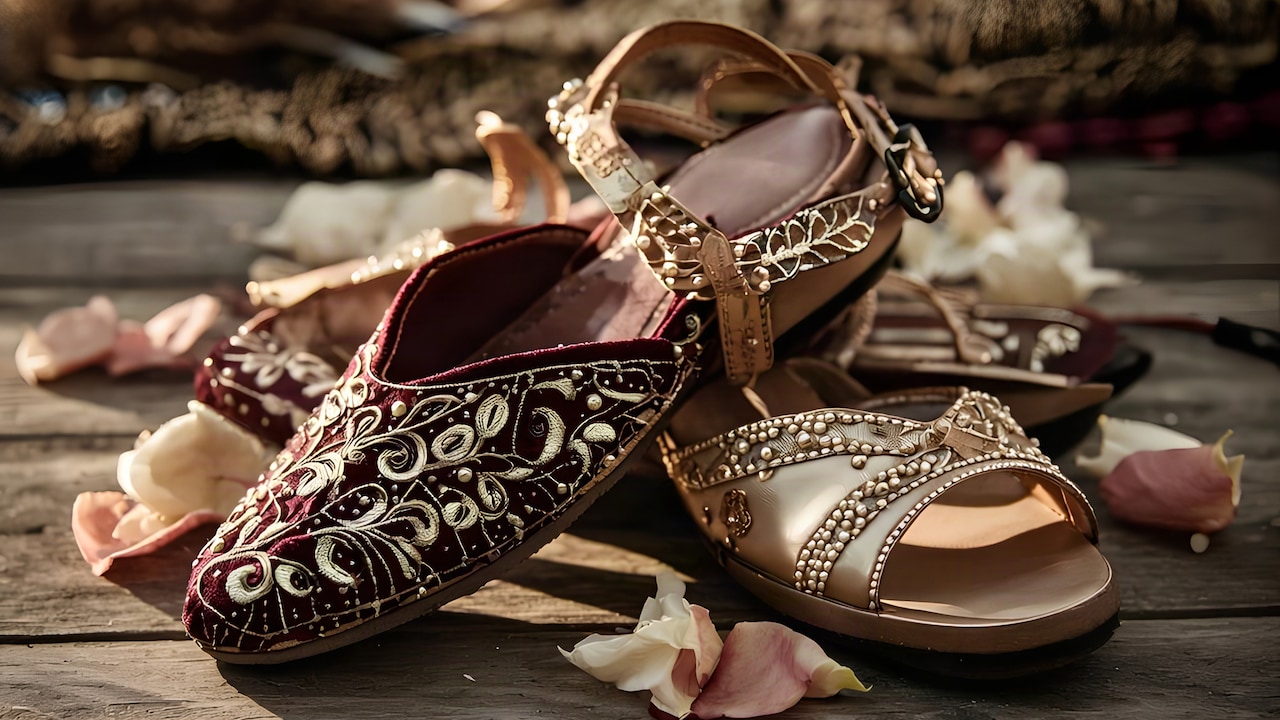
Festive season means dressing up and that almost always involves a beautiful pair of ethnic footwear. From embroidered juttis to beaded kolhapuris or embellished heels, ethnic footwear is the perfect finishing touch to any ethnic outfit. But anyone who's worn them for hours at a wedding or a puja knows the true cost, sore heels, blisters and pinched toes that make every step a task. The good news is that a little prep can go a long way.
Break In Your Footwear Before The Event
Photo Credit: iStock
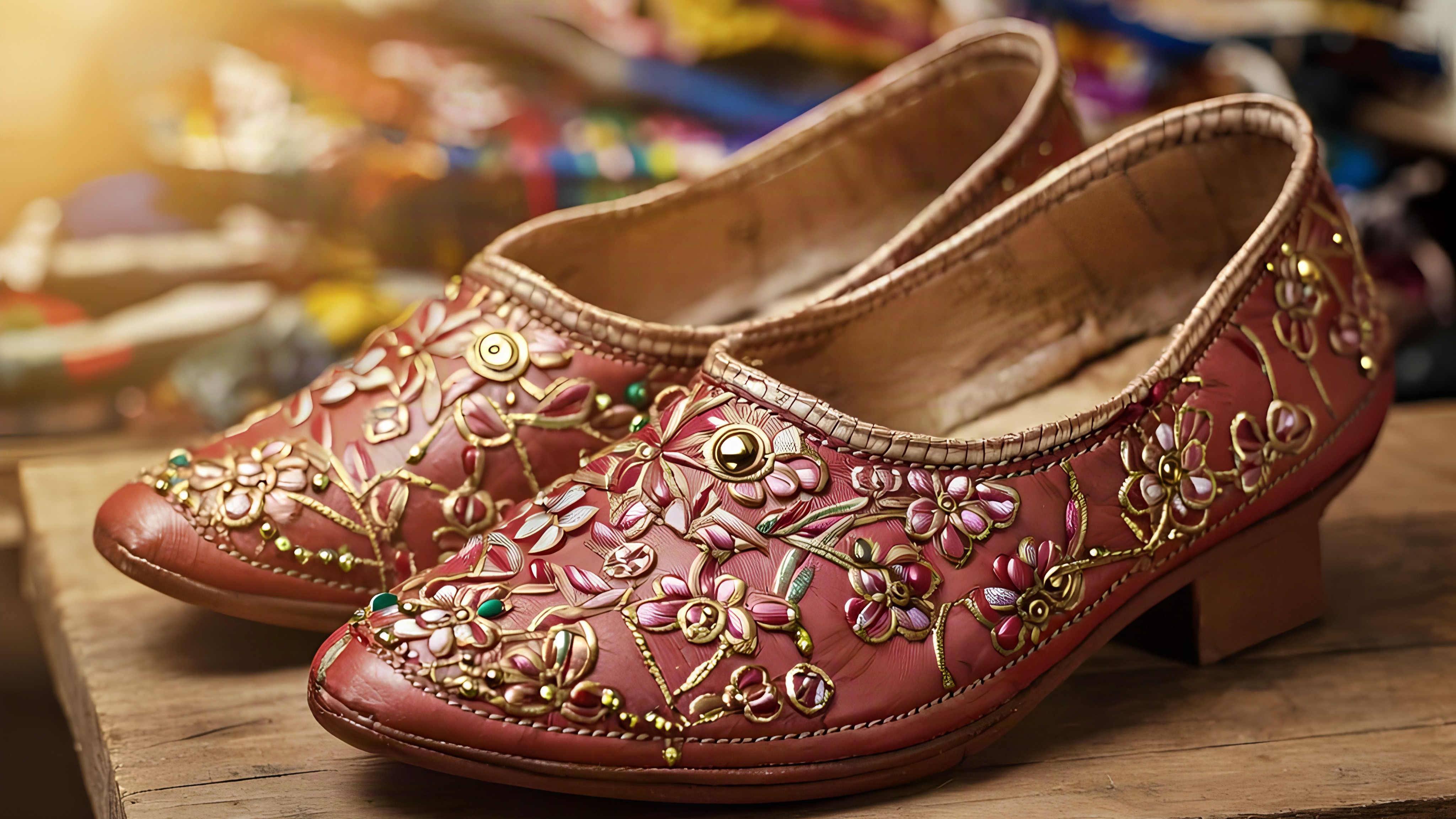
The truth is most ethnic footwear is more about looks than all-day comfort. Many are made of stiff leather, rigid fabric or firm soles that take time to break. But festive functions don't allow for that kind of time. You're often on your feet for hours, walking on uneven floors, climbing stairs, and dancing, and all in shoes that have hardly been broken in. There are some simple tricks that can actually save your feet and your mood during those long celebrations.
Also Read: Festive Footwear Edit: Discover Styles That Pair Perfectly With Sarees, Suits And More
Break In Your Footwear Before The Event
1. Wear Them Around The House First
The best thing is to wear your ethnic shoes at home for a couple of days before the function. Wear them for short periods, an hour here and there, to soften the material and mould it to your foot. Juttis and kolhapuris in particular, can be a little stiff to start but really loosen up with a little wear.
2. Use a Blow Dryer to Soften Stiff Spots
If you're in a rush, try putting on a heavy pair of socks, getting into your shoes and then using a blow dryer on gentle heat for about thirty seconds on the tight spots. As you do this, walk your feet naturally. The heat just softens the material enough to make it more comfortable to wear. Once the shoes cool, remove the socks and wear them normally to see the difference.
Protect Your Feet Before You Step Out
1. Apply Petroleum Jelly or a Balm to Friction Points
Before you put your shoes on, rub a thin layer of petroleum jelly or anti-chafe balm around your heels, the sides of your feet and around your toes. Straps or seams are most likely to contact these areas. The balm creates a protective barrier that significantly lessens friction and helps stop blisters from forming in the first place.
2. Use Cushioning Insoles Or Gel Pads
Ethnic shoes are usually flat, thin-soled with little arch support. A pair of gel insoles or heel cushions can make a huge difference, especially if you are going to be on your feet or walking for long periods of time. The insoles are thin enough to fit inside most juttis and sandals without making them feel tight, and they do absorb a fair bit of the impact with each step.
Choose The Right Size And Fit
1. Go Half A Size Up For Embellished Styles
Heavily embroidered or embellished footwear, especially juttis and mojaris, tends to be smaller in size because decorative work takes up the inner space. If possible, purchase festive shoes a little bigger. A shoe that fits tight in the shop will fit a lot tighter after a few hours of wear, especially in warmer indoor spaces where feet tend to swell a little.
2. Check Strap Placement And Buckle Fit
Go for strappy ethnic sandals, but always check where the straps fall across your foot before committing to a style. Straps that cross over bony parts of the foot are much more likely to cause discomfort. The adjustable buckles allow you to loosen up a bit as the night progresses, which can be a real benefit on longer nights.
Carry Simple Foot Care Essentials
1. Pack Blister Plasters In Your Bag
A small pack of blister plasters doesn't take up much space and can really save your evening. If a hot spot is developing, then use a plaster straight away rather than waiting for a blister to develop. If you act early, you can continue without interruption, and the plaster will cushion the area for the rest of the event.
2. Give Your Feet A Rest When You Can
It sounds simple, but the difference made by sitting down every time a natural break presents itself is real. If you are standing or sitting for a long function, resting your feet for ten to fifteen minutes will help ease and reduce swelling. If you ever get the chance to sit down in a quiet moment, take your shoes off for a minute, and let your feet air out, and you will notice how much easier the rest of the evening becomes.
Some Products You May Like:
Photo Credit: iStock
Some Products You May Like:
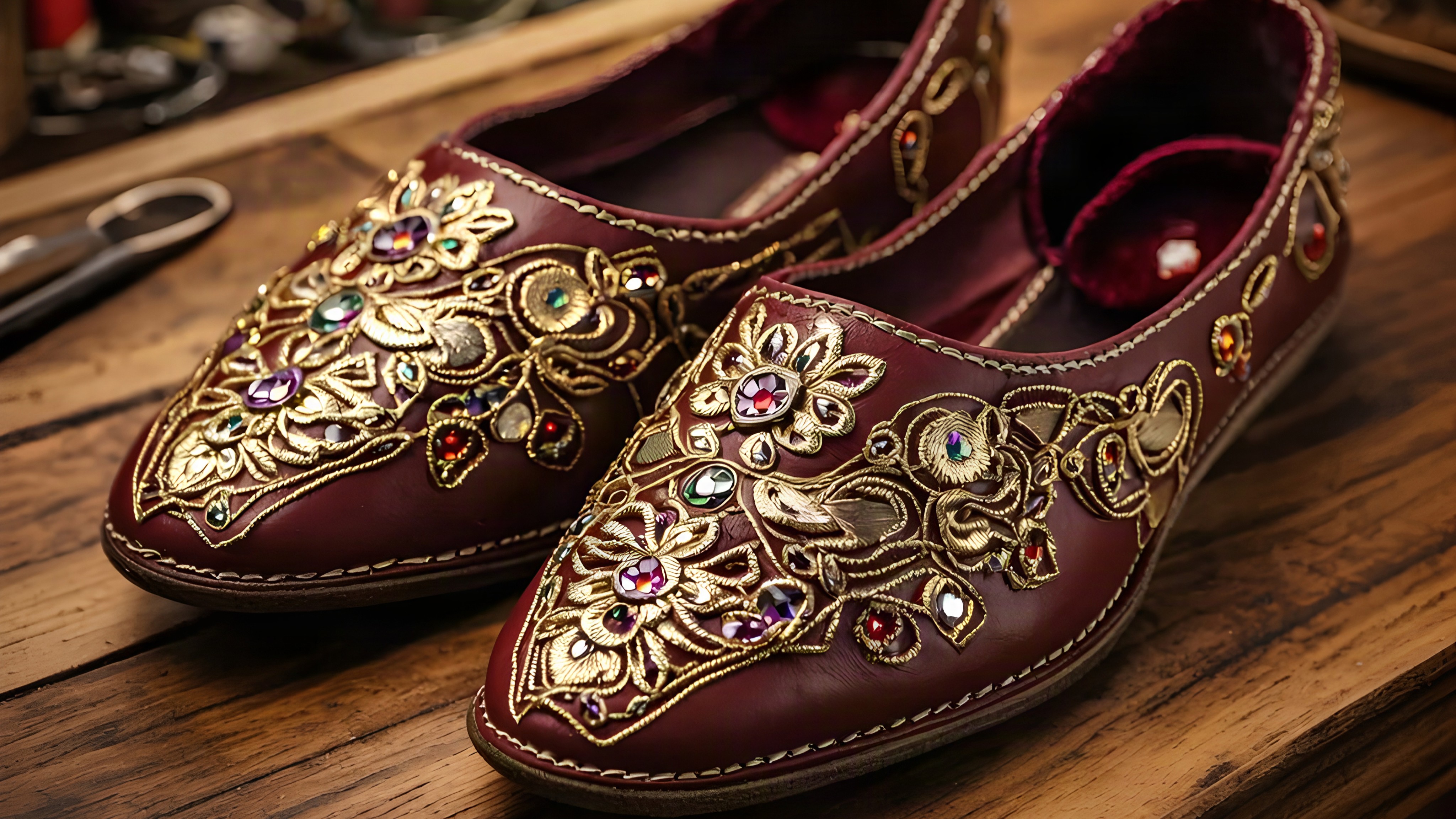
1. Women's Punjabi Embroidery Jutti
2. Frido Women's Ethnic Comfort Flat Sandal
3. TRASE Traditional Jutti for Women & Girls
4. XE Looks Beautiful & Comfortable Ethnic Sandal
5. DESI COLOUR Women's Ethnic Footwear
6. Women's Black Hand-Beaded Punjabi Jutti
7. KORAKARI Women's Traditional Ethnic Amber Punjabi Jutti
8. DFR Women Embroidered Mojari Juttis
Frequently Asked Questions (FAQs)
1. How do I stop juttis from rubbing the back of my heel?
Apply petroleum jelly or a heel balm before wearing them, and use a small heel grip pad inside the shoe to reduce friction at the back.
2. Can I stretch ethnic footwear if they feel too tight?
Yes. Wearing them with thick socks and applying gentle heat from a blow dryer to tight spots helps soften the material and stretch the fit slightly.
3. Are gel insoles suitable for flat ethnic sandals?
Absolutely. Thin gel heel cushions or half insoles fit easily inside flat sandals and provide extra padding without making the fit uncomfortably tight.
4. What should I do if a blister forms during the event?
Cover it immediately with a blister plaster to cushion the area and reduce further rubbing. Avoid bursting it, as the skin underneath needs protection.
5. Is it better to buy ethnic footwear in advance or close to the event?
Always buy them in advance. This gives you time to break them in properly, which is the most effective way to avoid pain during festive events.
(Disclaimer: This article may include references to or features of products and services made available through affiliate marketing campaigns. NDTV Convergence Limited (“NDTV”) strives to maintain editorial independence while participating in such campaigns. NDTV does not assume responsibility for the performance or claims of any featured products or services.)