10 Fit Problems That Make Peplum Tops Look Short-Waisted Or Unbalanced
A peplum top can look perfectly proportioned on the hanger yet awkward once worn. From misplaced waist seams to excess flare, these 10 common fit problems explain why a peplum can shorten the torso or throw an outfit off balance.

Peplum Top
Peplum tops have a fairly straightforward job. They fit closer around the upper body, pull in somewhere near the waist and then flare out. On paper, that sounds almost foolproof. Yet anyone who has tried on three seemingly identical peplum tops and received 3 completely different results knows otherwise. One may define the waist beautifully. Another somehow makes the torso look half its usual length. A third sits correctly when standing but climbs upwards the moment you lift an arm. Sometimes the problem isn't the body or even the overall style of the top. It comes down to a few centimetres of fabric being placed in the wrong spot.

Peplum Top
Photo Credit: Pexels
Peplums depend heavily on proportion. The waist seam, flare, bust fit, shoulder position and overall length all work together. Change one of them, and the entire silhouette can shift. Before deciding that peplum tops simply don't suit you, look at how the garment itself fits. These ten problems are often behind that oddly compressed or unbalanced appearance.
Also Read: 6 Types Of Tops Every Woman Needs For Effortless Style
How Peplum Fit Can Change Your Body Proportions
1. The Peplum Seam Sits Above Your Natural Waist
That horizontal seam usually controls the entire shape of a peplum top. If it lands noticeably above the natural waist, the eye reads everything above it as the torso. Suddenly, even someone with an average or long torso can appear short-waisted. This frequently happens with tops designed with a slightly raised waistline. The problem becomes more noticeable when you have a longer distance between your bust and natural waist. Instead of gently narrowing at the slimmest part of the torso, the top begins flaring somewhere around the lower ribs.
The result can resemble an accidental empire waist rather than a defined peplum. Check where your body naturally creases when you bend sideways. The peplum seam should generally sit close to that area unless the design deliberately uses a different silhouette. Don't rely solely on where the top ends. Pay attention to where the flare actually starts. A longer peplum with a badly positioned seam can still make the upper body look surprisingly compressed.
2. The Bodice Is Too Short Before The Flare Begins
Two peplum tops can have exactly the same total length yet fit completely differently. The reason often hides in the bodice. The bodice is the section running from the shoulders down to the peplum seam. If that portion is too short for your torso, the entire garment gets pulled upwards. The waist seam rises, the flare begins prematurely and the peplum may stick out more dramatically than intended.
You may notice another clue: the top seems fine when first adjusted, but after walking around for a few minutes, it creeps upwards again. This problem can become particularly obvious on people with longer torsos or fuller busts because more fabric length gets used covering the upper body.
Sizing up doesn't always solve it. A larger size may simply add width while leaving the vertical proportions virtually unchanged. Instead, compare the shoulder-to-waist measurement of different tops. Look for designs described as longer-line or tops where the fitted bodice visibly extends further before the peplum begins.
3. The Bust Is Borrowing Fabric From The Waist
A peplum top that feels unusually short in front may actually have a bust-fit problem. When the bust area doesn't provide enough room, fabric has to come from somewhere. The top pulls upwards and forwards to cover the chest, which lifts the waist seam along with it. From the front, the peplum may begin noticeably higher than it does at the back.
This is one reason a top can look perfectly level on a hanger yet strangely tilted once worn. Look at the side seam. If it angles forward instead of falling vertically, or if horizontal pull lines appear across the bust, the upper section probably needs more room.
A larger size might help when the entire bodice feels snug, but it can create loose shoulders elsewhere. Tops with darts, princess seams, stretch fabric or additional bust shaping often handle proportions more successfully. The important part is recognising that the waistline isn't always responsible for a high peplum. Sometimes the fabric has simply travelled north because the bust needs more space.

Peplum Top
Photo Credit: Pexels
4. The Peplum Has Too Much Volume For Its Length
More flare doesn't automatically mean a better peplum. A short peplum with a huge amount of gathered or circular fabric can project sharply away from the body. Instead of continuing the vertical line of the torso, it creates a strong horizontal shelf around the waist. That horizontal emphasis can make the upper body appear shorter and wider, particularly when the flare begins abruptly.
Fabric makes a difference too. Crisp cotton, jacquard, organza blends and other structured materials tend to hold their shape. Add generous gathering and they can create far more volume than a soft jersey or fluid crepe peplum. Look at the top from the side. Ideally, the flare should fall away from the waist rather than immediately sticking almost straight out.
A slightly longer, softer peplum often distributes volume more gradually. Another option is a top with fewer gathers and more controlled shaping. Sometimes the best peplum isn't the fullest one on the rack. A quieter flare can create far better proportions.
5. The Peplum Starts Too Close To The Bust
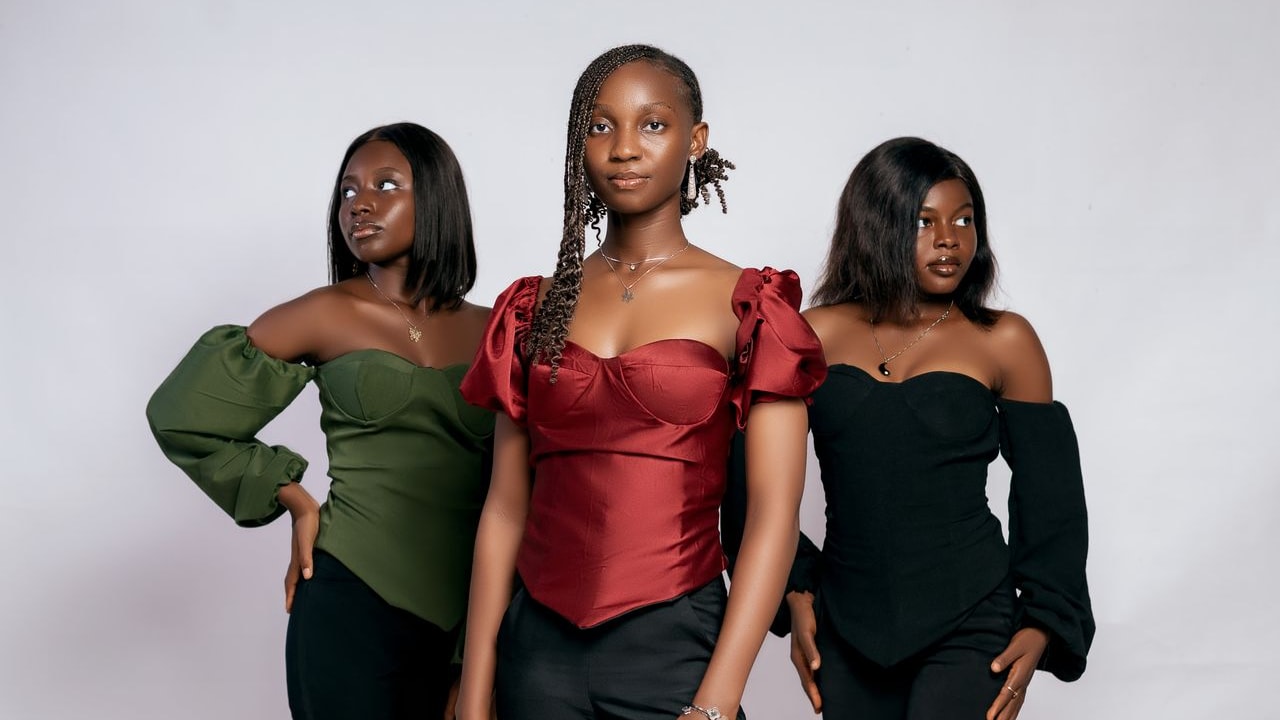
The distance between the bust and the beginning of the flare matters more than it gets credit for. When those two points sit too close together, the fitted middle section almost disappears. There isn't enough visual space for the waist to look properly defined. The silhouette jumps almost directly from bust to peplum.
That can make the torso seem crowded. You may notice this especially with cropped peplum tops or designs featuring very high waist seams. They can look great in photographs taken from one carefully chosen angle, but everyday movement exposes the compressed proportions quickly.
Try viewing the top from a few steps away rather than only in a close mirror. Is there a visible stretch of fitted fabric between the fullest part of the bust and the beginning of the flare? If that section looks tiny, the cut probably doesn't match your vertical proportions.
A slightly lower waist seam can make a surprisingly large difference. Even two or three extra centimetres may give the torso enough breathing room for the peplum shape to look intentional.
Peplum Top
Photo Credit: Pexels
6. The Shoulder Fit Is Pulling The Entire Top Upwards
Waist problems sometimes begin all the way up at the shoulders. If the shoulder seams sit too narrowly or the armholes feel tight, every arm movement can tug the bodice upwards. Raise your hands to fix your hair and the top suddenly sits a few centimetres higher. Put your arms down and it doesn't fully return to its original position.
Now the peplum seam looks misplaced even though it started correctly. Check whether the shoulder seam reaches the natural edge of your shoulder. Also move your arms forward, upwards and across your body while trying the top. A good fit should allow normal movement without dragging the waistline along for the ride. This issue appears frequently in structured or non-stretch tops where there isn't much fabric flexibility around the upper back and armholes.
Buying a peplum top while standing perfectly still in a fitting-room mirror can therefore be misleading. Give it a miniature movement test. Real clothes have to survive reaching for the top shelf too.
7. The Flare Ends At An Awkward Point On The Hips
Where the peplum starts matters, but so does where it stops. A peplum that ends exactly at the widest section of the upper hip can create a strong horizontal line. That makes the lower part of the top appear broader, which can visually shorten everything sitting above it. The effect becomes stronger when the hem has substantial volume, piping, ruffles or a contrasting border.
A very short peplum can cause a different problem. It may look more like a ruffle attached to the waist than a continuation of the top, leaving the proportions feeling unfinished. Try comparing where different hems land rather than focusing only on whether the waist fits. Some people prefer a peplum that ends slightly above the fullest hip area. Others find that a longer flare falling past it gives a smoother transition.
There isn't one universal ideal length because torso and hip proportions vary considerably. The useful question is simpler: does the hem create a sudden visual stop at the widest point, or does the shape flow naturally?
8. The Waist Is Too Loose To Anchor The Peplum
Peplums rely on contrast. A relatively fitted middle section gives way to a wider flare. Remove that contrast and the silhouette loses its structure. When the waist section is too loose, the top may fall almost straight from the bust before suddenly expanding at the peplum. Instead of defining the waist, it can look as though extra fabric has simply been attached to the bottom.
The seam may also shift around during the day because nothing keeps it anchored at the intended position. This doesn't mean the waist needs to feel tight. You should still sit, breathe and eat lunch comfortably. The fabric simply needs enough shaping to follow the torso.
Princess seams, darts, adjustable ties and stretch panels can create definition without squeezing. If you constantly pull the top down or reposition its seam, check the waist circumference rather than assuming the garment needs extra length. Peplums work best when the bodice and flare clearly perform different jobs. When both sections hang loosely, that distinction disappears and the proportions can quickly look muddled.
9. High-Waisted Bottoms Cover Too Much Of The Peplum
Sometimes the top fits perfectly until another garment enters the picture. Very high-waisted trousers, skirts or jeans can rise close to the peplum seam. If the bottoms cover part of the flare, the visible peplum becomes much shorter than the designer intended. You may end up seeing only a narrow strip of flared fabric between the waistband and hem. That small section can bunch, fold or stick out, creating the impression of a strangely shortened torso.
Tucking the peplum in usually makes matters worse because its volume has nowhere comfortable to go. Try the top with the bottoms you genuinely plan to wear rather than judging it separately. A waistband sitting a little lower may reveal more of the peplum and restore the intended proportions. Alternatively, a longer peplum can work better with high-rise styles.
Fashion pieces don't exist independently. Two well-fitting garments can still fight each other when their key design lines occupy exactly the same part of the body.
10. The Front And Back Hem Aren't Sitting At The Same Level
Look at a peplum from the side and you may discover a problem that the front mirror hides. If the front waist seam sits higher than the back, the entire top can look tipped forward. Several fit issues can cause this, including insufficient bust room, a short front bodice or poor pattern shaping.
The opposite can happen too. Excess fabric through the back may allow the rear peplum to sag lower, making the front appear unusually short by comparison. Side seams offer a useful diagnostic tool. They should generally fall fairly straight rather than swinging noticeably towards the front or back.
Also check the peplum hem itself. Does it appear reasonably level around the body, or does one section climb dramatically? Minor differences are normal because bodies aren't flat mannequins. A pronounced tilt, however, usually points to a fit mismatch. This is why judging only the front view can be deceptive. Turn sideways, check the back and take a quick photo if necessary. Balance needs to work from every angle.

Peplum Top
Photo Credit: Pexels
Products Related To This Article
1. Uptownie Maroon Stretchable Puff Sleeve Peplum Top
2. DressBerry Women Tie and Dye Bell Sleeve Peplum Crop Top
3. Anouk Ethnic Printed Sleeveless Cotton Peplum Crop Top
4. Uptownie Black Stretchable Button Front Peplum Waistcoat
5. Mast & Harbour Floral Embroidered Pure Cotton A-Line Top
6. all about you Smocked Pure Cotton Peplum Top
7. Glitchez Checked Puff Sleeve Peplum Top
Peplum tops aren't inherently flattering or unflattering. They are simply less forgiving of poor proportions than many straighter silhouettes. A waist seam that's slightly too high, a tight bust or an overly short bodice can alter the whole effect.
So, when a peplum makes the torso look unexpectedly short, don't immediately blame the mirror. Check where the garment narrows, where it flares and how it behaves when you move. The right peplum shouldn't need constant pulling, adjusting or negotiation. It should find the waist and stay there.
(Disclaimer: This article may include references to or features of products and services made available through affiliate marketing campaigns. NDTV Convergence Limited (“NDTV”) strives to maintain editorial independence while participating in such campaigns. NDTV does not assume responsibility for the performance or claims of any featured products or services.)