10 Reasons Polo Necklines Lose Their Shape Faster Than The Rest Of The Shirt
From frequent washing and improper drying to poor fabric construction, discover why polo necklines lose their shape faster than the rest of the shirt and how to keep them looking neat.

Why Polo Shirt Collars Lose Their Shape: 10 Reasons And Easy Fixes
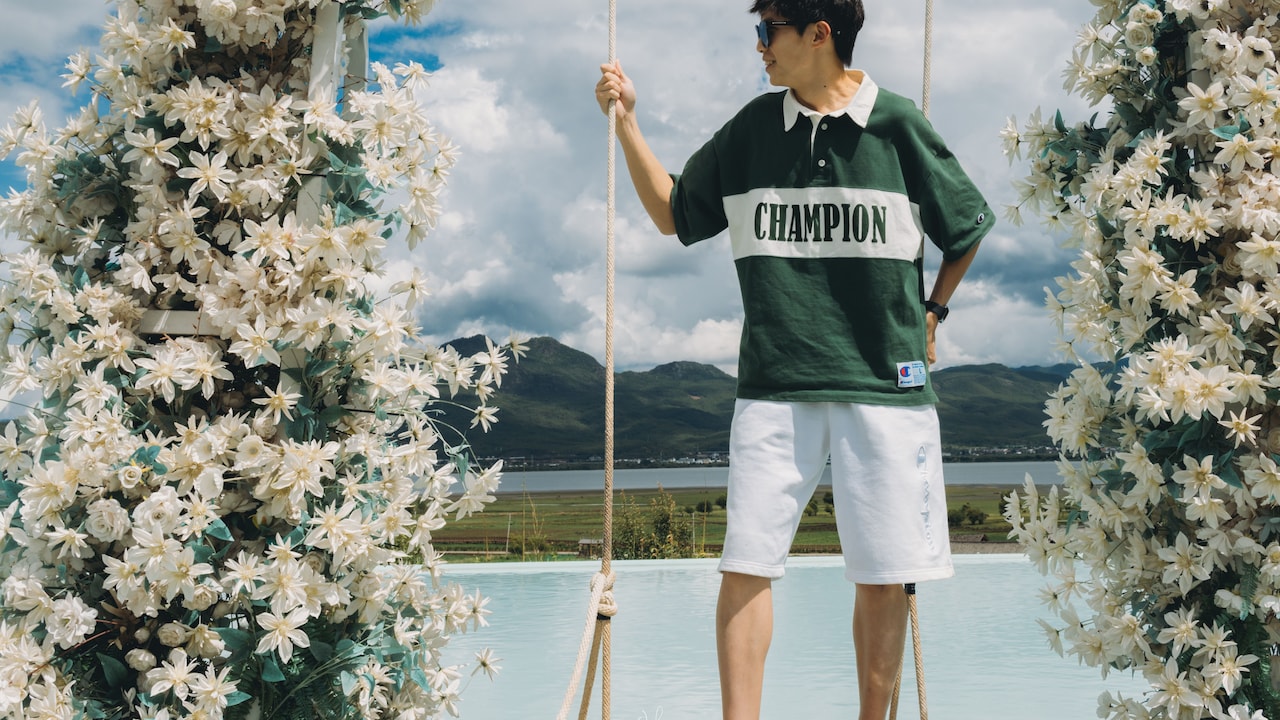
There's something effortlessly stylish about a well-fitted polo shirt. It strikes the perfect balance between a casual T-shirt and a formal button-down shirt. Whether it's a casual Friday at work, a weekend brunch or a family gathering, a polo shirt rarely looks out of place. However, there's one particularly frustrating problem with this wardrobe staple: its neckline doesn't always age gracefully. The shirt may retain its original colour, the sleeves might fit perfectly, and the fabric may still feel comfortable. Yet, the collar starts curling, the neckline becomes wider, and the entire garment suddenly looks considerably older than it actually is. Interestingly, this problem isn't always a reflection of the shirt's price or quality. Everyday habits, from pulling a shirt over your head to hanging it on the balcony after washing, can gradually affect its structure. Even something as simple as ironing the collar incorrectly can contribute to premature wear.
Why Polo Shirt Collars Lose Their Shape: 10 Reasons And Easy Fixes
Photo Credit: Pexels
Understanding how different fabrics respond to moisture, heat, movement and pressure can help extend the life of your favourite polo shirts. Here are ten reasons why polo necklines deteriorate faster than the rest of the garment, along with practical ways to maintain their original shape.
Why Polo Necklines Lose Their Shape And How To Prevent It
1. The Neckline Experiences More Stretching During Everyday Wear
Think about how often a polo shirt's neckline stretches throughout its lifetime. Every time you put it on or take it off, the opening expands to accommodate your head. Unlike the fabric around the chest or back, the neckline experiences concentrated pulling in a relatively small area.
Things become particularly problematic when you remove the shirt without undoing its buttons. The fabric needs to stretch considerably more than its construction originally intended. Pulling the shirt off from one side can also create uneven tension, gradually distorting the neckline.
Some people instinctively tug at their collars during hot afternoons or while sitting through lengthy meetings. Others frequently adjust their necklines when they feel uncomfortable. These seemingly harmless habits can contribute to fabric fatigue over time.
The simplest solution involves undoing the buttons before putting on or removing the shirt. Hold the garment around its body rather than pulling directly at the collar. Although these changes seem insignificant, reducing unnecessary tension allows the neckline to retain its elasticity and original dimensions for considerably longer.
2. Ribbed Collar Fabrics Age Differently From The Shirt Body
Have you ever noticed that a polo shirt's collar feels slightly different from the fabric covering its body? Manufacturers often use ribbed knit construction for collars because it provides flexibility, structure and a certain degree of elasticity. Meanwhile, the main body frequently features piqué or jersey fabric.
These fabrics don't necessarily respond to wear in the same way. Ribbed knitting allows the collar to expand and contract, but repeated stretching can gradually reduce its ability to return to its original dimensions. The main body, which experiences less concentrated stretching, may retain its appearance for longer.
The quality of the yarn, knitting density and fibre composition also influence how well the collar maintains its structure. Loosely knitted collars may distort sooner, particularly when they encounter frequent washing and mechanical stress.
When shopping for polo shirts, gently stretch a small section of the collar and observe how quickly it returns to its original shape. A collar with good recovery and consistent knitting generally offers better structural support. A little attention to these details can prevent disappointment after just a few washes.
3. Frequent Washing Gradually Weakens The Collar's Structure
Between humid afternoons, crowded commutes and unexpected bouts of perspiration, wearing a polo shirt more than once without washing it isn't always practical. Unfortunately, frequent laundering introduces considerable stress to the neckline.
Washing machines repeatedly agitate garments, causing fabrics to rub against one another. Collars and neckline edges encounter friction, twisting and pulling throughout the cycle. Over time, this mechanical action can affect the alignment of knitted loops and contribute to a less defined collar.
Aggressive washing programmes make matters worse, particularly when polo shirts share a load with heavy denim jeans, bath towels or bedsheets. The difference in fabric weight creates additional friction and unnecessary pressure on lighter garments.
Consider using a gentle washing programme and turning your polo shirts inside out before laundering. Wash them alongside garments of a similar weight, and avoid overcrowding the washing machine. A mild detergent and an appropriate spin speed can also help.
The objective isn't to wash your clothes less often when they genuinely need cleaning. Instead, make each wash a little kinder to the fabric, especially around vulnerable areas.
Also Read: Not Just Another Tee: 5 Regular Fit Polo T-Shirts For Men Under ₹500 On Amazon
4. Sweat And Body Oils Accumulate Around The Neckline
A polo shirt's neckline sits directly against one of the body's most exposed areas. Throughout the day, it collects perspiration, natural skin oils, sunscreen, moisturiser and occasionally traces of hair products. This accumulation makes the collar particularly susceptible to discolouration and changes in texture.
During warmer months, sweat can leave behind salt and other residues as it dries. These deposits may make the fabric feel stiff or uncomfortable. Meanwhile, the build-up of oils attracts dirt, prompting more intensive cleaning around the collar than elsewhere on the garment.
Scrubbing the affected area vigorously with a laundry brush might remove visible marks, but it can also disturb the knitted structure. Repeatedly rubbing the same section gradually increases surface wear.
Rather than attacking stubborn collar stains with excessive force, apply a small amount of suitable liquid detergent and allow it to work according to its instructions. Gently massage the fabric without stretching it, then rinse thoroughly.
Avoid leaving heavily perspired shirts sitting in a laundry basket for several days. Prompt cleaning can prevent stubborn deposits and reduce the need for harsh stain-removal methods.
Why Polo Shirt Collars Lose Their Shape: 10 Reasons And Easy Fixes
Photo Credit: Pexels
5. Hanging Wet Polo Shirts Places Extra Pressure On The Neckline
Hanging freshly washed clothes on the balcony seems like the most natural thing to do. However, a wet polo shirt weighs considerably more than a dry one, particularly if it contains a high percentage of cotton.
When you place a wet shirt on a narrow hanger, the weight of the damp fabric pulls downwards from the shoulders. This pressure can extend towards the neckline, especially when the shirt's construction offers limited reinforcement. Forcing a hanger through a small neck opening can create additional stretching.
Thin wire and undersized plastic hangers present another problem. They concentrate the garment's weight across relatively small contact points rather than distributing it evenly.
Whenever possible, dry knitted polo shirts flat on a clean drying rack with adequate ventilation. Gently arrange the collar and shoulders while the garment remains damp, allowing them to settle into their natural positions.
If hanging is unavoidable, choose a broad, appropriately sized hanger and support the shirt carefully. Insert the hanger through the bottom opening instead of forcing it through the neckline. This small adjustment can make a noticeable difference over time.
6. Hot Water And Excessive Heat Affect Fabric Recovery
Hot water might seem like a reliable solution for removing sweat and stubborn odours, but it doesn't necessarily benefit every garment. Polo shirts often combine different fibres and fabric constructions, each responding differently to elevated temperatures.
Cotton can shrink under certain washing and drying conditions, while excessive heat can damage elastane fibres and reduce their ability to recover after stretching. When the collar and shirt body shrink or relax at different rates, the neckline may develop ripples, uneven edges or an awkwardly curled appearance.
Repeated exposure to high dryer temperatures can further contribute to these problems. Even when the main body appears perfectly fine, the collar may lose some of its original definition.
Check the garment's care label before choosing a washing temperature. Many everyday polo shirts tolerate cool or moderately warm water, depending on their fibre composition and construction.
Air-drying offers a practical alternative to high-temperature tumble drying when space and weather permit. There's little benefit in subjecting a perfectly washable polo shirt to unnecessary heat simply because a hotter laundry cycle feels more effective. Appropriate detergent and washing practices matter just as much.
7. Poor Stitching And Weak Neckline Construction Accelerate Wear
Not every polo shirt begins its life with a structurally sound neckline. Sometimes, the problem originates long before the garment reaches your wardrobe.
The stitching that connects the collar to the shirt body plays an important role in distributing tension. Inconsistent stitch lengths, poorly aligned seams or unsuitable sewing tension can compromise the neckline's stability. Some collars may also feature inadequate reinforcement around the back of the neck or the button placket.
These construction issues don't always reveal themselves immediately. A shirt can look remarkably polished on the shop floor, only to develop puckering or uneven collar edges after several washes. The rest of the garment may remain in excellent condition, making the deterioration particularly disappointing.
Before purchasing a polo shirt, examine the neckline from both the outside and inside. Look for consistent stitching, neatly finished seams and a symmetrical collar. Check whether the button placket sits flat without pulling at the surrounding fabric.
An expensive price tag doesn't automatically guarantee superior construction. Paying attention to these small details often provides a better indication of how well a garment might handle everyday wear.
8. Incorrect Ironing Causes Collars To Curl And Distort
Ironing a polo shirt should make it look smarter, not leave its collar resembling a pair of tiny wings. Unfortunately, incorrect ironing techniques can gradually encourage neckline distortion.
Dragging a hot iron across a ribbed collar while applying considerable pressure may stretch the fabric. The problem becomes more pronounced when someone pulls the collar outwards to flatten creases before ironing. Repeatedly pressing the neckline in an unnatural position can encourage an uneven appearance.
Excessive ironing temperatures can also damage heat-sensitive synthetic fibres, particularly in blended fabrics. Meanwhile, some collars develop persistent curling because of differences in tension between their upper and lower surfaces.
Instead of sweeping the iron aggressively across the neckline, use gentle pressing movements. Arrange the collar in its intended shape and work in small sections without pulling the fabric. Follow the temperature recommendations on the garment's care label.
For stubborn creases, light steaming may help if the material permits it. Allow the collar to cool and dry naturally before wearing or folding the shirt. Putting a warm, damp garment under immediate tension can undermine the effort you just spent ironing it.
9. Improper Folding And Storage Create Persistent Collar Creases
Sometimes, the culprit isn't the washing machine or the iron. It's the overcrowded wardrobe.
Polo shirts frequently end up squeezed between stacks of T-shirts, trousers and other clothing. When the collar folds awkwardly beneath heavier garments, prolonged pressure can create stubborn creases. Collar tips may bend upwards, while the neckline develops an uneven appearance.
Hanging polo shirts for extended periods can also contribute to distortion, particularly when narrow hangers provide insufficient shoulder support or neighbouring garments press tightly against them.
The situation becomes worse when clothes enter the wardrobe before drying completely. Slightly damp fabric can settle into unwanted folds, leaving the collar looking untidy the next time you reach for it.
Fold polo shirts on a flat surface and straighten the collar before placing them in the wardrobe. Avoid folding directly across the collar tips or compressing the neckline beneath excessively heavy stacks.
Drawer organisers or shelf dividers can make storage more manageable without requiring an elaborate wardrobe makeover. Giving garments a little breathing room also makes them easier to retrieve without disturbing everything else. Your favourite polo shirt shouldn't need to survive a wrestling match every morning.
Why Polo Shirt Collars Lose Their Shape: 10 Reasons And Easy Fixes
Photo Credit: Pexels
10. Repeatedly Wearing The Same Polo Shirt Accelerates Fabric Fatigue
Most wardrobes contain that one dependable polo shirt. It fits beautifully, complements nearly every pair of trousers and somehow becomes the default choice whenever dressing up feels like too much effort.
Naturally, this favourite garment experiences more washing, stretching, perspiration and friction than the shirts gathering dust beside it. The neckline, already vulnerable because of its construction and position, often displays the earliest signs of cumulative wear.
Elastic recovery doesn't last indefinitely. Repeated mechanical stress gradually affects the fabric's ability to return to its original shape. Even a well-constructed collar will eventually show signs of ageing when subjected to consistent use.
Rotating between several polo shirts can distribute this wear across your wardrobe. It also provides enough time to wash, dry and store each garment properly without rushing the process.
Additionally, pay attention to the way backpacks, helmet straps and lanyards interact with your neckline during daily activities. Constant rubbing around the neck can accelerate localised deterioration.
No garment remains pristine forever, but thoughtful usage and sensible maintenance can help your favourite polo shirt look presentable for much longer.
Products Related To This Article
1. Wear Your Opinion Women Polo Collar T-shirt
2. CAHOOT Men Self Design Polo Collar Cotton T-shirt
3. Roadster The Lifestyle Co Women Mauve Polo Collar T-shirt
4. Lux Cozi Polo Collar Lounge Tshirts
5. Max Women Polo Collar T-shirt
6. Mast & Harbour Men Navy Blue, Red & Grey Colourblocked Polo Collar T-shirt
7. Roadster Women Red Solid Polo Collar T-shirt
A misshapen polo neckline doesn't necessarily mean you've purchased a poor-quality shirt. Fabric construction, frequent stretching, perspiration, washing temperatures, drying techniques and storage habits all influence how well a collar ages.
Fortunately, maintaining its shape doesn't require expensive laundry products or elaborate clothing care routines. Undoing the buttons before removing the shirt, washing it gently, avoiding excessive heat and straightening the collar before storage can make a considerable difference.
When buying new polo shirts, look beyond colours, patterns and brand names. Examine the collar's elasticity, stitching and overall construction. These easily overlooked details can influence how the garment looks after months of regular use. After all, a polo shirt should retire because you've genuinely worn it out, not because its collar gave up long before the rest of the fabric.
(Disclaimer: This article may include references to or features of products and services made available through affiliate marketing campaigns. NDTV Convergence Limited (“NDTV”) strives to maintain editorial independence while participating in such campaigns. NDTV does not assume responsibility for the performance or claims of any featured products or services.)