10 Fit Problems That Make Trekking Sandals Uncomfortable On Uneven Terrain
From slipping heels and cramped toes to poorly positioned straps, discover ten trekking sandal fit problems that cause discomfort on uneven terrain and how to tackle them.
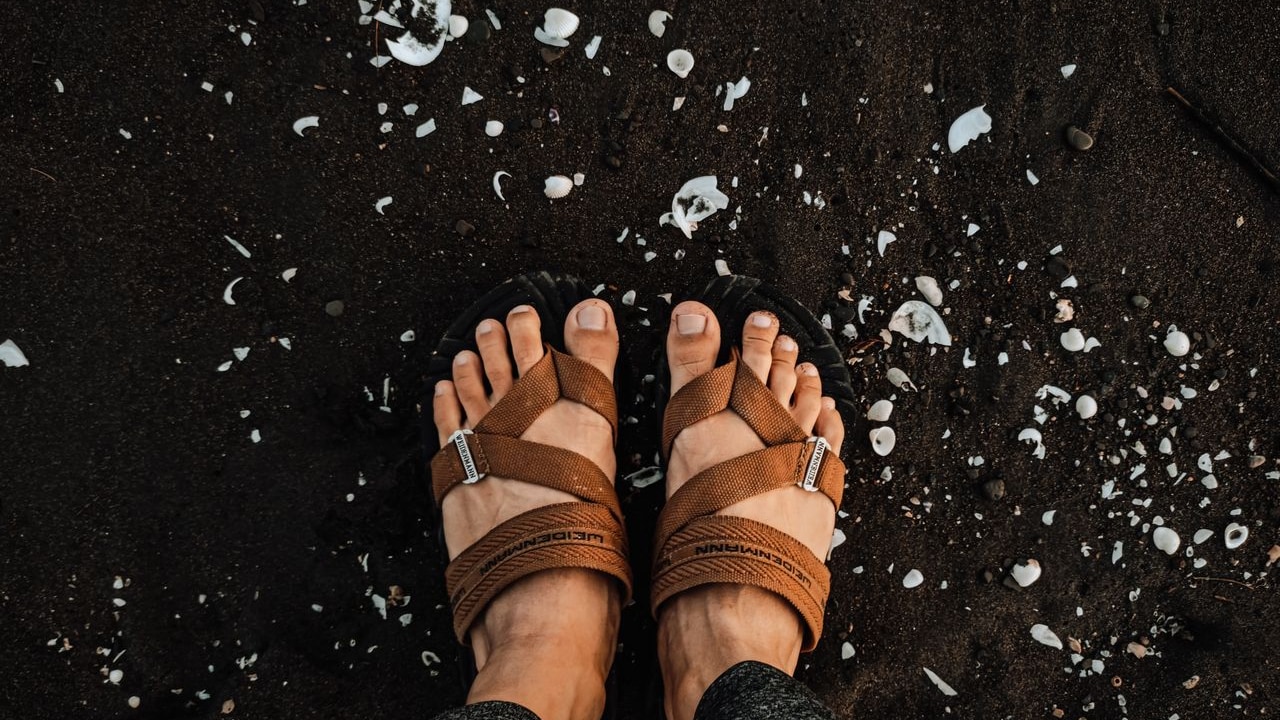
How to prevent fit issues in trekking sandals
Trekking sandals seem like the perfect companions for outdoor adventures, especially when the weather is warm and sweaty feet are the last thing anyone wants to deal with. They're breathable, relatively lightweight and convenient when crossing shallow streams. However, a pair that feels wonderfully comfortable on a flat pavement might tell a completely different story halfway through a rocky trail. Uneven terrain demands more from footwear. Your feet constantly adjust to changing angles, loose gravel, exposed roots and unpredictable slopes. Even a slightly misplaced strap can become irritating after a few kilometres. Add humidity, swollen feet and the occasional muddy stretch, and a minor fitting problem can turn into a rather unpleasant experience. Interestingly, buying a larger size or tightening every available strap isn't necessarily the solution. Foot width, heel positioning, arch support and the shape of the footbed all influence how comfortably you walk. Understanding these factors can help you choose better footwear and avoid spending an entire trek thinking about your feet rather than enjoying the scenery.
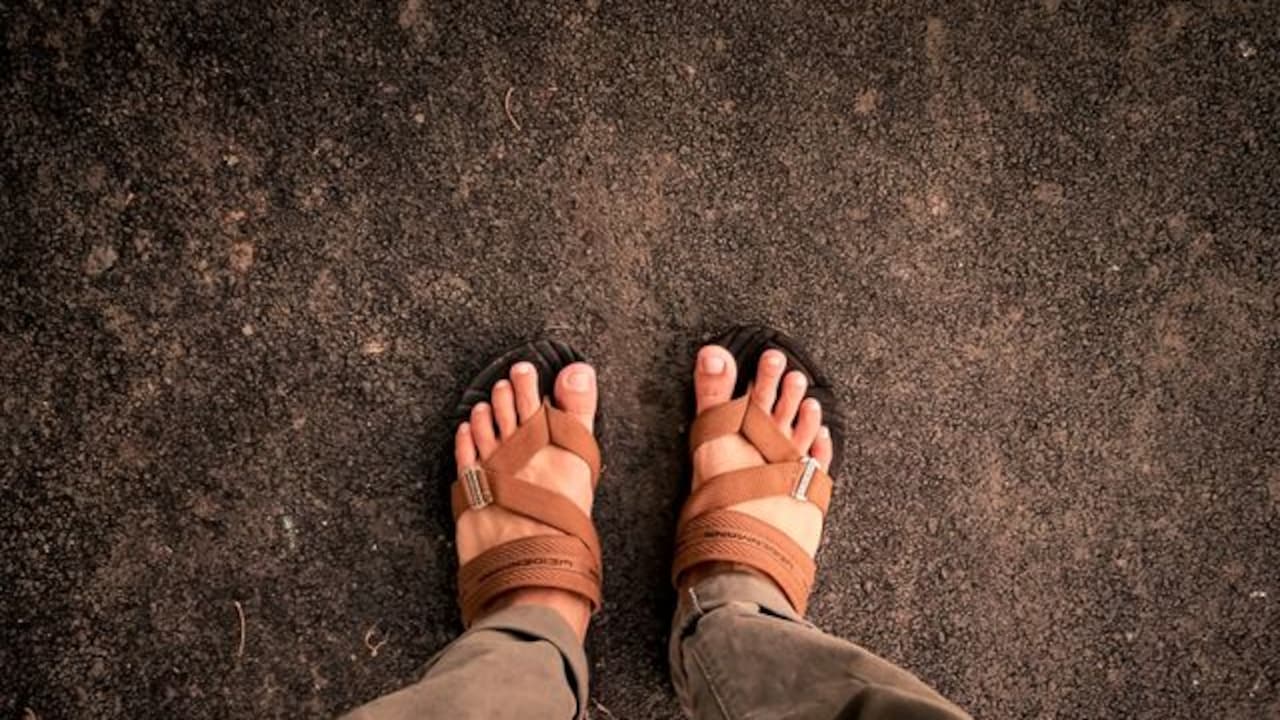
Explore common fit issues with trekking sandals and how to fix them
Photo Credit: Pexels
Common Trekking Sandal Fit Issues And How To Fix Them
1. Excessive Toe Room Makes Foot Placement Unpredictable
A little breathing space around the toes is welcome, but excessive room can work against you on challenging trails. When trekking sandals extend too far beyond your toes, the front edges may catch against exposed roots, uneven stones or raised sections of a pathway. Something as simple as climbing a rocky step becomes unnecessarily awkward.
Oversized sandals can also encourage your feet to slide forward, particularly when walking downhill. Your toes may instinctively curl to maintain stability, placing additional strain on the smaller muscles of the feet. Over several kilometres, this can contribute to fatigue and discomfort.
The ideal fit offers enough space to accommodate natural toe movement without leaving an unnecessarily large section of the sole exposed. Try walking down a gentle slope while wearing the sandals to understand how your feet behave.
Pay attention to whether the front edge catches against obstacles or whether your toes constantly search for something to grip. A spacious sandal should feel liberating, not like an extra piece of luggage attached to each foot.
2. Narrow Footbeds Restrict Natural Toe Movement
Feet naturally spread when they bear weight, particularly during long walks and when carrying a backpack. A narrow sandal footbed restricts this movement and may leave the outer toes hanging slightly over the edges. While this might seem manageable during a quick fitting session, rocky terrain exposes the problem rather quickly.
Walking across uneven surfaces requires your toes to adjust and help maintain balance. When the footbed squeezes them together or fails to support their full width, these movements become uncomfortable. The little toe often suffers the most, rubbing against straps or pressing into the raised edges of the sandal.
Look for trekking sandals that accommodate the natural width of your forefoot. Adjustable straps are helpful, but they cannot compensate for an inherently narrow sole. Standing in the sandals rather than assessing them while seated offers a more accurate impression of their width.
People with broader feet should avoid assuming that going up a size will automatically solve the problem. A wider footbed in the correct length generally makes more sense than an unnecessarily long sandal.
3. Loose Heel Straps Allow Too Much Movement
There's something particularly annoying about a sandal that refuses to follow your foot. Loose heel straps allow the back of the foot to lift excessively, making each step feel less controlled. On flat roads, the movement might barely register. On steep inclines and rocky trails, however, it can interfere with stability.
Repeated heel movement also creates friction between the skin and the strap. What begins as a mild irritation near the ankle can develop into a painful blister before the trek ends. Damp skin from sweat or stream crossings may make matters worse.
A well-adjusted heel strap should keep the foot securely positioned without digging into the skin. Walk around, climb a few stairs and observe whether the heel repeatedly separates from the footbed.
Some sandals feature padded heel straps that distribute pressure more comfortably. Others offer multiple adjustment points that accommodate different heel shapes.
Don't overlook the position of the strap itself. Even a tightly fastened strap may fail to hold a narrow heel properly if its shape doesn't suit your foot.
4. Overly Tight Straps Leave Painful Pressure Marks
Tightening every strap before heading onto a rugged trail might seem like a sensible precaution. Unfortunately, there is a difference between a secure fit and trapping your feet in an uncomfortable arrangement of synthetic webbing.
Feet can swell during prolonged physical activity, particularly in hot weather. Straps that initially feel snug may gradually start pressing into the skin. The areas around the forefoot, instep and ankle often become particularly sensitive. Excessive pressure can cause soreness, tingling and persistent discomfort.
Instead of fastening all the straps as tightly as possible, adjust them individually. The forefoot needs enough freedom to spread naturally, while the heel requires sufficient support to prevent excessive movement.
Take advantage of short rest breaks to reassess the fit. A slight adjustment after an hour of walking can make the remaining journey considerably more comfortable.
Also, examine the skin for deep pressure marks or areas of persistent redness. Trekking sandals should hold your feet in place without leaving behind an elaborate map of their strap arrangement.
5. Misaligned Arch Support Creates Uneven Pressure
Arch support sounds reassuring on a footwear label, but its position matters just as much as its height. A pronounced arch that doesn't align with the natural curve of your foot can feel like a small lump underneath the sole. The sensation becomes increasingly distracting as the kilometres add up.
Uneven trails require your feet to adapt to different surfaces and angles. Poorly positioned arch support may concentrate pressure in an uncomfortable area, contributing to soreness along the inner foot. Conversely, some people find that completely flat footbeds offer insufficient support during extended walks.
When trying trekking sandals, notice where the raised section of the footbed meets your arch. It should feel reasonably natural rather than forcing your foot into an unfamiliar position.
Avoid assuming that a harder or higher arch automatically offers superior support. Different feet respond differently to contoured footbeds, and personal comfort matters considerably.
If the sandal feels uncomfortable after ten minutes of ordinary walking, a lengthy trek probably won't magically transform it into a comfortable pair.
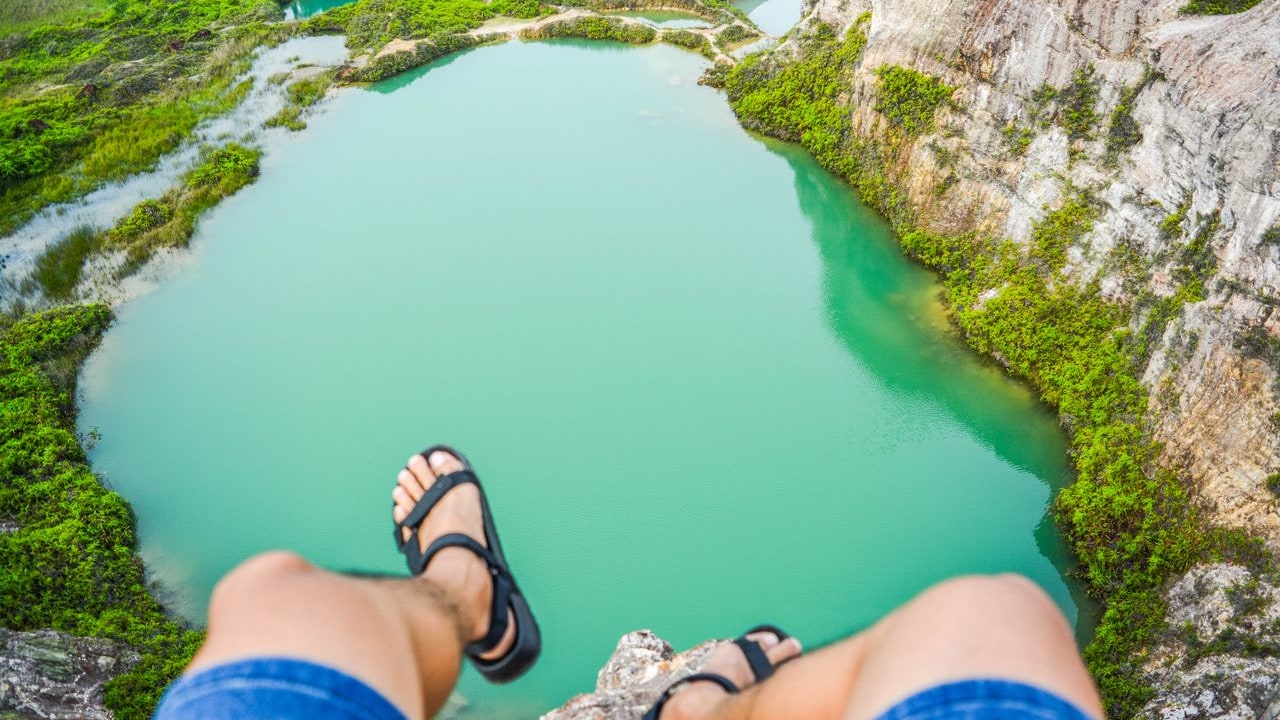
Sandals with misaligned arch support can create uneven pressure; Photo Credit: Pexels
6. Poor Instep Fit Causes The Foot To Slide Forward
The instep, or upper middle section of the foot, plays an important role in keeping trekking sandals securely positioned. When the straps around this area sit too loosely, the foot can slide forward inside the sandal, especially while descending slopes.
This movement frequently pushes the toes towards the front edge and increases friction underneath the foot. You might also find yourself shortening your steps or walking more cautiously because the sandal doesn't feel sufficiently secure.
People with low insteps sometimes struggle with sandals that leave too much space beneath the upper straps. Those with higher insteps may experience the opposite problem, with straps pressing uncomfortably against the top of the foot.
Choose designs with independently adjustable midfoot straps. These allow you to secure the instep without unnecessarily tightening the forefoot or heel.
During a fitting session, walk down a few stairs and observe how much your feet shift. A good sandal fit should help keep your feet centred even when your body weight moves forward.
7. Incorrect Heel Positioning Reduces Side-To-Side Stability
A sandal may fit perfectly in terms of length but still fail to position the heel correctly. Some trekking sandals feature moulded heel cups that cradle the back of the foot. When these cups are too narrow, too wide or poorly aligned, they can create uncomfortable pressure or allow excessive sideways movement.
This becomes particularly noticeable while walking across slanted surfaces. Imagine traversing a hillside where one edge of the sandal sits higher than the other. Your heel needs to remain reasonably secure as your foot adjusts to the angle.
A poorly positioned heel may repeatedly shift towards the edge of the footbed. Apart from causing irritation, this movement can make each step feel uncertain.
Check whether your heel sits centrally within the sandal when standing naturally. The raised edges of the heel cup shouldn't press into the sides of your foot.
Strap adjustments may improve positioning to some extent. However, if the heel cup itself doesn't match your foot shape, a different sandal design may offer a more effective solution.
8. Badly Positioned Strap Buckles Rub Against Sensitive Areas
Not every trekking sandal discomfort originates from its size. Sometimes, a tiny plastic buckle or a thick stitched seam is responsible for an entire afternoon of irritation. Hardware positioned near the ankle bone, little toe or other prominent areas can become surprisingly uncomfortable.
On uneven terrain, your feet bend and rotate more frequently than they do during ordinary pavement walking. These movements bring certain areas of the skin into repeated contact with buckles and strap edges. Sweat, dust and trapped grit can intensify the friction.
Pay attention to strap junctions, adjustment buckles and stitched sections when selecting trekking sandals. Soft linings and smooth strap edges may improve comfort, particularly around sensitive areas.
Try bending your knees, climbing stairs and moving your ankles gently while wearing the sandals. A buckle that feels perfectly harmless when standing still might press against the ankle during movement.
Don't dismiss persistent rubbing as part of the breaking-in process. Materials may soften with use, but a badly positioned buckle rarely develops the good manners to move somewhere else.
9. Rigid Footbeds Fail To Match Natural Foot Flexion
A sturdy sole can protect your feet from sharp stones and rough ground. However, a footbed that bends in the wrong place or feels excessively rigid for your feet may introduce a different set of problems.
During normal walking, the forefoot bends as the heel lifts. If the sandal's natural flex point doesn't align with this movement, the foot may repeatedly pull against the straps. This can create uncomfortable pressure across the toes and instep.
The mismatch becomes more noticeable while climbing steep sections, stepping over rocks or navigating irregular stone steps. Your feet have to work around the sandal rather than moving comfortably with it.
Look for a sole that balances underfoot protection with appropriate flexibility. Trekking sandals shouldn't necessarily fold like ordinary bathroom slippers, but they should accommodate natural walking movements.
Try taking several deliberate steps while observing where the sole bends. If the sandal resists your natural stride or repeatedly pulls against the straps, consider another design. The thickest and toughest-looking sandal isn't always the most comfortable one.
10. Strap Adjustments Fail To Accommodate Swelling And Wet Feet
A comfortable morning fit doesn't guarantee comfortable footwear throughout the day. Feet may swell during extended walks, while sweat, rain and stream crossings can change how securely they sit inside trekking sandals.
Some strap materials behave differently when wet. Moisture can also reduce friction between the foot and certain footbed surfaces, allowing the foot to slide more easily. At the same time, swollen feet may feel restricted beneath straps that previously offered plenty of room.
Sandals with limited adjustment options make these changes difficult to manage. You might loosen one strap to relieve pressure, only to discover that your foot now moves excessively inside the sandal.
Multiple adjustment points offer greater control over these changing conditions. Quick-drying straps and textured footbeds can also help improve comfort during damp weather.
Consider trying trekking sandals later in the day, when your feet may be slightly larger than they were in the morning. More importantly, leave sufficient adjustment room in both directions. A sandal should accommodate changing conditions without requiring a complete wardrobe negotiation every time your feet get wet.
Products Related To This Article
1. HRX by Hrithik Roshan Men Comfortable Trekking Shoes
2. CULT Men's TrailBlazer Outdoor Shoes
3. ADIDAS Men IRON TREK Terrex Trekking Shoes
4. Eego Italy Men Black Leather High-Top Trekking Shoes
5. Wildcraft Men Marking Trekking Shoes
6. CULT Cult Men TurboTrail Outdoor Shoes
7. Sparx Men Mesh Trekking Shoes
Comfortable trekking sandals need more than durable soles, attractive designs and reliable grip. Their fit must complement your natural foot shape, accommodate movement and remain adjustable as conditions change throughout the journey. Even seemingly insignificant issues, such as a misplaced buckle or an excessively wide heel cup, can cause considerable discomfort on uneven terrain.
Take time to evaluate sandals beyond their appearance and standard shoe size. Walk on different surfaces, experiment with strap adjustments and notice how your feet respond. For particularly rugged trails, consider whether closed-toe trekking footwear would offer better protection.
After all, the memorable parts of a trek should involve spectacular views, unexpected waterfalls and well-earned chai breaks, not sore toes and stubborn blisters.
(Disclaimer: This article may include references to or features of products and services made available through affiliate marketing campaigns. NDTV Convergence Limited (“NDTV”) strives to maintain editorial independence while participating in such campaigns. NDTV does not assume responsibility for the performance or claims of any featured products or services.)