How To Protect A Leather Bag From Rain And Humidity?
Worried about your leather bag in the rain? Here's how to protect it from water damage, stains, and humidity, plus what to do if it's already wet and damaged.
How To Protect A Leather Bag From Rain And Humidity?
Every year, right around the time the first monsoon clouds show up, there's a small wave of panic among leather bag owners. You've seen it too, probably. Someone posts a photo of their favourite leather bag, with water spots all over it, asking if it can still be saved. It usually can. But the damage is a lot easier to prevent than to fix. So, can a leather bag actually survive monsoon season without looking worn out by August? Yes, mostly, if you treat it right before the rain starts and know what to do the moment it gets wet. That's really what the issue comes down to. However, this isn't just a rainy day problem. Coastal cities carry humidity almost all year, and even in drier states, closed cupboards trap moisture during monsoon months. A leather bag left untreated in these conditions can develop mould spots, stiffness, or a dull, patchy look within a single season.
How To Protect Your Leather Bag Before Stepping Out in the Rain; Photo Credit: iStock
Why Rain And Humidity Are So Rough On Leather
Leather is basically skin, treated and dyed, but skin is all the same. And like skin, it reacts badly to too much moisture. When water sits on the surface for a long time, it seeps into the pores and pulls out the natural oils that keep the leather flexible.
Once those oils are gone, the bag starts to feel stiff. Give it a bit more time in a damp environment, and you'll start seeing white or greenish patches – that's mould quietly working away in corners you can't even see. Humidity is sneakier than rain in that sense. Rain you notice immediately. Humidity works on your bag for weeks without you realising anything is wrong, until the smell shows up.
How To Protect Your Leather Bag Before Stepping Out in the Rain
A little preparation makes a big difference here, more than most people expect from something this simple.
1. Apply A Water Repellent Spray In Advance
Before the monsoon hits, spray your bag with a leather protector spray. These form an invisible layer on top of the leather that makes water bead up and roll off instead of soaking in. Do these steps on a dry day, test a small patch first, and let it dry completely before using the bag again. One application usually lasts for a few weeks of regular use.
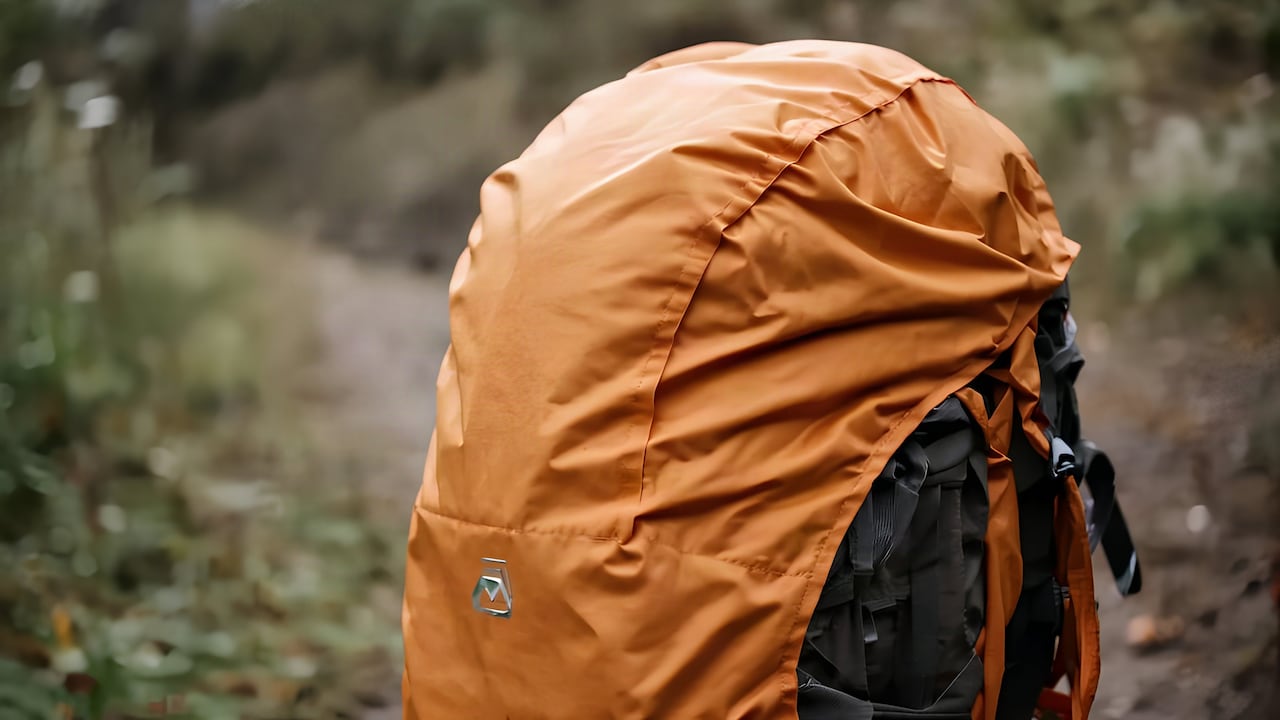
2. Carry A Foldable Rain Cover
This tip sounds almost too basic to mention, but it works. A lightweight, foldable rain cover takes up barely any space and can be pulled over your bag within seconds if it suddenly starts pouring. For daily commuters, it makes sense to keep one permanently in the bag's side pocket.
3. Keep The Bag Off Wet Surfaces
Bus seats, café tables, and auto rickshaw floors – they are all soaked during the monsoon, and most people don't even think twice before placing their bags right on them. Try to keep it on your lap, or hang it from a hook when one's available. This one habit alone prevents a good chunk of water damage.
4. Pick The Right Bag For Wet Days
If you know it's going to rain heavily, maybe don't carry your most expensive leather piece that day. Save it for drier weather, and use a treated or synthetic-leather bag for the actual downpour days. It's not glamorous advice, but it does save your best bags a lot of wear.
Also Read: Top 7 Vegan Leather Laptop Bags In 2025 That Combine Style, Sustainability And Everyday Comfort
What To Do If Your Bag Gets Wet Anyway
Sometimes there's just no avoiding it. The umbrella flips inside out, or the auto has no cover, and the bag gets soaked before you even reach the door. Here's what actually helps in that moment.
1. Wipe It Down Immediately
Don't wait for it to air dry on its own. Grab a soft, clean cloth and gently blot the surface; don't rub, as that can push water deeper into the pores and also damage the finish. Blotting pulls the moisture out instead of spreading it around.
2. Dry It Away From Direct Heat
This is where many people go wrong. They leave the wet bag close to any heating source or in direct sunlight because they believe it's better if it dries faster. That's not the case – direct heat can cause leather to crack and shrink unevenly. You'd better leave your leather bag in a well-ventilated area, away from sunlight, and allow it to dry gradually – it takes one day, or even two.
3. Stuff It To Hold Its Shape
While it's drying, stuff the bag loosely with old newspaper or a soft cloth. This helps it hold its shape and also absorbs some of the internal moisture as it dries. Just don't pack it too tight; the bag needs to breathe, not get stretched out of shape.
Fighting Humidity When The Bag Is Just Sitting At Home
Rain gets all the attention, but humidity quietly does its damage in your cupboard while the bag is not even being used.
1. Use Silica Gel Packets In Storage
Slip a few silica gel sachets inside the bag when you're not using it, especially during the monsoon months. These little packets absorb excess moisture from the air around them, which keeps the interior lining dry and stops that musty smell from ever developing in the first place.
2. Don't Store Leather Bags in Plastic Covers
Beyond that, avoid storing leather bags in plastic covers. Plastic traps moisture instead of letting it escape, which is precisely the opposite of what you want. A breathable cotton dust bag works far better; it lets air move while still keeping dust off.
Try to also keep the cupboard itself ventilated. Cracking the door open once a week, even for a few minutes, makes a noticeable difference over a full humid season.
Conditioning Keeps The Leather From Drying Out Too
Think of it as a moisturiser for your skin. Skip it for too long, and the leather turns dry and brittle, which actually makes it absorb water faster, not slower. A five-minute conditioning session every few weeks is a small price for a bag that lasts years longer.
Fighting Humidity When The Bag Is Just Sitting At Home; Photo Credit: iStock
Some Leather Bag Protection Products You May Like
1. ABZORBZAP Moisture Absorber With Activated Charcoal for Bags
2. SORBIPAKS 2 Gram Silica Gel Packets
3. Absorbia Moisture Absorber and Dehumidifier for Bags
4. ETHIEK Leather Conditioner Spray for Bags, Shoes and Jackets
5. HASPER Leather Cleaner for Bags
6. HANSWING Leather Cream Polish for Bags
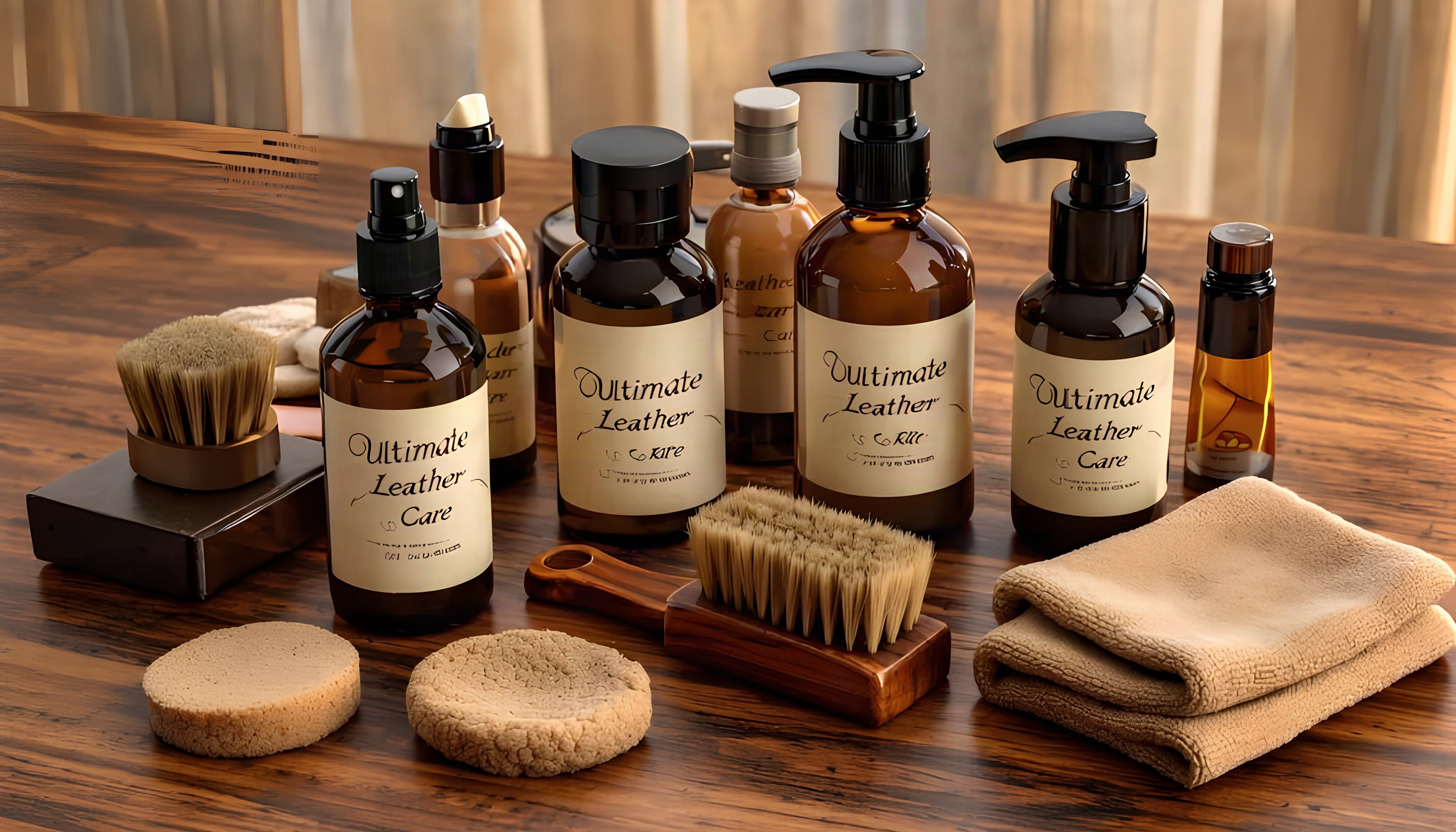
7. Helios The Ultimate Leather Care Kit
8. Arctic Hunter Waterproof Rain Cover For Backpacks
Here's something people often miss. Protecting a bag from moisture isn't only about keeping water out; it's also about keeping the leather's own natural oils in. Applying a leather conditioner once every month or two replenishes those oils, which makes the bag naturally more resistant to cracking and stiffness, even in humid weather. Shop now on Amazon.
Frequently Asked Questions (FAQs)
1. Can a leather bag be entirely ruined by rain?
Not usually, unless it stays wet for a long stretch or gets dried near direct heat. Most water damage on leather bags is reversible if it's wiped and dried the right way soon after.
2. How often should I apply a protector spray on my leather bag?
About once every few weeks during monsoons will be enough for everyone. If you're carrying your bag every day in wet weather, just wait a little bit longer before applying the spray.
3. Is it safe to use a hairdryer on a wet leather bag?
It's not safe; hairdryers and all other heating elements cause quick and uneven drying of leather, leading to cracking of the leather material. Room-temperature air drying is always preferable.
4. What causes that musty smell in leather bags during the monsoon?
The musty smell is caused by accumulated moisture and sometimes fungi growing inside the lining and corners of leather bags. Silica gel packs and ventilation can help avoid this problem.
5. Can synthetic leather bags handle rain better than genuine leather?
Yes, in general. Synthetic leather bags are more resistant to moisture and require less maintenance. In turn, genuine leather looks and ages better but requires extra care in wet weather.
(Disclaimer: This article may include references to or features of products and services made available through affiliate marketing campaigns. NDTV Convergence Limited (“NDTV”) strives to maintain editorial independence while participating in such campaigns. NDTV does not assume responsibility for the performance or claims of any featured products or services.)