Should You Stock Up On Baby Essentials During The Sale Season?
Are you wondering whether to stock up on baby essentials during sale season? Learn what to buy in bulk, what to avoid, and how to shop smarter for your baby.

Should You Stock Up On Baby Essentials During The Sale Season?
The sale season can turn a routine baby-care shopping trip into a cart full of baby diapers, wipes, lotions and tiny clothes. When prices drop, it is tempting to buy more now and worry about running out later. But babies have a way of changing the shopping plan. A diaper size can suddenly become too small, a product may not suit your baby's skin, or a feeding routine may change sooner than expected. So, should you actually stock up during a sale, or is buying only what you need the safer bet?
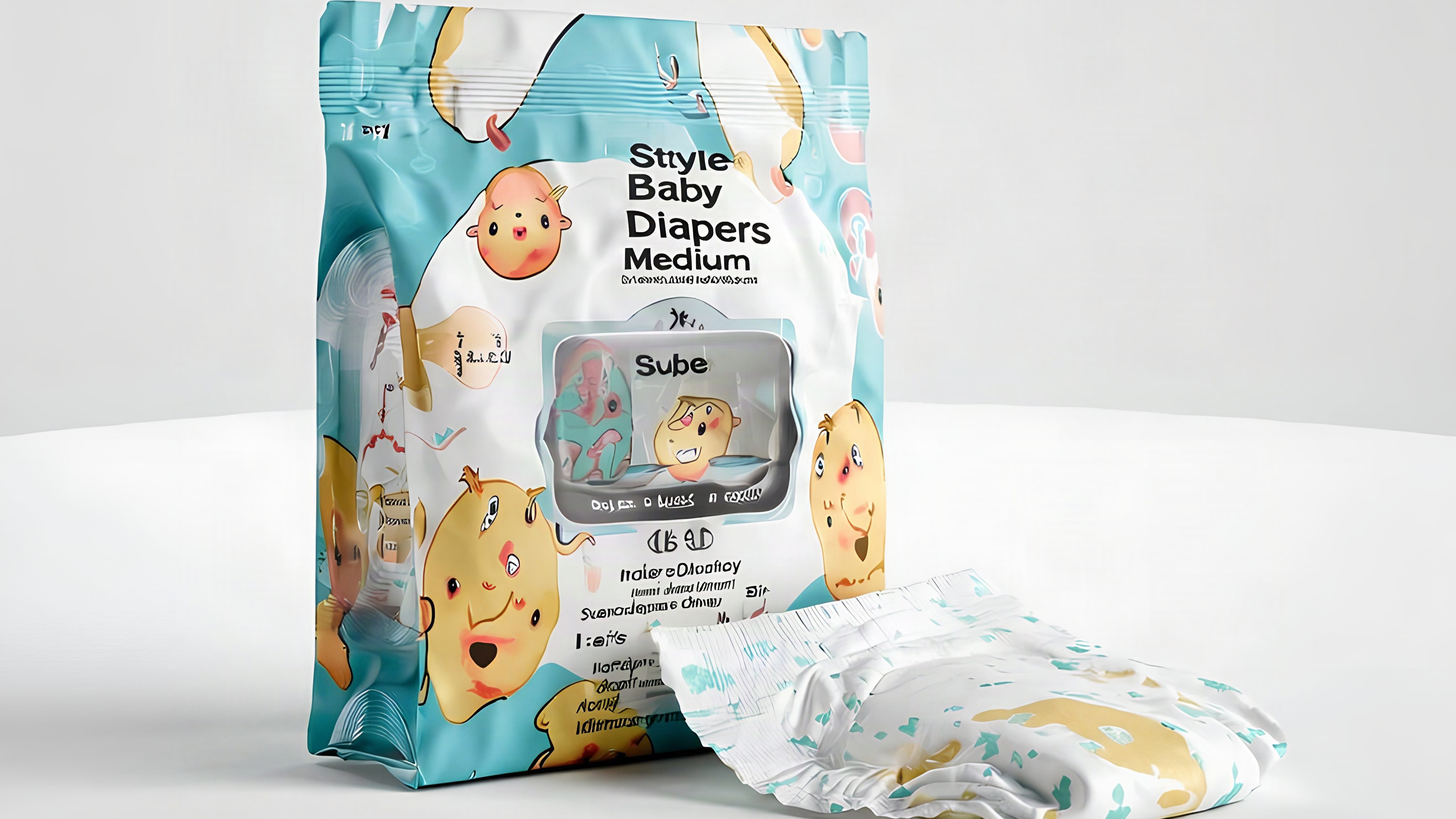
What Should You Buy More Of During A Sale; Photo Credit: iStock
Is Sale Season A Good Time To Stock Up On Baby Essentials?
Yes, but selectively. Sales can be a useful opportunity to buy products your baby already uses regularly, especially items that do not depend on size or individual preference. Diapers, wipes, baby wash and certain everyday care products are commonly considered good candidates for sale-season shopping. The key is to think beyond the discount percentage. A large pack may not be a bargain if your baby is about to outgrow it or you have never tried it before.
Also Read: Best Baby Diaper Pants For Everyday Use, Featuring Comfortable Absorption And Hygiene
What Should You Buy More Of During A Sale?
Step 1: Start With Products You Already Use
The safest items to stock up on are products that have already earned a place in your baby's routine. If your baby is comfortable with a particular diaper brand, wipe, body wash or lotion, a sale is a sensible opportunity to buy a reasonable backup quantity.
This reduces the risk of spending money on products that ultimately go unused. It also makes your shopping list more practical instead of simply adding everything that happens to be discounted.
Step 2: Prioritise Everyday Consumables
Focus on products that get used repeatedly and need frequent replacement. Diapers, wipes and some bath or skincare essentials can disappear surprisingly quickly from the nursery shelf.
Sales can make sense here because these are purchases you are likely to make again anyway. Still, check pack sizes and calculate the price per unit rather than judging the deal by its headline discount alone.
Step 3: Be Careful With Diaper Sizes
Diapers are one of the most tempting things to buy in bulk, but sizing makes them tricky. Babies can move through newborn and smaller sizes quickly, and fit can also vary between brands.
Instead of buying several large boxes in one size, keep a smaller backup of the current size and, where appropriate, a limited quantity of the next size. Parents also report that fit and skin tolerance can differ considerably between babies and brands.
Step 4: Stock Up On Wipes More Confidently
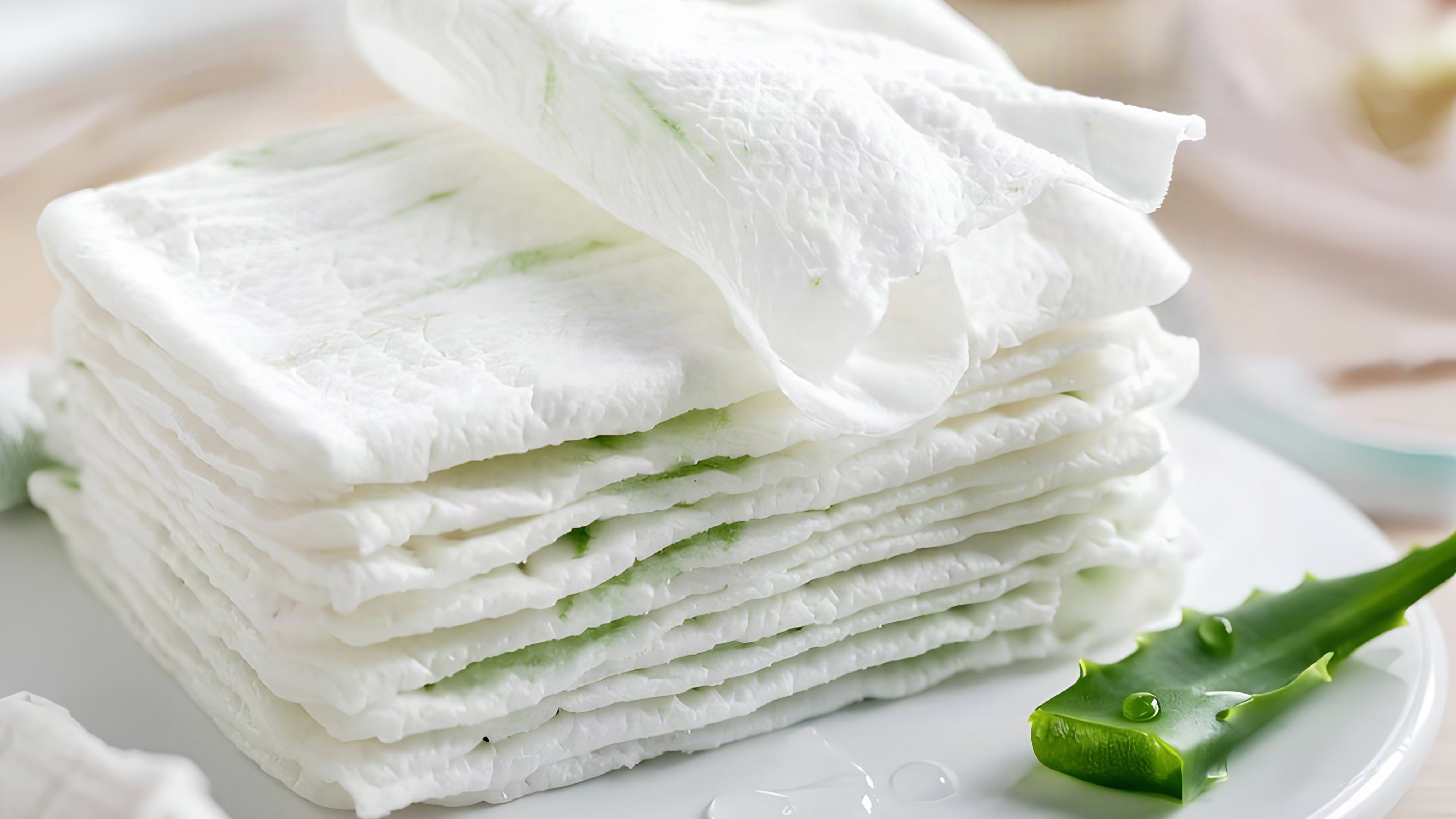
Wipes can be easier to plan for than diapers because they are not tied to your baby's size. If you already know which wipes work well for your family, buying extra packs during a sale can be practical.
Just make sure you have suitable storage and check that packs remain properly sealed. Compare sheet counts as well as the total pack price so that a bigger-looking bundle does not automatically seem like the better deal.
Which Baby Essentials Should You Avoid Buying In Bulk?
1. Don't Overbuy Untried Skincare
A sale is not the best reason to purchase several bottles of a baby lotion, wash or cream your baby has never used. Babies can have different skin sensitivities and preferences, so testing a smaller quantity first can prevent unnecessary waste.
Once you know a particular product works well, future sales become a much better opportunity to buy a backup.
2. Think Twice About Feeding Products
Feeding needs can change as babies grow, and not every bottle, nipple or feeding accessory works for every baby. If you are still figuring out your feeding routine, avoid filling the cupboard with products you may not ultimately need. For products you already use successfully, however, a sale can be a sensible time to replenish your supply.
How Much Should You Actually Stock?
1. Set A Practical Stock Limit
Instead of deciding based on the size of the discount, decide how much your household can realistically use before the next likely purchase. A modest backup supply can give you breathing room without turning your home into a mini warehouse.
Storage matters too. Bulk buying only works if products are kept clean, dry and organised. Retailers also recommend considering storage capacity alongside the quantity and usage rate of baby products.
2. Check The Product Before Adding More To The Cart
Before buying multiple packs, check the size, quantity of ingredients packaging, and expiry or use-by details where it applies. This step feels especially important for products like baby food or formula, where the dates really matter a lot; otherwise, it can be pointless.
For diapers, the situation is different: they generally do not have a formal expiration date, although prolonged storage can affect materials such as elasticity.
Is Sale Season A Good Time To Stock Up On Baby Essentials? Photo Credit: iStock
Top Baby Essentials To Consider During Sale Season
1. Gentle Touch Baby Lotion
2. Mee Mee Wet Wipes for Baby Skin
3. Huggies Complete Comfort Wonder Pants
4. New Mamypoko Pants Premium All Night Absorb
5. Cetaphil Baby Gentle Wash & Shampoo
6. Chicco Baby Moments Gentle Body Wash and Shampoo
7. LuvLap Kids Bite Resistant Soft Silicone Straw Sipper Cup
8. Sebamed Baby Cream Extra Soft
Above are some commonly used baby-care products worth considering when they fit your baby's current needs. Always check the latest listing, price, pack size, and suitability before purchasing. Shop now on Amazon.
Frequently Asked Questions (FAQs)
1. Should you stock up on baby essentials during sale season?
Yes, if they're products your baby already uses and you're pretty sure they'll be needed before the next sale. Consumables, such as wipes and familiar diaper brands, can be more suitable for bulk buying.
2. How many diapers should you stock up on during a sale?
There is no one-size-fits-all number because babies grow at different rates. It is generally safer to keep a reasonable backup of the current size rather than buying several large boxes far ahead.
3. Is it safe to buy baby skincare products in bulk?
Only if your baby has already used and tolerated the product well. For new skincare products, buying a smaller pack first can help you avoid wasting money if it does not suit your baby's skin.
4. What baby products are best to buy in bulk?
Frequently used, familiar products that aren't too much affected by your baby's changing size or preferences are usually simpler to sort out, it's just less complicated. Wipes and commonly used hygiene products, for example, can be pretty practical.
5. What should you check before buying baby products during a sale?
Check the final cost, amount, size, ingredients, the expiry or use-by date if needed, and also the storage requirements plus the return policy. A discount is worthwhile only when the product is genuinely useful for your baby's current needs.
(Disclaimer: This article may include references to or features of products and services made available through affiliate marketing campaigns. NDTV Convergence Limited (“NDTV”) strives to maintain editorial independence while participating in such campaigns. NDTV does not assume responsibility for the performance or claims of any featured products or services.)






![Steam Iron Teflon Shoe Cover for ES-300,ST-96 [Only For ES-300 and ST-96 Model Electric Steam Irons]](https://m.media-amazon.com/images/I/51wwkttondL._SL160_.jpg)