How To Stop Hoop Earrings From Warping: 10 Checks For Closures, Storage And Handling
Hoop earrings can lose their neat circular shape through bent posts, strained clasps, crowded storage and rough handling. These 10 practical checks can help protect their shape, closure alignment and fit for longer.
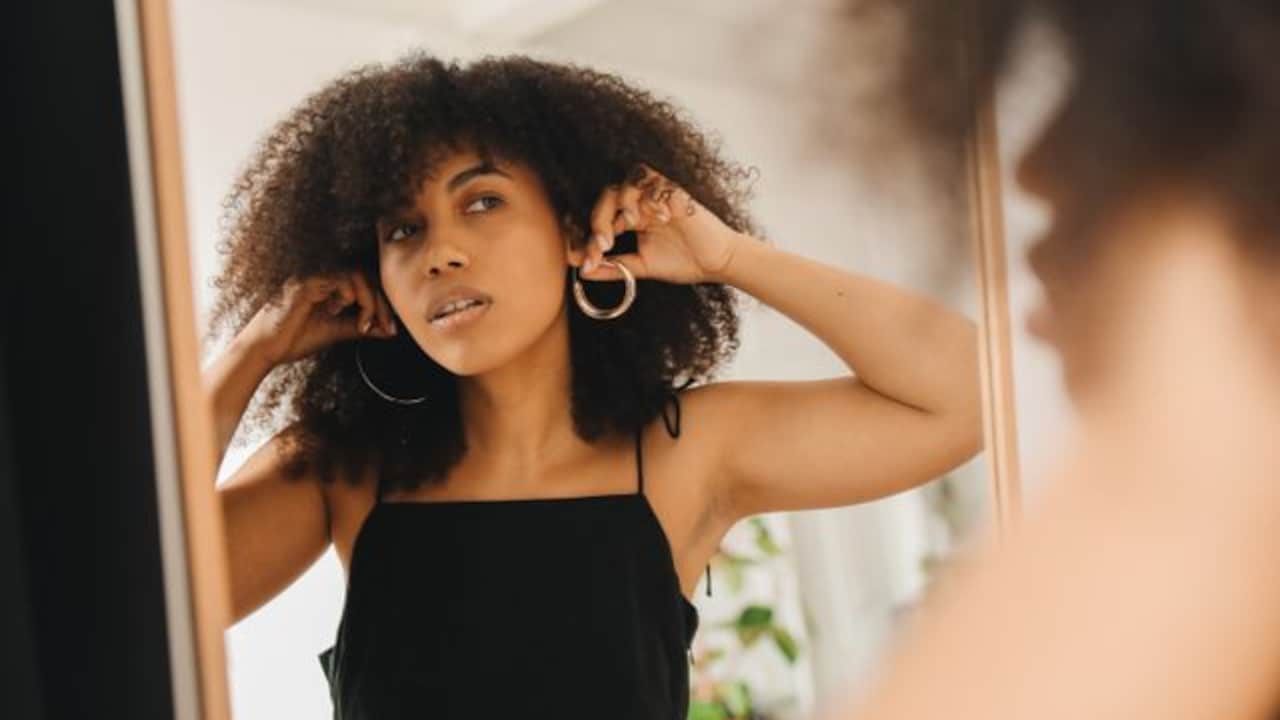
How to make hoop earrings retain their original shape
Hoop earrings look uncomplicated. A circle, a fastening and perhaps a little decoration, what could possibly go wrong? Quite a lot, as anyone who has pulled a favourite pair from a jewellery box only to discover that one hoop now resembles a slightly confused oval will know. Warping rarely happens dramatically. Most hoops don't suddenly bend in half. Instead, tiny stresses accumulate. A clasp gets pushed a fraction too far while fastening. One earring sits underneath a heavy necklace. A thin hoop gets squeezed between fingers while someone struggles to open it. Eventually, its two ends no longer meet neatly.
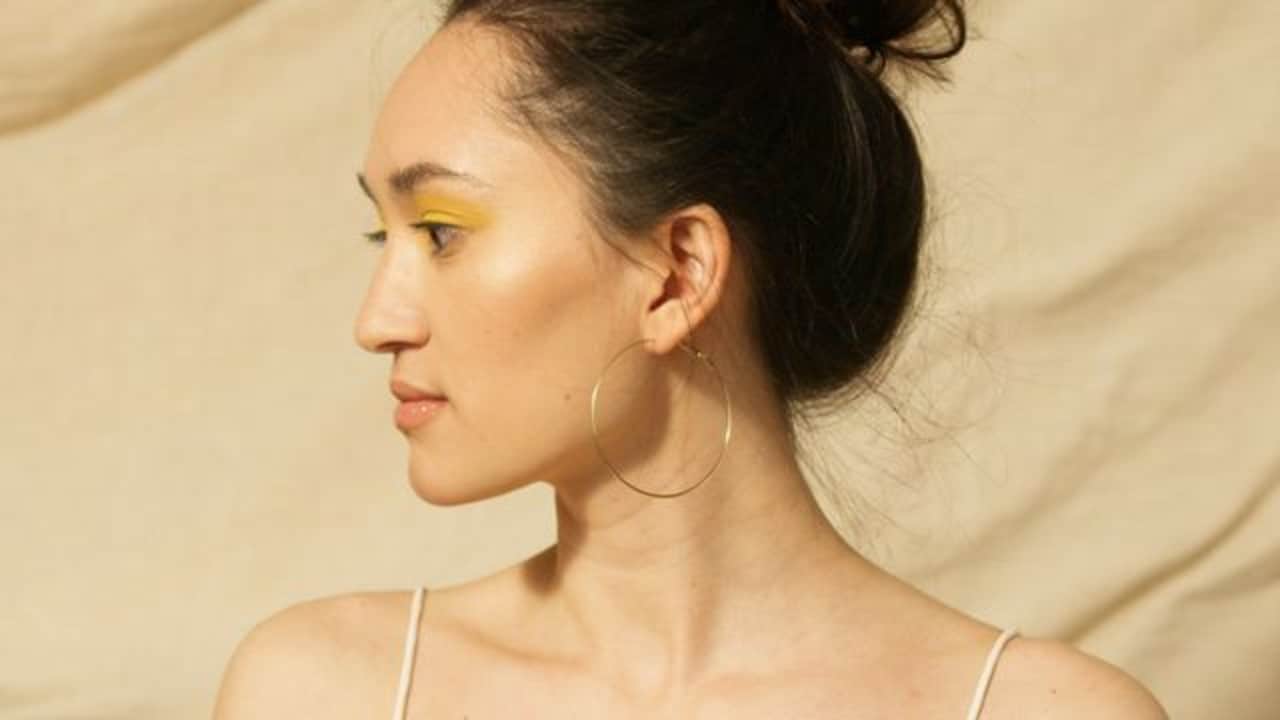
Why do hoop earrings bend out of shape with gradual use
Photo Credit: Pexels
The frustrating part is that repeated bending can make matters worse. Metal can tolerate only so much reshaping before it weakens, particularly around hinges, posts and soldered joints. So rather than constantly correcting a distorted hoop, prevention makes far more sense.
Also Read: Glow In A Jar: 5 Radiance Creams Worth Adding To Your Skincare Routine
From checking the fastening mechanism to changing how hoops travel inside a handbag, these ten checks can help keep that satisfying circle looking like an actual circle.
Small Habits That Help Hoop Earrings Hold Their Shape
1. Check Whether The Closure Is Pulling The Hoop Out Of Alignment
Start with the fastening because a closure that doesn't line up correctly can quietly distort the entire earring. Hinged hoops, click-top styles and hoops with thin posts all depend on two sections meeting at the correct angle. If you need to twist the hoop sideways every time you close it, something has already shifted.
Don't compensate by bending the whole earring until the post reaches its slot. That solves today's fastening problem while creating tomorrow's warped hoop.
Instead, look at the earring from the side before wearing it. The post and receiving section should meet naturally without force. Compare both earrings too. One may reveal the original shape while the other shows where distortion has started.
Small misalignments sometimes come from repeatedly pulling a closure farther than necessary. Open the mechanism only as much as required to put the earring on. If the clasp has become noticeably loose or crooked, a jeweller may correct the mechanism more safely than repeated bending at home.
2. Stop Pulling Hinged Hoops Wider Than Their Natural Opening
There is something oddly tempting about opening a hoop as wide as possible before putting it on. It creates more room, certainly, but it can also place unnecessary pressure on the hinge.
A hinged hoop has a designed range of movement. Forcing it beyond that range may loosen the joint or change the angle at which the two ends meet. With repeated use, a once-perfect circle can start looking slightly stretched near the opening.
Open the earring slowly and stop once you have enough space to guide it through the piercing. Hold it close to the hinge or thicker section rather than tugging from the opposite edge. Pulling from the furthest point creates more leverage, which transfers greater force to a tiny joint.
The same rule matters while removing hoops. Don't yank them open while they're still caught against hair, a dupatta or a high neckline. Free the earring first. Then release the clasp gently. A few extra seconds can save plenty of unwanted reshaping.
3. Examine Thin Posts Before Trying To Straighten The Whole Hoop
Sometimes the hoop isn't actually the problem. The post is.
A thin post that has shifted slightly upwards, downwards or sideways can make the entire earring appear warped because the closure no longer meets correctly. The instinctive response may involve bending the larger circular section until everything lines up again. Unfortunately, that can turn one small problem into two.
Hold the earring against a flat, plain background and inspect the post carefully. Compare it with the matching earring. If the circle still looks symmetrical but the post sits at a different angle, concentrate on the post rather than reshaping the hoop.
Extra caution matters with very fine metals. Repeatedly bending a thin post forwards and backwards can weaken it, even when no crack appears immediately.
If the post has moved significantly or feels unusually soft, stop experimenting with it. A repair may cost less than replacing a favourite pair, especially when the hoop contains stones, plating or decorative work that makes home adjustments risky.
4. Store Hoops Without Piling Other Jewellery On Top
A jewellery box can look wonderfully organised from the outside while behaving like a tiny scrapyard inside.
When hoops share a compartment with watches, bangles, chains and chunky earrings, pressure builds whenever the box moves or closes. Lightweight hoops face the greatest risk because heavier pieces can press against them for hours or days. Soft pouches don't always help either if several pieces sit crammed into the same one.
Give hoops enough room to rest without weight pressing across their circumference. Separate compartments work well. Individual fabric pouches can also help, provided nothing heavy sits on top.
Larger hoops need particular attention. Their size gives pressure more leverage, so even a relatively light object pressing against one side can gradually affect the shape.
Storage should also keep pairs together without interlocking them tightly. Threading one hoop through another may seem clever, but it can concentrate pressure around the closures. Organisation shouldn't require wrestling two earrings apart every morning.
5. Don't Squeeze The Circle While Opening A Stubborn Clasp
When a clasp refuses to cooperate, frustration travels directly into the fingertips. Suddenly the entire hoop gets pinched, squeezed and twisted while the tiny closure remains completely unimpressed.
This is one of the easiest ways to distort a lightweight earring.
Hold the hoop by its stronger sections when opening the clasp. Avoid gripping opposite sides of the circle and pressing them together for extra control. That pressure can narrow one part of the hoop while pushing another section outward.
If a click closure feels unusually tight, inspect it under good light. Dirt, dried skincare products or slight misalignment could make the mechanism difficult to operate. Forcing it won't fix the underlying issue.
Also avoid using fingernails, scissors, tweezers or other hard tools to pry delicate closures apart unless the manufacturer specifically recommends a method. A small slip can scratch the finish or deform the fastening.
A stubborn clasp deserves investigation rather than a strength contest. Hoop earrings almost always lose that contest.
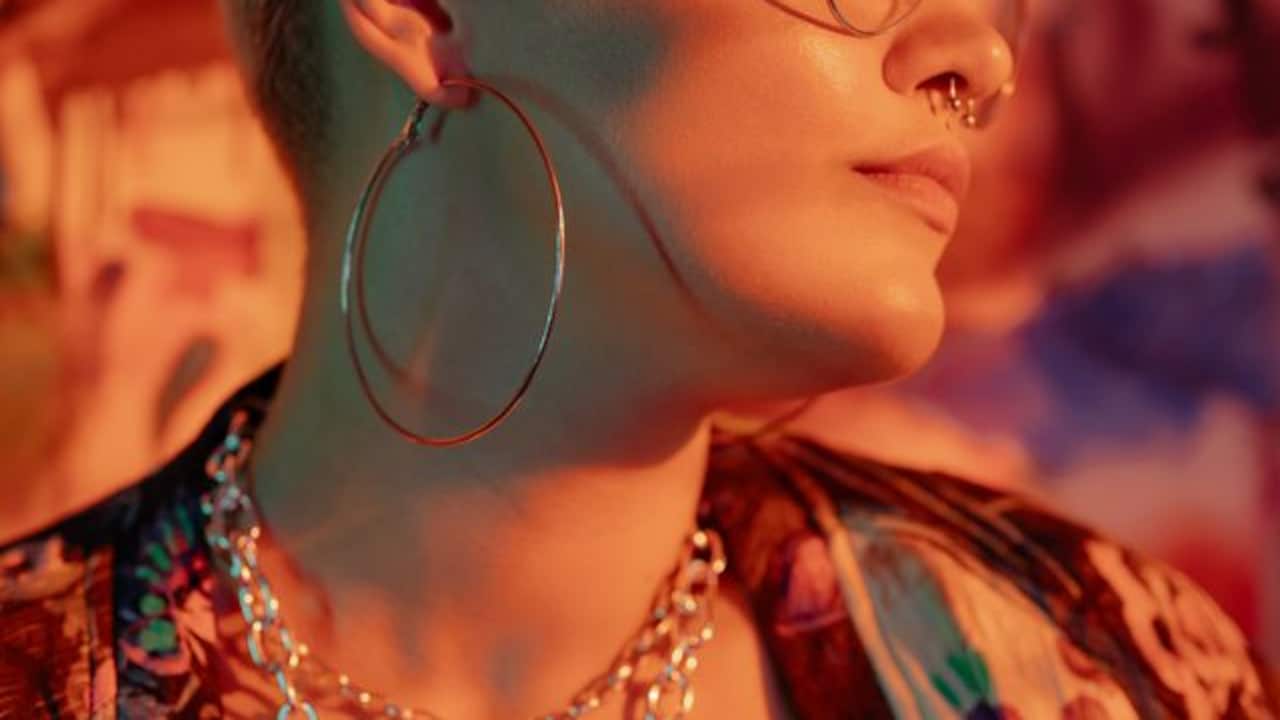
Squeezing hoop earrings too hard while wearing or removing can also bend them out of shape
Photo Credit: Pexels
6. Remove Hoops Before Changing Tight-Necked Clothes
Few jewellery mishaps happen as quickly as an earring catching inside a T-shirt.
High necklines, jumpers, fitted tops and embroidered clothing can hook around a hoop while passing over the head. One sudden pull can twist the earring sideways or stretch the closure before there is time to react.
Make earrings one of the last things you put on and one of the first things you remove. It feels like a tiny change, but it keeps hoops away from several common hazards, including collars, scarves, towels and hairbrushes.
The same habit helps when removing outfits after weddings, parties or long days when patience has disappeared. Trying to drag clothing over large hoops at midnight is exactly how tomorrow's strangely shaped earring begins.
Hair deserves attention too. If strands have wrapped around the hoop, unwind them rather than pulling the earring free. Fine hair can create surprising resistance when several strands twist around a hinge or decorative section.
Think of hoops as finishing touches, not permanent fixtures during the dressing process.
7. Keep Hoops Out Of Handbags Unless They Have A Protective Case
Taking uncomfortable earrings off halfway through an outing makes perfect sense. Dropping them loose into a handbag doesn't.
Inside a typical bag, hoops may meet keys, chargers, cosmetic cases, sunglasses, bottles and whatever mysterious collection of receipts has accumulated at the bottom. Every movement shifts those objects around. Thin earrings can get crushed between them.
Even a small zipped pocket offers limited protection when the bag becomes packed.
Keep a rigid or semi-rigid jewellery case handy if you regularly remove earrings while travelling. It doesn't need to be large. The important part is creating a physical barrier around the hoops so other objects cannot press directly against them.
For occasional situations, a small clean container works better than wrapping hoops loosely in tissue and hoping for the best.
Take particular care with oversized styles. Large diameter plus thin construction makes them easy to flex accidentally. A pair may survive hours on the ears perfectly well yet change shape during a 20-minute journey home inside an overcrowded handbag.
8. Clean Hoops Without Bending Them Around A Cloth
Polishing jewellery sounds harmless, yet cleaning technique can place surprising stress on a thin hoop.
A common mistake involves holding one side firmly while pulling a polishing cloth around the rest of the circle. The friction creates resistance, and the hand holding the earring works against it. Repeat the movement enough times and a delicate hoop can start to lose its symmetry.
Support the section you're cleaning instead. Use gentle movements and work around the circumference gradually rather than gripping one point and tugging hard across another.
Take extra care around hinges, posts and soldered decorative elements. These areas already contain joints or thinner pieces that can react badly to repeated pressure.
Cleaning products matter too, especially with plated, enamelled or stone-set hoops. Follow the care guidance that came with the earrings rather than assuming every metal tolerates the same treatment.
The goal is to remove oils, cosmetics and residue without turning jewellery care into an accidental metal-bending exercise.
9. Watch For Gradual Shape Changes Instead Of Waiting For A Major Bend
Warping often announces itself quietly.
One closure suddenly needs slightly more pressure. One hoop hangs differently from the other. The circle looks a little flatter near the bottom. None of these changes may seem serious enough to worry about, but they can indicate that repeated strain has begun altering the structure.
Compare the pair every so often. Place them side by side on a flat surface and look at the overall curve, closure position and symmetry. Matching earrings provide a useful reference because both originally had nearly identical shapes.
Early inspection also discourages aggressive correction. A tiny misalignment may need attention only around the closure, while a severely distorted hoop could tempt someone to twist several sections at once.
Don't repeatedly reshape an earring simply because you notice a minor difference. Metals can become weaker after cycles of bending and straightening.
When something looks wrong, first work out where the change actually occurred. Treating the cause protects the earring far better than repeatedly forcing the entire circle back into place.
10. Handle Extra-Large And Ultra-Thin Hoops As Delicate Jewellery
Size can create the illusion that a hoop is sturdy. In reality, a very large hoop made from thin material often needs more careful handling than a small compact one.
The wider diameter creates greater leverage. A little pressure at one point can affect a much larger section of the circle. Thin tubing or wire also has less material resisting that force.
Hold these earrings near the fastening when putting them on rather than grabbing the bottom of the hoop and pulling. Don't rest them underneath other accessories on dressing tables, and avoid placing them loose in pockets even for a few minutes.
Sleeping in oversized hoops can also place unpredictable sideways pressure on them. Pillows, hair and changing sleep positions can all push the earring against the ear or mattress. Removing them before bed protects both the jewellery and the piercing.
Treat lightweight hoops as intentionally delicate rather than poorly made simply because they flex. Their slim construction creates the elegant look people buy them for. It also means thoughtful handling comes with the territory.
Products Related To This Article
1. COOLWOOL Geometric Hoop Earrings
2. Accessorize London Women Gold -Toned Berry Blush Oval Long Hoop Earrings
3. KARISHMA KREATIONS Set Of 2 Gold-Plated & Silver-Plated Circular Hoop Earrings
4. Yellow Chimes Set Of 3 Gold-Plated Silver-Toned Circular Hoop Earrings
5. MANGO Contemporary Half Hoop Earrings
6. Mishiva Jewels Circular Hoop Earrings
7. Accessorize London Women 3-Pack Simple Hoop Earring Set
A warped hoop usually tells a story of small pressures rather than one spectacular accident. An overextended hinge here, an overloaded jewellery box there, and eventually the circle stops behaving like one.
The best approach isn't constant reshaping. Check closures early, store hoops without pressure, handle thin sections gently and keep them away from situations where fabric or heavy objects can pull them sideways. Those simple habits can protect their symmetry, help fastenings stay aligned and keep favourite hoops wearable for much longer.
(Disclaimer: This article may include references to or features of products and services made available through affiliate marketing campaigns. NDTV Convergence Limited (“NDTV”) strives to maintain editorial independence while participating in such campaigns. NDTV does not assume responsibility for the performance or claims of any featured products or services.)