Do Polarised Lenses Work Better In Every Situation? 10 Sunglasses Myths Explained
Polarised sunglasses can cut glare brilliantly, but they aren’t automatically better for every activity. From UV protection to driving and screen visibility, these 10 common myths explain what your lenses can and cannot actually do.
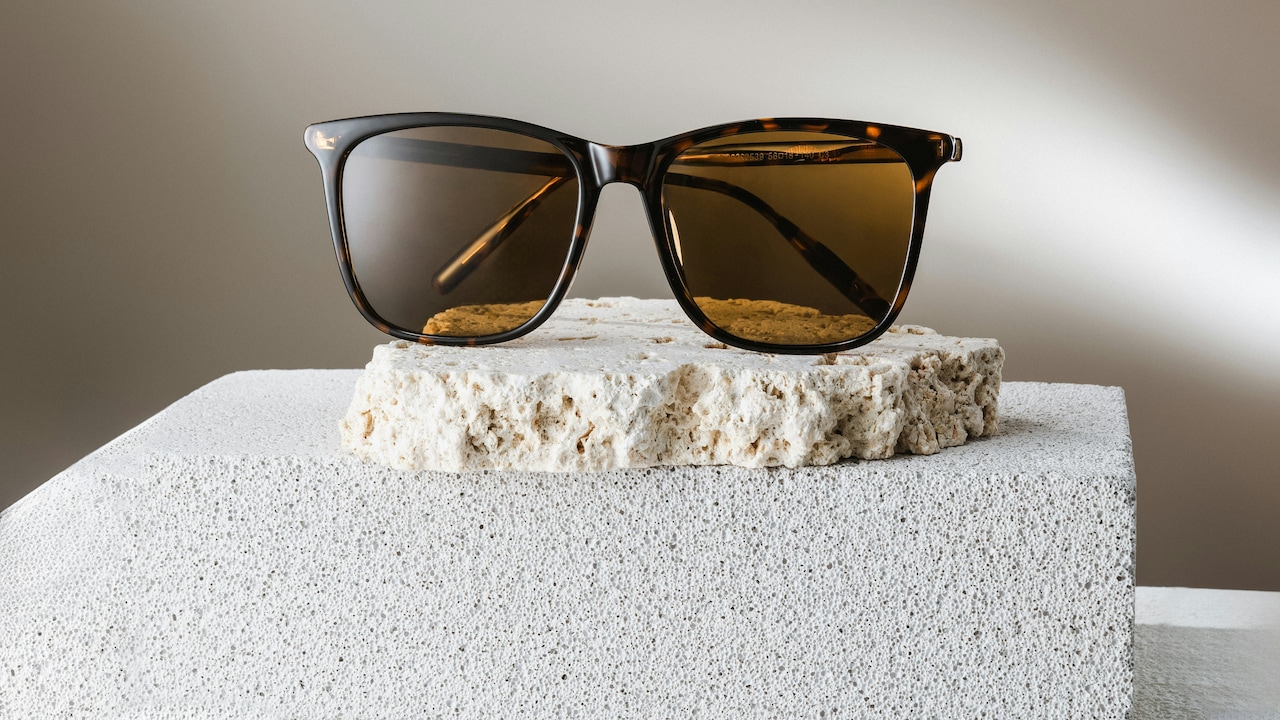
10 Polarised Sunglasses Myths About UV Protection, Glare And Driving
Sunglasses shopping can get surprisingly technical. What begins as a hunt for a flattering frame soon turns into a maze of terms such as polarised, UV400, mirrored, gradient, photochromic and blue-light filtering. Somewhere along the way, it becomes easy to assume that the most expensive or feature-packed pair must offer the best UV protection. Polarised lenses attract particularly strong claims. Wear them beside a sunny road or near water and the difference can feel dramatic. Reflections soften, colours look cleaner and squinting becomes less necessary. That noticeable change often encourages one big assumption: if polarisation improves vision here, surely it must improve vision everywhere. Not quite. Polarisation solves a particular problem, glare, rather than every problem associated with sunlight. Certain situations benefit enormously from it, while others gain very little. Sometimes polarised lenses can even make displays or surfaces harder to read. Meanwhile, factors such as ultraviolet protection, lens quality, fit and coverage may matter far more. So, before treating that tiny “polarised” sticker as the final word on sunglasses, it helps to separate what the technology actually does from what marketing has persuaded us to expect.
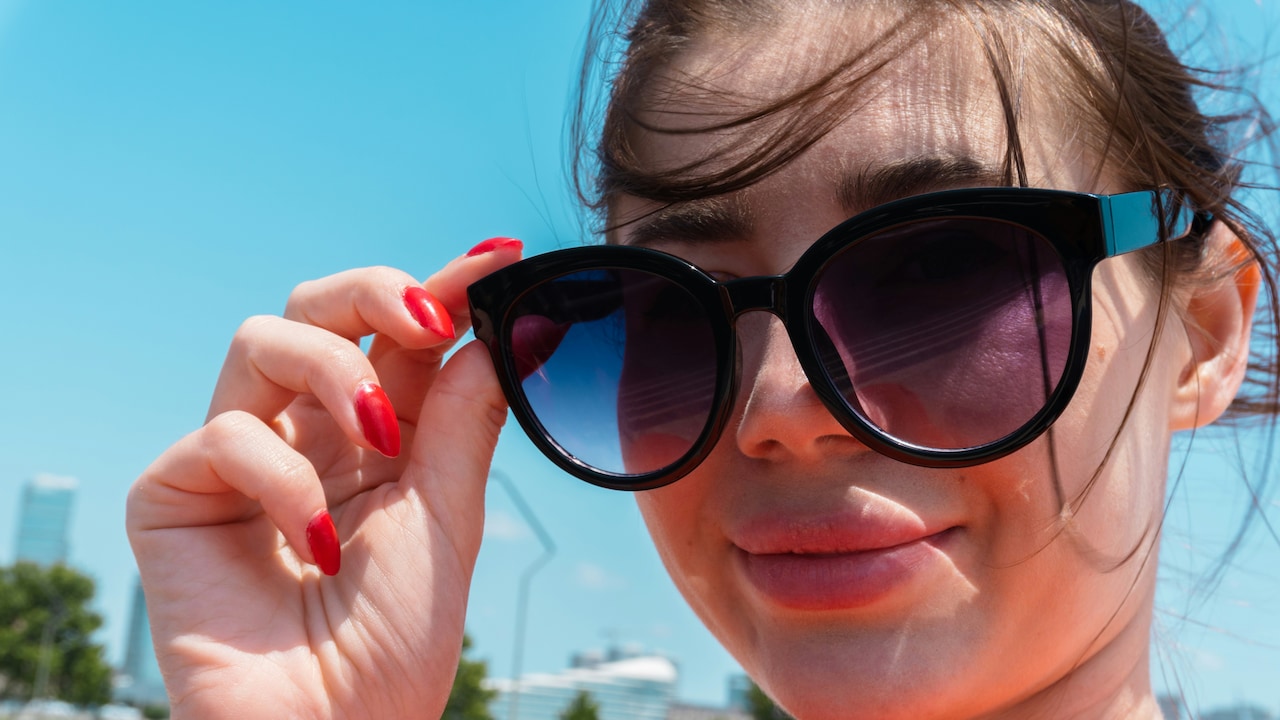
10 Polarised Sunglasses Myths About UV Protection, Glare And Driving; Photo Credit: Pexels
What Polarised Sunglasses Actually Do And Where The Myths Begin
1. Myth: Polarised Sunglasses Always Provide Better UV Protection
Polarisation and UV protection often appear together on premium sunglasses, so it's understandable that the two features get mixed up. They perform completely different jobs, though.
Polarised lenses contain a filter designed to reduce intense reflected glare, particularly light bouncing horizontally from surfaces such as roads, water and car bonnets. UV protection deals with ultraviolet radiation reaching the eyes. A lens can theoretically offer strong UV protection without polarisation, while a polarised lens still needs an appropriate UV filter.
That distinction matters more than whether a lens makes the world look impressively crisp.
When shopping, look for clearly stated UV protection rather than treating polarisation as proof of it. Labels such as UV400 generally indicate protection against UVA and UVB wavelengths up to 400 nanometres. Reputable eyewear should provide clear information about its UV filtering.
Think of polarisation as the anti-glare feature and UV filtration as the protective feature. They work well together, but one does not automatically guarantee the other. A comfortable view matters, yet protection should remain the first checkpoint.
Also Read: Sun Out, Shades On: Stylish Sunglasses For Every Look
2. Myth: Polarised Lenses Make Everything Look Clearer
Put on polarised sunglasses beside a bright road at noon and the improvement can feel almost magical. Reflections disappear from windscreens, shiny surfaces become easier to inspect and harsh glare loses much of its bite.
That doesn't mean everything becomes clearer.
Polarisation performs best when reflected light causes the visual problem. In situations without strong glare, another good-quality lens may look just as clear. Lens material, optical accuracy, scratches, tint and cleanliness can all affect clarity too.
There's another catch. Some surfaces rely on reflected light to reveal useful details. Certain icy patches, for example, may become less obvious once glare drops. Polarised lenses can also interact strangely with tempered glass, revealing rainbow-like patterns that weren't noticeable before.
So, “clearer” depends heavily on the environment.
For a sunny highway commute or an afternoon near water, polarisation can make a significant difference. During a shaded walk or an ordinary trip to the shops, the benefit may feel much smaller. It reduces a specific type of visual interference rather than upgrading eyesight across every possible situation.
3. Myth: Darker Sunglasses Protect The Eyes Better
A nearly black pair of sunglasses certainly looks ready for harsh sunshine, but darkness alone tells us very little about ultraviolet protection.
Tint primarily controls how much visible light reaches the eyes. UV filters handle ultraviolet radiation. A light-coloured lens can offer strong UV protection, while a very dark lens without adequate UV filtering may provide poor protection despite looking far more substantial.
This misunderstanding can create an awkward situation. Dark lenses encourage the pupils to widen because less visible light enters the eye. That makes reliable UV filtration particularly important.
Polarisation doesn't change this rule. A deeply tinted polarised lens isn't automatically safer than a lighter non-polarised one with suitable UV protection.
Choose tint according to comfort and use. Strong sunshine may call for darker everyday lenses, while lighter tints can suit milder conditions. But judge eye protection by the product's stated UV specification rather than how difficult it becomes to see your reflection in the lens.
The fashionable all-black look can stay. Just don't let colour become your UV test.
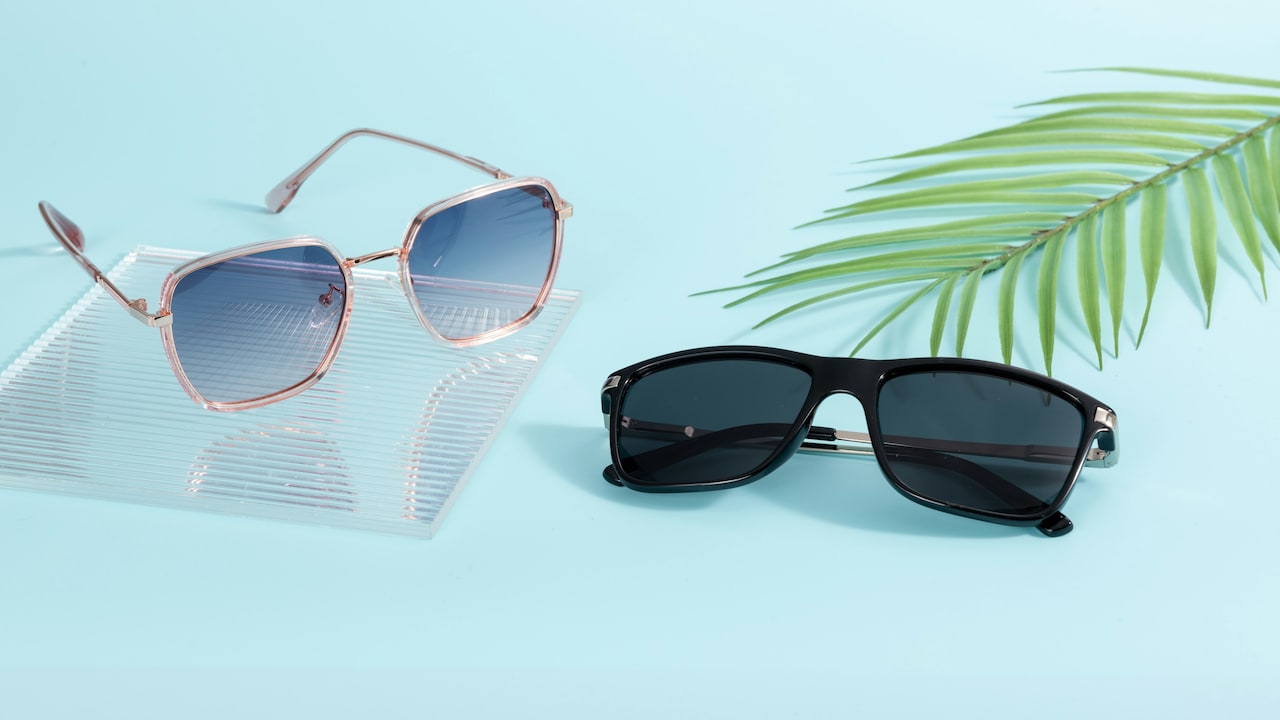
10 Polarised Sunglasses Myths About UV Protection, Glare And Driving; Photo Credit: Pexels
4. Myth: Polarised Sunglasses Are Always Better For Driving
Driving remains one of the strongest arguments for polarised sunglasses. Roads, windscreens, wet patches and nearby vehicles can all produce distracting glare. Cutting those reflections may make a bright afternoon drive noticeably more comfortable.
“Always better”, however, stretches the claim too far.
Modern cars contain more digital displays than ever. Depending on the angle and screen technology, polarised lenses can make some dashboard displays, navigation screens or head-up displays appear dim, distorted or nearly black. Tilt your head slightly and the screen may suddenly change again.
Visibility through some treated or tempered windows can also look unusual when viewed through polarised lenses.
For many daytime drivers, the reduced road glare outweighs these inconveniences. Still, it makes sense to test a pair inside the vehicle rather than assuming any polarised lens will work perfectly.
Night driving creates an even clearer exception. Dark sunglasses reduce the light available to the eyes and generally make little sense after sunset. Polarisation cannot turn a daytime sunglass lens into a night-vision aid.
Great for glare-heavy daytime driving? Often. Automatically ideal for every drive? No.
5. Myth: Expensive Polarised Sunglasses Must Work Better
A ₹15,000 pair of sunglasses may offer excellent lenses, durable hinges, a carefully designed frame and impressive optical quality. Yet the price tag alone cannot tell us how effectively the lenses reduce glare.
Branding, frame materials, fashion licensing, design and retail positioning can all influence the final cost. Polarisation itself doesn't belong exclusively to luxury eyewear.
A reasonably priced pair from a trustworthy manufacturer may provide effective polarisation and proper UV protection. Conversely, paying more doesn't remove the need to check specifications.
Higher-quality sunglasses can still justify their cost in other ways. Better lens construction may reduce distortion. Frames may fit more comfortably, coatings may resist scratches more effectively and hinges may survive years of opening, closing and being tossed into bags.
The useful question therefore isn't simply, “How expensive are they?” Ask what the extra money buys.
If the main goal involves reducing road glare during a daily commute, there's little reason to assume the most expensive logo produces dramatically stronger polarisation. Spend according to fit, lens quality, durability and genuine features rather than treating price as a scientific performance rating.
6. Myth: Polarised Lenses Are Perfect For Every Outdoor Sport
Outdoor activity and sunglasses seem like an obvious match. Add polarisation and the combination sounds even better.
For fishing, boating and other activities around water, polarised lenses can prove particularly useful because they cut the bright reflections that bounce from the surface. Cyclists and runners may also appreciate reduced glare from roads on extremely bright days.
But sport creates several exceptions.
Some athletes need to notice reflections rather than eliminate them. Changes in the shine of a surface can reveal wet patches, ice or other conditions. Skiers, for instance, may sometimes want visual clues from snow and icy terrain that strong polarisation could alter.
Equipment displays create another consideration. GPS units, cycling computers and other LCD screens may appear darker at particular angles through polarised lenses.
Fit may matter just as much as lens technology. Sunglasses that slip down the nose every thirty seconds won't suddenly become brilliant sports eyewear because the lenses have a polarising filter.
Match the glasses to the activity. Coverage, stability, impact resistance, ventilation and lens colour may sometimes matter more than polarisation itself.
7. Myth: Polarised Sunglasses Stop Eye Strain Completely
Anyone who has spent an afternoon squinting through reflected sunlight understands why polarised lenses feel soothing. Removing harsh glare can reduce the constant effort involved in trying to see comfortably.
That doesn't make them a cure for every form of eye fatigue.
Dry eyes, prolonged screen use, outdated spectacle prescriptions, lack of sleep, dehydration and extended close-up work can all contribute to tired or uncomfortable eyes. Polarised sunglasses won't fix those problems simply because they make outdoor scenes feel calmer.
Fit matters too. Bright sunlight can still enter around lenses that offer little side coverage. Someone spending hours outdoors may feel more comfortable in a well-fitting wraparound pair than in small fashion frames with premium polarised lenses.
It's also worth remembering that discomfort which persists frequently, occurs indoors or comes with unusual visual symptoms deserves proper attention rather than a new pair of sunglasses and crossed fingers.
Think of polarisation as one tool for managing glare-related discomfort. It can make a sunny commute, beach walk or outdoor lunch much easier on the eyes. It just doesn't replace good visual habits or appropriate eye care.
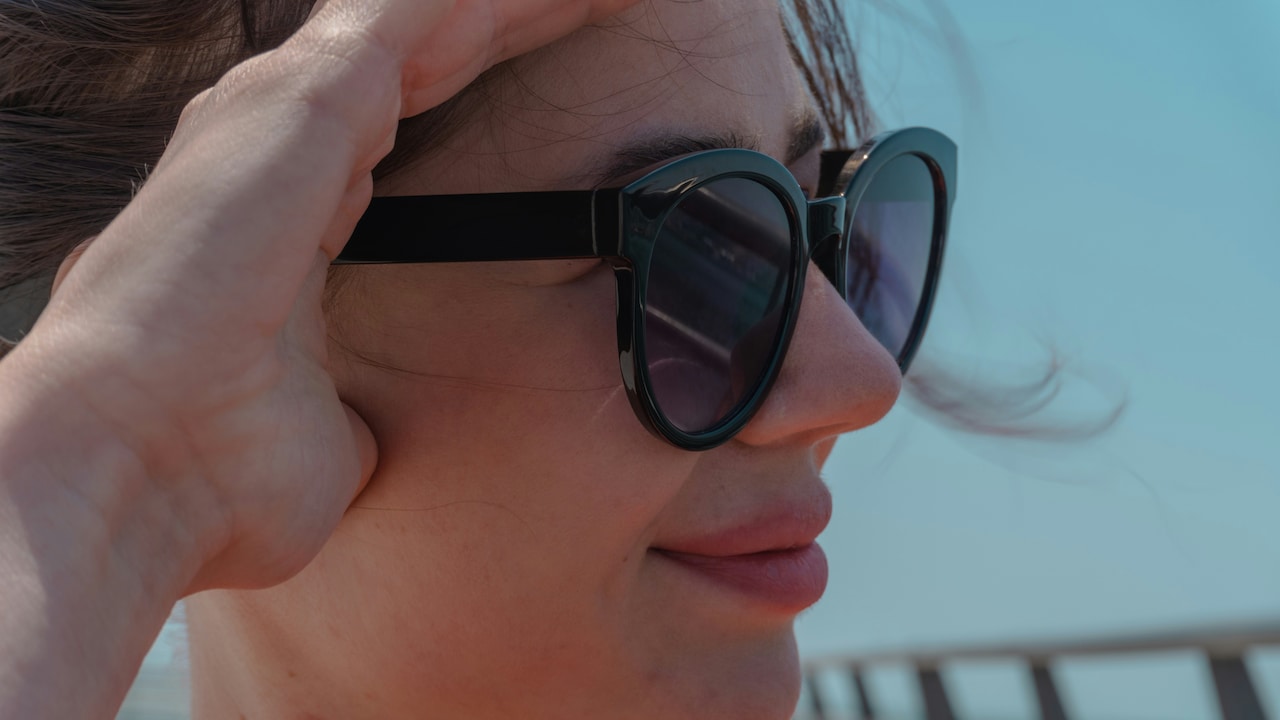
10 Polarised Sunglasses Myths About UV Protection, Glare And Driving; Photo Credit: Pexels
8. Myth: You Cannot Use A Phone While Wearing Polarised Sunglasses
This myth contains enough truth to survive.
Polarised lenses can interfere with certain electronic displays because many screens already use polarising filters. When the filter in the sunglasses lines up unfavourably with the screen's filter, brightness may drop dramatically. Rotate the phone or tilt your head and the display can change again.
That doesn't mean every smartphone becomes unusable.
Modern display designs vary, and some work remarkably well with polarised sunglasses. Others become noticeably dimmer only when held at a particular orientation. This explains the slightly ridiculous moment when someone starts rotating a phone in the sunshine as though trying to unlock a secret level.
The easiest solution involves testing your everyday devices while trying on sunglasses. Check the phone in portrait and landscape orientation. If you regularly drive, glance at the car display as well.
People who spend large amounts of time reading outdoor screens may decide that the inconvenience outweighs the glare reduction. Others barely notice it.
Polarisation can interfere with screens, but “interfere” and “make impossible to use” aren't the same thing.
9. Myth: Mirrored And Polarised Lenses Are Basically The Same
Mirrored sunglasses and polarised sunglasses often share the same sporty appearance, which makes the technologies easy to confuse.
A mirrored lens uses a reflective coating on the outer surface. This coating reduces some of the visible light entering the lens and creates that recognisable mirror-like finish. Polarisation, meanwhile, filters particular orientations of reflected light to reduce glare.
A pair can have both features, either one, or neither.
The difference becomes important when shopping online because photographs can make a mirrored lens look highly technical even when the description never mentions polarisation. Likewise, a plain grey or brown lens may contain an effective polarising filter without looking dramatic at all.
Mirrored coatings can work well in very bright conditions, especially when someone wants additional visible-light reduction. Polarisation becomes useful when glare from flat reflective surfaces causes the bigger problem.
Style can absolutely influence the final choice, sunglasses are accessories, after all. Just keep the terminology straight.
The shiny blue lens may look ready for a mountain expedition. That alone doesn't tell us whether it cuts reflected road glare.
10. Myth: Once You Buy Polarised Sunglasses, They Suit Every Situation
A good pair of polarised sunglasses can become the pair that lives permanently beside the house keys. They're convenient, comfortable and excellent for many bright daytime situations. It's tempting to treat them as universal eyewear.
Different environments call for different lenses, though.
Someone who drives frequently may love polarisation but dislike how it affects a dashboard display. A person spending weekends near water may consider polarised lenses essential. Another person who mainly wears sunglasses for short walks may care more about lightweight frames and reliable UV protection.
Weather matters as well. Extremely dark lenses can feel excessive under heavy cloud, while specialised sports or prescription needs may require completely different designs.
Even frame shape changes how well sunglasses work. Large lenses and close-fitting frames can reduce sunlight entering from above and around the sides far better than tiny lenses, regardless of polarisation.
The smartest approach isn't searching for one feature that makes sunglasses universally superior. Consider where, when and how you wear them. Polarisation can be brilliant when glare is the problem. When glare isn't the problem, other features may deserve top billing.
Products Related To This Article
1. Woggles Unisex Wayfarer Sunglasses with Polarised Lens
2. HAUTE SAUCE Women Cateye Sunglasses with Polarised Lens
3. Peter Jones Eyewear Unisex Square Sunglasses with Polarised Lens
4. HEXXA Unisex Yellow Lens & Black Square Sunglasses with
5. Roadster The Lifestyle Co. Unisex Black UV Protected Wayfarer Sunglasses
6. LensKandy Unisex Blue Lens & Silver-Toned Rectangle Sunglasses
7. French Accent Men Other Sunglasses with Polarised Lens
Polarised lenses deserve much of their popularity. They can dramatically reduce glare from roads, water and other reflective surfaces, making bright conditions far more comfortable. But they aren't a universal upgrade for every person, activity or environment. Good sunglasses require a broader checklist: reliable UV protection, suitable tint, clear lenses, comfortable fit, enough coverage and features that match how you actually use them. Polarisation can be one excellent part of that package. It just shouldn't become the whole package.
(Disclaimer: This article may include references to or features of products and services made available through affiliate marketing campaigns. NDTV Convergence Limited (“NDTV”) strives to maintain editorial independence while participating in such campaigns. NDTV does not assume responsibility for the performance or claims of any featured products or services.)