Why Does Your Shoulder Bag Keep Sliding Off? 10 Fit And Styling Problems Explained
A shoulder bag that keeps sliding down can turn a simple commute into an endless game of readjustment. From slippery fabrics to strap length and bag weight, these common styling and fit problems may explain why it refuses to stay put.
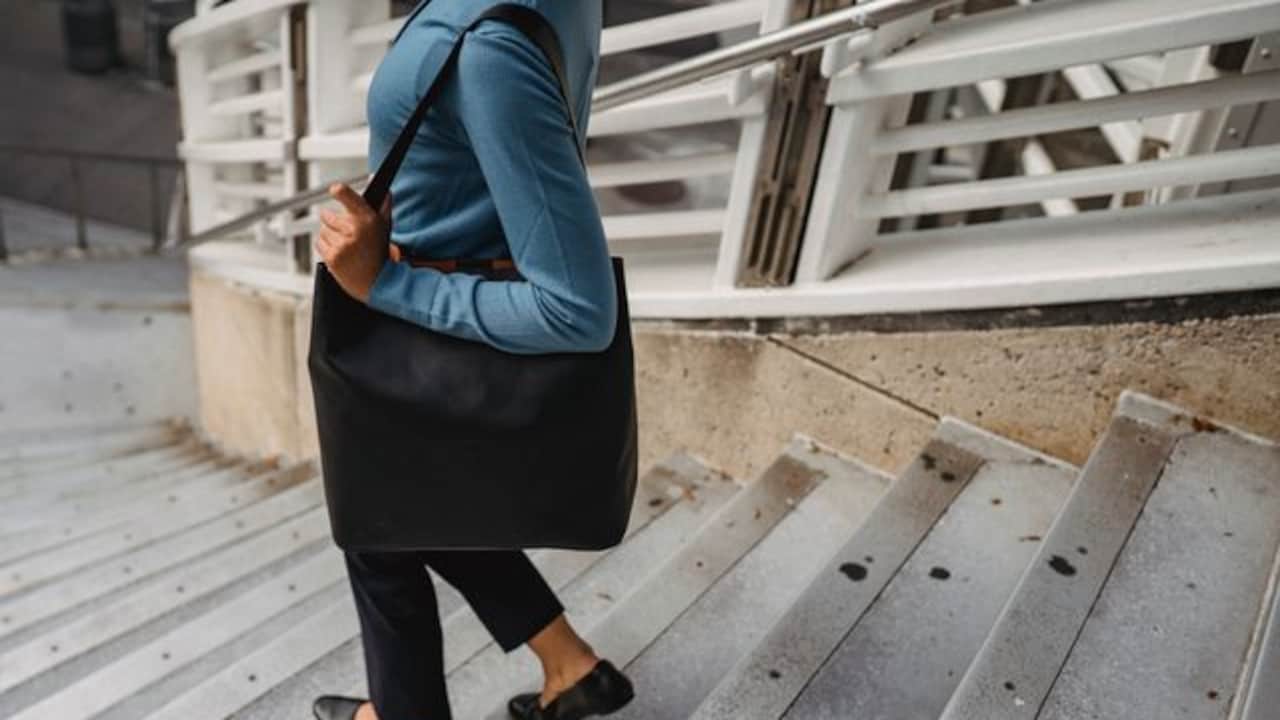
How to prevent shoulder bag from slipping constantly
There's a strangely specific kind of irritation that comes with a shoulder bag that simply won't behave. You place it neatly on your shoulder, walk ten steps, and there it goes again, halfway down your arm. Push it back up, carry on, repeat. By the time you reach the office, café, supermarket or metro station, adjusting the strap has practically become part of the outfit. It's tempting to blame the bag straight away. Sometimes the strap really is the problem. More often, however, several smaller details work together. The fabric of your clothes may offer almost no grip. The strap might sit at an awkward angle. A heavily packed bag can pull itself down. Even the way a jacket is cut around the shoulders can change how securely a bag sits.
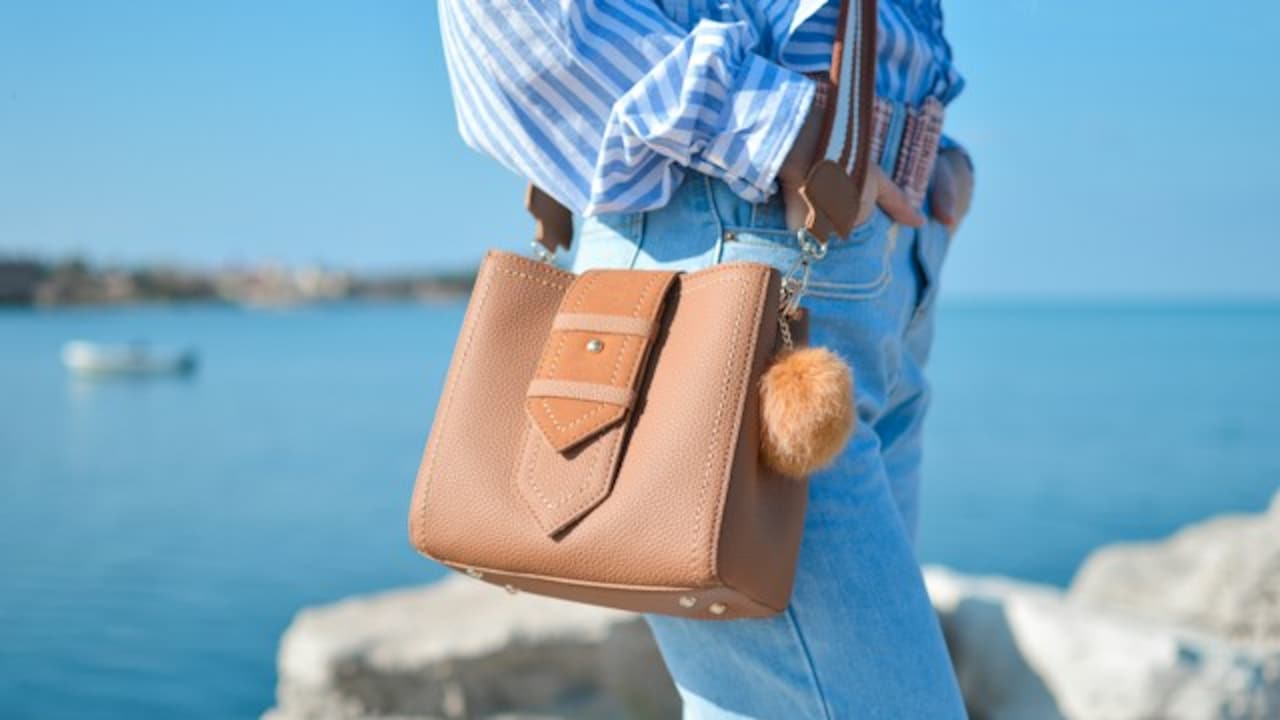
Why do shoulder bags keep slipping and how to stop them from doing so
Photo Credit: Unsplash
Body shape matters too, but there's rarely anything that needs “fixing” about it. The goal is simply to match the bag, strap and outfit more intelligently. Once we understand what causes that constant slipping, choosing and styling shoulder bags becomes considerably less frustrating.
Also Read: H&M Shopper Tote Bag Review: Meet The Bag Built For Busy Workdays
Why Your Shoulder Bag Won't Stay Put
1. The Strap Is Too Long For The Way You Carry The Bag
A shoulder strap can technically fit while still being too long for comfortable carrying. When a bag hangs well below the waist, its weight creates more pulling force on the strap every time you walk. Instead of resting close to the body, the bag swings forwards and backwards, gradually tugging the strap towards the edge of the shoulder.
This becomes particularly noticeable with medium-sized handbags carrying everyday essentials such as a wallet, charger, sunglasses, water bottle and perhaps half the contents of a desk drawer.
Try shortening an adjustable strap so the bag sits closer to the ribcage or upper hip. The exact position depends on the bag, but the goal is to reduce unnecessary movement.
Non-adjustable straps require more careful shopping. Before buying, place the bag on your shoulder and walk around rather than judging it while standing still. A strap that seems elegant in front of a mirror may become surprisingly irritating after five minutes of actual movement.
2. Silky Clothing Gives The Strap Almost Nothing To Grip
Some outfits practically invite a shoulder bag to slide off. Satin shirts, smooth polyester kurtas, silky dresses and certain synthetic jackets create a slick surface underneath the strap. Add a smooth leather strap, and there may be very little friction keeping the two together.
This explains why the same handbag can behave perfectly with one outfit and become impossible with another.
The easiest solution isn't necessarily changing the bag. Sometimes changing its position helps. Shortening the strap allows more of the bag to rest against the body, reducing the pressure pulling downwards. A wider strap may also grip better than a thin polished one.
Outerwear can make a difference too. If the outfit includes an open layer with slightly more texture, such as cotton, denim or knitwear, placing the strap over that layer may improve stability.
The problem isn't poor posture or an unusually shaped shoulder. Sometimes two perfectly good fashion choices simply have the friction coefficient of soap meeting a bathroom tile.
3. The Strap Is Too Narrow For The Weight Inside
A delicate strap can look beautifully proportioned on an empty handbag. Fill that bag with everyday essentials, however, and the physics quickly changes.
Thin straps concentrate weight across a small section of the shoulder. As the bag gets heavier, that narrow strap presses down and can move towards the outer edge. Walking makes matters worse because every step creates small shifts in the contents.
A wider strap spreads the load across more of the shoulder. That usually makes the bag feel more stable as well as more comfortable.
Consider what the bag actually needs to carry. A slim strap may work brilliantly for a compact evening bag holding a phone, cards and lipstick. The same strap becomes less practical when attached to a large tote carrying a tablet, umbrella, charger and 750 ml water bottle.
If a favourite bag has detachable straps, swapping to a wider replacement can transform how it feels. The improvement may look tiny on paper but feel enormous during a long commute.
4. Your Jacket Has A Structured Or Sloping Shoulder Line
Sometimes the real culprit isn't underneath the jacket. It is the jacket.
Blazers, padded coats and structured shirts can alter the shape of the shoulder significantly. Some create a sharper slope towards the arm, while others use shoulder pads that form a smooth, slightly raised surface. A handbag strap placed on top naturally travels towards the lowest point.
This can become especially noticeable with oversized blazers. Their shoulder seams often extend beyond the wearer's natural shoulder, meaning the bag strap sits on fabric and padding rather than directly above the shoulder joint.
Try positioning the strap slightly closer to the neck rather than balancing it directly over the jacket seam. Carrying the bag underneath an open jacket may also help when the design allows it.
Another option is temporarily switching carrying styles. Bags with both top handles and shoulder straps offer useful flexibility on days when structured outerwear enters the picture.
A handbag shouldn't dictate the entire outfit, but understanding how shoulder construction changes its resting angle prevents endless readjustment.
5. The Bag Is Packed Heavier On One Side
Handbags rarely contain perfectly distributed weight. Phones land in one pocket. Water bottles sit upright against one side. Power banks, keys, makeup pouches and coin-filled wallets all create their own little centres of gravity.
When one side becomes substantially heavier, the bag may tilt. That tilt changes the angle of the strap, which can slowly pull it across the shoulder.
Structured bags sometimes hide this problem because the exterior still looks symmetrical. Inside, though, everything may have migrated into one corner.
Pay attention the next time the bag starts slipping unexpectedly. If it usually behaves well, check whether something unusually heavy has been added.
Redistributing contents can make an immediate difference. Place heavier objects near the centre and bottom wherever possible. Use internal compartments rather than allowing everything to collect on one side.
Organisation helps here for reasons beyond finding keys without conducting a full archaeological excavation. Keeping the weight balanced makes the bag more comfortable, prevents unnecessary strain and helps the strap remain where it belongs.
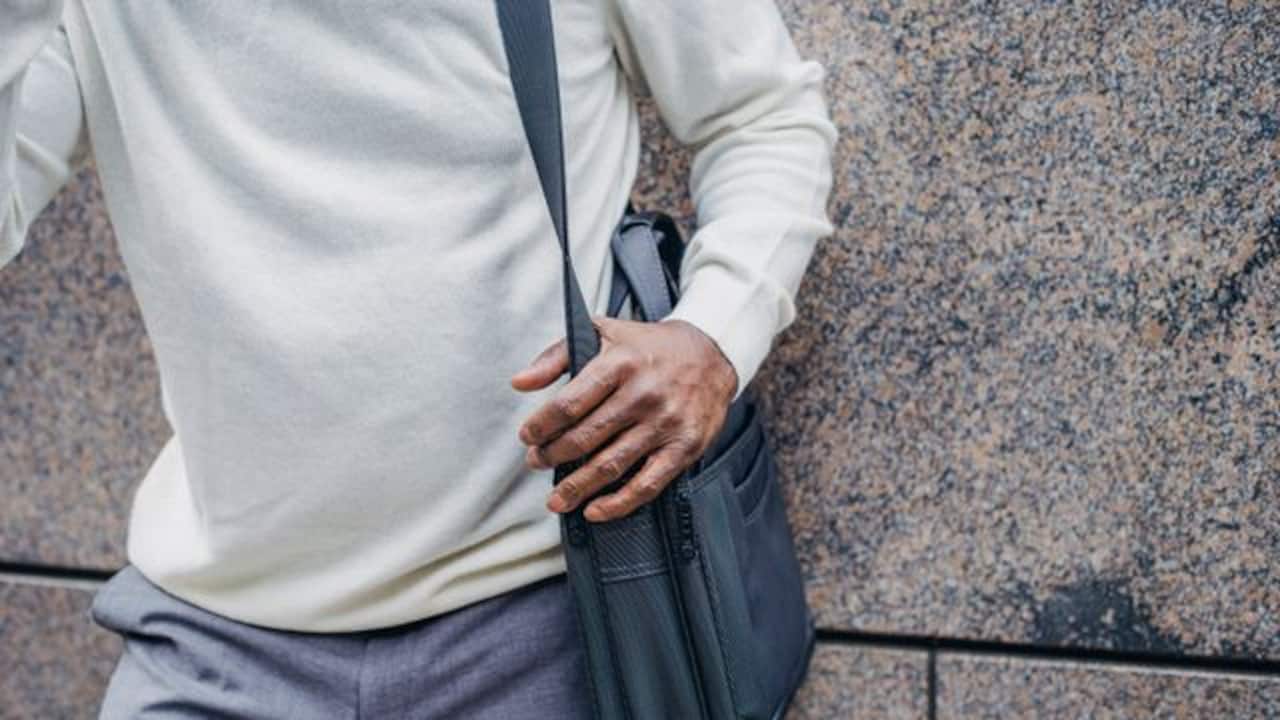
Packing the bag heavier on one side can also cause it to slip throughout the day
Photo Credit: Pexels
6. The Bag Is Simply Too Heavy For One Shoulder
There comes a point where no amount of strap adjustment can compensate for weight.
Large shoulder bags encourage us to keep adding things because there's still technically space. A notebook joins the charger. Then comes a large water bottle. Perhaps a makeup pouch, umbrella, headphones, snacks and a second pair of spectacles somehow appear too.
Eventually, the shoulder carries several kilograms on one side.
A heavy bag naturally pulls downwards and outwards. The wearer may also unconsciously raise one shoulder to keep the strap in position, which can make carrying uncomfortable during longer journeys.
Occasionally emptying the bag helps reveal how much unnecessary weight has accumulated. Receipts, duplicate cosmetics, old cables and “just in case” items often stay inside for weeks.
For genuinely heavy daily loads, consider a backpack, crossbody bag or handbag with convertible straps. This isn't about abandoning shoulder bags completely. They remain convenient and stylish for lighter loads. It simply means asking one shoulder to carry a realistic amount rather than treating it like a luggage trolley.
7. Rounded Or Narrow Straps Roll Towards The Shoulder Edge
Strap shape affects stability more than most shoppers realise.
Some handbags use rounded leather straps or narrow cord-style handles. They can look elegant, particularly on compact bags, but the curved surface creates less contact with clothing than a flat strap. Less contact means less friction, making movement easier.
A flat strap sits across a broader area. Depending on the material, it may stay noticeably more secure during walking.
This doesn't mean rounded straps automatically make a poor choice. They can work perfectly well when the bag remains light or when the outfit provides enough texture for grip. Problems usually appear when several factors combine: a rounded strap, smooth clothing and a reasonably heavy bag.
When shopping online, product photographs often focus on colour and overall design while offering little information about how the strap sits. Zoom in on its construction and check measurements where available.
If shoulder bags frequently slip for you, prioritising flatter or slightly wider straps could make future purchases considerably more practical without sacrificing the style you prefer.
8. The Shoulder Seam Of Your Top Sits Too Far Down
Oversized fashion creates another easily overlooked problem.
Drop-shoulder T-shirts, relaxed shirts, oversized sweatshirts and loose knitwear deliberately place the garment's shoulder seam lower down the arm. Visually, this creates that comfortable, effortless silhouette. Functionally, however, it removes a useful little barrier that sometimes helps keep bag straps in position.
On a traditionally fitted top, the seam sits near the natural shoulder edge and can create subtle texture beneath the strap. With a drop-shoulder garment, the upper shoulder may consist of one uninterrupted stretch of smooth fabric.
The looser fabric can also move underneath the strap as you walk. Instead of the bag shifting independently, the entire garment moves slightly with it.
Positioning the strap closer to the neck can help. A shorter strap may work better too because it reduces swinging.
There's no need to retire oversized clothing. Just recognise that pairing a slippery handbag with an equally relaxed top may require a little more strategic positioning than a fitted cotton shirt would.
9. The Bag Shape Pulls Away From Your Body
Not all shoulder bags sit against the body in the same way.
Soft hobo bags tend to mould around the hip or ribcage. Boxy handbags, rigid totes and structured bucket bags often behave differently. Their shape can cause them to project away from the body rather than resting against it.
When a bag sits farther out, every movement creates more leverage on the strap. Walking quickly, turning suddenly or climbing stairs can make the bag swing. That movement gradually pulls the strap towards the shoulder edge.
Strap drop becomes particularly important with structured bags. A slightly shorter strap often keeps the bag closer to the torso, reducing movement.
Size matters as well. A very wide bag may press against the arm while walking, pushing itself outward with every stride.
When testing a handbag, don't only inspect how attractive it looks while standing still. Walk naturally with it. Move your arms. Turn around. The bag should move with the body rather than repeatedly bouncing away from it.
Practical fit matters just as much as dimensions on a product page.
10. The Strap And Shoulder Shape Simply Do Not Work Together
Shoulders vary enormously. Some sit relatively square, while others slope more noticeably from neck to arm. Neither shape creates a problem by itself, but different straps behave differently on them.
Someone with more sloping shoulders may find that narrow, smooth straps migrate outwards quickly. Wider straps, textured materials or crossbody designs may feel far more secure. Someone with squarer shoulders might comfortably carry designs that feel frustrating on another person.
This is why borrowing a friend's handbag can produce such different experiences. The bag hasn't changed. Its relationship with the person carrying it has.
Instead of trying to force every fashionable strap design to work, notice which shapes consistently feel comfortable. Perhaps wider straps stay put. Maybe shorter shoulder drops work better. Perhaps convertible shoulder-to-crossbody bags offer the easiest solution.
Those observations become useful shopping criteria.
Fashion becomes much easier when fit means more than clothing size. Bags interact with our proportions too, and choosing designs that cooperate with the body can save countless small annoyances throughout the day.
Products Related To This Article
1. Miraggio Gisele Shoulder Bag For Women
2. Lavie Women's Mono Clair Large Hobo Bag
3. VISMIINTREND Hand bags for Women Stylish, Sling bag | Rakhi Gift for Sister
4. HaveGlam Trendy Women Handbag PU Shoulder Bag
5. Max Women Quilted Hobo Bag
6. Lino Perros Lino Perros shoulder bag
7. Lyrovo Travel Crossbody Crescent Bags for Women Over Shoulder Purse
A shoulder bag that constantly slips isn't always badly designed, and the wearer isn't necessarily carrying it incorrectly. Strap width, clothing texture, weight distribution, shoulder seams and bag structure can all change how securely it sits.
A few small adjustments often solve the problem. Shorten the strap, redistribute the contents, reconsider slippery fabric combinations or choose a wider design for heavier loads. Most importantly, pay attention to which bags naturally stay comfortable on your shoulder. The best everyday bag isn't simply the one that looks good on a shelf. It's the one you can carry for hours without having to rescue it from your elbow every thirty seconds.
(Disclaimer: This article may include references to or features of products and services made available through affiliate marketing campaigns. NDTV Convergence Limited (“NDTV”) strives to maintain editorial independence while participating in such campaigns. NDTV does not assume responsibility for the performance or claims of any featured products or services.)