Why Your Dresses Ride Up While Walking And Flattering Cuts That Stay In Place
Dresses ride up because of fabric cling, tight fits, static, and poor cuts. Learn what causes it and which flattering dress styles stay put while you walk. Yes, you can prevent your dresses from riding up while walking with these easy tips.

How To Stop Your Dress From Riding Up While Walking: Fit, Fabric And Flattering Styles.
There's a special kind of irritation that comes from stepping out in a cute dress, feeling confident, and then… spending the next twenty minutes subtly tugging it down like it's trying to escape your knees.
It's awkward. It's distracting. And somehow, it always happens when hands are full, phone in one hand, tote bag in the other, trying to walk with grace while the dress behaves like it has its own agenda.
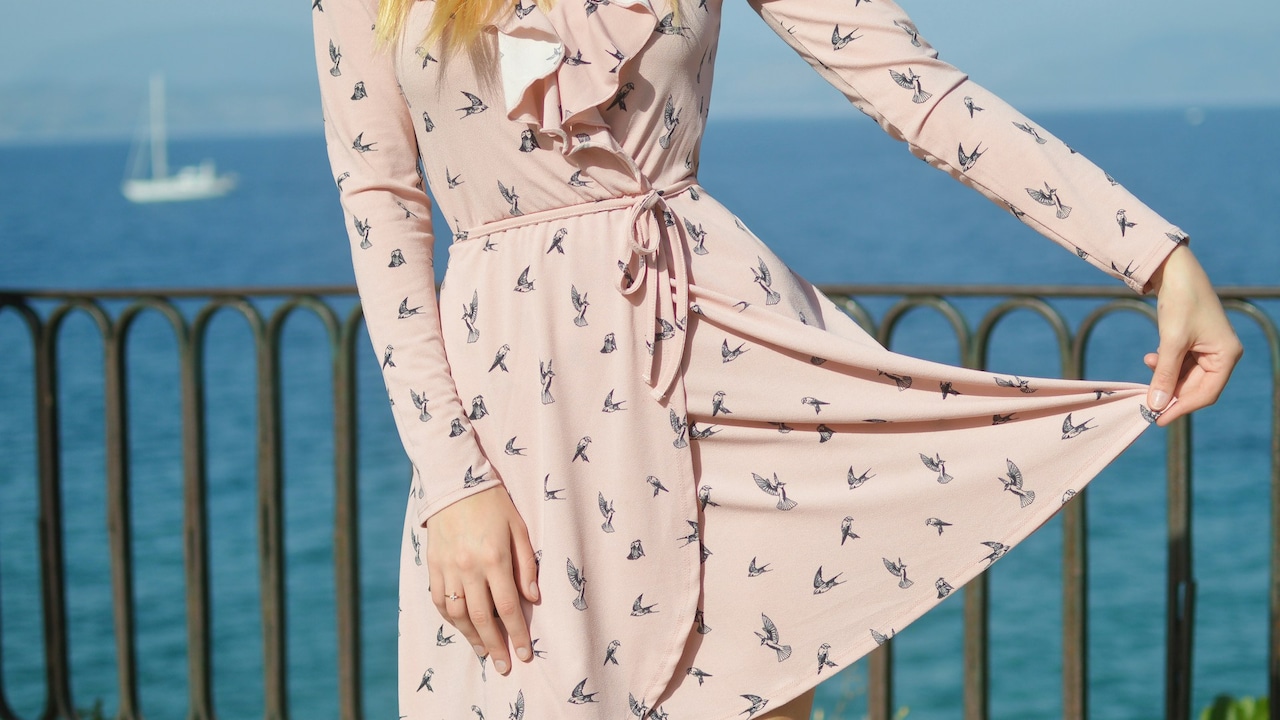
Explore easy tips to fix dresses from riding up while walking; Photo Credit: Unsplash
The annoying part is that many people assume it's a body issue. It isn't. Dresses ride up because of physics, fabric behaviour, and pattern design. A dress doesn't “hate you”. It's just reacting to movement, friction, stretch, and the way it's cut.
The best part? Once the reasons become clear, choosing dresses that stay in place becomes ridiculously easier. And no, it doesn't mean wearing boring shapes. It simply means choosing smarter shapes.
Also Read: 5 Spacious Tote Bags For The Office That Can Handle Your Whole Day
The Fit, Fabric, And Cut Secrets That Keep Dresses In Place
1. The Fabric Is Clinging Instead Of Gliding
One of the most common reasons a dress rides up is fabric cling. Some materials grab onto the skin or tights as the legs move forward, then get pulled upward with each step. It's not dramatic at first, but after a few minutes of walking, the hemline has travelled like it booked a train ticket.
This is especially common with polyester blends, jersey knits, and anything with a slightly “sticky” feel. Humidity makes it worse, which explains why it can feel ten times more annoying during monsoon season or in peak summer. Add a bit of sweat, and suddenly the fabric behaves like it's attached.
The fix isn't to avoid all synthetic fabrics forever. It's to choose fabrics that drape and slide rather than cling. Viscose, crepe, cotton poplin, linen blends, and rayon often behave better. A dress with a smooth lining also helps because it reduces friction. The most reliable sign? If the fabric slides smoothly through the fingers instead of catching, it will usually behave better while walking.
2. The Dress Is Too Tight At The Hips Or Thighs
A dress that feels “just fitted enough” in the mirror can become a menace once walking starts. If the dress hugs the hips, seat, or thighs too tightly, the fabric has nowhere to go when the legs move. So it goes upward.
This is especially common with bodycon styles, pencil dresses, and fitted minis. It can even happen with midi dresses if the skirt section narrows at the thighs. Each step creates tension, and the hemline responds by creeping up.
A simple test works: take a few big steps in the trial room or at home. If the fabric pulls or you feel resistance around the thighs, the dress will ride up outside.
Flattering cuts that stay in place include A-line shapes, fit-and-flare dresses, and anything that gives room at the hip line. Even a slightly relaxed sheath can work if it's cut straight rather than narrow. Comfort isn't the enemy of style. In fact, nothing looks more stylish than not constantly adjusting your outfit.
3. Static Electricity Is Quietly Causing Chaos
Static is sneaky. It doesn't always show up as sparks or crackling. Sometimes it simply makes the dress stick to the legs, then ride up with movement.
This tends to happen with lightweight polyester, satin-like materials, and flowy skirts that should move freely but don't. It's also common when the dress is worn with leggings, tights, or even certain inner slips that build static. Dry air in winter makes it worse, but air-conditioned spaces can trigger it too.
The dress ends up clinging to the legs like it's trying to become a second skin. Then walking begins, and the hemline climbs because the fabric is stuck.
A lining reduces static dramatically. A good slip can also help, especially if it's anti-cling or made from breathable cotton blends. Some people swear by a tiny dab of moisturiser on the legs, which sounds funny but works because it reduces static grip. If a dress looks dreamy but feels staticky in the store, it's a warning sign, not a “maybe it'll be fine” moment.
4. The Hemline Is Too Short For The Stride
A short dress isn't automatically a problem. But the shorter the hemline, the smaller the margin for movement. A normal walking stride can easily pull a mini dress upward by a few centimetres. Add stairs, speed walking, or dodging traffic, and suddenly the dress becomes a full-time job.
This is why a mini that looks cute in photos can feel exhausting in real life. It's not always about modesty. It's about mobility.
A more stable option is the “just above knee” length. It still looks youthful and fresh, but it doesn't demand constant adjustment. For those who love minis, choosing ones with more volume in the skirt helps. A slight flare, pleats, or a wrap style can reduce ride-up.
The most practical trick is to choose minis with structure. Cotton poplin and denim-style dresses stay put far better than clingy knits. If the dress has enough body to hold its shape, it won't behave like a scarf in the wind.
5. The Waist Placement Is Working Against You
Sometimes the dress rides up because the waist seam sits in the wrong place. If the waist is too high or too low, the dress doesn't anchor properly to the torso. As you move, the fabric shifts upward because there's no stable “resting point”.
Empire waist dresses can be a culprit here. They look romantic and flattering, but if the bust seam sits too high or the fabric below is clingy, it can creep upward. Similarly, drop-waist dresses can shift around because they don't hold the body in a fixed shape.
The best waist placements for staying put are natural waist seams and slightly raised waistlines that sit correctly on the body. Wrap dresses also work well because the tie creates a strong anchor point. Dresses with a defined waistband, belt loops, or a structured midsection tend to stay stable because they have something to grip onto.
A dress that stays in place often feels “settled” on the body. If it feels floaty in the wrong way, it may spend the whole day migrating upwards.

Dresses with a too high or too low waist can move the fabric and cause it to shift upwards; Photo Credit: Unsplash
6. The Skirt Has No Room To Move
Movement needs space. If the skirt portion is narrow, stiff, or lacks a slit, walking becomes a tug-of-war between legs and fabric. And fabric almost always loses… by moving upward.
Pencil skirts and fitted midi dresses often ride up because the legs need more room than the skirt allows. Even if the fabric stretches, it still creates tension. Stretch doesn't always mean freedom. It can also mean the dress snaps back into place awkwardly, making the hemline shift.
A simple design feature fixes this: a slit. A back slit, side slit, or even a small front slit gives the legs space. It reduces upward pull dramatically.
Other cuts that help include tulip skirts, wrap skirts, and flared hems. Godet panels and pleats are also brilliant because they open while walking and close while standing. It's the kind of smart design that looks elegant and feels effortless. A dress that allows movement always looks more expensive, even if it cost ₹999 during a sale.
7. The Lining Is Missing Or Poorly Designed
A good lining is like a supportive friend. It doesn't steal attention, but it prevents disasters.
Unlined dresses, especially in lighter fabrics, tend to cling, twist, and ride up. The fabric sticks to the skin, then shifts with every step. A lining creates a smooth layer between the body and the dress. It reduces friction and helps the outer fabric fall correctly.
But not all linings are equal. Some linings are too short, too tight, or made from cheap synthetic material that creates more cling. A lining that ends far above the hem can cause the outer layer to ride up because the fabric above is anchored while the hem is free.
The best linings match the dress length closely, feel breathable, and don't grip the body. If a dress has a good lining, it will often feel heavier in a good way. It hangs better. It moves better. And it stays where it's supposed to stay, which is honestly the bare minimum.
8. The Dress Is Twisting Because Of Uneven Fit
A dress that twists while walking often ends up riding up too. Twisting happens when the fit is uneven, tight in one area, loose in another, or slightly off in the shoulder seams.
For example, if the dress is slightly tight across the bust but loose at the waist, the fabric may shift upward. If one shoulder seam sits a bit higher, the dress can rotate subtly. Over time, the hemline ends up crooked and higher than it started.
This is especially common with stretchy dresses, off-shoulder styles, and slip dresses. It can also happen when the dress isn't cut well, even if the size is technically correct.
The fix is choosing dresses with better structure: darts, princess seams, proper shoulder shaping, and a stable neckline. Square necklines and well-fitted V-necks often stay put better than wide boat necks. The dress should feel balanced. If it feels like it's pulling in one direction, it will keep doing that all day.
9. The Cut Is Fighting Gravity And Friction
Some dresses ride up simply because the cut doesn't work with real-life movement. Certain trendy cuts look stunning while standing still, but walking reveals the truth.
High-stretch bodycon dresses, ruched minis, and very tight ribbed knits are common offenders. They rely on the fabric hugging the body. But when fabric hugs too much, it also grabs. And when it grabs, it climbs.
Even some wrap dresses can ride up if the overlap is too small or the fabric is slippery. The wrap shifts, the inner layer moves, and suddenly the hemline feels shorter than it should.
Flattering cuts that stay in place include fit-and-flare dresses, wrap dresses with generous overlap, A-line dresses, and shirt dresses. Shirt dresses are especially underrated. They're structured, breathable, and anchored by buttons. They also look polished with almost zero effort, which feels like cheating in the best way.
10. The Right Dress Can Still Need The Right Undergarments
Sometimes the dress is fine, but the layers underneath are causing trouble. Certain bras, shapewear, tights, or slips create friction or pull the fabric in odd ways.
For example, a tight shapewear short can grip the dress fabric and cause it to bunch upward. Some tights create static, while others create friction. Even the waistband of leggings can push the dress upward slightly, especially if the dress is fitted.
The best underlayers for preventing ride-up are smooth, breathable, and not overly tight. A well-fitted slip can be a game-changer. Cycling shorts in a smooth fabric can help too, especially with shorter dresses.
The goal isn't to “control” the body. It's to create a clean surface so the dress can glide. When the dress and the underlayer cooperate, walking feels effortless. And the dress stays in place without constant tugging, which is the real luxury.
Products Related To This Article
1. OCTICS Black Embroidery Puff Slevee Midi Dress
2. MANOJAVA Floral Striped Fit & Flare Midi Dress
3. Tokyo Talkies Embellished Square Neck Bodycon Dress
4. Claura Women Floral Print Mandarin Collar Short Sleeves Fit and Flare Midi Dress
5. Rain & Rainbow Women Floral Print Puff Sleeve Pure Cotton Fit & Flare Midi Dress
A dress riding up while walking isn't a personal failure. It's fabric, friction, fit, and design doing what they do. The good news is that once the pattern becomes obvious, shopping gets easier. Instead of hoping a dress behaves, it becomes possible to choose styles that move well from the start.
The most reliable winners are dresses with room at the hips, smart skirt shaping, good linings, stable waist seams, and fabrics that glide instead of cling. The kind of dresses that let you walk fast, laugh freely, and climb stairs without performing outfit maintenance.
Because a great dress shouldn't make anyone feel self-conscious. It should feel like freedom. And ideally, it should stay exactly where it belongs.
(Disclaimer: This article may include references to or features of products and services made available through affiliate marketing campaigns. NDTV Convergence Limited (“NDTV”) strives to maintain editorial independence while participating in such campaigns. NDTV does not assume responsibility for the performance or claims of any featured products or services.)