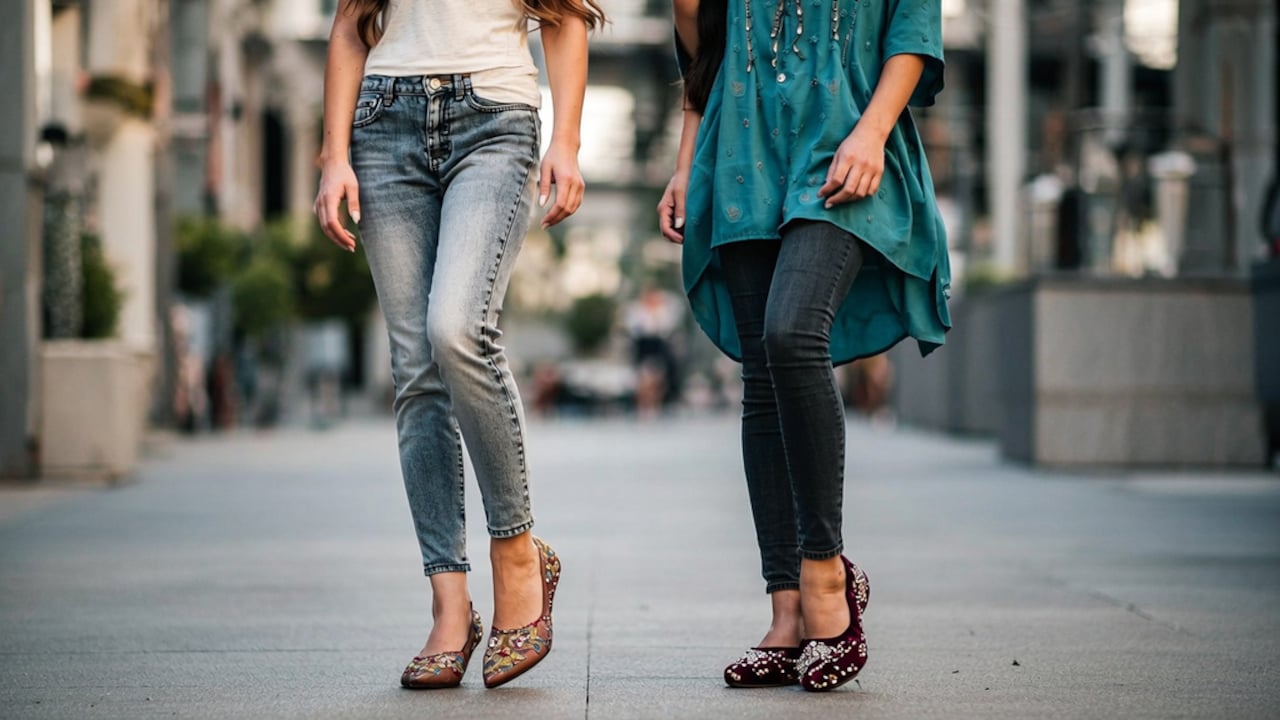
How To Style Printed Kaftan Tunics Without Making The Outfit Look Too Busy
Style printed kaftan tunics with solid bottoms, minimal jewellery, neutral footwear and simple layers. These easy styling tips keep bold prints looking balanced, polished and never too busy.
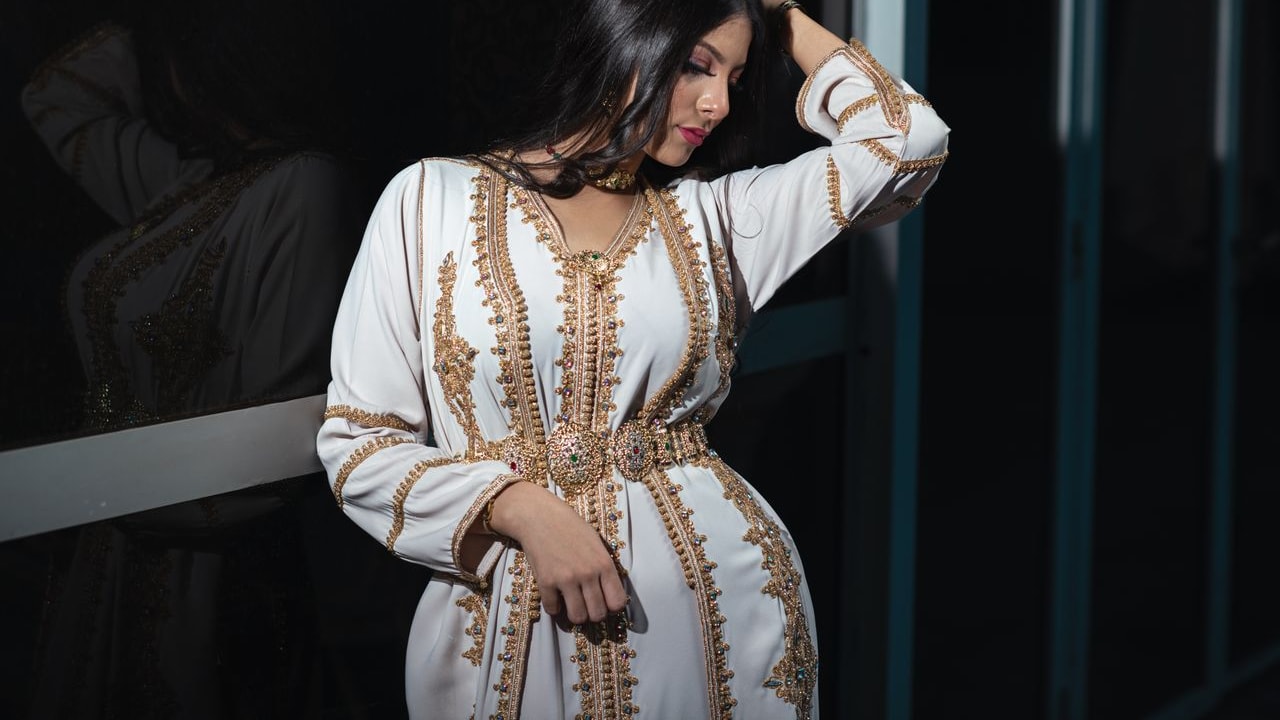
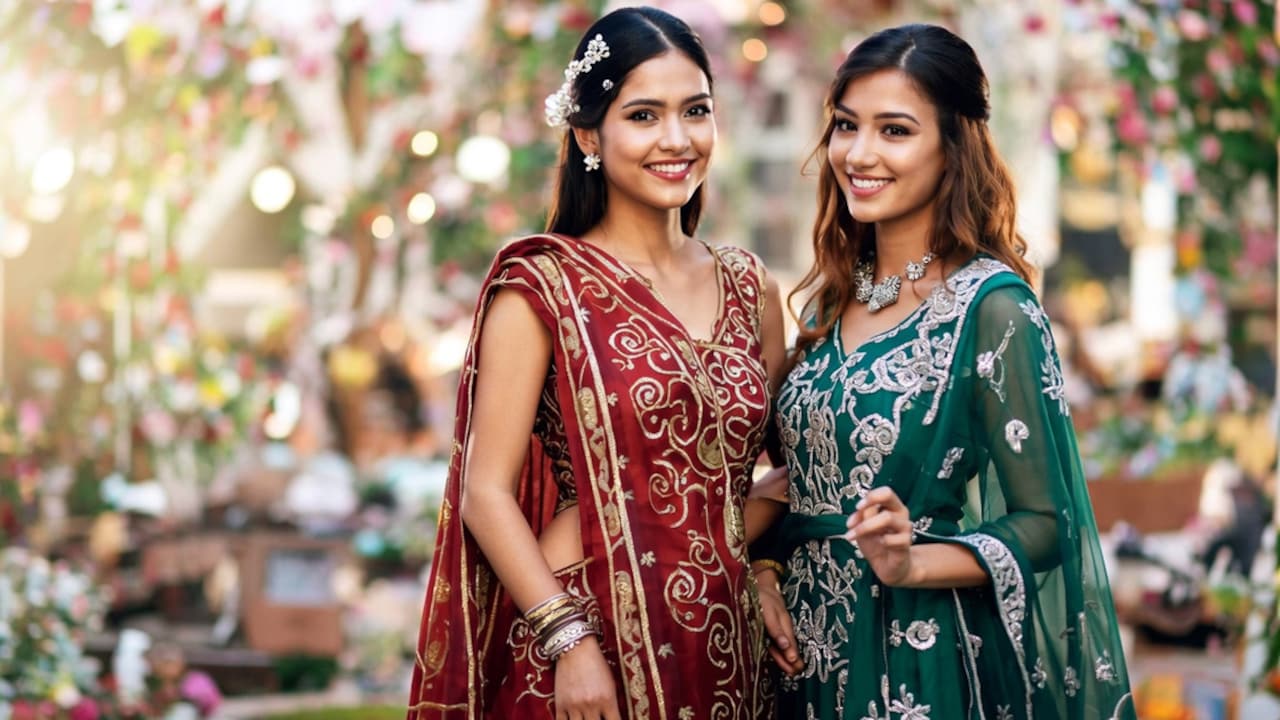
Styling tips to wear your printed kaftan for various occasions
Printed kaftan tunics have a certain magic. They move beautifully, feel wonderfully relaxed and can turn even a rushed morning into a reasonably stylish one. From delicate florals and paisley swirls to dramatic geometric patterns, these easy silhouettes bring instant character to a wardrobe. Yet the same qualities that make them attractive can also make them challenging to style. Add statement earrings, embellished sandals, a bright handbag and a printed scarf, and the outfit may begin to resemble a festive gift hamper. Nothing looks wrong on its own, but everything starts asking for attention at once.
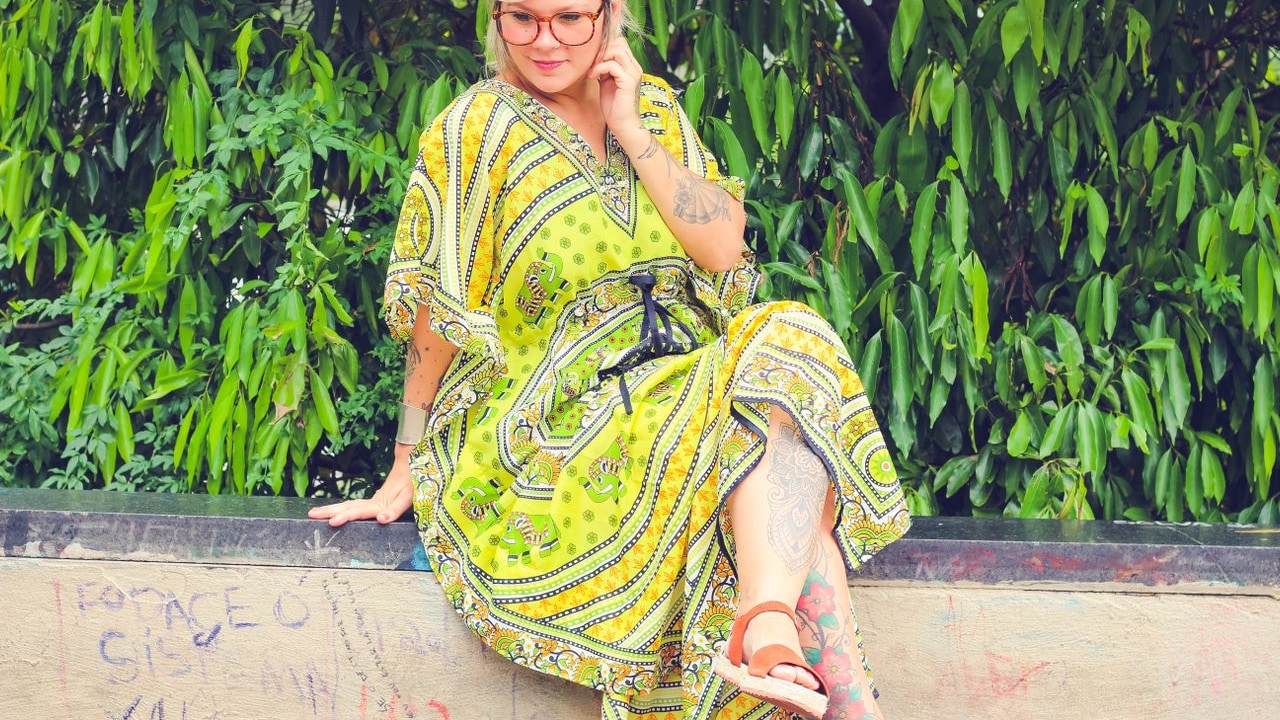
Easy tips to style a printed kaftan without looking overdressed
Photo Credit: Pexels
The solution is not to avoid prints or strip the look of personality. It is simply to give the outfit some breathing room. A printed kaftan should remain the hero, while every other element plays a supporting role.
Also Read: Breathable Kaftans Under 1500 For Summer Heatwaves
Whether the plan involves brunch, a family gathering, a work-from-café afternoon or a seaside holiday, the following ideas will help create a look that feels expressive without becoming visually crowded.
Simple Styling Rules For A Balanced Kaftan Look
Let The Kaftan Take Centre Stage
A printed kaftan already carries enough personality to lead an outfit. Treating it as the main attraction makes every other styling decision easier. Instead of searching for pieces that compete with the pattern, choose items that quietly support it.
Start by observing the print. A tunic covered in bold florals, contrasting borders or large motifs rarely needs extra drama. Pair it with plain trousers, understated footwear and minimal jewellery. This allows the eye to appreciate the kaftan rather than jump from one detail to another.
The same principle works with softer prints. Even a delicate block print can look cluttered when combined with several decorative elements. Simplicity does not mean dullness; it creates focus.
Think of the outfit like a stage performance. The kaftan holds the spotlight, while the accessories manage the lighting. A calm background helps the star shine brighter. Once this idea becomes the starting point, styling a printed tunic feels less like solving a puzzle and more like arranging a well-composed picture.
Choose Solid-Coloured Bottoms
Printed kaftan tunics look most balanced with solid-coloured bottoms. Plain trousers, leggings, palazzos or straight-fit pants create a clean visual break beneath the pattern. They also make the tunic appear more refined.
Neutral shades such as black, ivory, beige, tan and charcoal work with almost any print. However, neutrals are not the only option. A colour taken directly from the kaftan can create a coordinated look without adding more noise. For example, a blue-and-rust tunic may pair beautifully with plain rust trousers or deep navy pants.
The fit matters too. A wide, flowing kaftan worn with equally voluminous bottoms can look heavy. Straight trousers or slim cigarette pants often provide better structure. A shorter kaftan may work with relaxed palazzos, provided the fabric and colour remain simple.
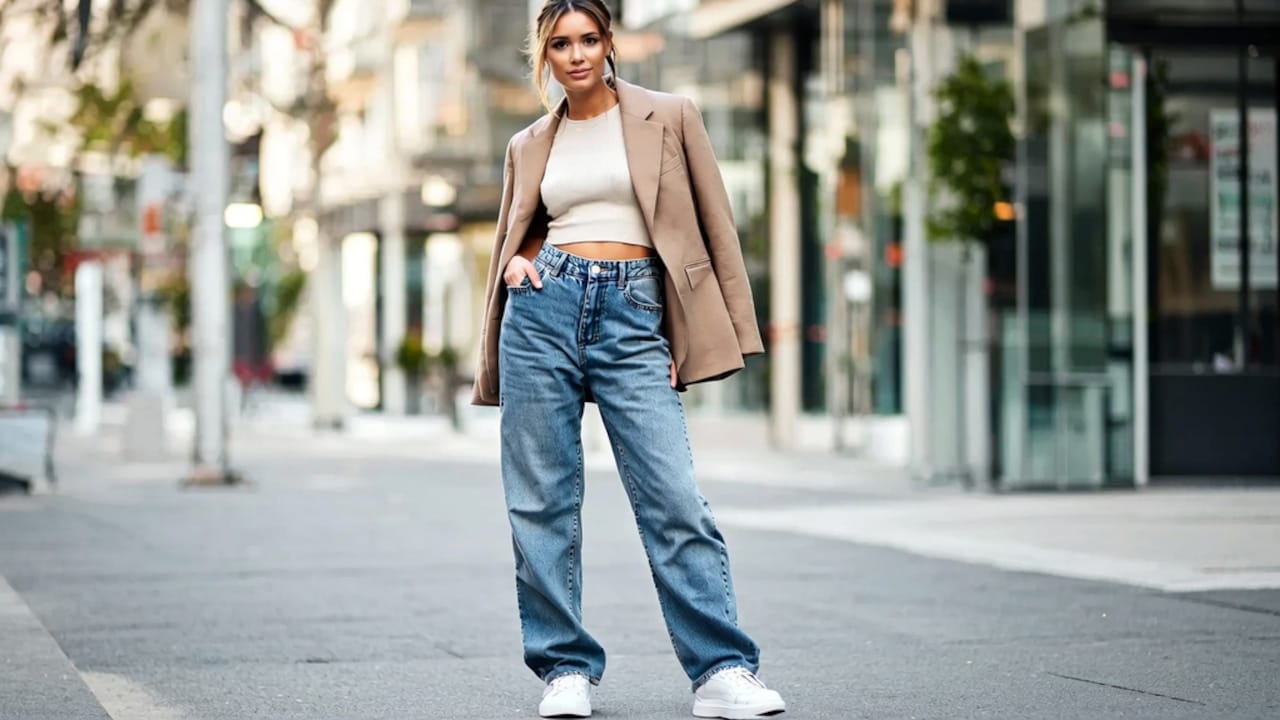
Avoid bottoms with embroidery, contrasting panels or loud textures when the tunic already has a strong print. Too many decorative surfaces can make the outfit feel busy. A solid base keeps the look grounded and lets the upper half retain its charm without overwhelming the frame.
Pick One Colour From The Print
Matching every accessory to every colour in a kaftan can quickly create chaos. A better approach involves selecting one shade from the print and repeating it subtly.
Suppose the tunic features coral flowers, green leaves and touches of mustard. Choose just one of those colours for the handbag, footwear or earrings. A coral sling bag or muted green flats would connect the outfit without making it look overly coordinated.
The chosen colour does not need to match perfectly. Slightly lighter or deeper tones often look more natural. Exact matching can sometimes feel too planned, especially when several accessories use the same shade.
This technique also helps when the kaftan includes unusual colour combinations. Rather than wondering whether everything belongs together, simply identify the quietest or most flattering tone in the design. Use that as the styling anchor.
For a daytime outfit, pick a softer shade from the print. For an evening look, choose one of the deeper tones. The result feels considered but not forced, much like a room where the cushions echo the curtains without copying them exactly.
Keep Jewellery Simple And Intentional
Jewellery can transform a printed kaftan, but restraint makes all the difference. Large earrings, stacked bangles, a heavy necklace and multiple rings may each look lovely, yet together they can compete with the tunic.
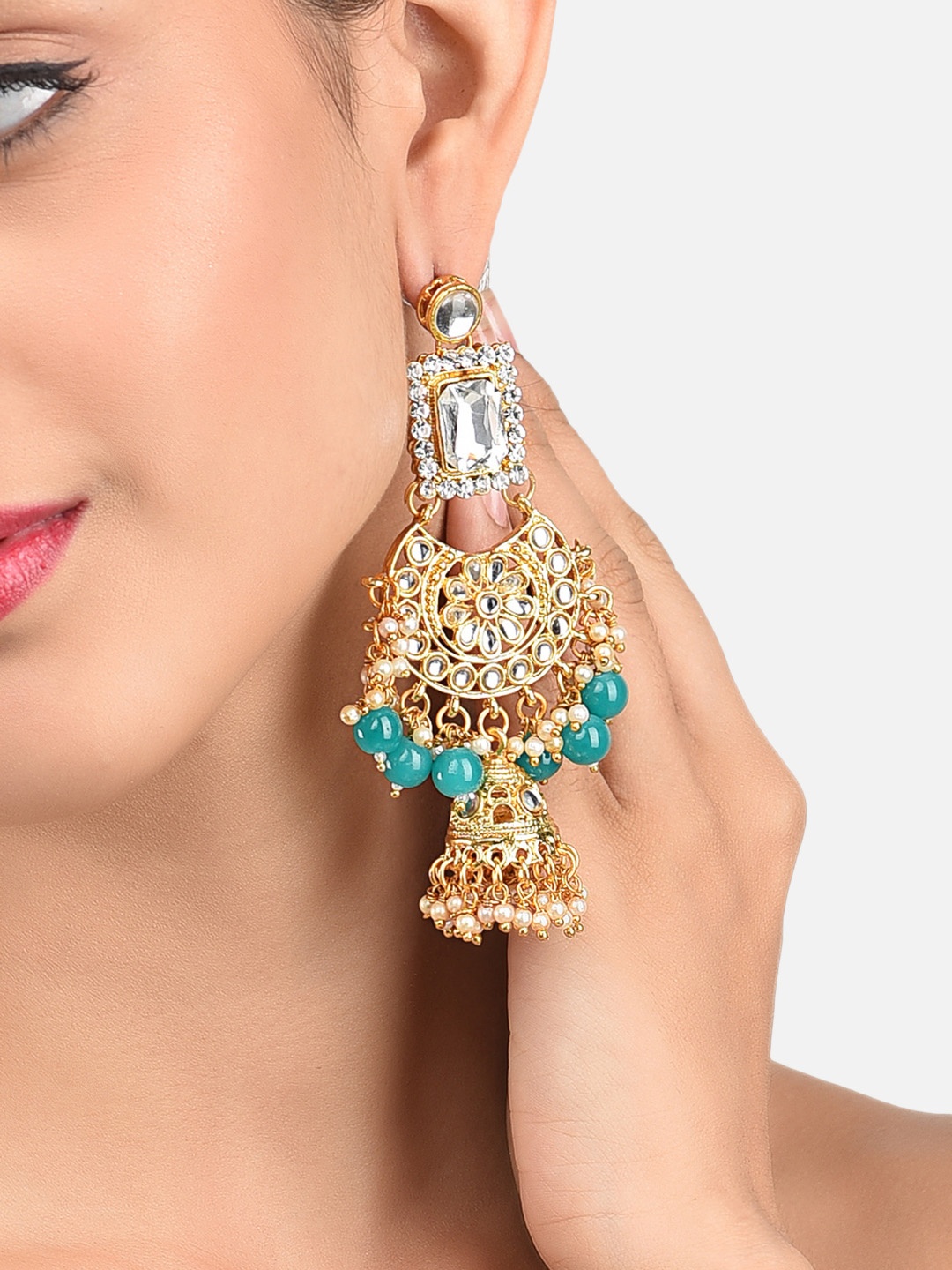
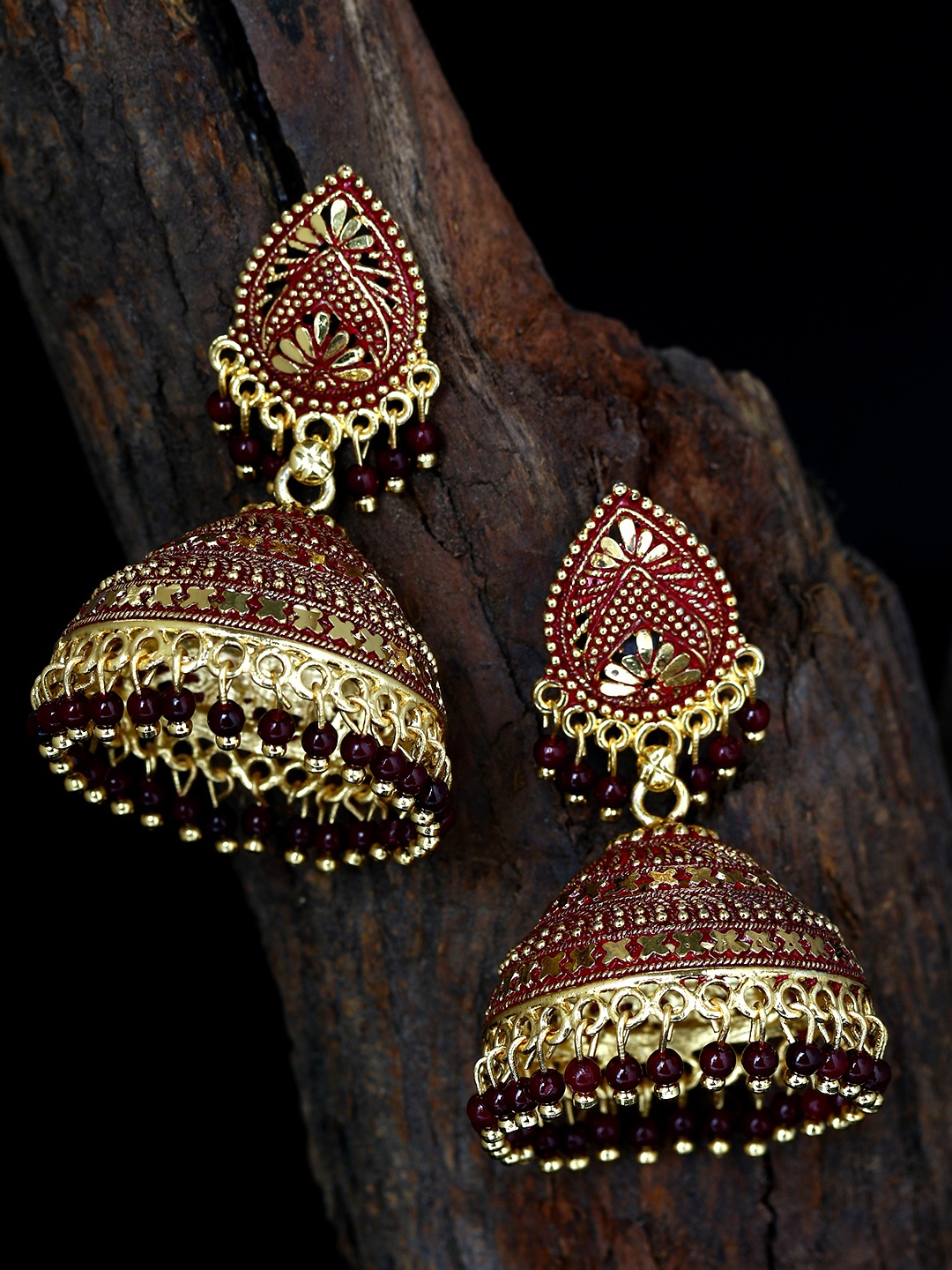
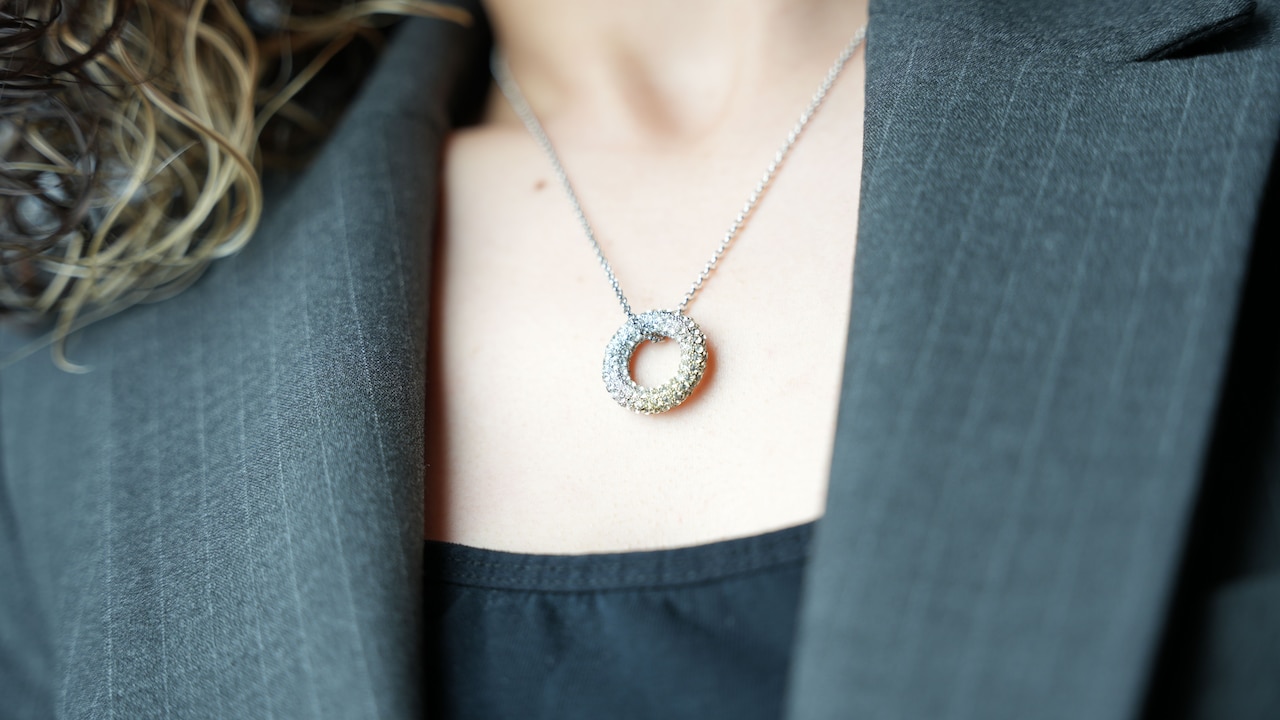
Choose one focal piece. A pair of elegant jhumkas can frame the face, while the neckline remains bare. Alternatively, a sleek pendant may work well with small studs. A single cuff or a few slim bangles can add interest without creating unnecessary sparkle.
The neckline of the kaftan should guide the choice. A heavily printed or embellished neckline usually needs no necklace. A simple V-neck may welcome a delicate chain. High necklines often look better with earrings alone.
Metal tones also influence the mood. Oxidised silver pairs beautifully with earthy prints, while gold-toned jewellery complements warm florals and festive colours. Pearls soften bold patterns and add polish without looking loud.
Before leaving the house, remove one accessory if the outfit feels crowded. That small edit often improves the whole look. Printed clothing already tells a story; jewellery should add punctuation, not another chapter.
Wear Neutral Footwear
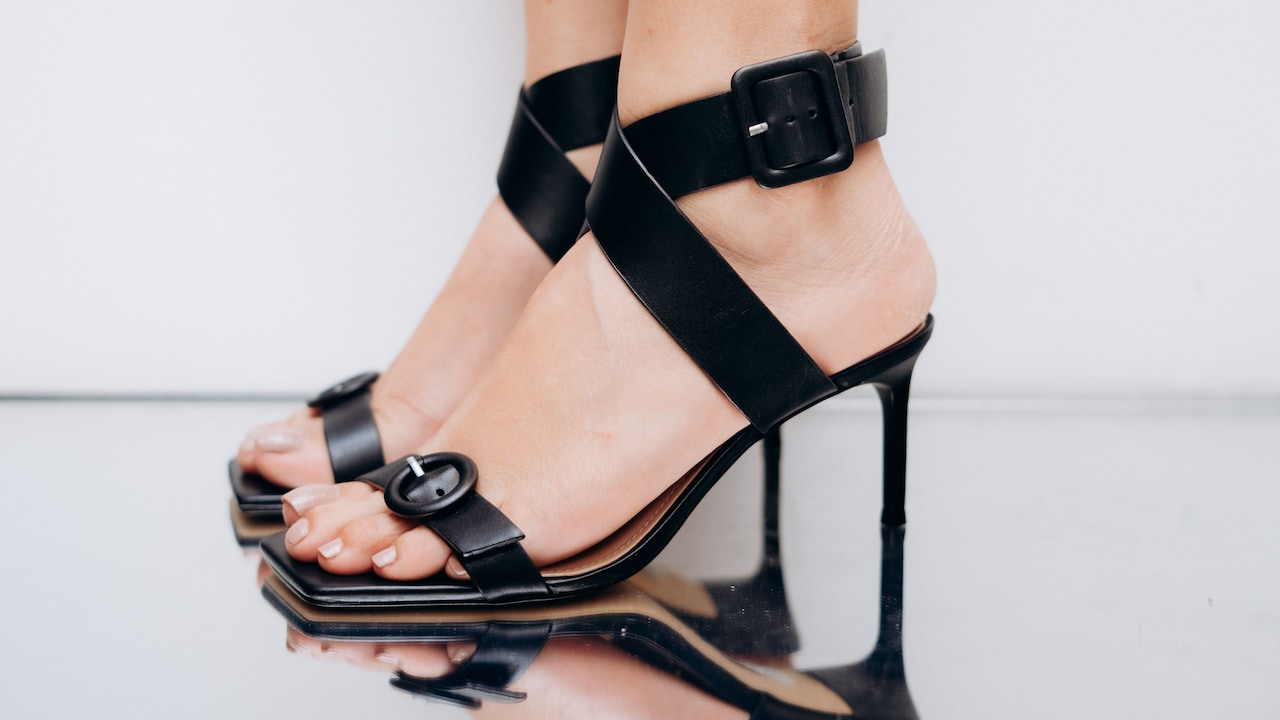
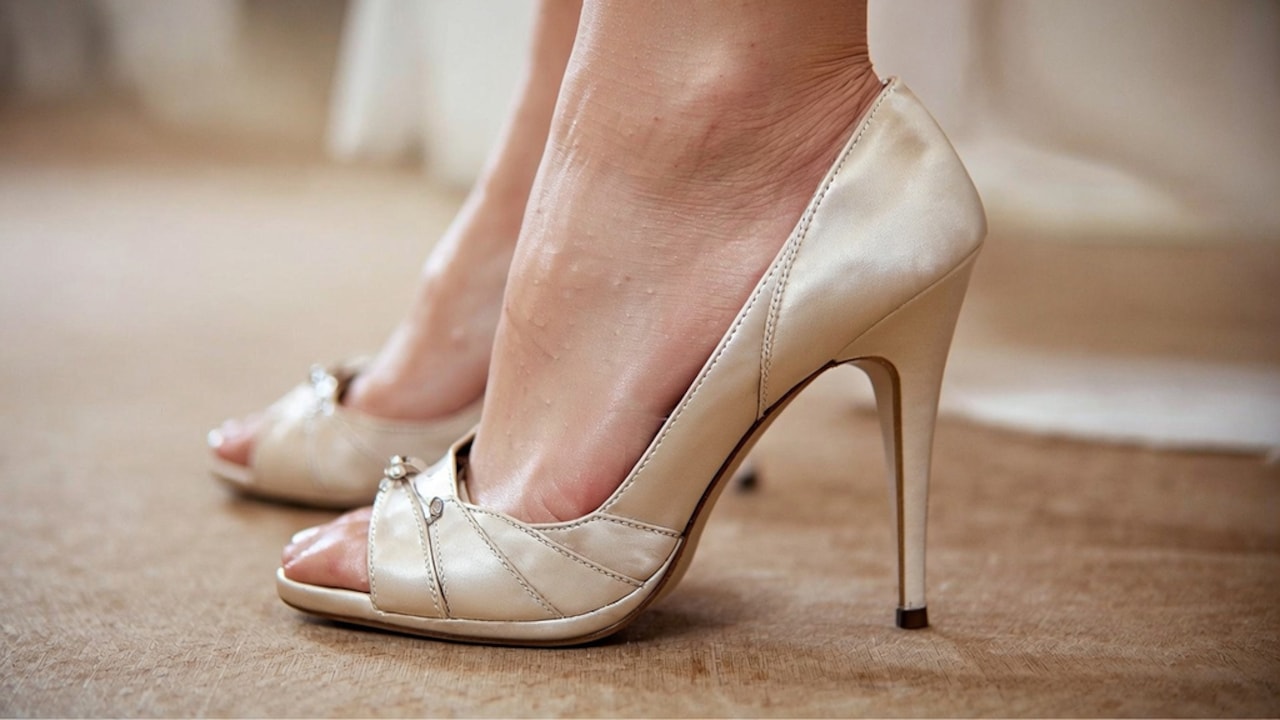
Footwear occupies less visual space than the kaftan, but it still affects the overall balance. Neutral shoes help the print remain the focus while keeping the outfit elegant.
Tan sandals, nude flats, black mules, ivory slip-ons and metallic kolhapuris work with a wide range of printed tunics. They offer style without introducing another strong colour or pattern. For casual days, clean white trainers can also give a printed kaftan a fresh, modern edge.
Avoid heavily embroidered footwear when the tunic already features intricate motifs. Mirror work, tassels, beads and bright threadwork may create too much visual activity near the lower half. Such footwear works better with a plain kaftan.
Comfort deserves equal attention. Kaftans often suit long lunches, shopping trips, travel days and festive gatherings where standing for hours becomes unavoidable. A pair of comfortable flats can save the mood more effectively than any glamorous heel.
For evening wear, choose simple metallic sandals rather than glitter-covered ones. A quiet gold or silver finish adds polish and catches the light gently. The goal is to complete the outfit, not make the feet compete for applause.
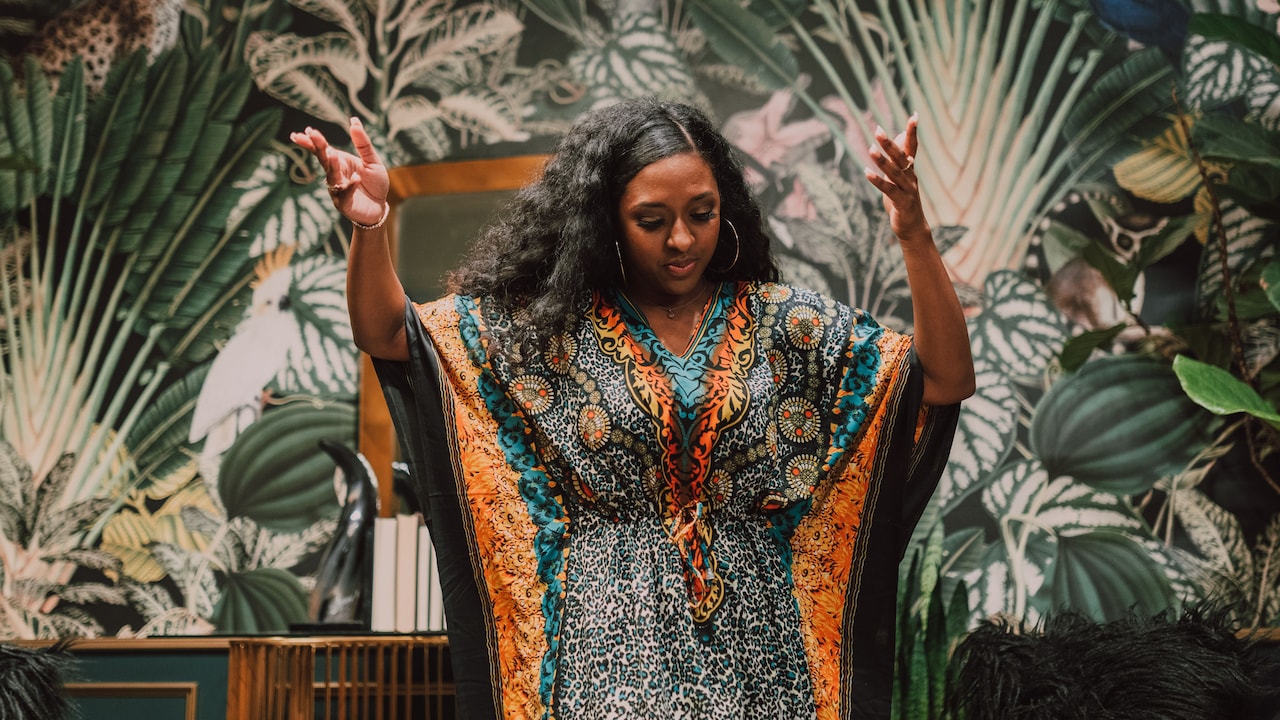
Use neutral footwear to balance the loud prints of your kaftan
Photo Credit: Pexels
Use A Plain Belt For Definition
A flowing kaftan can sometimes hide the shape of the body, especially when the print is large or the fabric has plenty of volume. A plain belt offers definition without adding clutter.
Choose a slim or medium-width belt in tan, black, brown or another solid shade. Position it at the natural waist for a balanced silhouette, or slightly higher for a more relaxed, empire-style effect. The belt should blend with the outfit rather than cut across it too sharply.
Avoid heavily embellished buckles, braided textures or printed belts. The kaftan already provides enough movement and detail. A simple leather-look belt or soft fabric tie creates structure while keeping the outfit calm.
Belting also changes the mood of the tunic. Worn loose, the kaftan feels relaxed and breezy. Cinched at the waist, it looks more polished and suited to dinners or semi-formal gatherings.
Not every kaftan needs a belt. Very lightweight fabrics may bunch awkwardly, while heavily embroidered designs may lose their natural flow. Try the look in front of a full-length mirror. If the belt adds shape without interrupting the print, it has done its job.
Add A Simple Layer
Layering can make a printed kaftan more versatile, especially during cooler evenings, air-conditioned office hours or monsoon travel. The key is to choose a layer that remains visually quiet.
A plain longline shrug, lightweight jacket or structured sleeveless overlay can tone down a busy print. Neutral shades work well, but a solid colour taken from the kaftan can also create a polished combination. Keep the fabric simple and avoid extra embroidery, patches or decorative borders.
A denim jacket gives a shorter kaftan a casual, youthful feel. A cream linen layer can soften dark prints, while a black jacket can sharpen bright colours. The proportions should remain balanced. Cropped jackets suit longer tunics, while long layers often work best with straighter silhouettes.
Dupattas require a little more caution. A plain chiffon or cotton dupatta can complement the outfit, but another print may overcrowd it. When in doubt, choose a solid colour and drape it loosely.
A layer should frame the kaftan, not cover its charm. Think of it as a border around artwork: useful, stylish and never louder than the picture itself.
Carry A Structured, Unfussy Bag
A handbag can either settle a printed outfit or make it look even busier. Structured bags usually bring order to the fluid shape of a kaftan, creating a pleasing contrast.
Choose a simple tote, sling bag, clutch or top-handle bag in a solid colour. Tan, black, cream and deep brown offer reliable options. For a more playful look, select one muted shade from the print, but keep the bag free from extra patterns.
Avoid bags covered in embroidery, sequins, fringe, oversized logos or multicoloured panels. These details may look attractive in isolation, yet they can compete with the tunic. A kaftan with strong florals needs a calm companion, not another conversation starter.
Size matters as well. An oversized slouchy tote paired with a very loose kaftan may make the entire outfit feel shapeless. A medium-sized structured bag creates cleaner lines. For weddings or festive dinners, a plain metallic clutch works better than one loaded with stones.
There is also a practical advantage. A neat bag makes the outfit feel planned even when the kaftan was chosen because it required almost no effort. That is a styling victory worth celebrating.
Keep Hair And Make-Up Balanced
Hair and make-up form part of the overall visual story, especially when the kaftan has a bold print near the face. A balanced beauty look helps prevent the outfit from feeling overdone.
For daytime wear, soft make-up often works best. Choose fresh skin, defined brows, mascara and a lip colour that echoes one shade from the print. A bright lipstick can look beautiful, but keep the eye make-up subtle. Similarly, dramatic eyes pair better with a softer lip.
Hairstyles should match the mood of the tunic. A sleek ponytail or low bun can sharpen a heavily printed kaftan. Loose waves suit softer florals and holiday-inspired designs. When wearing large earrings, tying the hair back prevents too many elements from gathering around the face.
Hair accessories deserve restraint too. A plain clip, narrow headband or simple pin works well. Floral crowns, embellished bands and printed scarves may turn the look into a costume unless the occasion specifically calls for drama.
The aim is not to disappear behind the outfit. It is to look fresh, confident and comfortable. Good styling should highlight the wearer, not only the garment.
Mix Prints Only With Great Care
Mixing prints can look exciting, but it requires a careful eye. When the kaftan already features a strong pattern, introducing another print may make the outfit feel restless.
Those who enjoy print mixing should begin with small, subtle details. A thin striped bag strap or a barely patterned scarf can work if the colours connect with the tunic. The scale of the prints should differ. Large floral motifs may pair with tiny checks, while broad geometric designs may suit delicate dots.
Colour harmony matters more than exact matching. Two prints can coexist when they share one or two common shades. However, adding several unrelated colours makes the outfit look accidental rather than creative.
For everyday wear, skipping the second print remains the safest and often the chicest choice. There is no need to prove every styling skill in one outfit. Fashion should feel enjoyable, not like an entrance examination.
When experimenting, take a quick mirror photograph. The camera often reveals visual clutter that the eye overlooks. If one pattern seems to shout over the other, remove it. A confident edit usually looks more stylish than a complicated combination.
Match The Styling To The Occasion
The same printed kaftan can create several different looks when styled according to the occasion. This approach prevents unnecessary accessories and keeps the outfit purposeful.
For a casual lunch, pair the tunic with straight cotton trousers, flat sandals and small hoops. For work, add structured pants, a neat tote and understated jewellery. A family celebration may call for metallic sandals, elegant earrings and a compact clutch. On holiday, the kaftan can work with relaxed flats, sunglasses and a woven bag, provided the bag remains simple.
The location also matters. A breezy outdoor brunch allows lighter fabrics and playful colours, while an evening event benefits from deeper tones and more polished accessories. Dressing for the setting creates natural limits, which helps prevent over-styling.
Budget-friendly choices can work just as well as expensive ones. A plain pair of ₹900 flats may complement the kaftan more effectively than an elaborate ₹4,000 pair. Style depends on harmony, not price tags.
Before adding anything, ask whether the occasion truly needs it. Often, the most elegant outfits come from knowing when to stop.
Products Related To This Article
1. Yufta Embellished Embroidered Batwing Sleeve Ethnic Cotton Kaftan Top
2. REZZY Floral Print Keyhole Neck Batwing Sleeve Cotton Kaftan Top
3. navyasa by liva Tie and Dye Kimono Sleeve Liva Kaftan Longline Top
4. Cloth Haus India Blue Batwing Sleeve Ethnic Cotton Kaftan Longline Top
5. Cottinfab Women Navy & Off-White Printed Kaftan Top
6. SURUCHIRA Striped Batwing Sleeve Ethnic Cotton Kaftan Top
7. Youthnic Print Batwing Sleeve Ethnic Kaftan Top
Printed kaftan tunics deserve a place in every comfort-loving, colour-friendly wardrobe. They offer ease, movement and instant personality, yet they look their best when the rest of the outfit stays thoughtfully controlled.
Solid bottoms, simple jewellery, neutral footwear and structured bags create a calm foundation. A plain belt or layer can add shape, while balanced hair and make-up keep the focus where it belongs. Even print mixing can work when handled with restraint.
The most important rule remains simple: let one element lead. When the kaftan carries the colour and drama, the accessories should support it rather than compete with it.
A successful outfit does not need to feel empty or overly safe. It simply needs rhythm. Give the print space, choose details with purpose and resist the temptation to add one more shiny thing at the last minute. The result will feel effortless, flattering and full of character, exactly as a kaftan should.
(Disclaimer: This article may include references to or features of products and services made available through affiliate marketing campaigns. NDTV Convergence Limited (“NDTV”) strives to maintain editorial independence while participating in such campaigns. NDTV does not assume responsibility for the performance or claims of any featured products or services.)