Why Your Traditional Wedding Outfits Keep Missing The Mark: Practical Styling Advice
Traditional wedding outfits often fail due to poor fit, uncomfortable fabrics, excessive styling, or trend-chasing. Smart choices in tailoring, colour, and comfort create timeless looks that truly stand out.

How To Perfect Your Traditional Wedding Outfit Without Styling Errors
Weddings are glorious, chaotic affairs filled with music, flowers, emotional aunties, endless photographs, and enough food to feed an entire colony. Naturally, what one wears matters. Traditional outfits carry emotion, heritage, and style in every thread. But despite spending thousands, or sometimes ₹50,000 more than planned, many outfits simply do not deliver. The issue often is not the garment itself. It is the styling. Heavy embroidery may look regal on a showroom mannequin under perfect lighting, but in reality, it can feel like wearing decorative upholstery for twelve hours. Stunning pieces often lose their charm because they ignore movement, climate, proportion, or individuality.
A memorable wedding look is not about copying celebrity trends or drowning in embellishments. It is about balance, personality, and practicality. Looking polished should not mean sacrificing comfort or authenticity. With smarter styling choices, traditional fashion can feel both timeless and refreshingly modern.

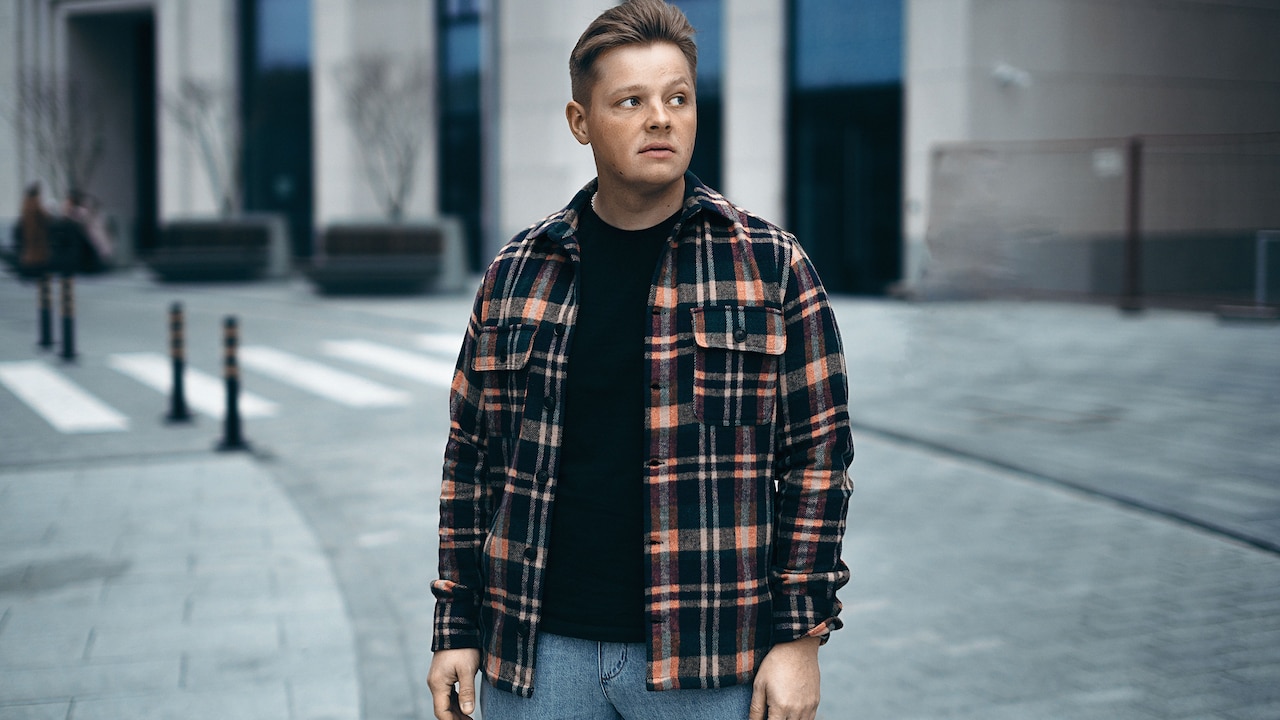
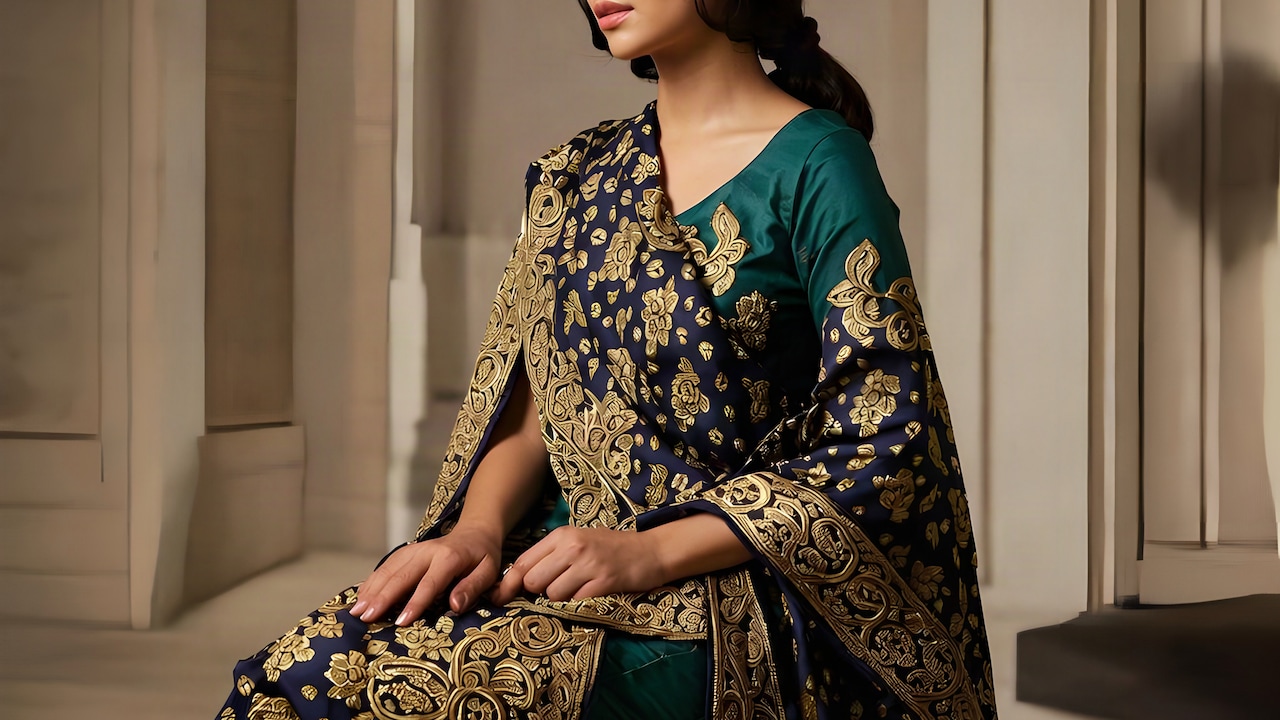
How To Perfect Your Traditional Wedding Outfit Without Styling Errors; Photo Credit: Pexels
Where Traditional Wedding Styling Often Goes Wrong
Choosing Grandeur Over Comfort
One of the most common mistakes is prioritising dramatic impact over wearability. That heavily embellished lehenga or sherwani may appear breathtaking during a trial, but several hours later, discomfort takes centre stage. Stiff fabrics, excessive layers, and unbearable weight can turn joyous celebrations into endurance tests.
Real elegance comes from ease. Outfits should allow comfortable sitting, dancing, and walking without constant adjustments. Breathable silks, lighter brocades, and thoughtfully tailored cuts often outperform overly structured ensembles. Especially in humid wedding seasons, comfort becomes essential.
A beautiful outfit should work with the body, not against it. Nobody looks radiant while secretly calculating when they can finally change clothes. Choosing comfort does not reduce glamour. In fact, confidence shines brighter when discomfort is absent. Traditional attire should enhance celebrations, not become another challenge to survive.
Ignoring Body Shape And Personal Proportion
Fashion trends can be persuasive, but not every silhouette flatters every individual. A style that dazzles on social media may feel entirely wrong in reality. Many people choose cuts based solely on popularity rather than understanding what suits their frame.
Proportion plays a powerful role. Petite frames can feel overwhelmed by oversized borders or voluminous layers, while taller individuals may benefit from bolder detailing. Blouse cuts, drape styles, sleeve lengths, and jacket fits all influence the final appearance.
Tailoring is where magic happens. Custom adjustments transform ordinary garments into flattering statements. Instead of blindly following trends, thoughtful styling celebrates unique features. Weddings are deeply personal occasions, and attire should reflect that individuality.
When outfits align with body shape, they look effortless. The difference between looking dressed up and truly well-dressed often lies in these subtle choices.
Also Read: What Should You Wear To An Indian Wedding? Here Is A Mood Board
Overloading Accessories Without Strategy
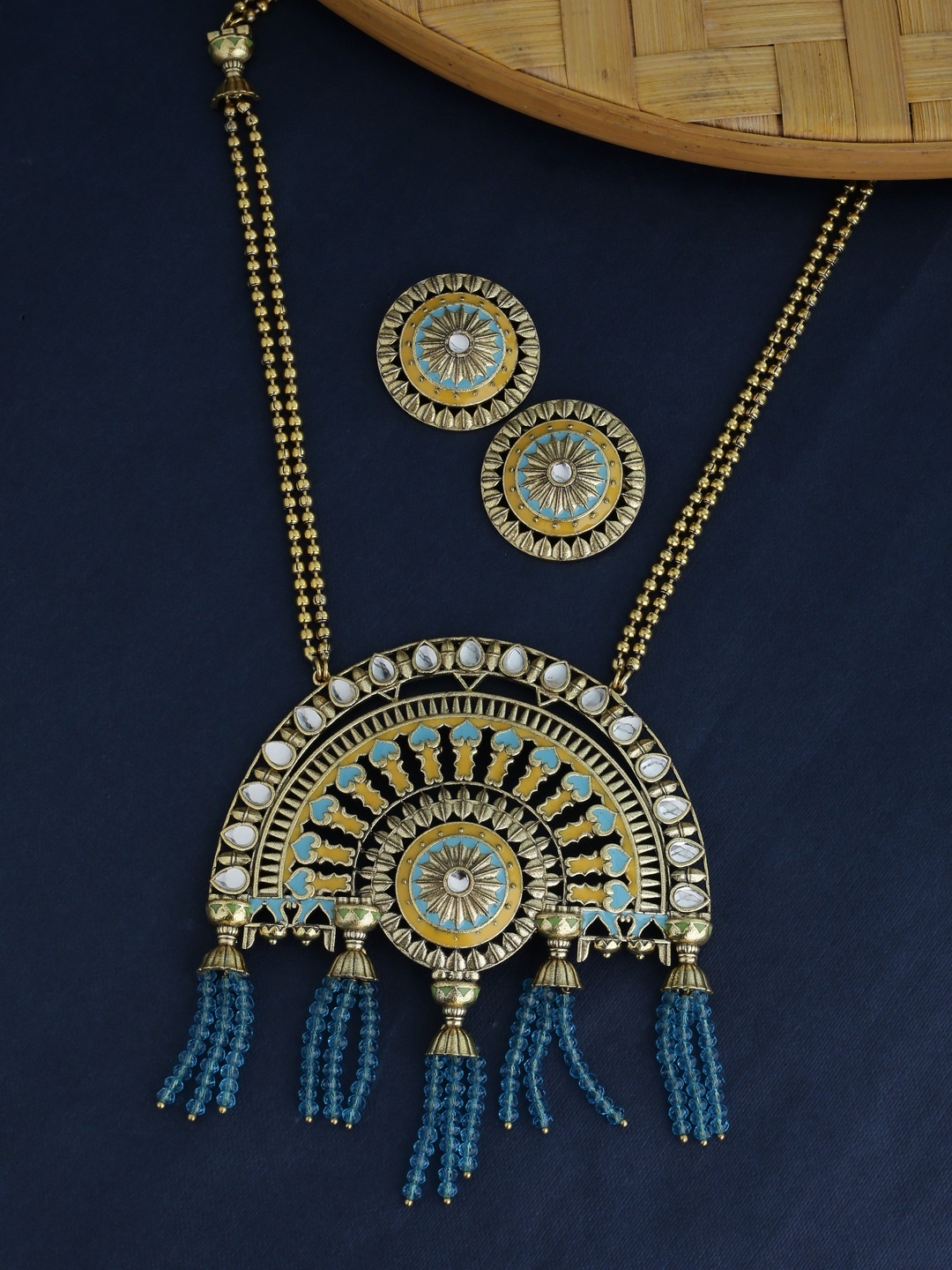
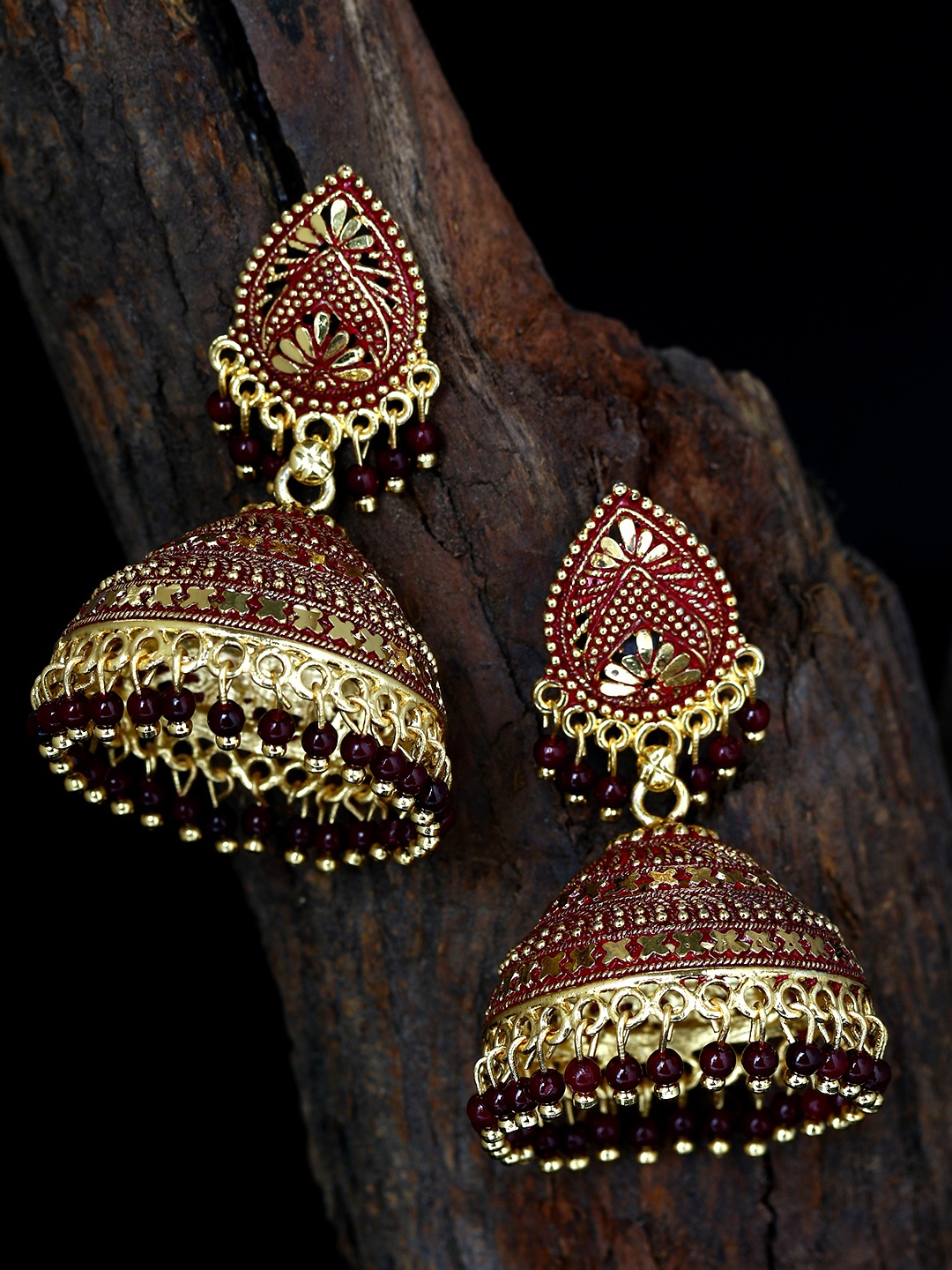
Jewellery often becomes an enthusiastic afterthought. In the excitement of wedding styling, necklaces, earrings, bangles, maang tikkas, and rings sometimes compete for attention all at once. The result can feel visually overwhelming.
Traditional fashion already carries rich detail. Accessories should complement, not dominate. If an outfit features intricate embroidery, lighter jewellery often creates better harmony. Similarly, heavily ornate jewellery pairs best with simpler clothing.
Balance is key. Statement pieces deserve breathing space. Layering everything together can dilute impact rather than enhance it. Weddings are not contests in maximalism, despite what some family members may suggest.
Well-styled accessories create refinement. Thoughtful restraint often appears more luxurious than excess. Sometimes, removing one piece can elevate the entire look far more effectively than adding another glittering layer.
Neglecting The Importance Of Fabric
Fabric influences everything from silhouette to comfort. Yet many decisions focus only on colour or embellishment, ignoring the practical behaviour of the material.
Velvet may look regal, but under bright summer wedding lights, it can quickly feel suffocating. Organza offers a dreamy structure but may lack flexibility for extended wear. Certain synthetic blends photograph beautifully yet trap heat mercilessly.
Choosing season-appropriate fabrics transforms the experience. Cotton silk, georgette, chiffon, and lighter handwoven textiles often offer beauty without physical strain. Good fabric also drapes better, creating more flattering movement.
Traditional wear should not feel disconnected from reality. Selecting textiles that suit both occasion and climate ensures style remains functional. The finest ensemble is one that looks exquisite while allowing natural ease throughout ceremonies.

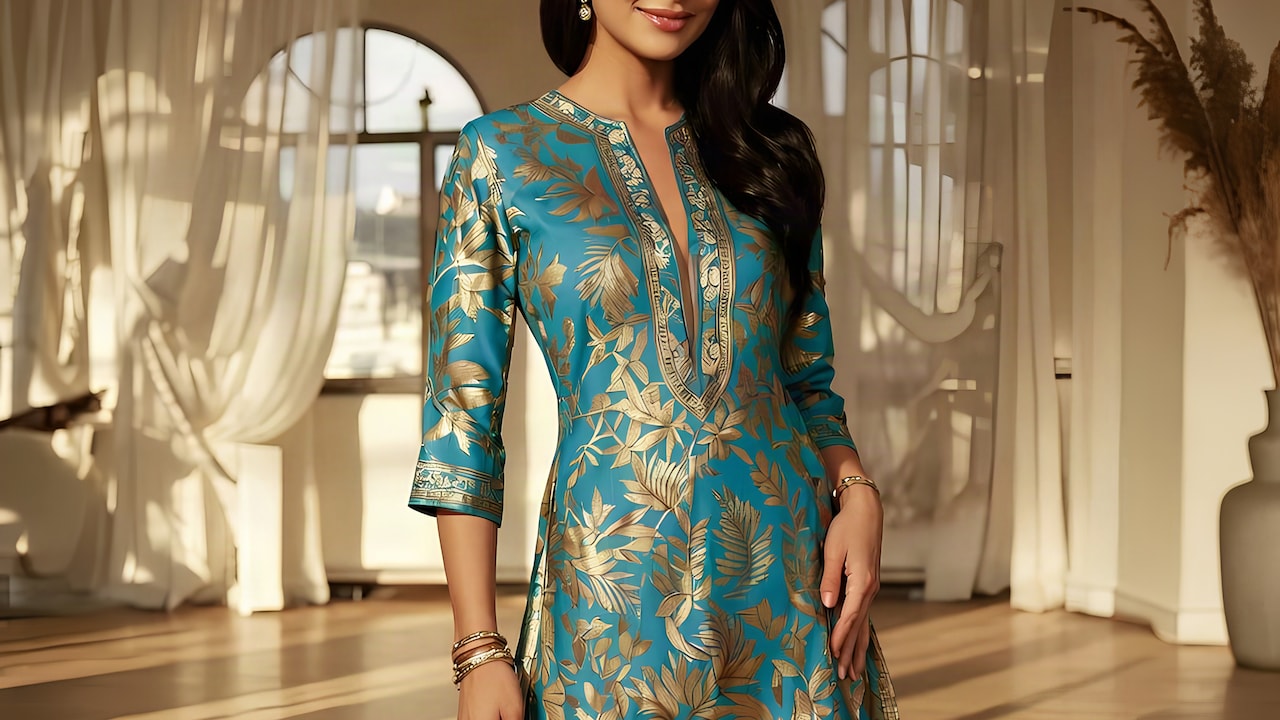
How To Perfect Your Traditional Wedding Outfit Without Styling Errors; Photo Credit: Pexels
Following Trends Too Blindly
Fashion trends change rapidly, but weddings live forever in photographs. Choosing outfits purely because they are fashionable can sometimes lead to regret once the trend fades.
That neon experimental blouse or excessively contemporary fusion drape may seem exciting today, but timelessness matters. Traditional style thrives when modern influences enhance rather than overpower heritage.
Personal taste should guide trend adaptation. Borrowing fashionable elements works best when balanced with classic foundations. Ancestral weaves, elegant embroidery, and enduring colour palettes often age beautifully.
Weddings are emotional milestones, not runway experiments. Outfits should feel relevant yet rooted. Blindly chasing trends risks losing authenticity, leaving ensembles that feel dated rather than distinguished.
True style is not about wearing what everyone else is wearing. It is about making choices that remain beautiful long after trends disappear.
Misjudging Colour Choices
Colour can elevate or completely undermine an outfit. Many people choose shades based on popularity without considering skin tone, event timing, or setting.
Certain colours may wash out under bright daylight, while others appear too harsh for intimate ceremonies. Jewel tones, earthy hues, pastels, and classic festive shades all carry different moods.
Understanding undertones matters. Rich maroons, emerald greens, deep blues, and warm golds often offer versatility. Meanwhile, overly trendy shades may not always translate well in photographs or natural settings.
Coordinating with venue décor and ceremony style also makes a difference. Colour should feel intentional, not accidental. Weddings involve endless photography, and poor colour decisions become permanently documented.
The right shade can bring vibrancy, sophistication, and confidence. The wrong one can leave even expensive attire feeling strangely off-balance.

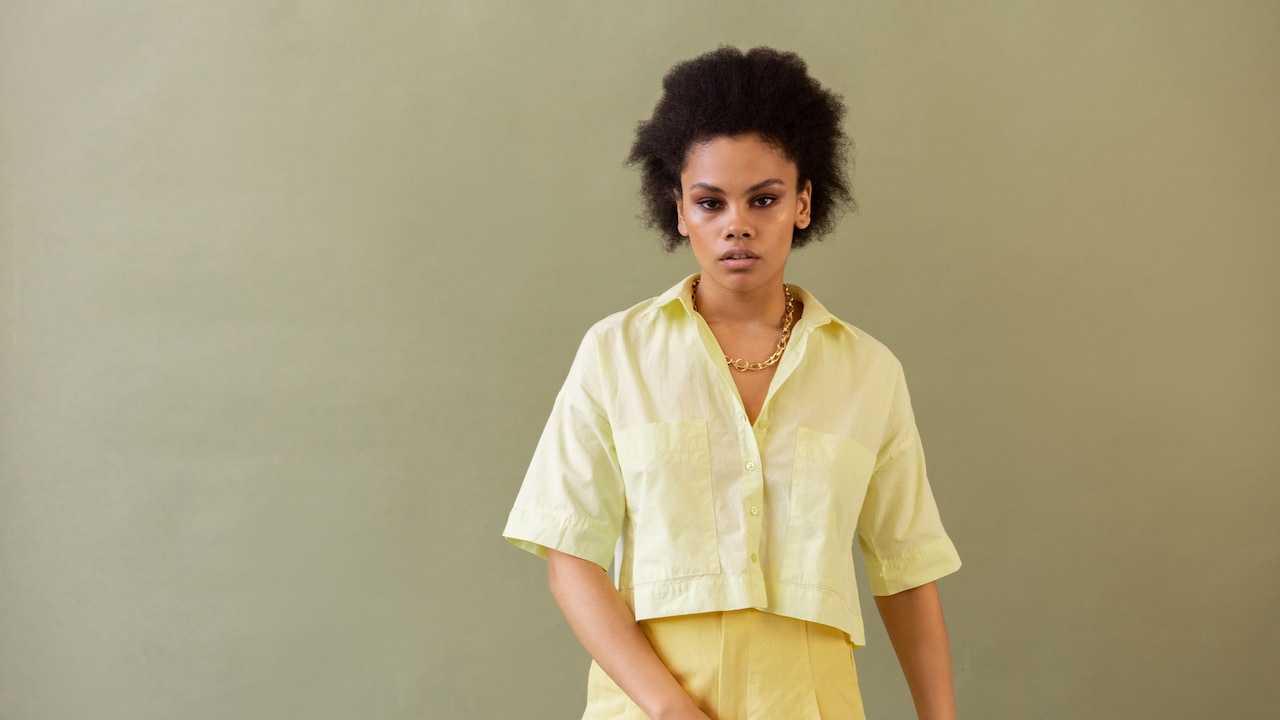
How To Perfect Your Traditional Wedding Outfit Without Styling Errors; Photo Credit: Pexels
Poor Fit Destroys Expensive Fashion
Even the most luxurious ensemble can fail if the fit is wrong. Too tight, and it feels restrictive. Too loose, and it loses polish.
Proper tailoring shapes the garment to the wearer, enhancing both comfort and visual impact. Ill-fitted blouses, awkward hemlines, or sagging sherwanis can quietly sabotage an otherwise strong look.
Alterations are essential, not optional. Every stitch should support movement and proportion. Wedding attire deserves precision because even minor fit issues become glaring in person and in photographs.
A well-fitted outfit appears polished, expensive, and intentional. Fit often matters more than embellishment or brand label.
Traditional fashion is craftsmanship, and craftsmanship should include tailoring. Without it, even premium pieces can look surprisingly careless.
Forgetting Footwear Matters
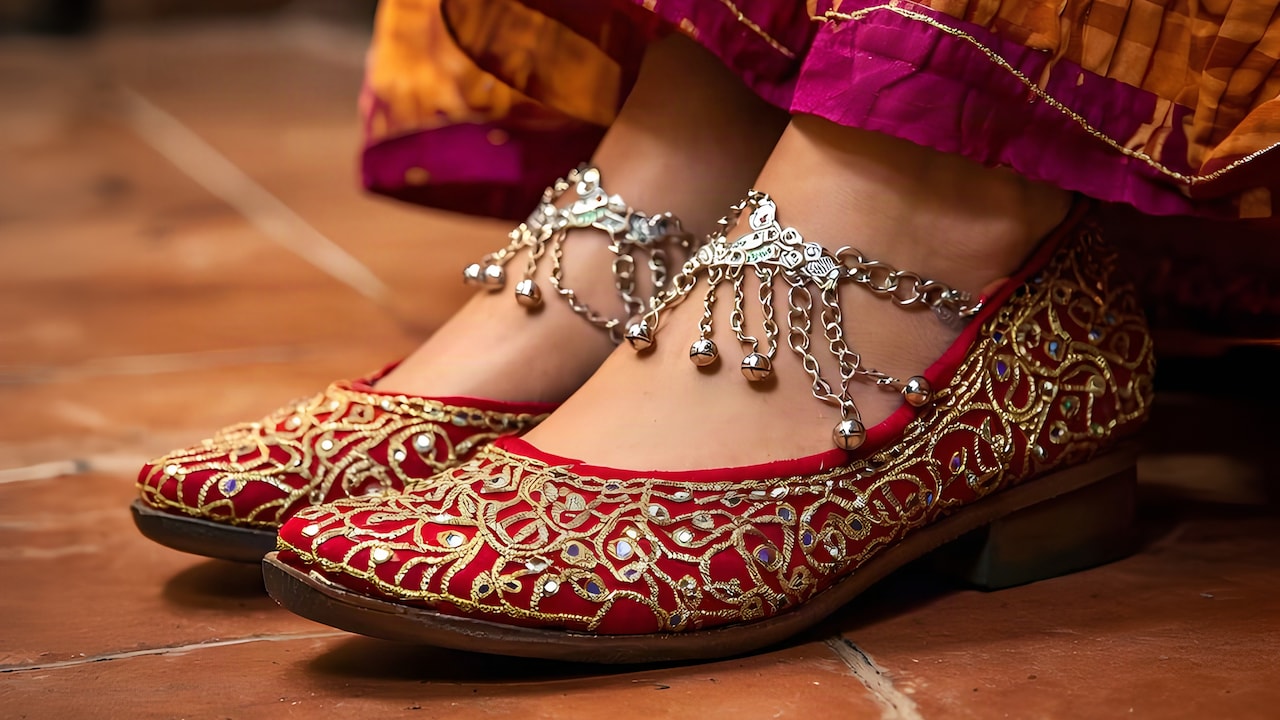
Footwear frequently receives minimal attention until discomfort strikes halfway through the event. Beautiful but painful shoes can ruin posture, movement, and mood.
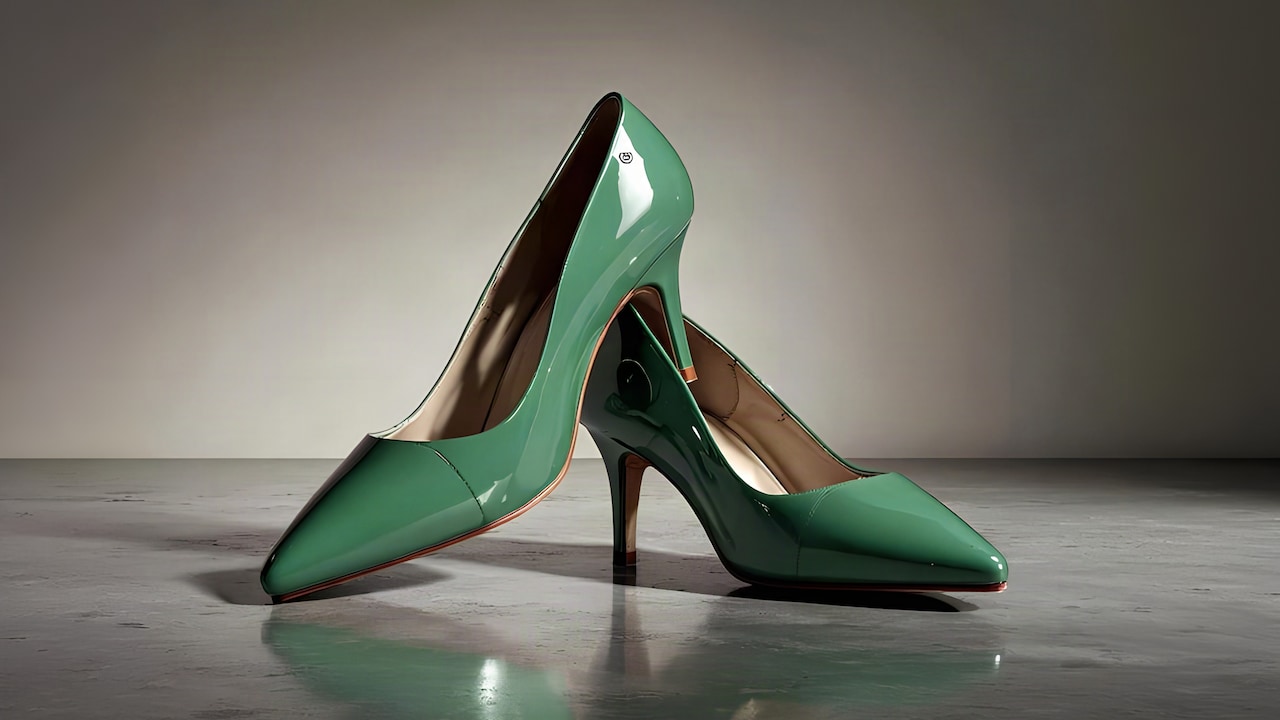
Traditional outfits require supportive footwear that balances style with practicality. Embellished juttis, block heels, or cushioned sandals often outperform towering stilettos or rigid formal shoes.
Wedding celebrations involve long hours, uneven surfaces, stairs, and dancing. Choosing purely decorative footwear invites unnecessary suffering.
Shoes also influence drape and fit. Incorrect heel height can alter garment length, affecting the entire silhouette. Practical footwear choices support confidence and elegance.
Nobody remembers uncomfortable shoes fondly. Investing in stylish, wearable options ensures celebrations remain enjoyable from baraat to bidaai.
Overlooking Hair And Makeup Harmony
An exceptional outfit can lose impact if hair and makeup feel disconnected. Styling should create cohesion, not visual confusion.
Heavy attire paired with equally dramatic makeup can appear excessive. Meanwhile, underwhelming beauty choices may fail to complement intricate garments. Balance matters here, too.
Hairstyles should support the neckline, jewellery, and comfort. Makeup should enhance natural features while suiting lighting conditions and ceremony timing.
Traditional styling thrives when every element feels interconnected. The outfit, jewellery, beauty, and accessories should tell one harmonious story.
Thoughtful coordination prevents the common mistake of looking pieced together rather than polished. True elegance lies in seamless presentation.
Forgetting Confidence Is The Best Styling Tool
The most overlooked styling secret is confidence. Even stunning garments can appear awkward without comfort and self-assurance.
Wearing something solely because it is expensive, trendy, or socially approved often creates visible discomfort. Personal connection to an outfit matters immensely.
Traditional fashion should feel celebratory and empowering. The right ensemble reflects personality while respecting the occasion. When someone feels authentic, their style naturally becomes more compelling.
Confidence transforms clothing into presence. It is what makes simple outfits unforgettable and extravagant outfits believable.
Ultimately, wedding fashion succeeds when it feels like an extension of the wearer, not a disguise crafted for approval.
Products Related To This Article
1. HERE&NOW Women Floral Embroidered Regular Sequinned Kurta with Palazzos & With Dupatta
2. Ahhaaaa Boys Ethnic Motifs Embroidered Sequinned Raw Silk Kurta With Trouser And Jacket
3. KALINI Girls Printed Ready to Wear Lehenga & Blouse With Dupatta
4. KALINI Women Ethnic Motifs Embroidered Panelled Thread Work Pure Cotton Kurta with Trousers & With Dupatta
5. Anouk Floral Printed Nehru Jackets
6. Aj DEZInES Boys Ethnic Motifs Printed Regular Pure Cotton Kurta with Dhoti Pants
7. Nirmohi Fashion Embellished Zari Organza Heavy Work Saree
Traditional wedding fashion often misses the mark, not because of poor taste, but because of impractical choices, trend obsession, and overlooked details. True style lies in thoughtful balance, between heritage and modernity, glamour and comfort, elegance and individuality.
The perfect wedding outfit should not merely impress others for a fleeting moment. It should support celebration, movement, and confidence throughout unforgettable experiences.
When fabric, fit, colour, accessories, and personal comfort work together, traditional attire becomes more than fashion. It becomes an authentic expression of joy, culture, and timeless style.
In the end, the finest-dressed person is rarely the one wearing the heaviest embroidery. It is the one who looks comfortable, confident, and unmistakably themselves.
(Disclaimer: This article may include references to or features of products and services made available through affiliate marketing campaigns. NDTV Convergence Limited (“NDTV”) strives to maintain editorial independence while participating in such campaigns. NDTV does not assume responsibility for the performance or claims of any featured products or services.)