Leggings Turning Transparent After Wash? Better Bottomwear Fabrics For Daily Wear
Tired of leggings turning see-through after a few washes? Discover durable, comfortable bottomwear fabrics that offer better coverage, longer wear, and everyday style without compromising confidence.

Leggings Turning Transparent After Wash? Better Bottomwear Fabrics For Daily Wear
Leggings have become a staple in modern wardrobes, loved for their comfort, stretch, and versatility. Whether paired with kurtas for grocery runs, oversized T-shirts for travel, or gym tops for morning yoga, they often serve as the unsung hero of everyday dressing. Yet many shoppers know the disappointment of investing ₹500 or even ₹1,500 in leggings that lose their opacity after just a handful of washes. Suddenly, what seemed like a bargain becomes a regrettable purchase. This common issue often stems from poor fabric composition, low thread count, or weak elastic fibres. Fast fashion may offer tempting prices, but repeated washing can expose the hidden compromises in quality. Transparency, sagging knees, and thinning seams can quickly turn daily essentials into wardrobe disasters.

Leggings Turning Transparent After Wash? Better Bottomwear Fabrics For Daily Wear
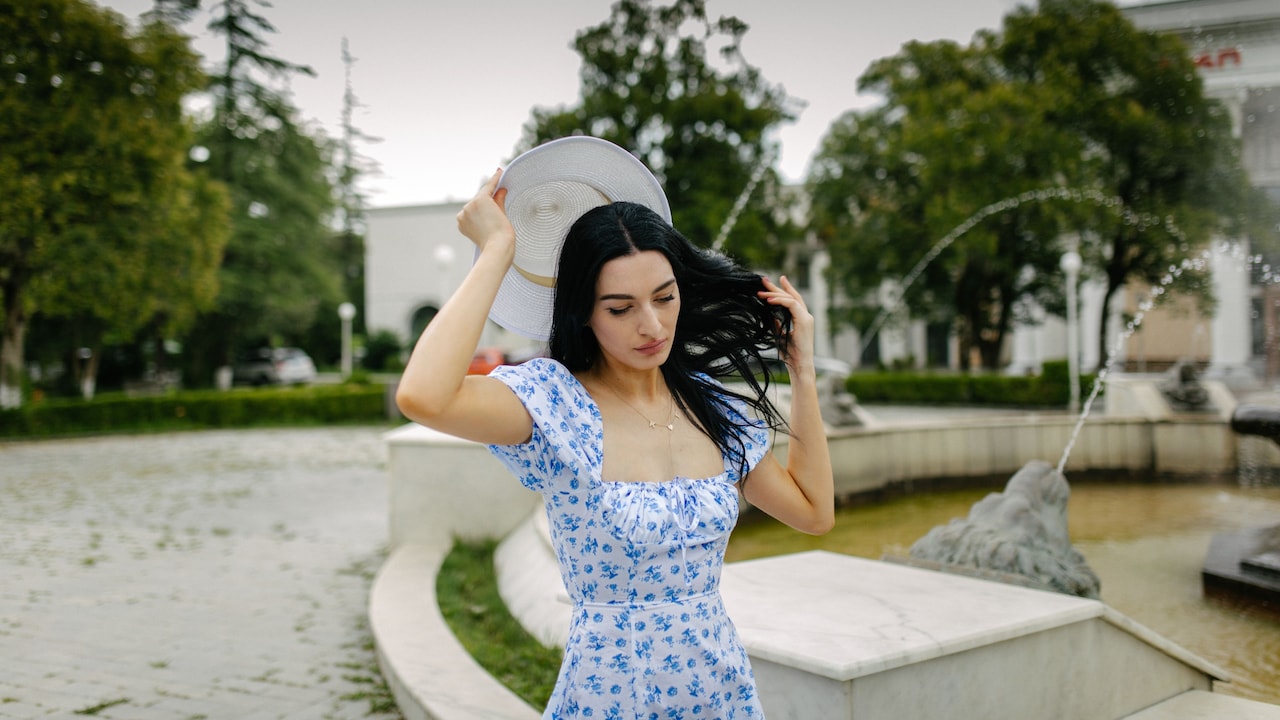
Photo Credit: Pexels
Thankfully, not all bottomwear fabrics suffer the same fate. Some materials hold their structure beautifully, offering comfort without sacrificing modesty. Choosing smarter fabrics can make all the difference between constantly replacing worn-out pieces and enjoying dependable style. Understanding these alternatives empowers shoppers to prioritise durability, comfort, and value in every purchase.
Everyday Fabrics That Outlast Flimsy Leggings
Why Cheap Leggings Often Fail After Washing
Many budget leggings look impressive on the rack. Soft texture, trendy colours, and attractive pricing can make them hard to resist. However, appearances often deceive. Lower-cost options frequently rely on thin polyester blends with excessive synthetic stretch and minimal structural integrity. After repeated washing, these fibres weaken, leading to fabric thinning and transparency.
Heat from improper washing or drying worsens the issue. Elastic fibres such as spandex may degrade faster when exposed to harsh detergents or direct sunlight. As elasticity fades, the material stretches unevenly, making previously opaque leggings alarmingly see-through.
Poor stitching also contributes to a shorter lifespan. Seams may loosen, fabric may pill, and shape retention often suffers. While a ₹399 pair may seem economical, frequent replacement quickly adds up.
Shoppers often underestimate the long-term cost of poor-quality garments. Spending slightly more on superior fabric blends can deliver far better value. In clothing, as in many things, cheaper rarely means better.
Cotton Blends Offer Breathability And Reliability
Cotton-blend bottomwear remains one of the most practical choices for daily use. Combining natural cotton fibres with a touch of elastane or polyester creates a balance of softness, flexibility, and durability.
Cotton allows airflow, which proves especially useful during humid summers and long commutes. Unlike overly synthetic fabrics, it feels gentler on the skin and reduces discomfort caused by trapped heat. Better-quality cotton leggings or jeggings also maintain opacity longer due to thicker weaves.
When blended thoughtfully, cotton garments retain enough stretch without losing shape after washing. They also resist odour better than many synthetic-heavy alternatives.
For everyday errands, office wear, or casual home use, cotton-rich fabrics strike an ideal balance. They may cost slightly more upfront, often ranging from ₹800 to ₹2,000, but their longevity makes them worthwhile.
Reliable, breathable, and versatile, cotton blends remain a wardrobe essential that prioritises both comfort and dignity.
Ponte Knit Delivers Structure Without Sacrificing Comfort
Ponte knit deserves far more attention than it often receives. This double-knit fabric combines rayon, polyester, and spandex into a thicker material that offers excellent coverage and resilience.
Unlike standard leggings, ponte knit feels more substantial. It hugs the body comfortably while maintaining shape, making it ideal for workwear, travel, or elevated casual outfits. The thicker composition significantly reduces transparency risks, even after multiple washes.
Ponte trousers, fitted pants, and structured leggings often provide a polished appearance while feeling almost as comfortable as loungewear. This makes them particularly appealing for those seeking style without discomfort.
Although ponte garments may carry higher price tags, often starting around ₹1,500, they usually outlast cheaper alternatives by years rather than months.
For anyone tired of flimsy leggings failing unexpectedly, ponte knit offers a refreshing upgrade that combines practicality with sophistication.
Also Read: Leggings Turning Transparent? Here Is The Fabric Stretch Test You Should Know
Bamboo Fabric Brings Softness With Sustainability
Bamboo fabric has steadily gained popularity, and for good reason. Known for its silky texture and impressive breathability, bamboo-based bottomwear provides comfort that feels luxurious without being impractical.
Its moisture-wicking properties make it especially suitable for warmer climates and extended wear. Bamboo fabric also tends to resist odour and bacterial growth more effectively than conventional synthetics.
Well-made bamboo leggings generally maintain their structure better over time, provided they contain quality blends. They feel softer than cotton while often proving more durable than low-grade polyester.
Environmental consciousness also appeals to many modern shoppers. Bamboo production often requires fewer resources compared to some traditional textiles.
While bamboo garments can be pricier, often between ₹1,500 and ₹3,000, they offer a compelling combination of comfort, style, and sustainability.
For those seeking softness without sacrificing performance, bamboo presents an excellent modern solution.
Modal Fabric Creates Everyday Luxury
Modal fabric, derived from beech tree pulp, has carved a niche for itself in premium casualwear. Its smooth finish, excellent drape, and resistance to shrinkage make it highly appealing for daily wear.
Modal feels exceptionally soft against the skin, often outperforming cotton in terms of smoothness. It also retains colour vibrancy well, meaning black leggings stay black rather than fading into tired grey after repeated washing.
Blended modal fabrics often offer better durability than cheaper synthetic options while preserving flexibility. The result is bottomwear that remains flattering, opaque, and comfortable.
For long office days, airport travel, or relaxed evenings, modal garments offer dependable elegance. Prices generally range from ₹1,200 upwards, reflecting their premium appeal.
Those who appreciate comfort with a polished edge may find modal a worthy investment for everyday wardrobes.

Leggings Turning Transparent After Wash? Better Bottomwear Fabrics For Daily Wear
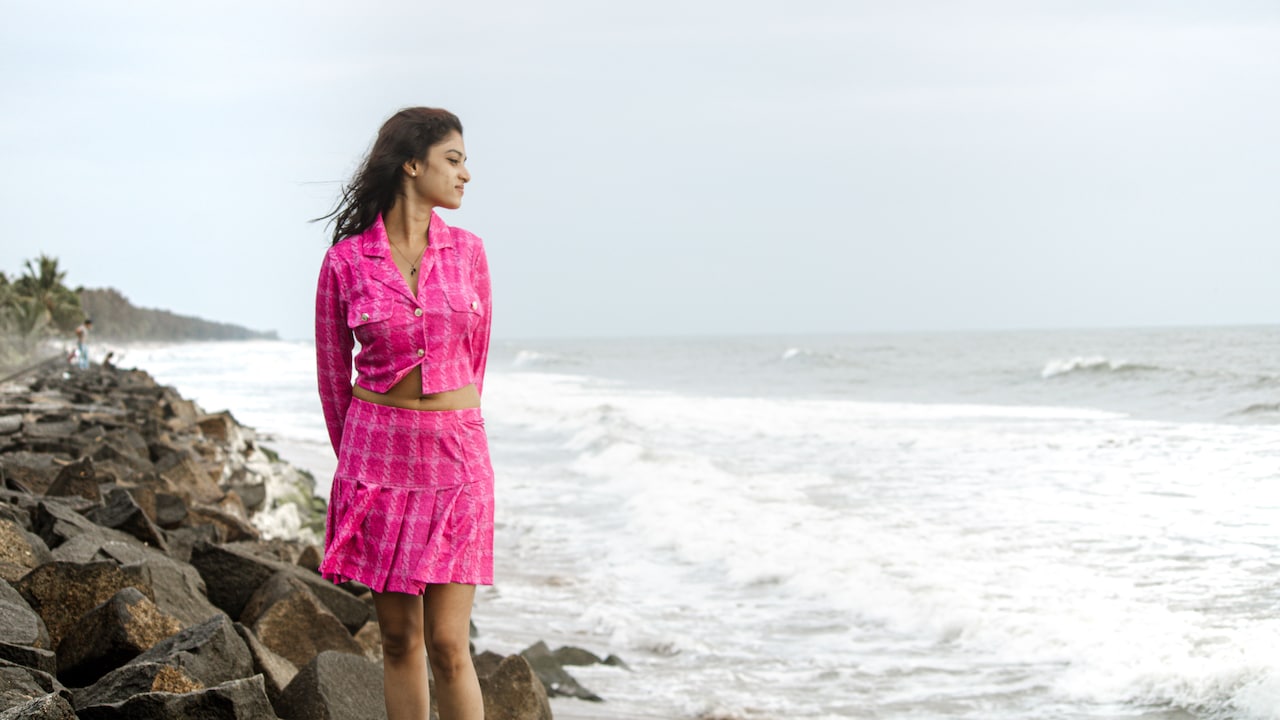
Photo Credit: Pexels
Performance Fabrics Work Best For Active Lifestyles
For fitness enthusiasts or anyone constantly on the move, performance fabrics provide superior support and durability. High-quality nylon-spandex blends or engineered athletic textiles offer moisture control, flexibility, and squat-proof coverage.
Unlike standard fashion leggings, well-designed activewear undergoes stricter testing for opacity and endurance. This makes them more resilient against washing, stretching, and frequent use.
Good performance leggings often feature reinforced waistbands, better stitching, and compression benefits that enhance comfort during workouts.
Though premium sportswear can seem expensive, often costing ₹2,000 to ₹6,000, the investment frequently pays off through extended lifespan and better functionality.
For yoga sessions, brisk walks, or simply busy daily schedules, choosing technical fabrics ensures confidence remains intact.
Linen Blends Provide Cool Comfort In Warmer Weather
Linen may not immediately come to mind for bottomwear, but linen-blend trousers and relaxed pants offer excellent alternatives to synthetic leggings.
Known for breathability and lightweight comfort, linen works beautifully in hot weather. When blended with cotton or viscose, it gains softness while reducing excessive wrinkling.
Linen pants provide modesty, airflow, and effortless style, making them perfect for daily errands or semi-formal occasions. Though they lack the body-hugging fit of leggings, they often offer superior longevity and sophistication.
For those looking to diversify wardrobes beyond clingy basics, linen blends deliver refreshing practicality.
Comfortable, airy, and timeless, linen offers freedom from both heat and transparency concerns.
Denim Jeggings Balance Style And Durability
Denim jeggings bridge the gap between traditional jeans and stretchy leggings. With thicker construction and improved structure, they offer a stylish yet practical option for everyday wear.
Quality denim blends provide opacity, shape retention, and resilience. Unlike thinner leggings, they withstand frequent washing more effectively while maintaining versatility.
Paired easily with kurtis, tunics, or casual tops, denim jeggings remain adaptable across seasons. They also create a more polished look without sacrificing comfort entirely.
Prices vary widely, but investing in reputable brands often results in better long-term satisfaction.
For shoppers wanting dependable stretch with stronger fabric performance, denim jeggings remain a smart choice.
Fabric Care Determines Longevity
Even premium fabrics can deteriorate prematurely without proper care. Washing garments inside out, avoiding excessive heat, and choosing gentle detergents can dramatically improve lifespan.
Harsh machine cycles often weaken fibres faster than expected. Air drying in shade helps preserve elasticity and colour. Overloading washing machines can also strain delicate materials unnecessarily.
Reading care labels may feel tedious, yet it can save considerable money over time. A ₹2,500 pair maintained well may outlast several poorly cared-for, cheaper options.
Smart maintenance transforms good purchases into lasting wardrobe staples.
Shopping Smarter Means Reading Labels Carefully
Fabric labels reveal far more than many realise. Checking fibre percentages, weave density, and brand transparency can prevent disappointing purchases.
Higher cotton, modal, bamboo, or quality synthetic ratios often indicate better performance. Extremely low-cost options with vague descriptions may signal compromised quality.
Trying simple stretch tests in-store can also help. If fabric becomes sheer under tension before purchase, it likely worsens after washing.
Savvy shopping combines style with practical judgement. Choosing wisely protects both budget and confidence.

Leggings Turning Transparent After Wash? Better Bottomwear Fabrics For Daily Wear
Photo Credit: Pexels
Products Related To This Article
1. Max Women Mid Rise Regular Leggings
2. Jockey AW87 Women's Super Combed Cotton Elastane Stretch Leggings with Ultrasoft Waistband
3. Boldfit Gym Leggings for Women Gym Tights for Women Yoga Workout Leggings
4. TRASA Ultra Soft Cotton 4 Way Stretchable Churidar Solid Regular and Plus 20 Colours Leggings
5. Lux Lyra Women Hosiery Regular Leggings
6. BlissClub The Ultimate Leggings Lite, Ankle Length Tights for Women for Gym
7. GO COLORS Soft Cotton Stretch Ankle Length Leggings
Leggings turning transparent after washing represent more than a fashion inconvenience. They reflect the growing importance of understanding fabric quality in an era of quick purchases and fast trends. While cheap options may offer short-term savings, they often create long-term frustration.
Exploring better bottomwear fabrics such as cotton blends, ponte knit, bamboo, modal, performance textiles, linen, and denim alternatives opens the door to greater durability, comfort, and style. Thoughtful choices not only preserve modesty but also reduce waste and improve overall wardrobe satisfaction.
Daily wear should feel effortless, not anxiety-inducing. Investing in better fabrics and proper care ensures bottomwear remains reliable wash after wash. In the end, confidence stitched into quality will always outshine temporary bargains.
(Disclaimer: This article may include references to or features of products and services made available through affiliate marketing campaigns. NDTV Convergence Limited (“NDTV”) strives to maintain editorial independence while participating in such campaigns. NDTV does not assume responsibility for the performance or claims of any featured products or services.)