Why Your Formal Shirts Wrinkle Too Easily: Better Fabric Choices
Formal shirts wrinkle quickly when the fabric choice works against you. Discover which materials, blends, and weaves stay sharper for longer, helping you look polished with less ironing, lower maintenance, and smarter wardrobe decisions.

Why Your Formal Shirts Wrinkle Too Easily: Better Fabric Choices
A sharp formal shirt often feels like armour for the modern professional. Whether it's for boardroom presentations, family celebrations, or important client lunches, a well-pressed shirt sends a clear message. Yet, many people know the frustration of stepping out looking immaculate, only to discover stubborn creases appearing by lunchtime. The problem usually begins long before the shirt reaches the wardrobe. Fabric choice plays a huge role in determining whether a shirt remains smooth or quickly crumples under daily pressure. While many shoppers focus on colour, fit, or brand, fabric often receives little attention. This oversight can lead to spending ₹2,000 or more on shirts that demand endless ironing and still fail to hold their shape. Fortunately, choosing better materials can make all the difference. By understanding how fabrics behave, anyone can build a clothing wardrobe filled with formal shirts that stay fresher for longer, save time, and reduce unnecessary hassle.

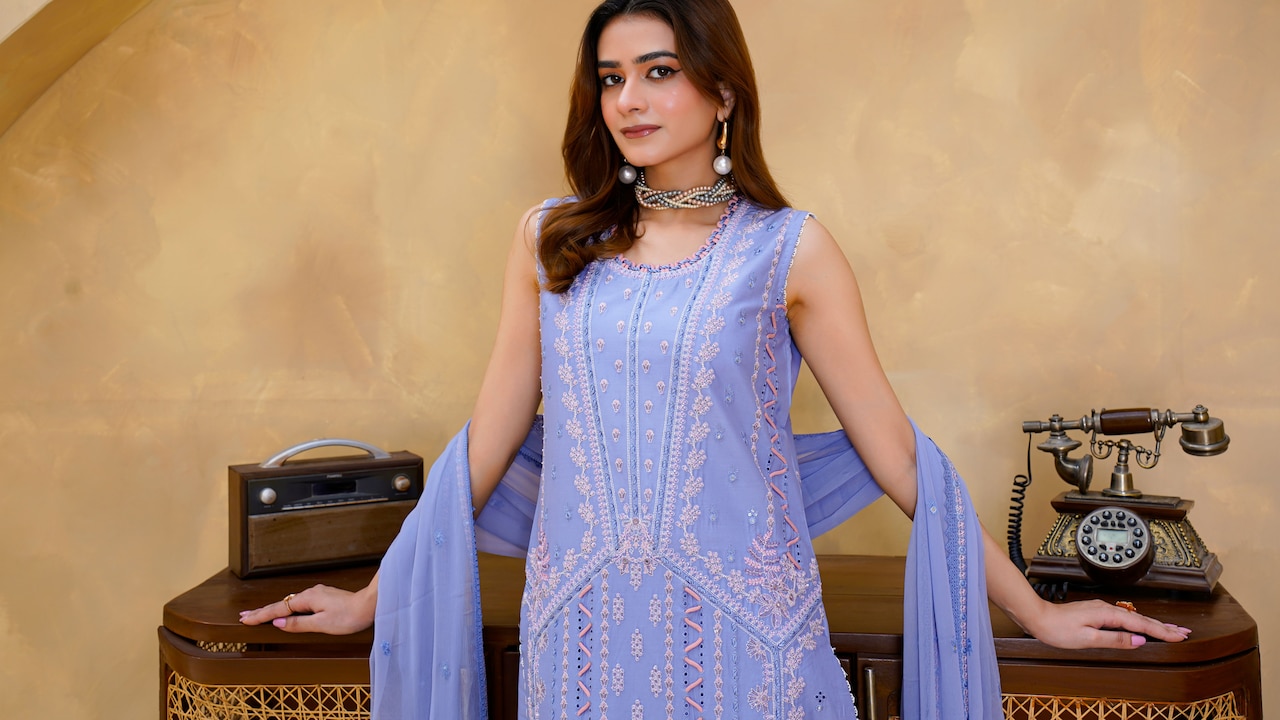
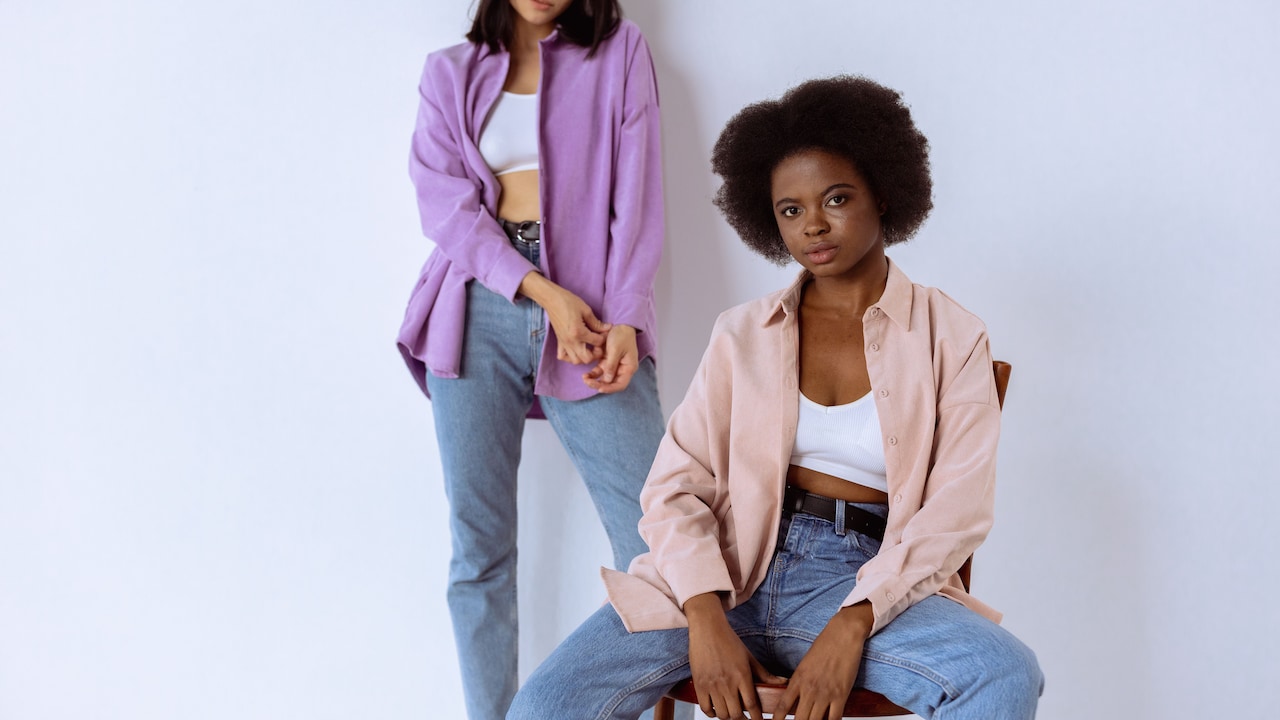
Why Your Formal Shirts Wrinkle Too Easily: Better Fabric Choices; Photo Credit: Pexels
Why Your Formal Shirts Wrinkle Too Easily: Better Fabric Choices
The Hidden Science Behind Shirt Wrinkles
Wrinkles may seem like a simple nuisance, but they stem from the molecular structure of fabric fibres. Natural fibres like cotton contain hydrogen bonds that break when moisture and pressure enter the picture. Sitting at a desk, commuting in humid weather, or even folding shirts incorrectly can trigger these bonds to shift, creating visible creases.
This explains why some shirts emerge from the washing machine looking like they survived a wrestling match. Pure cotton, while breathable and comfortable, wrinkles more easily because its fibres readily absorb moisture. In cities where heat and humidity often dominate, this issue becomes even more pronounced.
Synthetic fibres, on the other hand, often resist wrinkling due to stronger structural resilience. Blended fabrics combine the softness of natural fibres with the durability of synthetic ones. Understanding this science helps explain why some premium-looking shirts disappoint after a single wear, while others remain boardroom-ready all day.
Also Read: 5 Formal Shirts for Men With Narrow Shoulders: Best Fits, Styling Tips, and Top Brands
Why Pure Cotton Isn't Always The Best Choice
Cotton enjoys a strong reputation for comfort, softness, and breathability. Many shoppers instinctively reach for 100% cotton shirts, believing they offer the finest quality. While cotton certainly has advantages, wrinkle resistance often isn't one of them.
Pure cotton shirts wrinkle because the fibres lack elasticity. They crease quickly during movement and often require frequent ironing. For someone navigating crowded commutes, attending back-to-back meetings, or spending long hours seated, this can become exhausting.
High-thread-count cotton may feel luxurious, but it can still wrinkle with surprising speed. This means spending ₹3,500 on an expensive cotton shirt doesn't necessarily guarantee a crisp appearance. Cotton works best for those willing to maintain it carefully, using proper washing, starching, and ironing techniques.
For busy professionals, cotton blends may prove more practical. They preserve much of cotton's comfort while significantly reducing maintenance struggles.
Polyester Blends: The Practical Office Companion
Polyester often receives criticism for lacking the premium feel of natural fibres, yet it offers remarkable wrinkle resistance. When blended with cotton, polyester creates shirts that strike an appealing balance between comfort and practicality.
A cotton-polyester blend can hold shape better throughout the day, resist deep creasing, and emerge from washing with fewer wrinkles. This makes it especially useful for professionals seeking polished attire without devoting precious weekend hours to ironing.
Modern blends have improved significantly. Gone are the days when polyester shirts felt stiff or uncomfortably shiny. Today's fabrics often feel soft, breathable, and suitable for extended wear. Shirts in this category often range between ₹1,500 and ₹3,000, offering excellent value.
For everyday office use, blended shirts often outperform pure cotton by delivering consistency, durability, and easier care. They may not boast luxury status, but they quietly excel where it matters most.

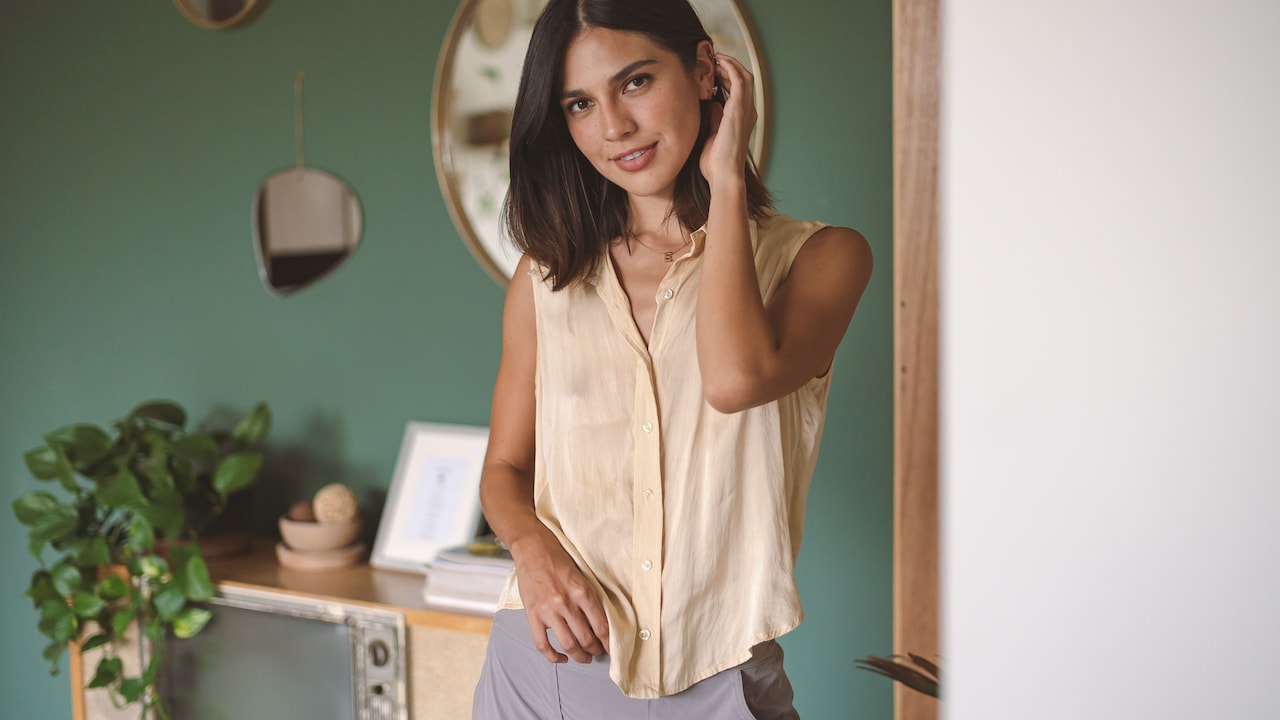
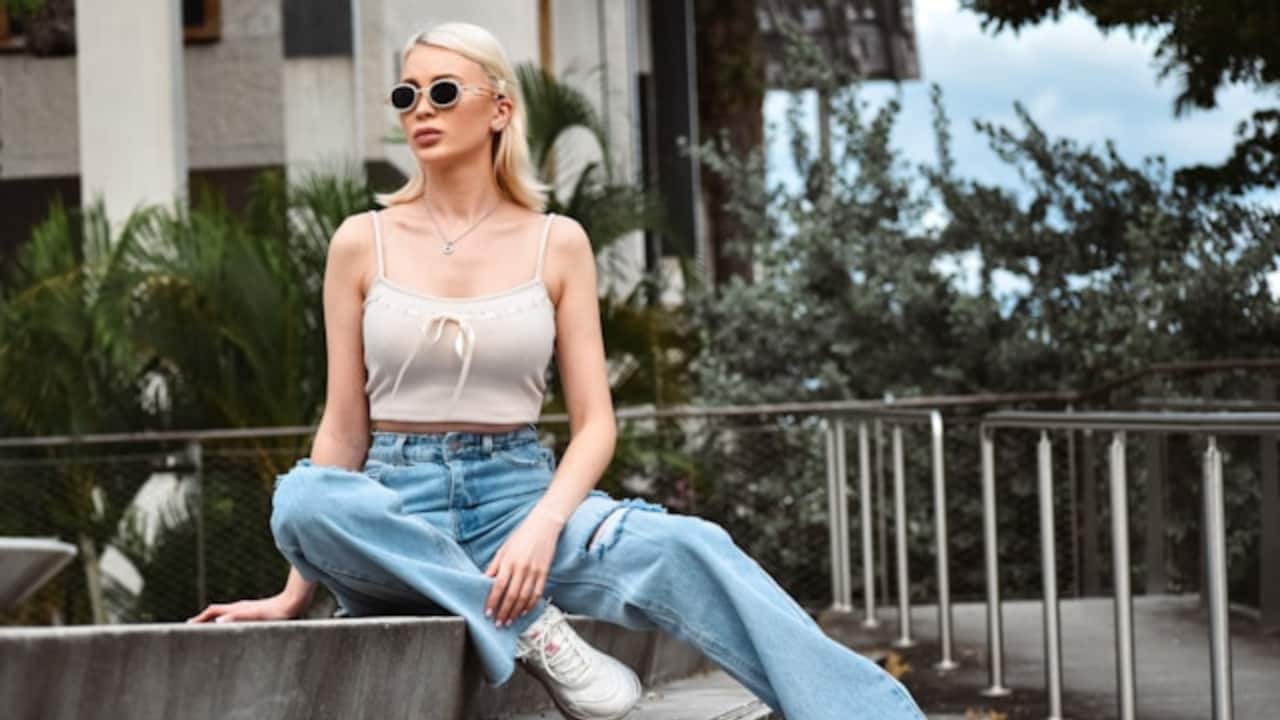
Why Your Formal Shirts Wrinkle Too Easily: Better Fabric Choices; Photo Credit: Pexels
The Rise Of Wrinkle-Resistant Treated Fabrics
Textile innovation has introduced wrinkle-resistant treatments that transform traditional fabrics into easier-care options. These shirts often undergo chemical finishing processes that strengthen fibres and help them retain smoothness.
Wrinkle-resistant cotton shirts have become increasingly popular among professionals who appreciate cotton's softness but dislike constant ironing. Such shirts often require minimal pressing and maintain a neater appearance even after hours of wear.
Of course, there are trade-offs. Some treated fabrics may feel slightly less breathable than untreated cotton. Quality also varies significantly across brands. Lower-grade options can lose effectiveness after repeated washes.
Still, investing in a well-made wrinkle-resistant shirt can save substantial time and energy. Spending ₹2,500 on a reliable, easy-care shirt may feel far wiser than repeatedly battling cheaper, high-maintenance alternatives.
For those balancing professional demands with packed schedules, these fabrics often feel like a wardrobe revolution.
Linen: Stylish But High Maintenance
Linen shirts carry undeniable charm. They exude sophistication, especially in warmer climates, and offer exceptional breathability. However, wrinkle resistance is not linen's strong suit.
Linen fibres wrinkle almost instantly due to their rigid structure. A freshly ironed linen shirt can develop noticeable creases within minutes of sitting down. This natural crumpled effect often suits casual or semi-formal settings but may appear too relaxed for strict corporate environments.
Despite this, linen remains popular because its airy comfort feels unmatched during scorching summers. For formal use, linen blends often provide a better compromise, combining linen's cooling properties with fibres that reduce wrinkling.
A pure linen shirt may look stunning for brunches or festive gatherings, but relying on it for an all-day professional appearance can prove risky. Linen works best when style takes priority over immaculate sharpness.
Fabric Weave Matters More Than Most Realise
Beyond material composition, weave structure significantly impacts wrinkle behaviour. Broadcloth, twill, and Oxford each offer distinct benefits.
Broadcloth shirts feature a smooth, lightweight weave that looks sleek but wrinkles relatively easily. Twill fabrics, recognised by their diagonal weave, generally resist wrinkles better and offer a slightly thicker texture. They drape elegantly while maintaining structure throughout the day.
Oxford fabrics provide durability and wrinkle resistance, though they may appear slightly less formal than finer weaves. For professionals wanting dependable daily wear, twill often emerges as a standout option.
Understanding weave empowers smarter shopping decisions. Rather than relying solely on labels like “premium cotton,” examining fabric construction reveals how a shirt may actually perform.
This small detail can dramatically influence whether a shirt stays presentation-ready or appears crumpled before lunch.
Climate And Commute Play A Bigger Role Than Fashion Trends
Wardrobe choices should reflect real-life conditions, not just catalogue aesthetics. Humidity, heat, and daily travel significantly impact how quickly shirts wrinkle.
In bustling urban environments, long commutes often involve crowded public transport, motorbike rides, or extensive walking. These factors place constant pressure on fabric, accelerating creasing.
Lightweight pure cotton may seem ideal for comfort, but without wrinkle resistance, it can quickly lose polish. Blended or treated fabrics often better withstand these realities.
Choosing shirts based on lifestyle rather than trend alone ensures better satisfaction. A shirt that survives an entire workday looking fresh often proves more valuable than one that impresses briefly in a showroom mirror.
Practical elegance always outlasts fleeting fashion.

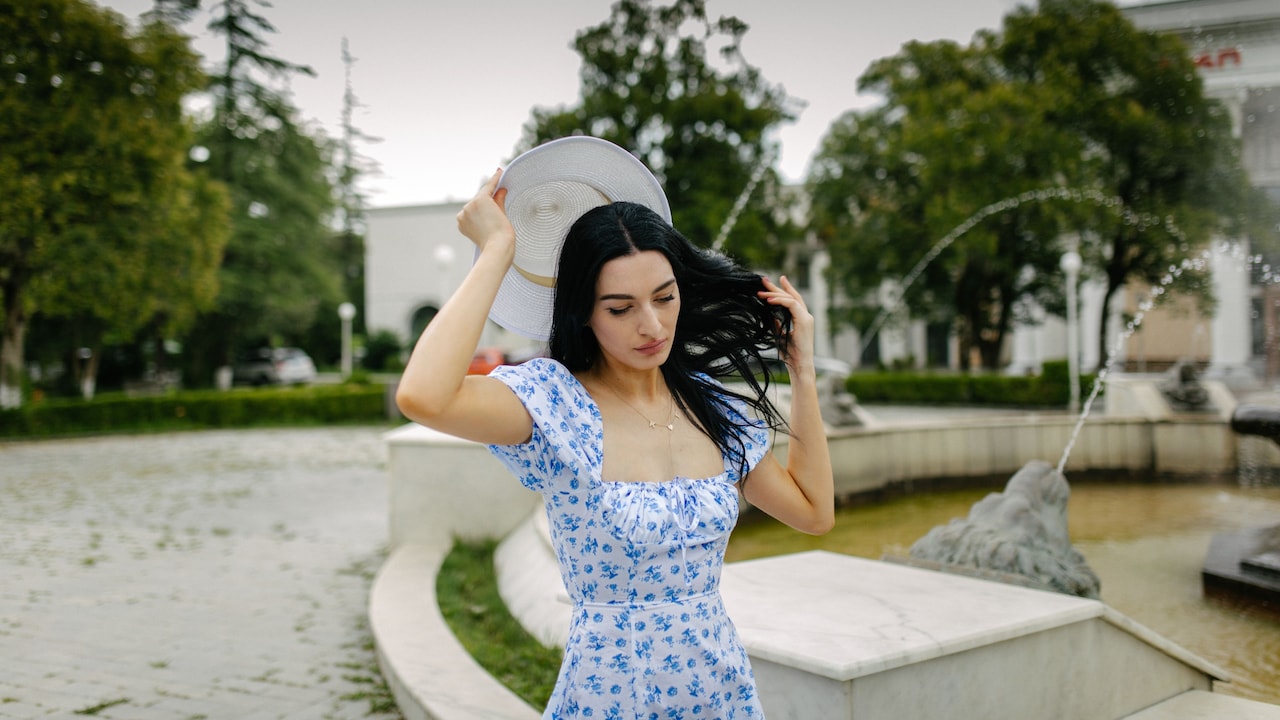
Why Your Formal Shirts Wrinkle Too Easily: Better Fabric Choices; Photo Credit: Pexels
Washing And Maintenance Can Make Or Break Fabric Performance
Even the finest fabric can wrinkle excessively if cared for poorly. Overloading washing machines, aggressive spin cycles, and improper drying methods all contribute to stubborn creasing.
Removing shirts promptly after washing, using hangers immediately, and avoiding excessive heat can preserve fabric integrity. Fabric softeners may also reduce static and stiffness.
Ironing while shirts remain slightly damp often yields better results. For those seeking convenience, steamers can provide quick touch-ups without damaging fibres.
Maintenance habits influence not only wrinkle levels but also shirt longevity. A ₹4,000 premium shirt handled carelessly may perform worse than a ₹1,800 blend maintained properly.
Smart care enhances every fabric's potential, protecting both style and investment.
Investing In Quality Often Saves Money Long-Term
Budget shopping can feel tempting, particularly when wardrobes require frequent updates. However, cheaper shirts often use lower-quality fabrics that wrinkle faster, degrade sooner, and require more maintenance.
Investing in better fabrics may involve higher upfront costs, but superior durability and wrinkle resistance often justify the expense. Shirts that retain shape and appearance over the years reduce replacement frequency.
This doesn't mean chasing luxury labels blindly. Instead, focusing on fabric composition, weave, and finish delivers smarter value.
A thoughtfully chosen ₹3,000 shirt that performs reliably may outlast several cheaper alternatives. Over time, quality often proves kinder to both finances and peace of mind.
True style rarely lies in quantity. It lives in dependable, well-chosen essentials.
Building A Smarter Formal Wardrobe
A successful formal wardrobe balances style, comfort, and practicality. Owning a mix of wrinkle-resistant cotton blends, twill shirts, and easy-care fabrics creates versatility for different occasions.
Not every shirt must prioritise absolute wrinkle resistance. Some premium cotton or linen pieces can still serve special events beautifully. However, for daily wear, practical choices simplify life considerably.
Shopping smarter means reading fabric labels carefully, feeling the weave texture, and considering maintenance needs before purchasing. This approach reduces disappointment and improves long-term satisfaction.
When shirts align with real schedules and environments, dressing sharply becomes effortless rather than exhausting.
A polished wardrobe should work with daily life, not against it.
Products Related To This Article
1. All About You Formals Women Cuban Collar Formal Shirt
2. HIGHLANDER Men Slim Fit Shirt
3. Chemistry Women Striped Formal Shirt
4. Park Avenue Slim Fit Pure Cotton Checked Formal Shirt
5. INVICTUS Men Dark Maroon Premium Slim-Fit Striped Formal Shirt
6. Style Quotient Women Smart Mandarin Collar Solid Cotton Formal Shirt
7. Raymond Pure Cotton Slim Fit Formal Shirt
Wrinkled formal shirts often result from overlooked fabric choices rather than poor grooming. Understanding materials, weaves, treatments, and practical lifestyle needs can dramatically improve wardrobe performance.
While pure cotton and linen offer undeniable charm, they often demand more maintenance than modern professionals prefer. Blends, wrinkle-resistant treatments, and thoughtful construction provide smarter alternatives for maintaining a crisp appearance throughout demanding days.
In the end, the best shirt isn't simply the most expensive or fashionable. It's the one that keeps pace with real life while preserving confidence and style. Choosing better fabrics means fewer creases, less hassle, and far more polished moments, whether stepping into a meeting, attending a celebration, or simply conquering another busy day with elegance intact.
(Disclaimer: This article may include references to or features of products and services made available through affiliate marketing campaigns. NDTV Convergence Limited (“NDTV”) strives to maintain editorial independence while participating in such campaigns. NDTV does not assume responsibility for the performance or claims of any featured products or services.)