How To Wear Tunics Without Looking Shorter: Length And Trouser Pairing Guide
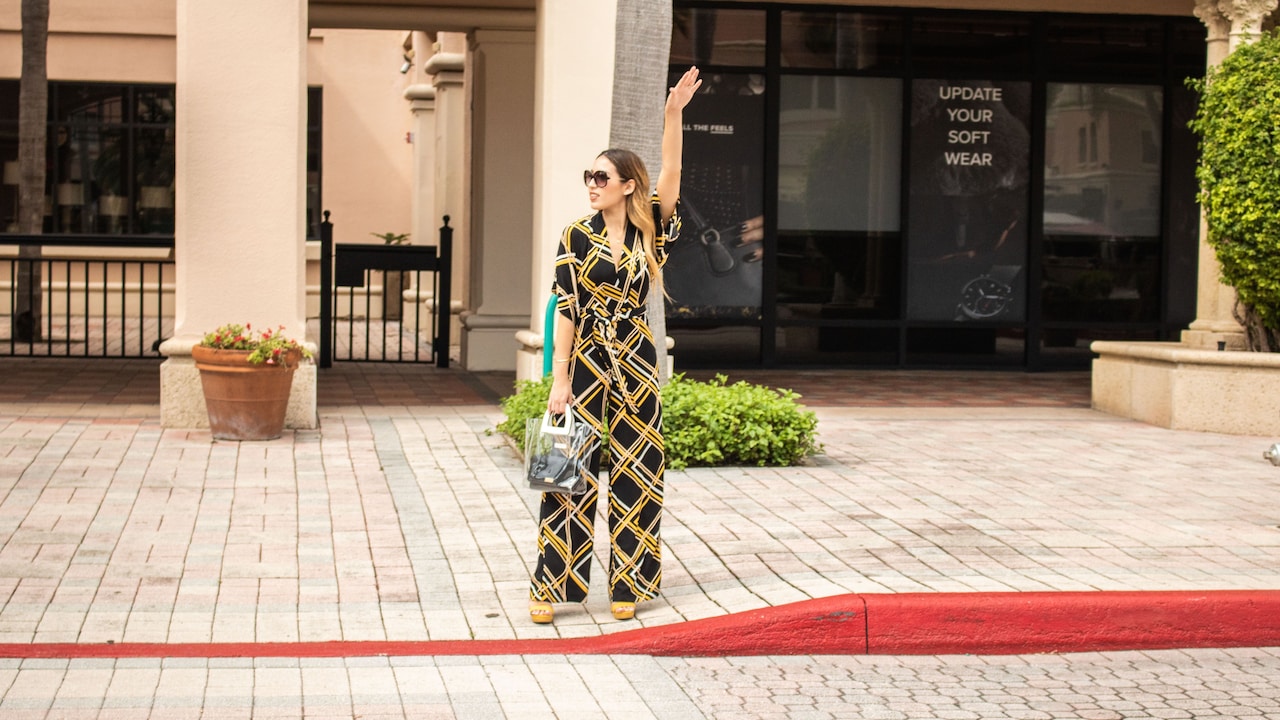
A tunic can look graceful, modern and wonderfully easy, yet the wrong length or trouser pairing can quietly steal height. The secret lies in proportion, clean lines and choosing hems that flatter the body rather than fight it.
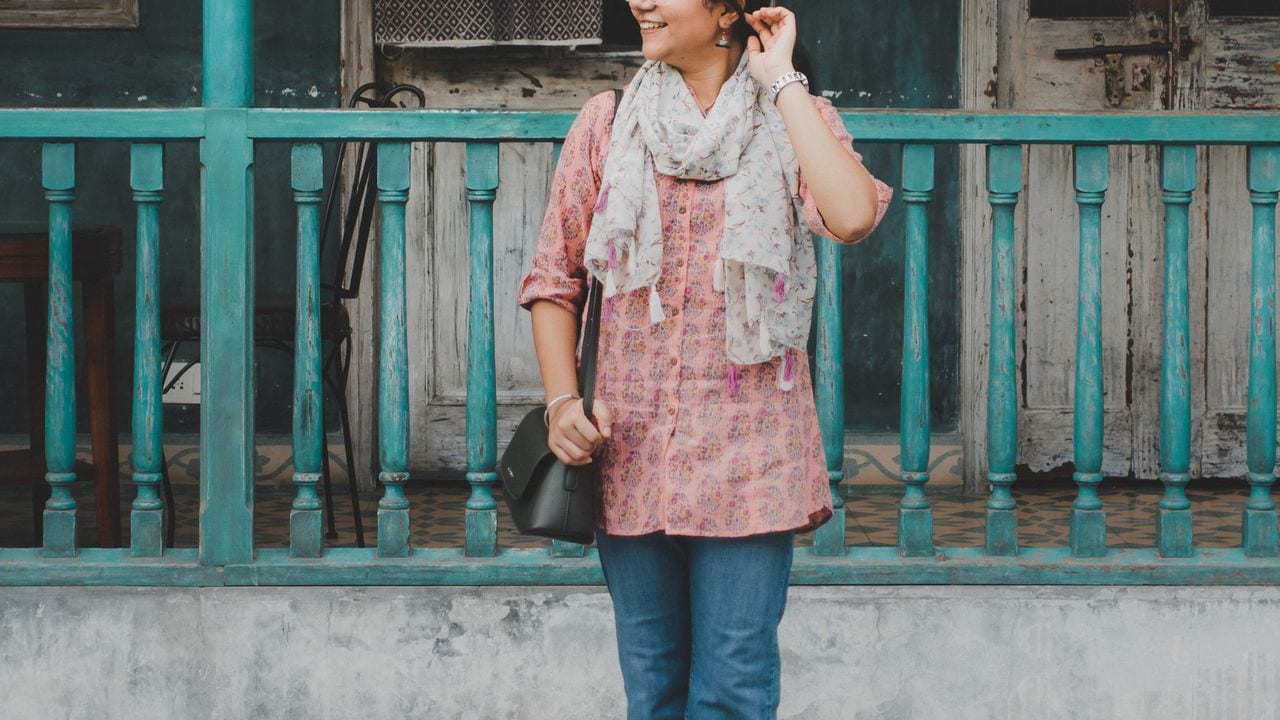
Fashion tips to style tunic tops and avoid looking shorter
A tunic has saved many mornings. It works for office rush hours, market runs, college corridors, festive lunches and those “nothing looks right today” moments. Yet one small styling slip can turn this wardrobe hero into a height-snatching villain. The mirror may not explain it, but the problem usually sits at the hemline, the trouser shape, or the way the outfit divides the body. Looking shorter has little to do with actual height. It often comes from visual breaks. A tunic that ends at an awkward point, trousers that widen too soon, or a hem that swallows the knees can make the frame look compressed. The good news feels rather cheerful: tiny changes can make a big difference. A sharper side slit, a better trouser width, or a smarter length can lift the whole look without buying a new wardrobe.
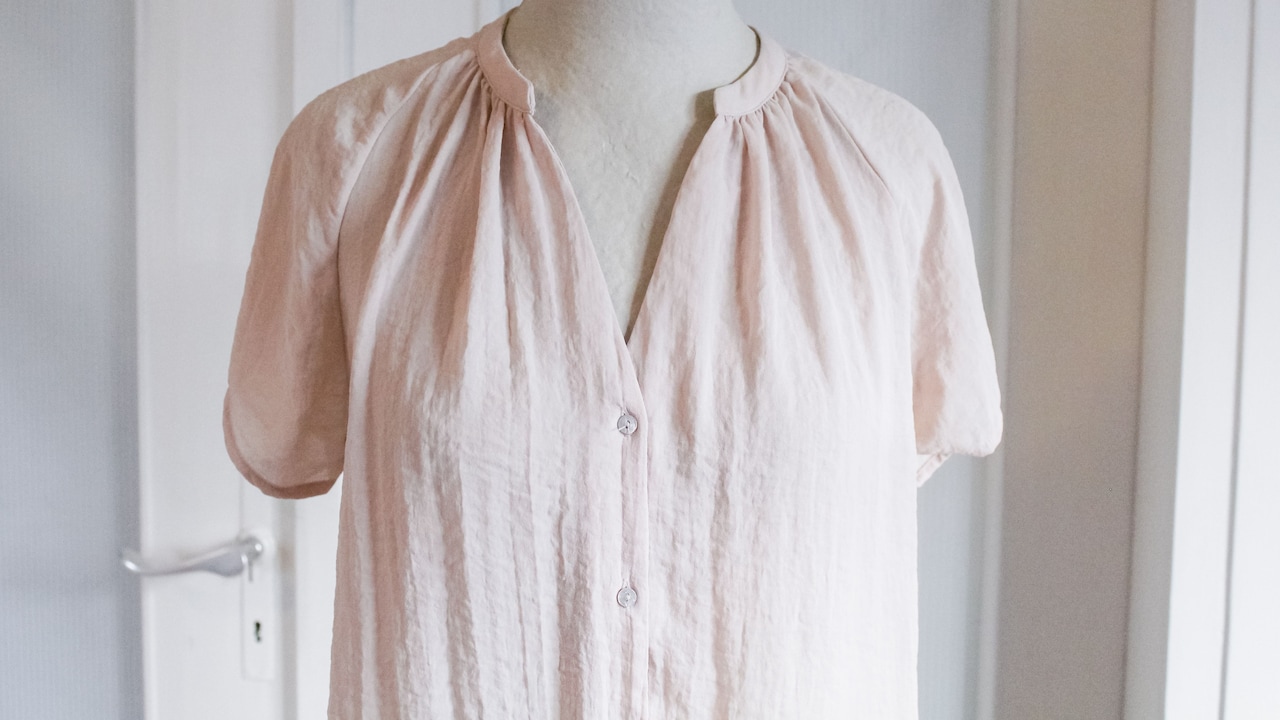
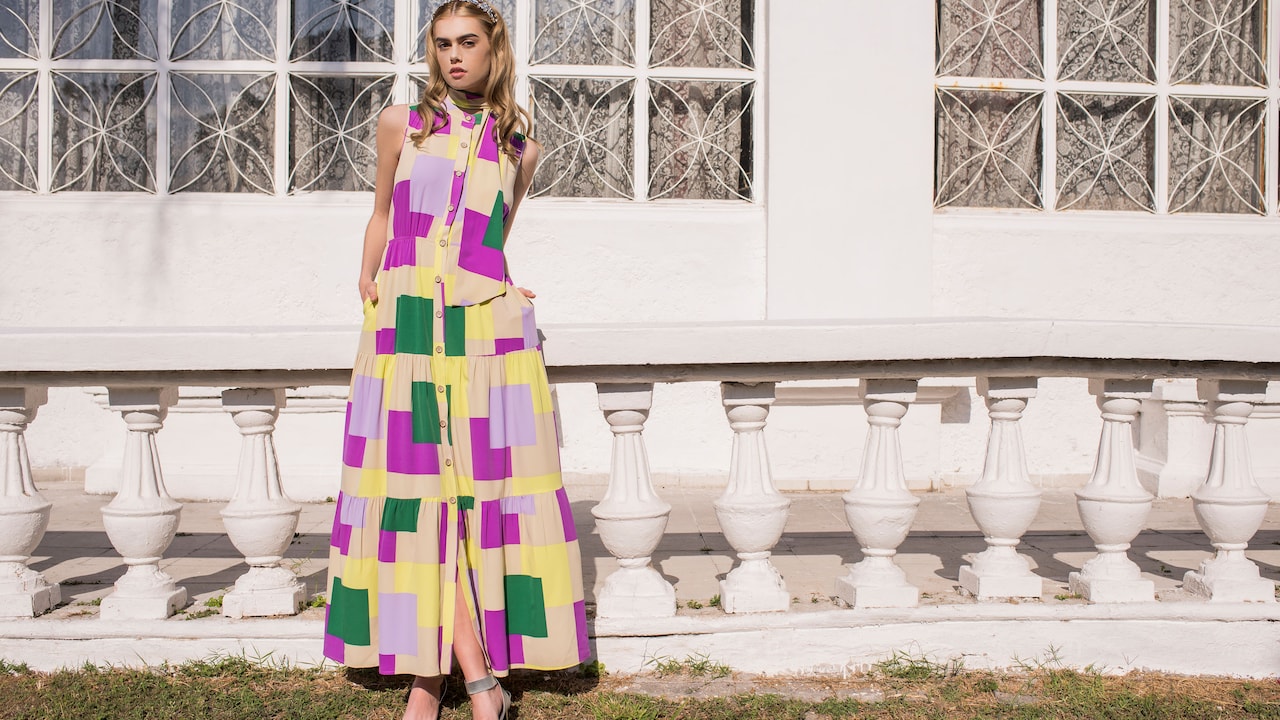
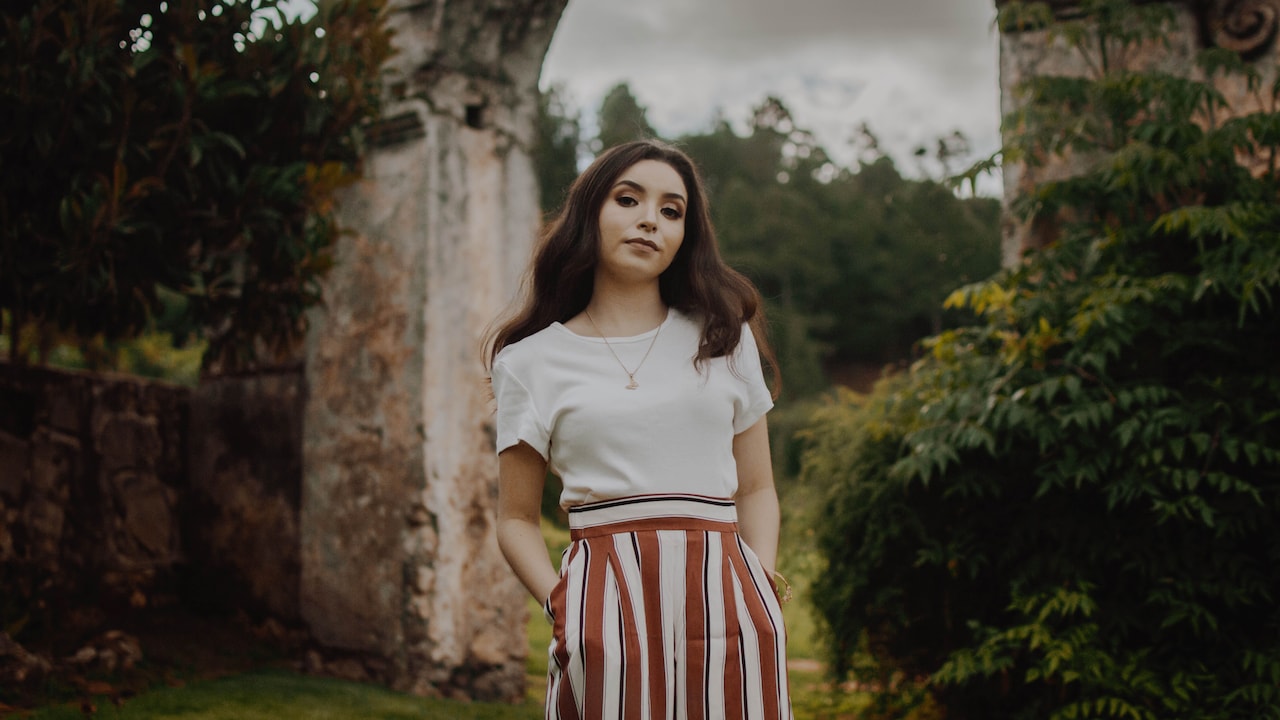
Explore why do some tunic tops make you look shorter: Photo Credit: Pexels
Also Read: Top 15 Tunic Designs That Suits Indian Women
Smart Styling Tips To Ensure You Don't Look Shorter In Tunics
The Length Cuts The Body In Half
A tunic can shorten the frame when it stops exactly where the eye expects movement to continue. Mid-thigh lengths often look breezy, but they can divide the body into two nearly equal blocks. That split makes the legs look shorter, especially when paired with flat footwear or cropped trousers. The outfit starts looking like two separate stories instead of one smooth sentence.
A better trick is to choose a tunic that either sits clearly above mid-thigh or drops gracefully below the knee. Clear decisions flatter more than uncertain lengths. A shorter tunic works well with straight trousers because it lets more leg show. A longer tunic creates a sleek column when the fabric falls cleanly.
Think of it like cutting a ribbon. Chop it in the middle, and it looks smaller. Leave one side longer, and the eye reads length. Clothes follow the same quiet maths.
The Hemline Stops At The Widest Part
A hemline loves attention. Wherever it ends, the eye pauses. That pause becomes a problem when the tunic stops at the widest part of the hips, thighs, calves or knees. The body then appears broader at that point, and width often steals the feeling of height. Even a beautifully embroidered tunic can lose charm if the hem draws attention to the wrong place.
For a more flattering look, let the hem finish just above or below the widest area. A tunic that clears the hips feels lighter. One that falls below the knees can look elegant when the cut stays narrow and fluid. The aim is not to hide the body. The aim is to guide the eye gently.
This matters even more with stiff cotton, brocade or heavy festive fabrics. These materials hold shape, so they can create a boxy outline. Softer fabrics usually forgive more, but the hem still needs respect.
Boxy Cuts Remove The Waist
Some tunics look shorter because they erase the waist completely. A loose, straight piece can feel comfortable, especially in warm weather, but too much fabric from shoulder to hem can make the body look like a rectangle. Once the waist disappears, the legs seem to begin lower than they do. The result feels cosy but not always flattering.
A subtle waist shape can change everything. Slight tapering at the sides, princess seams, a soft A-line cut or a gently structured yoke can bring balance without clinging. Even a tunic with side panels can create the feeling of length by suggesting shape.
This does not mean tight clothing works better. Comfort still wins. The sweet spot sits between body-skimming and body-swamping. A tunic should move with you, not stand around you like a cardboard cut-out. When the waist gets a small nod, the whole outfit looks taller and neater.
Side Slits Can Lengthen Or Shorten
Side slits may seem like tiny design details, but they do plenty of visual work. High side slits break the block of fabric and allow the trousers to show through. This creates vertical movement, which helps the body look longer. Low or missing slits, on the other hand, can turn a tunic into one solid panel, especially when the length falls below the knee.
A knee-length tunic with neat side slits often flatters more than a closed hem of the same length. The slit lets the fabric move while walking, so the outfit feels lighter. Front slits can also help, though they need careful styling to avoid looking too busy with printed trousers.
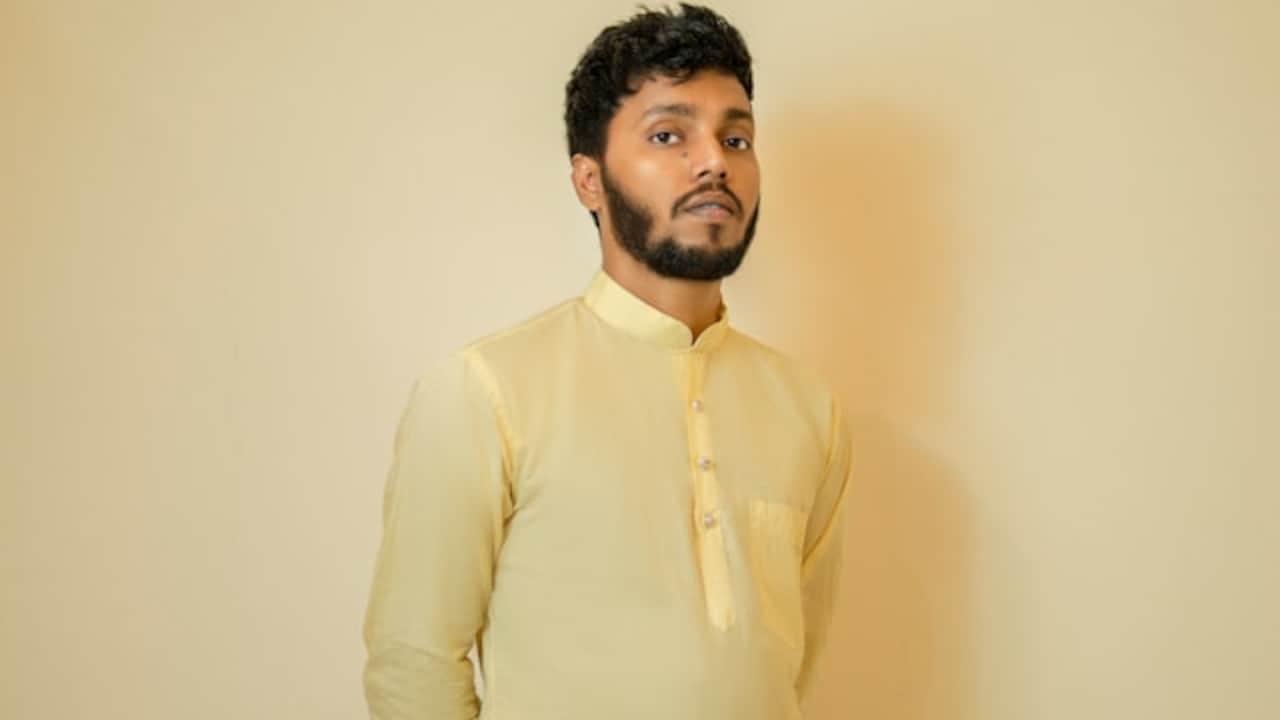
Traditional straight kurtas often get this right. Their side openings create ease and shape without fuss. The trouble begins when a long tunic has heavy fabric, no slit and wide trousers underneath. Then the whole look can feel weighed down, like the outfit has missed its morning chai.
Wide Trousers Need A Smarter Tunic Length
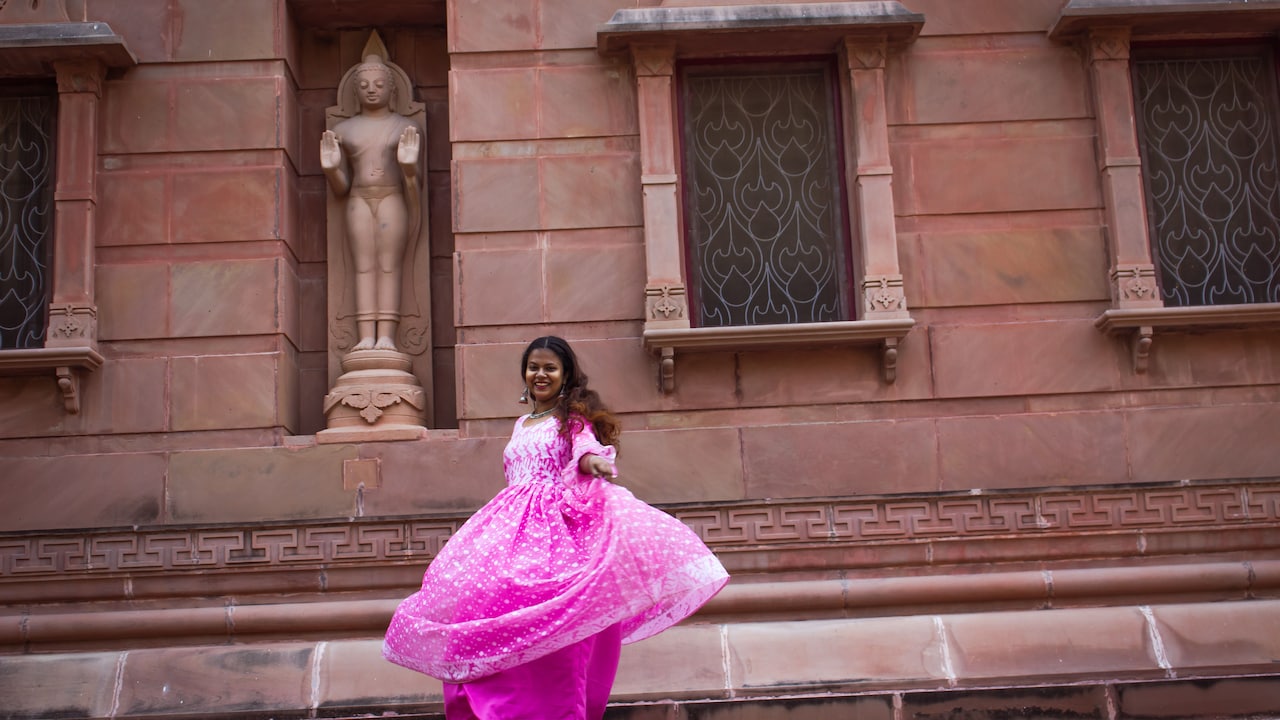
Palazzos, shararas and wide-leg trousers bring drama, comfort and excellent twirl value. Yet they can make a tunic look shorter if both pieces carry too much volume. A long, loose tunic over wide trousers creates width from top to bottom. The frame then loses vertical direction, and height appears reduced.
The fix lies in contrast. Wide trousers usually look better with a tunic that has cleaner lines and a more controlled length. A hip-length or upper-thigh tunic can balance palazzos because it reveals the trouser shape without burying the legs. A longer tunic can still work, but it needs side slits, a slimmer cut and lighter fabric.
Print also matters. If the tunic and trousers both have large patterns, the eye has nowhere to rest. Keep one piece quieter. A plain trouser with a printed tunic, or the reverse, gives the outfit breathing space. Height often returns when visual clutter leaves.
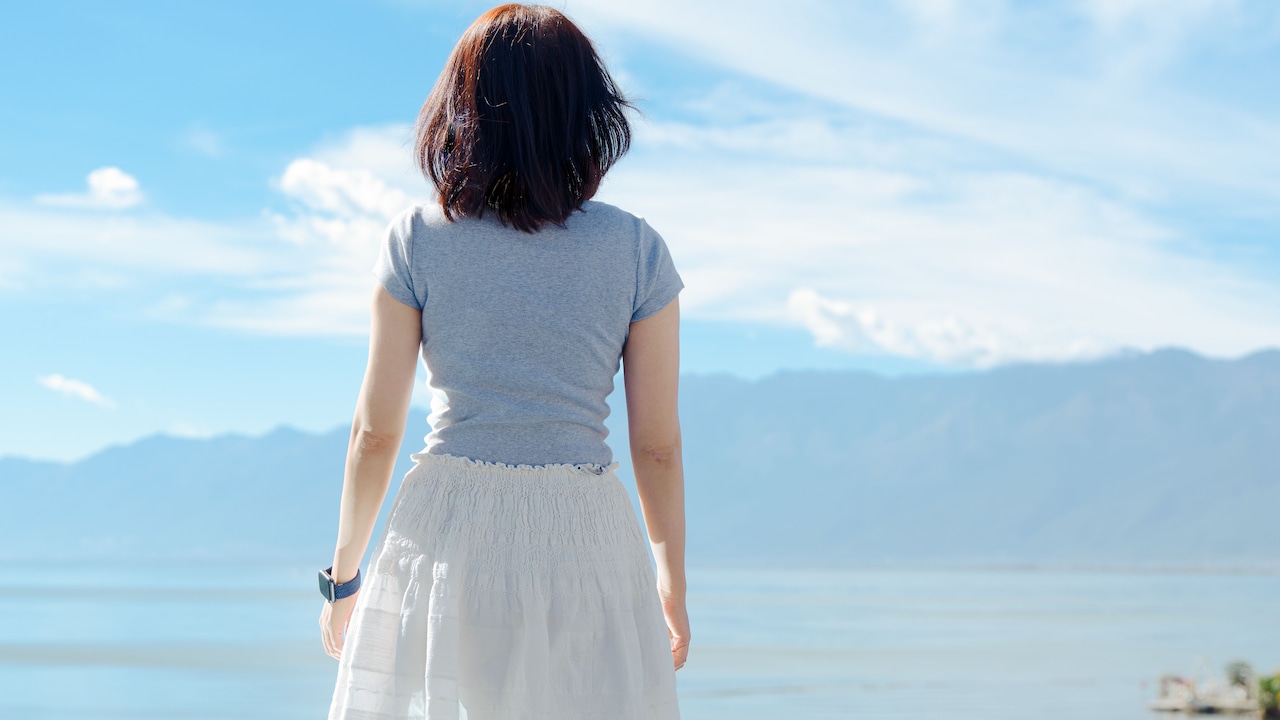
Always pair wide-leg trousers with a shorter and fitted tunic to make it suit your body; Photo Credit: Pexels
Narrow Trousers Create A Longer Line
Straight trousers, cigarette pants, churidars and slim salwars often make tunics look longer because they create a clean lower line. They do not add extra width below the hem, so the eye travels down smoothly. This works especially well with knee-length and calf-skimming tunics.
The most flattering narrow trousers usually stop at the ankle or just below it. Too much bunching at the bottom can break the line, while very short cropped lengths can reduce leg length. A neat ankle finish feels polished and modern. It also works with juttis, block heels, kolhapuris or simple sandals.
Colour pairing can sharpen the effect. A tunic and trouser in similar shades create one long column, which feels naturally elongating. Contrast can look stylish too, but a harsh colour break at the hip or thigh may shorten the frame. When in doubt, let the trousers quietly support the tunic rather than compete with it.
Cropped Bottoms Can Break The Flow
Cropped trousers look chic on the rack, but they can be tricky under tunics. When the trouser ends above the ankle, it creates a second horizontal break below the tunic hem. The body now has two stopping points: one at the tunic and one at the trouser. That can make the legs look shorter, especially with flats.
This does not mean cropped trousers must leave the wardrobe. They simply need the right partner. A shorter tunic works better with cropped bottoms because it keeps the leg line visible. A long tunic with cropped trousers can still look stylish when the footwear matches the trouser colour or the skin tone closely. That softens the break.
Fabric weight also changes the mood. Crisp cropped trousers under a relaxed tunic can feel fresh for brunch or casual Fridays. Heavy cropped bottoms under a long tunic may look squat. The mirror usually knows, even when the hanger looked convincing.
Footwear Completes The Height Story
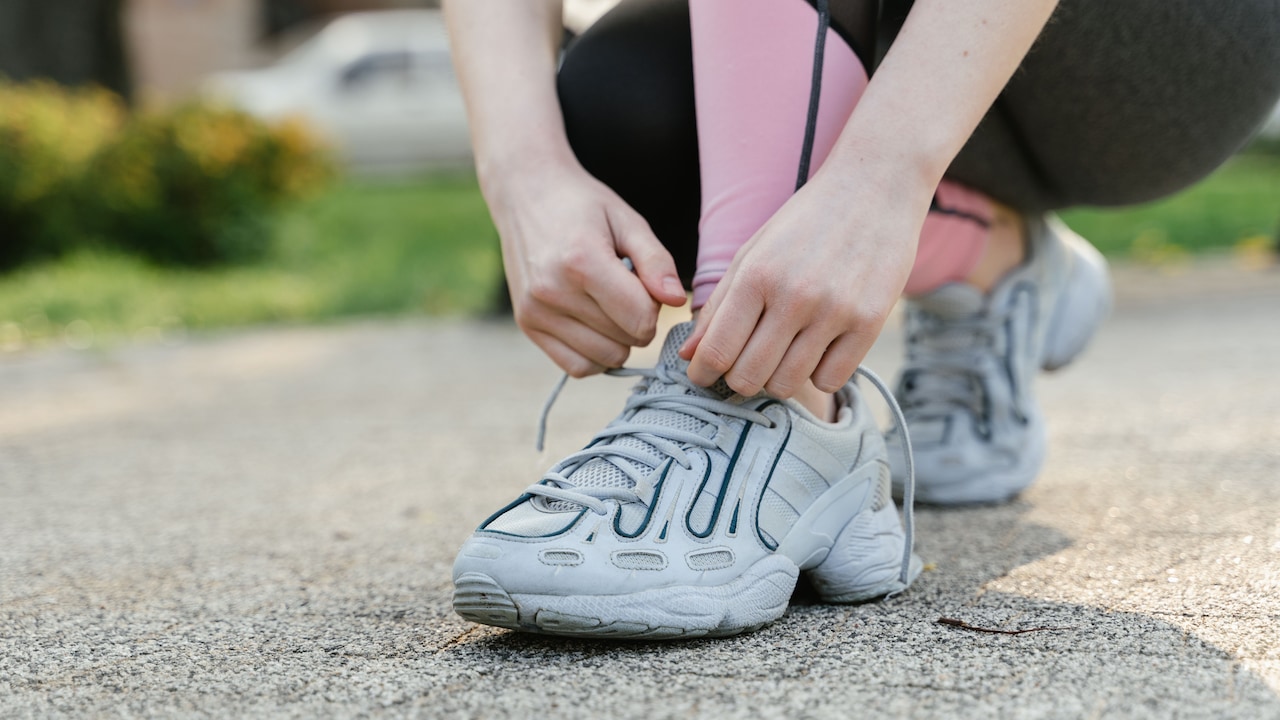
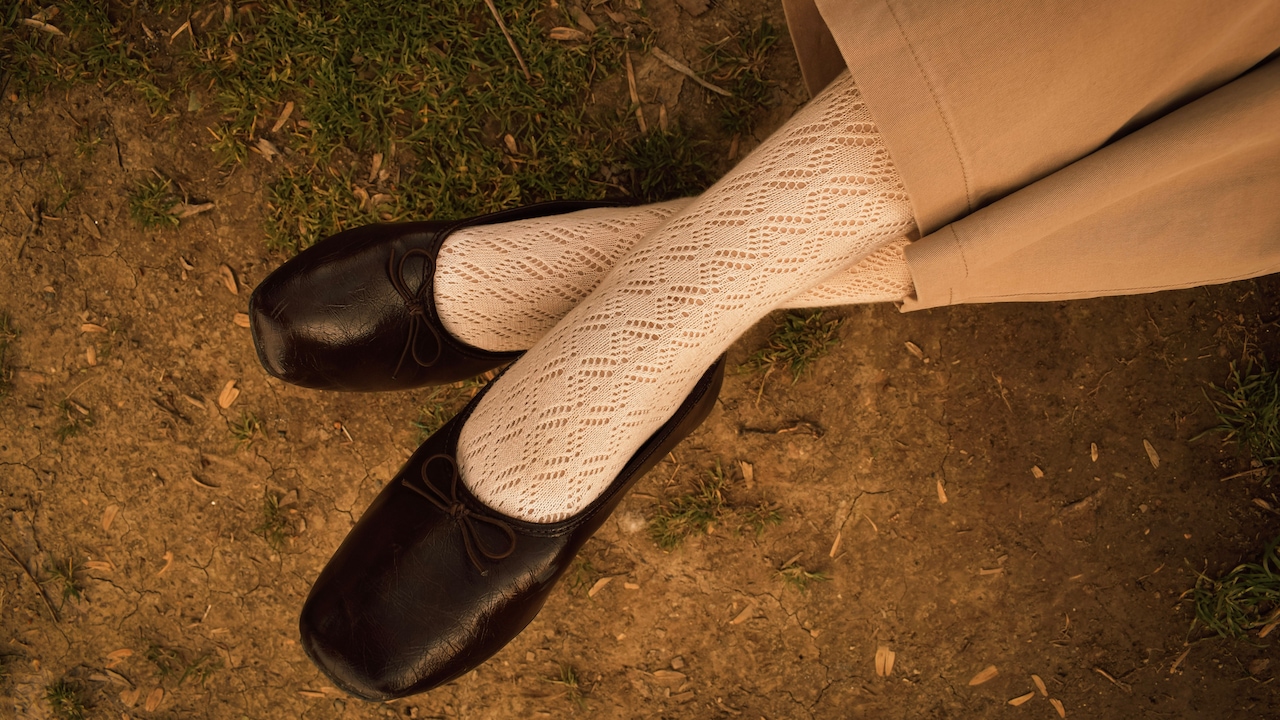
A tunic and trouser pairing does not end at the ankle. Footwear has the final word. Chunky straps, heavy soles or shoes that contrast sharply with trousers can cut the line short. Delicate sandals, pointed flats, low wedges and simple block heels often create a cleaner finish.
Heel height helps, but it does not need to be dramatic. A small lift can improve posture and make a long tunic fall better. Pointed or almond-shaped toes also add length because they extend the line of the foot. Round, bulky footwear can look charming, but it may not help when the tunic already feels heavy.
Colour plays a quiet role. Footwear that blends with trousers or skin tone creates less interruption. For daily wear, comfort should never suffer. A pair that pinches will ruin the best outfit by lunchtime. The real goal is ease with polish, not a heroic struggle at the metro station.
Prints And Borders Can Pull The Eye Down
Borders, panels and prints can change how tall a tunic makes you look. A thick border at the hem draws the eye downward and creates a strong horizontal stop. That may look festive, but it can shorten the body when the tunic already ends at a tricky point. Large motifs placed near the thighs or knees can create the same effect.
Vertical details usually flatter more. Long button plackets, narrow embroidery lines, centre seams, fine stripes and elongated motifs guide the eye from top to bottom. They add movement without shouting. A V-neck or open neckline can also lengthen the upper body and balance a longer hem.
This becomes useful during wedding season, when clothes often carry zari, mirror work or bright borders. Choose placement wisely. Let embellishment frame the face, neckline or centre panel rather than sit only at the bottom. Sparkle near the face brings glow; sparkle at the wrong hem can bring unwanted shortening.
Proportion Matters More Than Trends
Trends arrive with confidence, but proportion decides whether they stay. A tunic that looks stunning on a model, mannequin or celebrity airport photo may behave differently in everyday life. Height, shoulder width, torso length, hip shape and personal comfort all change the final effect.
A simple proportion rule helps. If the tunic has volume, keep the trousers cleaner. If the trousers have volume, keep the tunic sharper. If both pieces have volume, use slits, lighter fabric or a defined neckline to bring back length. The outfit needs one clear vertical direction.
Tailoring can also rescue many tunics. Shortening a hem by two inches, narrowing sleeves, opening side slits or adjusting shoulder seams can turn a forgotten piece into a favourite. Local tailors understand real bodies better than most size charts. A small alteration often costs far less than a new outfit and delivers more joy than another impulsive sale purchase.
Products Related To This Article
1. Max Shirt Collar Pure Cotton Tunic
2. Libas Women Off White Printed Cotton Straight Short Kurti
3. Kaftanize Women Tunics
4. Libas Floral Printed Shirt Collar A-Line Tunic
5. AKKRITI BY PANTALOONS Shirt Collar Printed Tunic
6. Soch Women Floral Printed Shirt Collar Tunic
7. Vishudh Ethnic Motifs Printed Shirt Collar Tunic
A tunic makes you look shorter when it chops the body at awkward points, hides the waist, adds too much width or fights with the trousers underneath. The solution does not demand strict fashion rules. It asks for better proportion, cleaner lines and a little attention to where the eye travels.
The most flattering outfit usually feels balanced rather than forced. A sharp hem, slim trousers, clever slits, soft footwear and thoughtful prints can make the same tunic look taller, fresher and more graceful. Style should feel like a friendly mirror, not a difficult exam. Once length, hemline and trouser pairing work together, the tunic returns to what it does best: making dressing easier, prettier and a lot more comfortable.
(Disclaimer: This article may include references to or features of products and services made available through affiliate marketing campaigns. NDTV Convergence Limited (“NDTV”) strives to maintain editorial independence while participating in such campaigns. NDTV does not assume responsibility for the performance or claims of any featured products or services.)