How Uneven Weight Distribution Can Turn Even Comfortable Shoes Painful
Even the most comfortable shoes can cause pain if body weight isn't evenly balanced. Uneven pressure on heels, arches, and joints leads to fatigue and long-term discomfort, often without obvious warning signs. Different ways how uneven weight distribution makes shoes to cause pain.
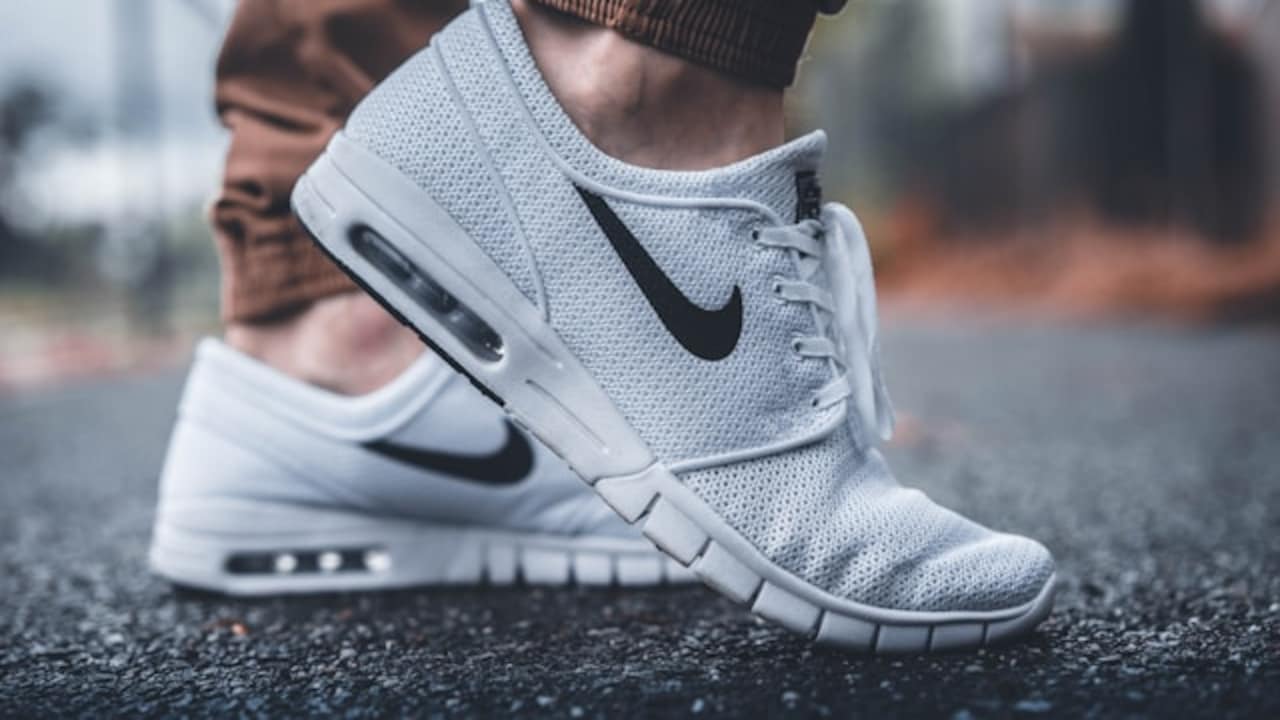
Foot Pain Explained: How Uneven Weight Distribution Ruins Shoe Comfort.
Shoes carry more responsibility than they get credit for. They support long commutes, crowded buses, festive shopping sprees, office hours that stretch beyond schedule, and evening walks meant to clear the head. When footwear feels right, it almost disappears. When it goes wrong, the body notices very quickly. Uneven weight distribution sounds technical, yet it affects daily life in simple ways. One foot takes more load than the other. Pressure gathers at the heel or the ball of the foot. Ankles tilt slightly. Over time, that imbalance sends signals of discomfort, pain, and fatigue. The shoes may still look fine. The problem lies in how the body interacts with them.
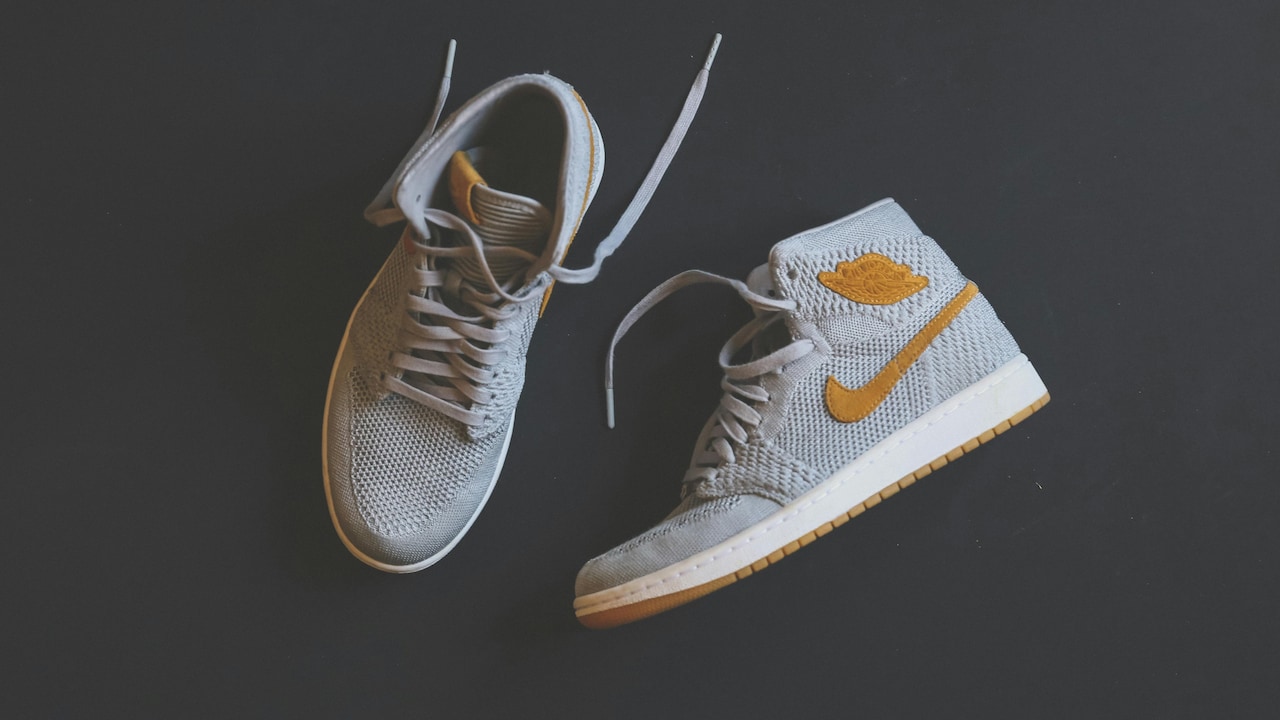
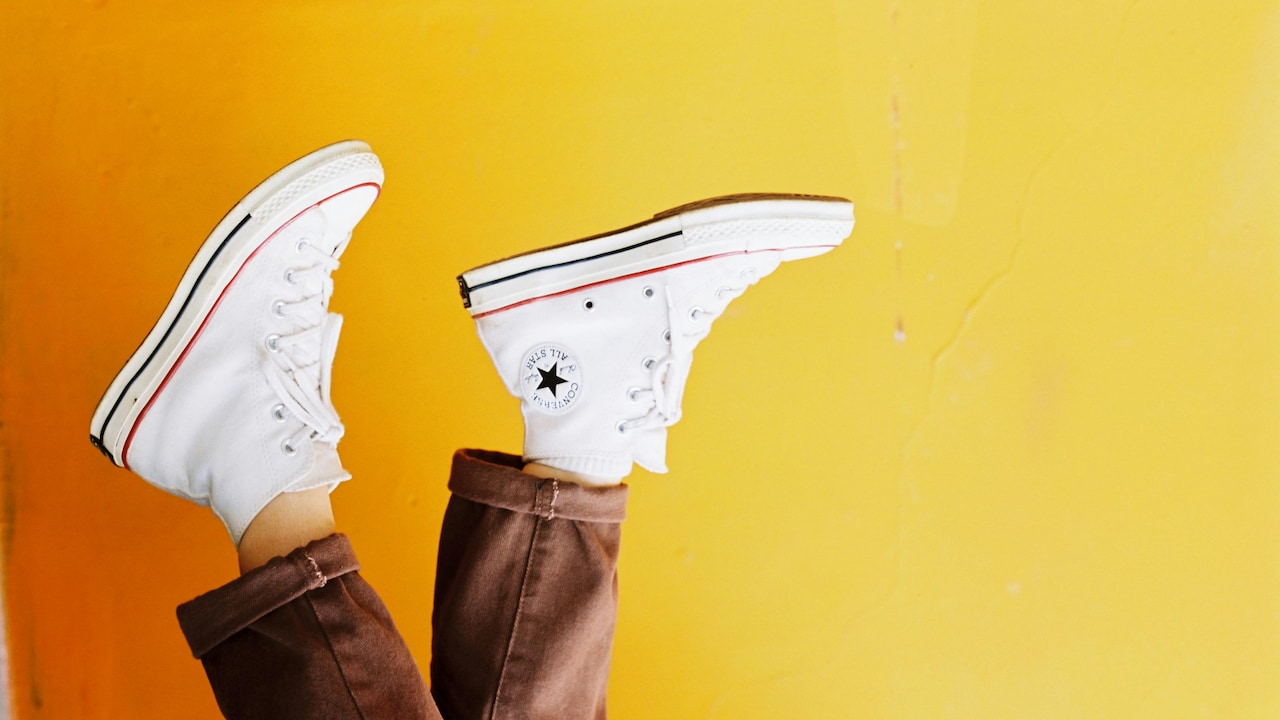
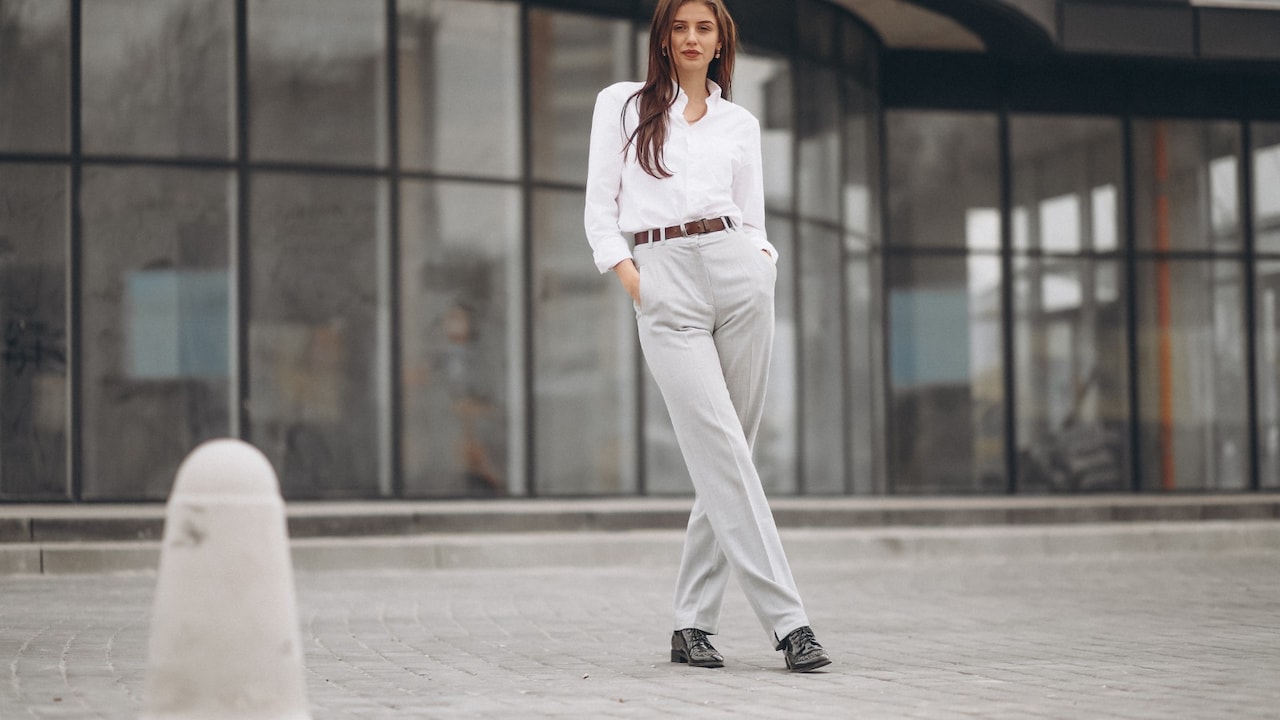
Learn all about why shoes cause pain due to uneven weight distribution; Photo Credit: Pexels
Understanding this hidden issue helps explain why even premium footwear can fail and why comfort depends on more than cushioning alone.
Also Read: Most Comfortable Formal Shoes Under ₹700: 5 Styles That Will Not Hurt Your Feet
Why Shoe Comfort Fails When Your Body Loses Balance
1. The Silent Shift: When Balance Goes Off Track
Walking seems effortless, yet it relies on a finely tuned balance. Each step spreads body weight across feet, joints, and muscles. When that balance shifts, even slightly, the body compensates without asking permission.
Uneven weight distribution often starts small. One shoulder dips lower. A habit of leaning on one leg while standing at a tea stall creeps in. Carrying a heavy bag on the same side every day adds to the tilt. Shoes then receive pressure where they never should.
The foot absorbs this imbalance first. The inner edge may collapse inward or the outer edge may bear extra strain. Over time, the sole wears unevenly. Cushioning flattens faster on one side. What once felt plush now feels harsh. The shoe has not changed much. The way weight travels through it has.
2. Why Expensive Shoes Do Not Guarantee Comfort
Price tags often promise comfort, yet pain does not check receipts. A ₹5,000 pair can hurt just as much as a budget option if weight distribution goes wrong.
Many shoes focus on looks first. Even comfort-focused designs rely on an “average” foot shape. Real feet vary widely. Some arches rise high, others flatten easily. Some heels strike harder. Some toes push off more forcefully.
When shoes fail to match these differences, pressure builds. The cushioning compresses unevenly. Support features miss their target. Over time, the foot fights the shoe instead of resting in it. Discomfort follows, regardless of brand value.
True comfort depends on how evenly the shoe supports movement, not on how premium it appears on the shelf.
3. The Heel Problem: Where Pain Often Begins
Heels take the first hit with every step. When weight lands unevenly, heels suffer early and loudly.
A slight inward roll sends pressure to the inner heel. An outward tilt stresses the outer edge. Over time, that area hardens, loses shock absorption, and sends sharp signals up the leg. Morning heel pain becomes common. Standing after sitting feels unpleasant. Long walks turn into endurance tests.
Many dismiss this as ageing or overwork. In reality, uneven weight distribution often sits at the root. Shoes with worn heels worsen the issue. Flat soles without guidance allow the foot to collapse further.
Addressing heel balance early can prevent months of discomfort and keep everyday movement smooth.
4. Arches Under Pressure: The Hidden Middle Ground
The arch acts like a spring. It absorbs shock and helps push the body forward. Uneven weight disrupts this delicate role.
When too much load falls on the arch, it strains and flattens. When it receives too little support, it tightens and aches. Both scenarios create discomfort that spreads across the foot.
People with long-standing hours often notice this pain first. By afternoon, feet feel tired and swollen. Shoes feel tighter, even though the size has not changed. The arch has simply worked overtime.
Shoes without proper arch alignment fail to distribute weight evenly. Over time, the arch loses efficiency, and every step demands more effort than necessary.
5. Ankles, Knees, and the Domino Effect
Feet do not suffer alone. Uneven weight distribution triggers a chain reaction.
Ankles tilt to compensate. Knees adjust their alignment. Hips shift slightly. Lower back muscles tense to keep balance. Pain appears far from the original source, confusing many.
Knee discomfort often links back to uneven foot pressure. When one foot bears more weight, the knee above it absorbs extra stress. Over months, that strain turns into stiffness or sharp pain, especially while climbing stairs or getting up from the floor.
Shoes play a crucial role here. They either guide the foot back to balance or allow imbalance to travel upward unchecked.
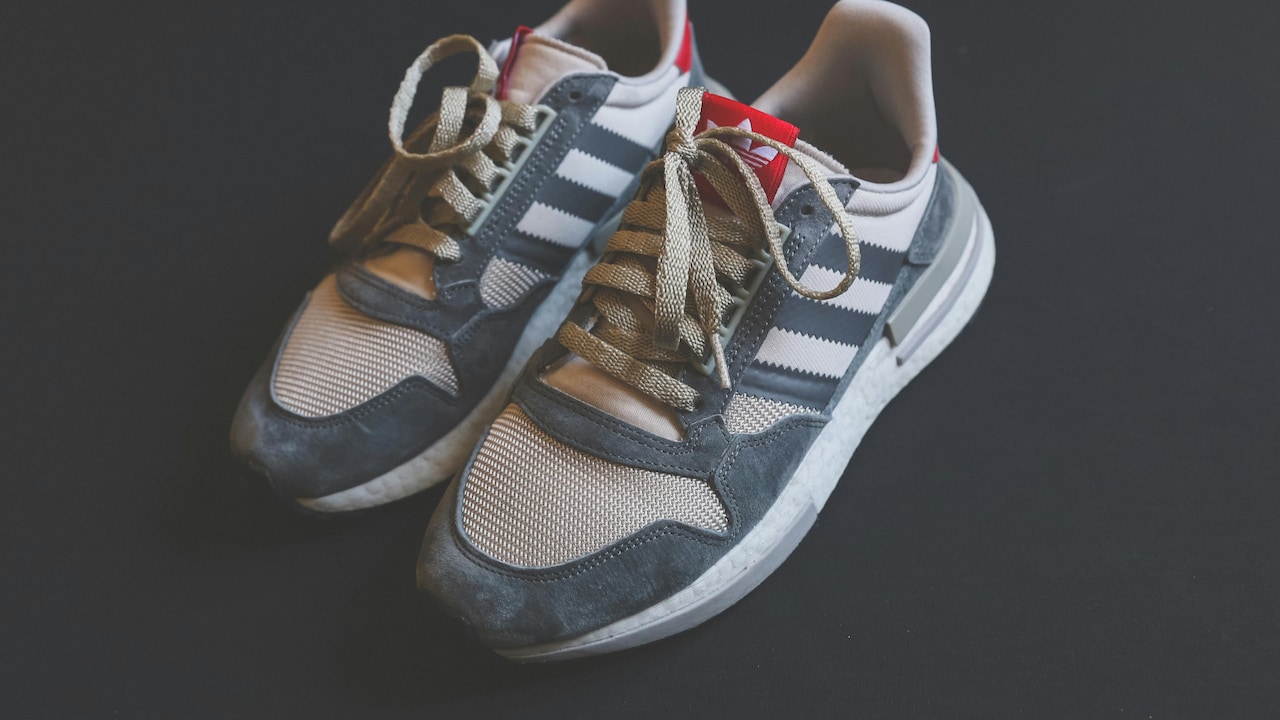
Putting excess weight on one foot can cause the knee to take on extra stress and cause a sharp pain; Photo Credit: Pexels
6. Daily Habits That Make Shoes Hurt Faster
Small habits quietly sabotage footwear comfort. Sitting cross-legged for hours, always leading with the same foot while climbing stairs, or standing with weight on one hip during conversations all contribute.
Over time, muscles adapt to these patterns. One side grows stronger, the other weaker. Shoes then receive uneven force. Soles wear down lopsidedly. Support breaks down faster on one side.
Even driving habits matter. Long hours pressing pedals with the same foot can alter muscle tension. The next walk reflects that imbalance.
Awareness helps. Rotating habits, stretching regularly, and choosing shoes that encourage neutral posture can slow this silent damage.
7. When Fashion Overrides Function
Style matters. Shoes complete outfits and boost confidence. Problems arise when fashion consistently overrides function.
Pointed toes squeeze weight forward. Thin soles fail to absorb shock evenly. High heels tilt the body, forcing weight onto the front of the foot. Over time, discomfort becomes routine.
Festive seasons often highlight this struggle. Long hours in stylish footwear leave feet aching by evening. Many accept this as normal. It does not have to be.
Balanced design supports both appearance and comfort. Shoes that distribute weight evenly allow style to shine without punishment.
8. How Uneven Soles Tell a Clear Story
Flip a well-used shoe, and it reveals secrets. One edge wears thinner. The heel slopes unevenly. These signs reflect how weight travels through the body.
Ignoring this evidence prolongs discomfort. Continuing to wear uneven soles reinforces imbalance. The body adapts in unhealthy ways to maintain movement.
Replacing shoes at the right time matters. Rotating pairs helps too. Each pair distributes pressure slightly differently, giving muscles variation instead of repetitive strain.
Listening to soles can prevent pain before it reaches joints and muscles.
9. Simple Adjustments That Restore Comfort
Comfort does not always demand dramatic change. Small adjustments make a big difference.
Choosing shoes with even cushioning, stable heels, and flexible forefoot support helps redistribute weight. Insoles designed for balance can correct minor alignment issues. Regular stretching relaxes tight muscles that pull the weight off-centre.
Paying attention to posture while standing and walking also matters. Standing evenly on both feet feels simple, yet many forget. Gentle reminders throughout the day help retrain balance.
These small acts work together to reduce strain and restore comfort.
10. Walking Into the Future Without Pain
Shoes accompany life's moments. Morning errands, evening strolls, celebrations, and quiet walks after dinner all depend on comfortable steps.
Understanding uneven weight distribution empowers better choices. It explains pain that once felt mysterious. It shifts focus from blaming shoes alone to understanding how body and footwear interact.
Comfort grows when balance improves. Shoes last longer. Feet feel lighter. Movement regains ease.
Every step deserves that care.
Products Related To This Article
1. HRX by Hrithik Roshan Unisex HRX-001 33 Mesh Running Non-Marking Shoes
2. ASIAN Men Mesh Running Non-Marking Shoes
3. JodyHub Women Fashion with Bows Flats
4. Red Tape Men Colourblocked Round Toe Lace-Ups Sneakers
5. Cogner Women Loafers
6. HRX by Hrithik Roshan Unisex Mesh Running Non-Marking Shoes
7. Shoetopia Women Buckled Platform Heel Sandals
Comfortable shoes turning painful often signals something deeper than poor design. Uneven weight distribution quietly reshapes how the body moves, absorbs shock, and handles daily demands. Left unchecked, it spreads discomfort from feet to knees and beyond.
Awareness changes everything. Noticing wear patterns, adjusting habits, choosing supportive footwear, and respecting the body's balance can transform everyday comfort. Shoes then return to their rightful role: silent partners that support movement without complaint.
Walking should feel natural, not negotiated. With balanced steps, even long days end on a lighter note.
(Disclaimer: This article may include references to or features of products and services made available through affiliate marketing campaigns. NDTV Convergence Limited (“NDTV”) strives to maintain editorial independence while participating in such campaigns. NDTV does not assume responsibility for the performance or claims of any featured products or services.)