Why Your Jeans Gap At The Waist: Stretch, Rise And Fit Mistakes To Avoid
Jeans that gap at the waist often point to the wrong stretch, rise or cut, not your body. Learn what causes the gap, how fabric behaves after wear and what fit checks help you pick denim that sits neatly, flatters well and feels comfortable all day.
Why Jeans Gap At The Waist And How To Fix The Fit
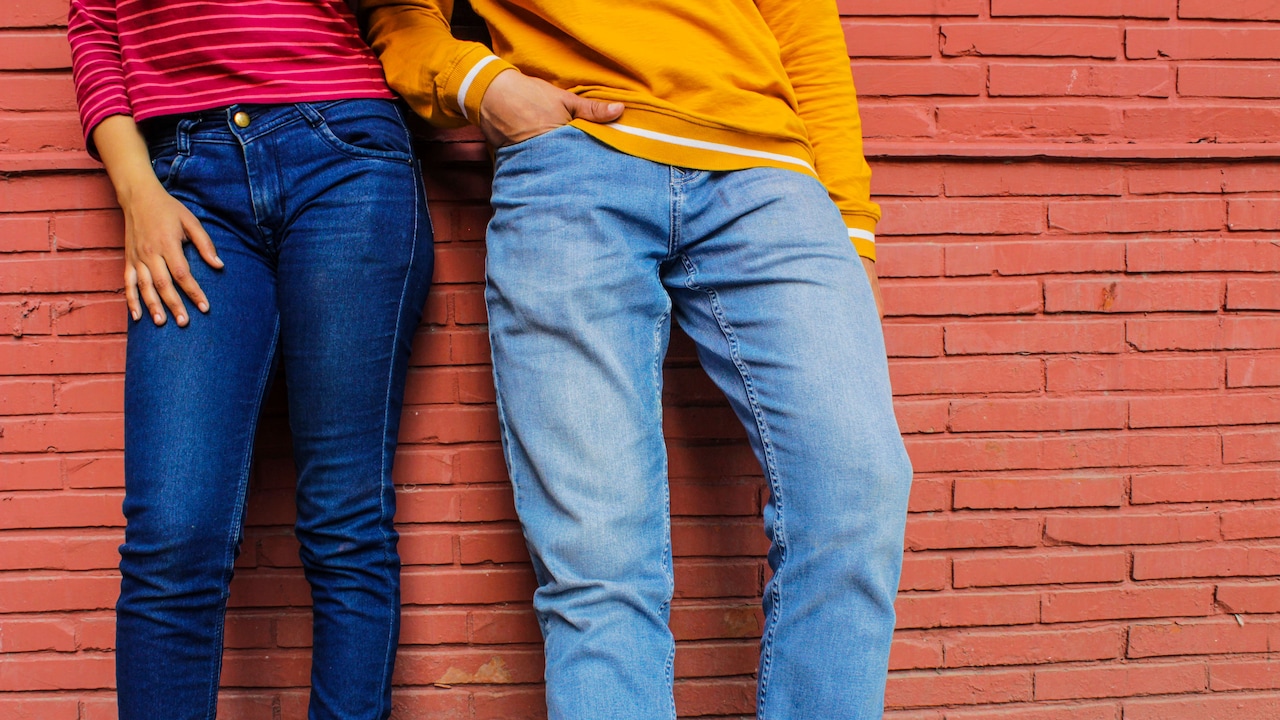
Jeans can feel like the most democratic piece of clothing in a wardrobe. They go to college lectures, office Fridays, coffee dates, movie nights and family shopping trips. They survive scooter rides, metro rushes and sudden chai spills. Yet, for all their everyday charm, jeans can also act rather moody. One of the most common complaints is the waist gap. The jeans hug the thighs, fit neatly around the hips, then leave a little cave at the back. It looks awkward, feels uncomfortable and often needs a belt that bunches everything up. Many people blame their body, but the jeans usually deserve most of the side-eye.
Why Your Jeans Gap At The Waist: Stretch, Rise And Fit Mistakes To Avoid
Photo Credit: Pexels
Waist gaping happens when the cut, fabric and rise do not match the wearer's shape or movement. Denim has its own personality. Some pairs relax after an hour. Some waistbands sit too straight. Some rises hit the body in the wrong place. Some sizes look correct on the tag but behave badly in real life.
The good news is simple. Once the reason becomes clear, better jeans become easier to find. A few smart checks can save money, time and that familiar trial-room frustration.
Common Reasons Your Jeans Gap At The Waist
Stretch Denim Can Trick You In The Trial Room
Stretch jeans often feel like a blessing at first. They slide on easily, hug the body and make a trial-room mirror seem unusually kind. The trouble starts later. Denim with too much stretch can loosen as the day goes on, especially around the waist, seat and knees. A pair that felt snug in the shop may start slipping after a few hours of sitting, walking and climbing stairs.
Stretch comes from fibres such as elastane or spandex mixed with cotton. A small amount gives comfort. Too much can make jeans lose structure. That soft, jegging-like pair may feel lovely during a long brunch, but it might not hold the waist firmly enough.
When trying on stretch jeans, move around properly. Sit, squat, bend and walk. The waistband should feel secure without digging in. If it already feels slightly loose before wearing, it may grow lazier by evening. A little firmness at the start often works better than instant comfort that gives up by lunchtime.
A Straight Waistband Cannot Follow Curves
Many jeans have a waistband shaped almost like a straight strip. That works for some people, but not for everyone. When the hips curve more than the waist, a straight waistband struggles. It fits the widest area, then stands away from the narrower waist. That is when the back gap appears like an unwanted guest.
This issue has nothing to do with weight. It comes from proportion. Some people have a clear difference between waist and hip measurements. Others have a straighter shape. One cut cannot flatter everyone, no matter how popular the brand seems on social media.
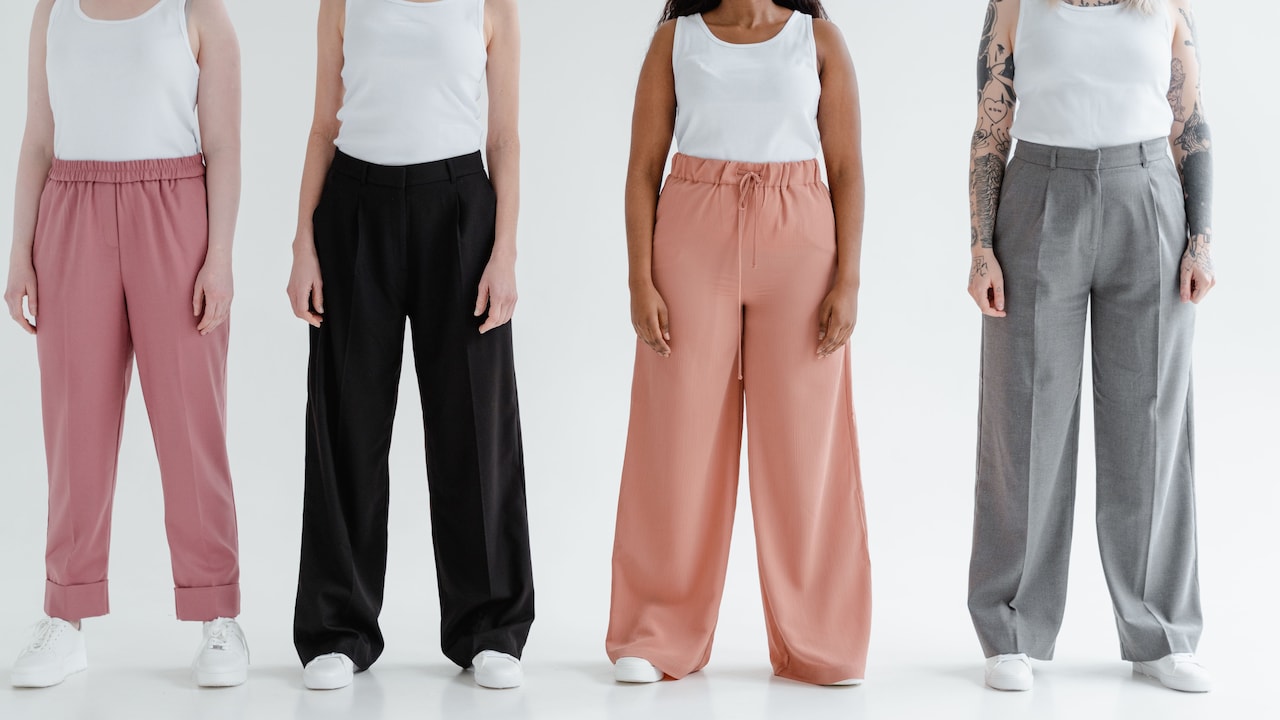
A contoured waistband helps because it narrows slightly towards the top. It follows the body better and sits closer to the back. Curvy-fit jeans also solve this problem for many shoppers. They usually allow more room through the hips and thighs while keeping the waist smaller. When jeans fit the hips but gape at the back, look for these cuts instead of simply sizing down.
The Rise May Hit The Wrong Spot
Rise means the distance from the crotch seam to the top of the waistband. It decides where jeans sit on the body. Low-rise, mid-rise and high-rise jeans can all look stylish, but each one lands differently. When the rise hits an awkward point, waist gaping often follows.
A low-rise pair may sit below the natural waist, where the body widens or moves more. It can slide down easily and create a gap at the back when seated. A mid-rise pair may sit right on a soft fold or curved area, making the waistband tilt. A high-rise pair can gap if the waist is not shaped enough for the narrower part of the torso.
The best rise depends on where the waistband sits flat and stable. A useful test is simple: sit down in the trial room and check the back. If the waistband lifts away immediately, the rise does not suit the body. A different rise can change everything without changing the size.
Sizing Up For Thigh Comfort Creates Waist Trouble
Many shoppers choose jeans based on the thighs first. That makes sense because tight thighs feel unbearable, especially in warm weather or during a long commute. But sizing up only to fit the thighs often creates a loose waist. The jeans then need a belt, which pulls fabric into folds and spoils the shape.
This happens often with skinny, slim and tapered cuts. The thigh area feels restrictive, so the next size looks like the obvious solution. Yet the bigger size increases the waist too. The result is comfort in one place and chaos in another.
A better approach is to change the cut, not just the size. Straight-leg, relaxed taper, bootcut or curvy-fit jeans may give the thighs more breathing room while keeping the waist balanced. Tailoring can also help, but only when the rest of the jeans fit beautifully. Spending ₹300 to ₹700 on a waist alteration makes sense for a strong denim pair, not for jeans that already feel wrong elsewhere.
Also Read: Straight Fit vs Slim Fit Jeans: Which Works Better For Office-Casual Looks?
Pocket And Yoke Placement Change The Fit
The back of jeans does more work than people realise. The yoke, which is the V-shaped seam above the back pockets, shapes how denim sits over the seat and waist. If the yoke is too shallow, too straight or badly placed, the waistband may not hug the lower back. Then the gap appears, even when the size seems correct.
Back pockets also affect the look of fit. Large pockets placed too low can make jeans look loose at the back. Tiny pockets placed too high may exaggerate pulling. While pockets do not directly create the waist gap, they can make a poor fit look even more obvious.
In a trial room, turn around and check the back view properly. The fabric should sit smoothly without a tent-like space above the seat. The yoke should follow the body, not flatten it awkwardly. If the jeans look strange from behind before purchase, they will not magically become loyal after a wash.
Fabric Weight Matters More Than Expected
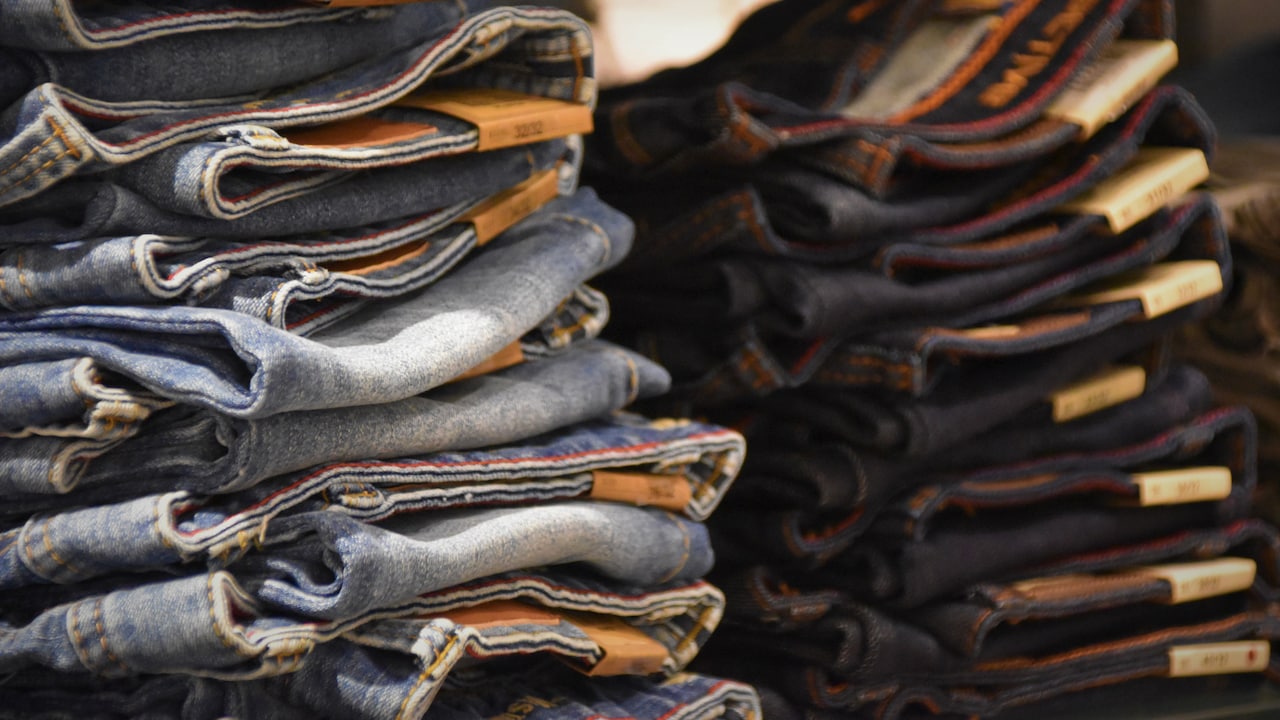
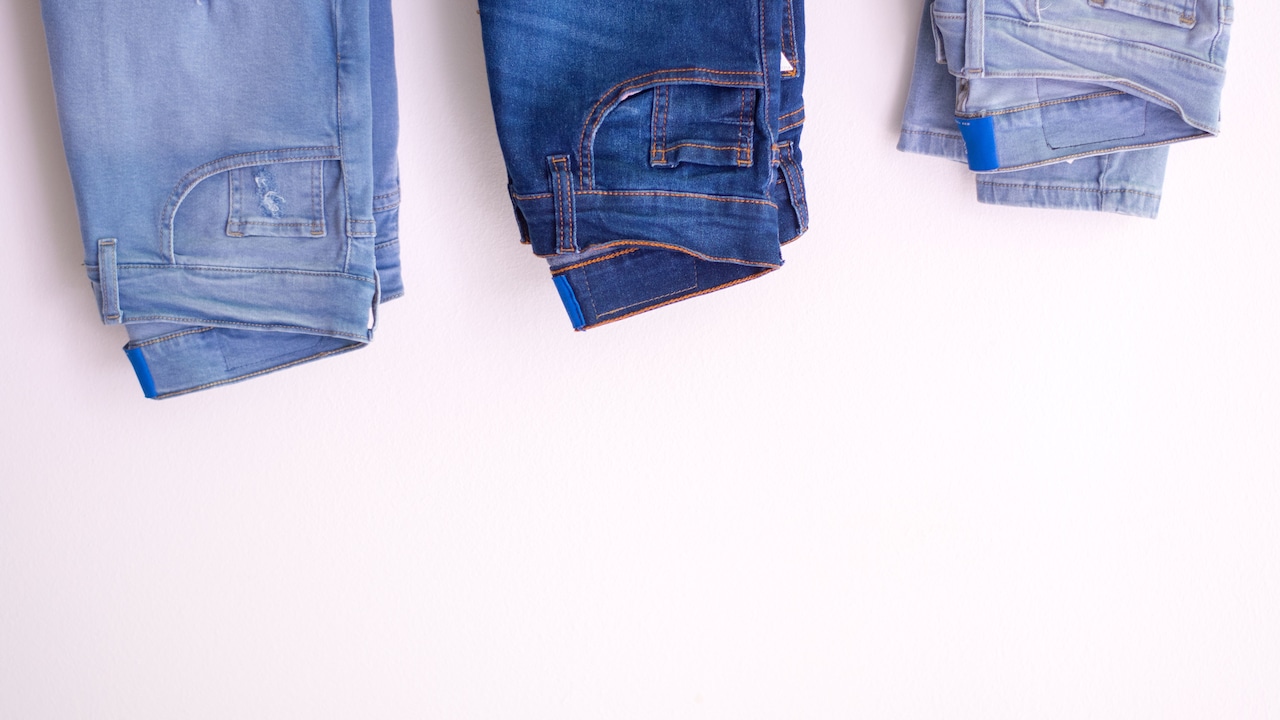
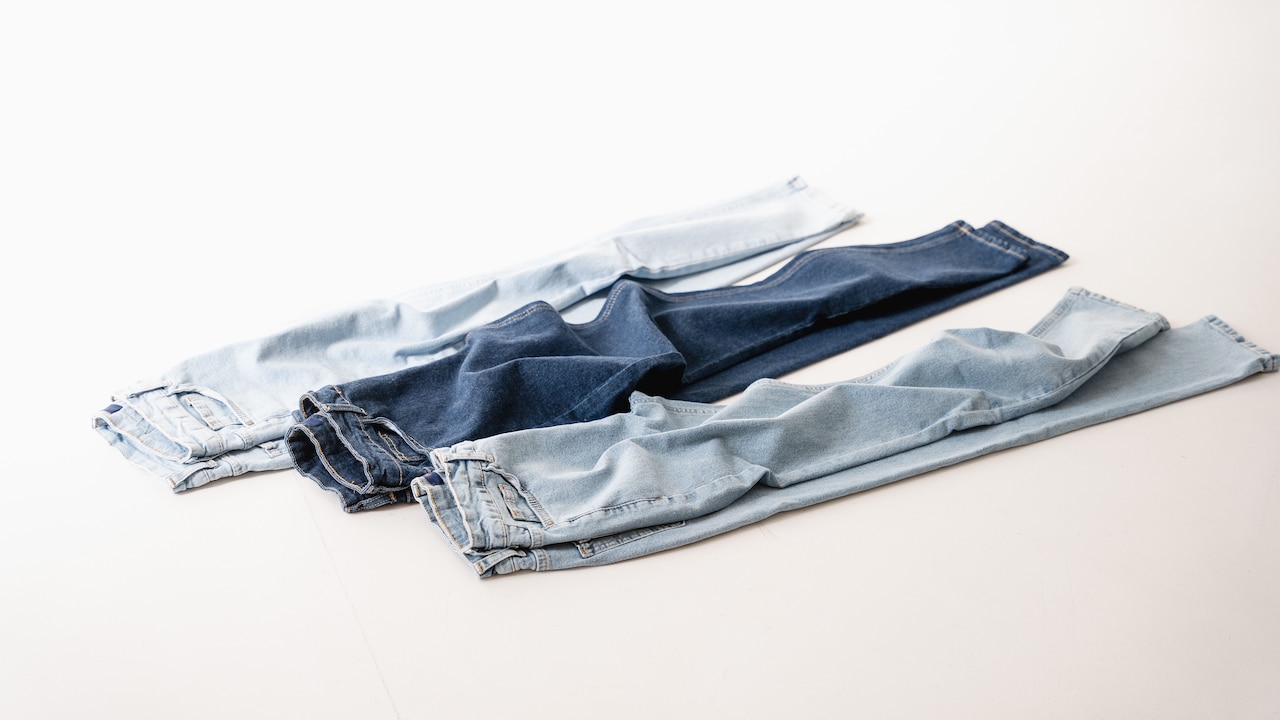
Thin denim feels light and easy, especially during hot months. But very lightweight denim can lack the strength to hold the waist. It stretches, folds and collapses faster. Heavier denim usually gives more structure, so it often controls waist gaping better.
This does not mean everyone needs stiff, old-school jeans that require a warm-up session before wearing. A medium-weight denim often works well for daily use. It gives comfort without turning floppy. The waistband should feel firm between the fingers, not flimsy like a soft legging band.
Price does not always guarantee good fabric. A ₹1,299 pair may hold shape better than a trendy ₹3,999 pair if the fabric blend and cut work well. Check the material, stretch recovery and stitching. Pull the waistband gently and see whether it returns to shape. If it stays stretched in the hand, it may behave the same way on the body.
Why Your Jeans Gap At The Waist: Stretch, Rise And Fit Mistakes To Avoid
Photo Credit: Pexels
Belts Hide The Gap But Do Not Fix It
A belt can rescue a loose waistband for one outing. It cannot fix a poor fit. When jeans gap at the waist, a belt pulls the fabric into bunches. The front may wrinkle, the back may fold, and the side seams may twist. The jeans stay up, but they stop looking clean.
Belts work best when jeans already fit well and need only a little support. They should not perform emergency engineering. If a pair needs the tightest belt hole every time, the waist is too large, or the rise is wrong.
Many people keep buying belts instead of better jeans because it feels cheaper. But three belts bought to manage three bad pairs can cost as much as one good alteration. A tailor can remove extra fabric from the waistband or add darts to some jeans. However, heavy waist reduction can distort pockets and seams. The smartest move remains buying a pair that needs minimal correction from the start.
Washing Habits Can Ruin The Waistband
Even good jeans can start gaping when washed carelessly. Hot water, harsh drying and frequent washing can weaken stretch fibres. Once those fibres lose their recovery, the waistband stops snapping back. The jeans may still look fine on a hanger but feel loose during wear.
Denim does not need washing after every outing unless it has sweat, stains or odour. Overwashing fades colour and tires the fabric. A gentle cold wash helps preserve shape. Turning jeans inside out protects the surface. Air drying works better than harsh heat, which can damage stretch fibres.
Some jeans feel tight after washing, then loosen within an hour. That is normal to a point. But if the waistband keeps expanding and never returns properly, the fabric has lost its discipline. Good denim should relax slightly, not surrender completely. Care may not solve a bad cut, but it can extend the life of a pair that already fits well.
Trendy Cuts Can Ignore Real Bodies
Fashion has a funny way of making everyone chase the same silhouette. One season wants ultra-high waists. Another pushes low-rise jeans with tiny tops. Then wide-leg denim appears everywhere, from malls to wedding shopping trips. Trends can be fun, but they rarely consider individual proportions.
A trendy cut may gap simply because it does not suit the body. Ultra-high-rise jeans can work beautifully for a long torso but feel cramped on a shorter one. Low-rise jeans may look relaxed in a campaign but slide around during real life. Baggy jeans may fit the mood yet leave the waist floating if the cut lacks shaping.
Style should serve comfort, not bully it. The best jeans are not always the most viral pair. They are the ones who let someone sit on a plastic café chair, climb into an auto, walk through a market and still feel put together. A flattering fit beats a passing trend every single time.
Trial Room Checks Should Match Real Life
Many people try on jeans while standing straight for thirty seconds. Real life does not happen like that. Jeans need to handle sitting, bending, walking, eating, travelling and the occasional dash across a road. A quick mirror check misses half the story.
A proper trial-room test should include movement. Sit on the bench. Bend forward. Lift one knee. Walk a few steps. Check whether the waistband moves away from the back. Notice whether the jeans slide down or dig into the stomach. Look for pulling at the crotch, loose fabric under the seat and twisting side seams.
Also, try jeans with the kind of top usually worn with them. A tucked kurti, cropped shirt or office blouse can reveal waistband issues differently. Lighting and mirrors can flatter or confuse, so comfort matters more than drama. If jeans need constant adjusting in the trial room, they will demand even more attention outside.
Why Your Jeans Gap At The Waist: Stretch, Rise And Fit Mistakes To Avoid
Photo Credit: Pexels
Products Related To This Article
1. Levi's Women Straight Fit Jeans
2. KOTTY Women's High Waist Wide Leg Flared Jeans with Trendy Fit and Clean Look
3. Women Wide Leg High Rise Jeans
4. Symbol Premium Women's Loose Flared Jeans
5. Sassafras Women Straight Jeans
6. Ben Martin Women's High Waist Jeans
7. Nifty Women's Cotton Blend Stretchable Mid Rise Jeans
A waist gap can feel like a personal fit problem, but it usually comes from denim design choices. Stretch level, waistband shape, rise, fabric weight, pocket placement and sizing all decide how jeans sit. The body is not the issue. The wrong pair is.
Good jeans should not need constant tugging, a heroic belt or creative posing. They should support movement and still look sharp at the end of the day. The search may take patience, especially when sizes change across brands, but the reward feels worth it. A well-fitting pair becomes a wardrobe workhorse, ready for office errands, café plans, college days and family outings.
The next time jeans fit the hips but leave a gap at the waist, do not settle too quickly. Try a contoured waistband, a different rise, a curvy cut or a sturdier fabric. Move around before buying. Check the back as carefully as the front. Denim should work with the body, not argue with it from morning to night.
(Disclaimer: This article may include references to or features of products and services made available through affiliate marketing campaigns. NDTV Convergence Limited (“NDTV”) strives to maintain editorial independence while participating in such campaigns. NDTV does not assume responsibility for the performance or claims of any featured products or services.)