Why Side Slits In Kurtas Can Ruin Your Entire Look If Placed Wrong
Side slits may seem minor, but the wrong placement can distort proportions, ruin movement, and break the overall look of a kurta. This is why this small detail matters more than you think.
Why Side Slits In Kurtas Can Ruin Your Entire Look If Placed Wrong
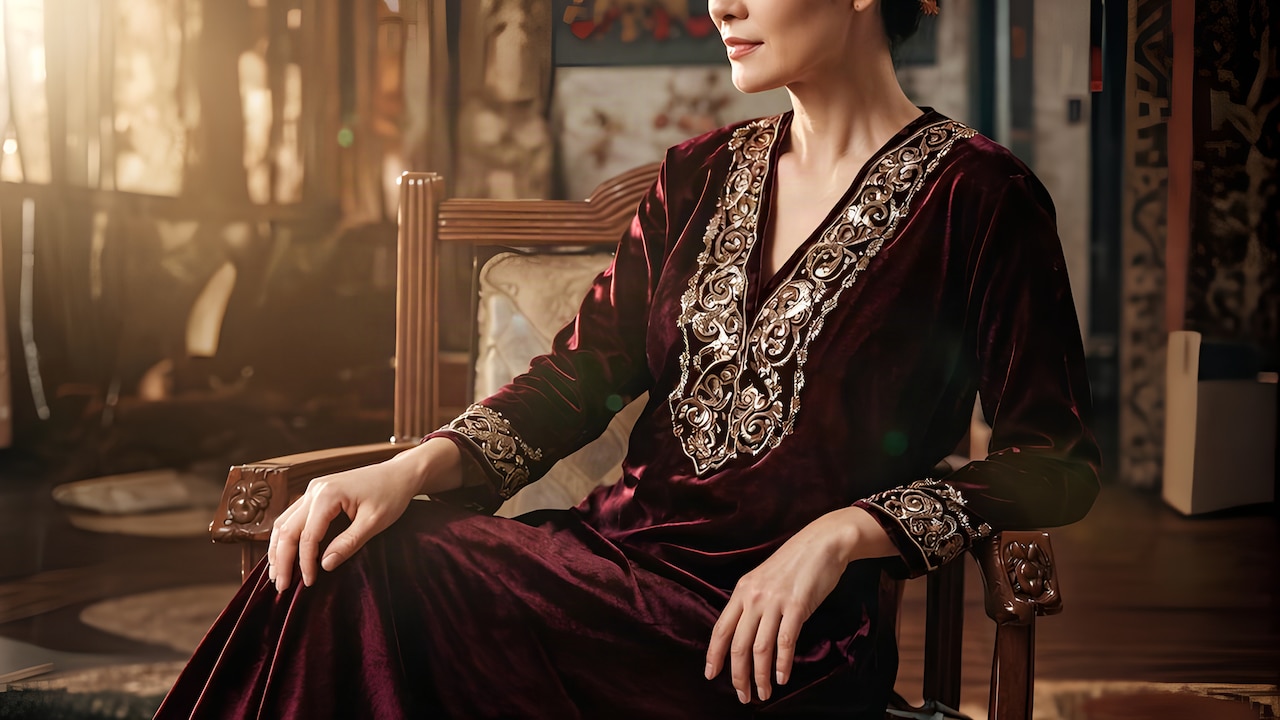
Few garments carry the quiet charm of a kurta. It moves easily between festive gatherings, casual evening wear, and even workplace wardrobes. The fabric, embroidery, and colour often take centre stage, but the structure deserves equal attention. Among these structural details, side slits tend to go unnoticed until something feels off.
A kurta may have the finest fabric worth ₹3,000 or delicate handwork that took weeks, yet a poorly placed slit can undo all that effort. It alters the way the garment falls, how it frames the body, and even how comfortable one feels while wearing it. What seems like a small design choice can create awkward proportions, disrupt balance, or reveal more than intended.
Understanding how side slits work and how they can go wrong helps in choosing or tailoring kurtas that look effortlessly elegant rather than unintentionally flawed.
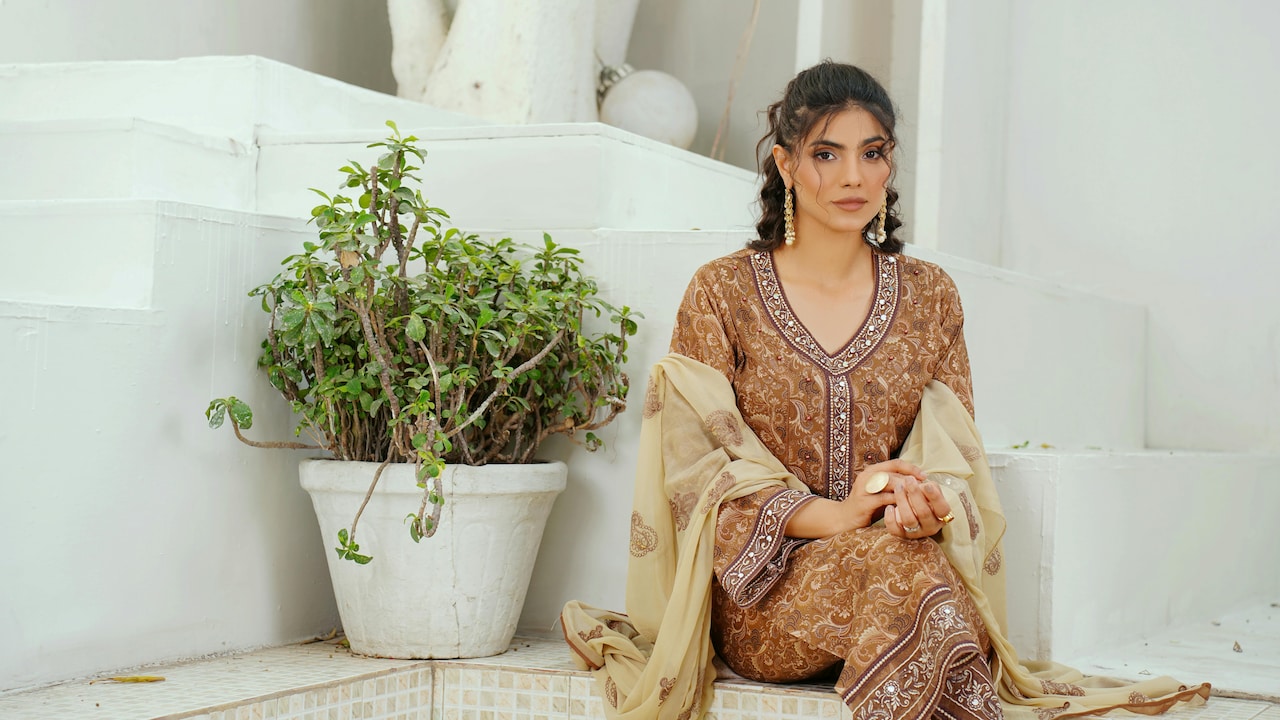
Why Side Slits In Kurtas Can Ruin Your Entire Look If Placed Wrong; Photo Credit: Pexels
How Side Slit Placement Can Make Or Break Your Kurta Look
When The Slit Starts Too High
A slit that climbs too high instantly shifts the mood of a kurta. Instead of looking graceful, the outfit can feel unfinished or overly revealing. Movement becomes tricky, especially in crowded settings or during festive occasions. Walking, sitting, or even climbing stairs may lead to constant adjustments, which ruins the ease a kurta should offer.
High slits often expose the waistband of trousers or leggings, creating a visual break that distracts from the overall look. Rather than appearing sleek, the outfit ends up looking disjointed. Tailors sometimes follow trends blindly, assuming higher slits add modern flair. In reality, they often compromise modesty and comfort.
The ideal slit should begin around the mid-thigh or slightly above the knee, depending on the kurta length. This placement ensures fluid movement without unnecessary exposure. A balanced slit maintains the garment's elegance while allowing it to breathe.
When trying on a kurta, a simple walk in front of a mirror reveals everything. If the slit draws more attention than the design, it is already too high.
When The Slit Is Too Low
While high slits can feel excessive, slits that sit too low create a different problem altogether. They restrict movement and make the kurta appear stiff. Instead of flowing naturally, the garment clings awkwardly to the legs.
Low slits often result in fabric bunching around the knees, especially when sitting or walking quickly. The wearer may feel restricted, almost as if wearing a straight-cut dress rather than a kurta. This defeats the purpose of the traditional design, which allows ease and comfort.
Visually, low slits can make the outfit look bulky. The lower half appears heavy, especially when paired with churidars or fitted trousers. The absence of adequate opening disrupts the silhouette, making even a well-stitched kurta appear poorly fitted.
A balanced slit placement creates harmony between structure and movement. When the slit sits at the right height, the kurta glides with every step instead of resisting it.
Also Read: Explore Stylish And Budget-Friendly Raw Silk Kurta Sets, Ideal For Festive And Casual Occasions
When The Slit Width Is Too Wide
The length of a slit is not the only factor. The width also plays a critical role. A slit that spreads too wide can distort the shape of the kurta entirely. Instead of a neat vertical opening, it flares out awkwardly, especially while walking.
This often happens when the stitching lacks precision or when the fabric stretches over time. The result is an opening that looks messy and unstructured. It can also expose inner garments or create uneven lines that distract from the overall design.
A wide slit tends to exaggerate body proportions. It may make the hips appear broader or the frame look less defined. Even a well-fitted kurta loses its charm when the slit behaves unpredictably.
A properly stitched slit should remain close to the body and open only as needed. It should feel controlled, not chaotic. Attention to this small detail ensures the outfit looks polished rather than careless.
When Fabric And Slit Placement Clash
Not all fabrics respond the same way to slits. Lightweight cotton behaves very differently from heavy silk or stiff linen. When slit placement ignores fabric behaviour, the result can look awkward.
Soft fabrics with high slits may cling too much, revealing body contours in unintended ways. On the other hand, thick fabrics with low slits may feel rigid and bulky. The combination of wrong fabric and poor slit placement often leads to discomfort and an unflattering appearance.
For instance, a flowy georgette kurta with an excessively high slit may appear too revealing, while a heavy brocade kurta with minimal slits may restrict movement entirely. The balance between fabric weight and slit height determines how the garment falls.
Understanding this relationship helps in making better choices. A good kurta design respects both the fabric and the structure, allowing them to complement each other rather than compete.
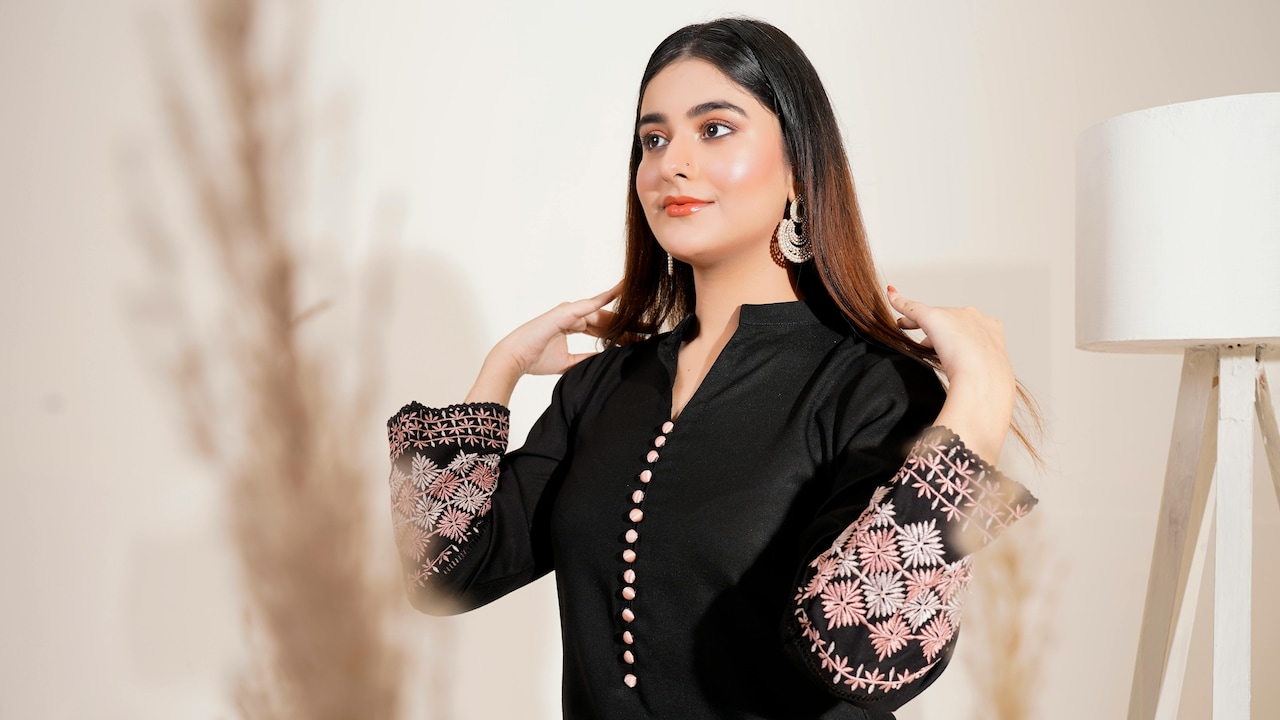
Why Side Slits In Kurtas Can Ruin Your Entire Look If Placed Wrong; Photo Credit: Pexels
When Slits Disrupt Proportions
Side slits influence how the body appears in a kurta. Incorrect placement can distort proportions, making the torso look longer or the legs appear shorter.
A very high slit may shorten the visual length of the kurta, making it resemble a short top rather than a full-length garment. Conversely, a very low slit can make the outfit look elongated but heavy, dragging down the overall appearance.
Proportion plays a subtle yet powerful role in styling. Even a beautifully embroidered kurta worth ₹5,000 can lose its appeal if the proportions feel off. The eye naturally seeks balance, and slits contribute significantly to achieving it.
A well-placed slit enhances natural proportions, creating a flattering silhouette. It frames the body without overpowering it, allowing the design to shine.
When Slits Clash With Bottom Wear
The relationship between a kurta and its bottom wear often gets overlooked. Side slits can either complement or clash with what lies beneath.
High slits paired with loose palazzos may create too much volume, making the outfit look unstructured. The fabric layers compete for attention instead of blending harmoniously. Similarly, low slits with fitted churidars can make the legs appear cramped, and the outfit feel tight.
The key lies in balance. A moderately high slit pairs well with straight pants or cigarette trousers, creating a clean and modern look. Meanwhile, slightly lower slits can work beautifully with flowing bottoms, allowing the outfit to move gracefully.
Ignoring this interplay often leads to outfits that feel mismatched. The kurta and bottom wear should work together, not against each other.
When Slits Affect Comfort In Daily Wear
Comfort remains one of the main reasons people choose kurtas. However, poorly placed slits can compromise that comfort significantly.
High slits may require constant adjustments, especially during long days or crowded commutes. Sitting cross-legged or bending down may feel awkward, drawing unnecessary attention.
Low slits, on the other hand, can restrict movement, making even simple tasks feel inconvenient. Walking briskly, climbing stairs, or getting into a car becomes a struggle.
A well-designed kurta should adapt to daily life effortlessly. Slits should enhance mobility, not hinder it. Comfort and style should go hand in hand, especially for garments worn regularly.
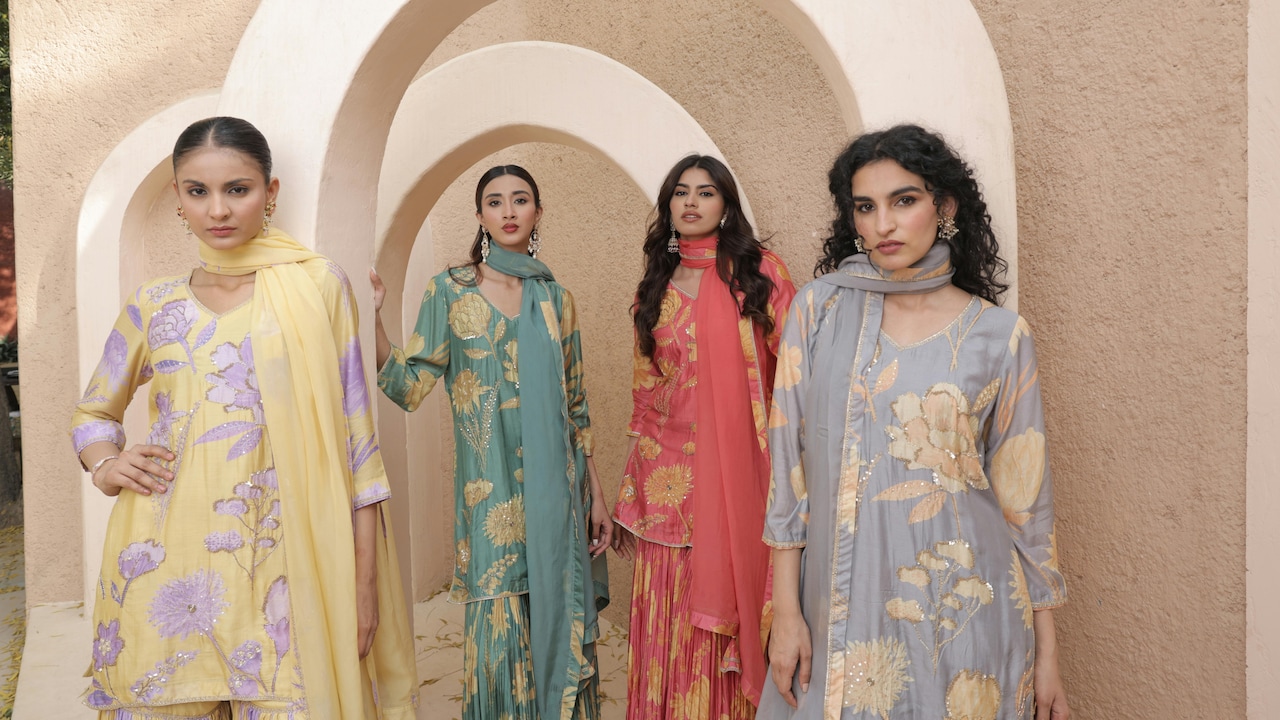
Why Side Slits In Kurtas Can Ruin Your Entire Look If Placed Wrong; Photo Credit: Pexels
When Trends Override Practicality
Fashion trends often push boundaries, encouraging experimentation with silhouettes and cuts. High slits have gained popularity in recent years, often seen in designer collections and festive wear.
However, not every trend suits everyday life. What looks striking on a runway may feel impractical in real settings. Blindly following trends without considering personal comfort or body type can lead to disappointing results.
A kurta should reflect individual style rather than temporary fashion waves. Choosing slit placement based on practicality ensures the outfit remains wearable beyond a single season.
Timeless style often lies in balance, not extremes. A thoughtfully placed slit never goes out of fashion.
When Tailoring Lacks Precision
Even the best design can fail if the tailoring falls short. Uneven slits, rough edges, or inconsistent stitching can ruin the entire look of a kurta.
A poorly stitched slit may twist or fold awkwardly, creating an untidy appearance. It can also weaken the fabric over time, leading to tears or fraying.
Attention to detail makes all the difference. Clean lines, reinforced stitching, and symmetrical placement ensure the kurta looks refined. Investing in skilled tailoring often proves more valuable than spending on expensive fabric alone.
A well-crafted slit blends seamlessly into the design, enhancing the overall finish without drawing unnecessary attention.
When Personal Body Type Is Ignored
Everybody's type interacts differently with clothing. Slit placement that flatters one person may not suit another. Ignoring this can lead to outfits that feel uncomfortable or unflattering.
For instance, taller individuals may carry higher slits with ease, while shorter frames may find them overwhelming. Similarly, those with broader hips may prefer moderate slits that create balance rather than exaggeration.
Understanding personal proportions helps in choosing the right slit height and placement. A kurta should complement the wearer, not compete with them.
Customisation often works best. Small adjustments can transform a standard kurta into something that feels tailored and flattering.
Products Related To This Article
1. Anouk Floral Printed Round Neck Cotton Straight Kurta
2. KJTRENDS Women Floral Printed Thread Work Floral Kurta
3. Melange by Lifestyle Floral Printed Notch Neck Straight Kurta
4. KKOUTFITS Women Floral Printed Indie Prints Kurta
5. Fashionable Chikan Handikraft Women Embroidered Kurta
Side slits may seem like a minor detail, but they hold a surprising influence over how a kurta looks and feels. From altering proportions to affecting comfort, their placement shapes the entire experience of wearing the garment.
A thoughtfully designed slit enhances movement, complements the silhouette, and maintains elegance. On the other hand, poor placement can disrupt balance, create discomfort, and overshadow even the finest craftsmanship.
Choosing the right kurta involves more than selecting colours or patterns. It requires attention to structure, fit, and those subtle details that often go unnoticed. When side slits are placed with care, they elevate the outfit effortlessly. When they are not, they remind us that even the smallest design choices can make a lasting impression.
(Disclaimer: This article may include references to or features of products and services made available through affiliate marketing campaigns. NDTV Convergence Limited (“NDTV”) strives to maintain editorial independence while participating in such campaigns. NDTV does not assume responsibility for the performance or claims of any featured products or services.)