Belts That Do Not Crack After A Few Months: What To Look For
Tired of belts cracking within months? The secret lies in material, stitching, and care. This is how to choose a belt that lasts longer and looks better over time.
Belts That Do Not Crack After A Few Months: What To Look For
A belt often feels like a small purchase, tucked between bigger wardrobe essentials. Yet, it quietly does a lot of heavy lifting, literally and stylistically. It holds everything together while adding a finishing touch to an outfit. That's why it feels especially frustrating when a belt starts cracking or peeling within a few months, leaving behind a worn-out look that no amount of polish can fix. Walk into any market or browse online, and the choices seem endless. Prices vary from ₹300 to ₹3,000, sometimes even more, but the lifespan doesn't always follow the price tag. That is where confusion begins. What makes one belt last years while another gives up halfway through the season? The answer lies in a mix of materials, craftsmanship, and everyday habits. A little awareness can save money, reduce waste, and keep wardrobes looking sharp. This guide explores ten key factors that separate durable belts from those that crumble too soon.
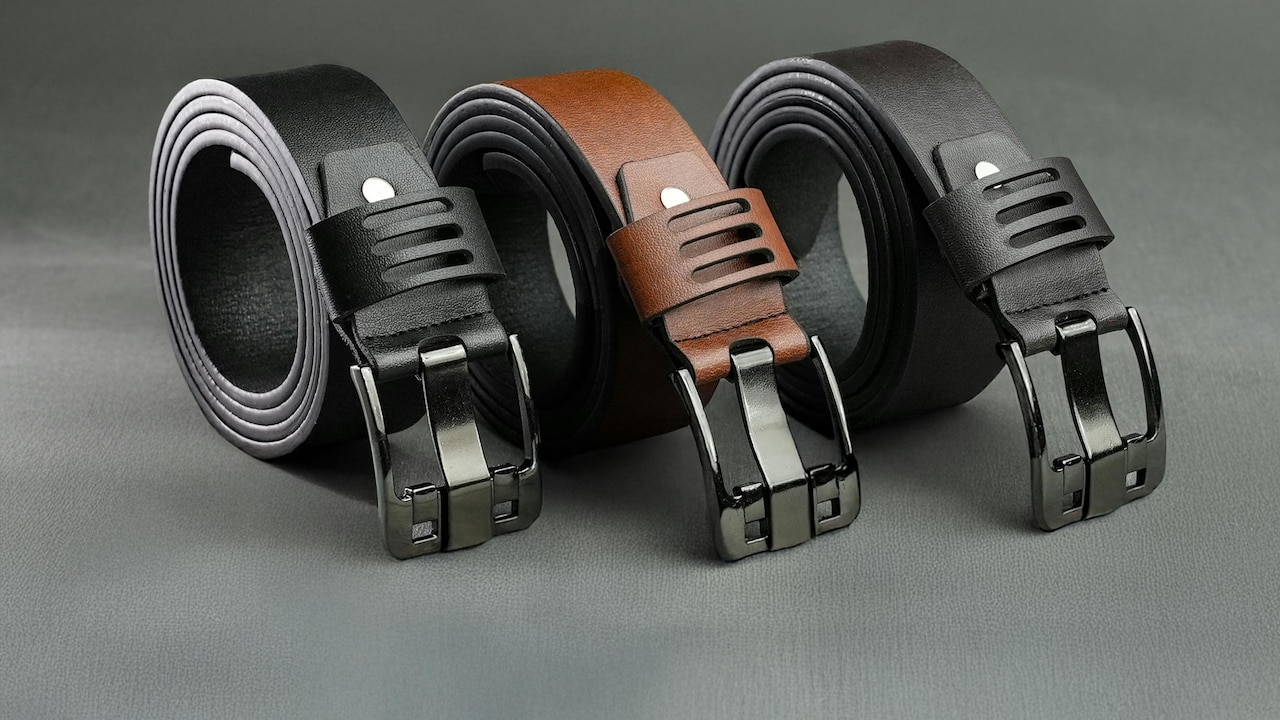
Belts That Do Not Crack After A Few Months: What To Look For; Photo Credit: Pexels
Key Features To Check Before Buying A Durable Belt
Understanding The Material Matters More Than The Price
The material forms the backbone of any belt. Genuine leather, full-grain leather, and synthetic blends each come with their own personality and lifespan. Full-grain leather, often considered the best, retains natural fibres and ages beautifully. It may feel stiff at first, but over time it softens and develops a rich patina.
On the other hand, bonded leather or synthetic materials might look attractive on the rack but often crack under regular use. These materials are made from scraps glued together, which means they lack strength and flexibility. Within months, especially in humid weather, they begin to peel.
Price can mislead here. A ₹1,500 belt made from bonded leather might not last as long as a ₹900 belt crafted from decent-quality genuine leather. It helps to check labels carefully and, if possible, feel the belt. Real leather usually has a natural grain and slight imperfections, while synthetic ones feel overly smooth and uniform.
Choosing the right material may seem like a small step, but it sets the tone for how long the belt will survive daily wear.
The Importance Of Stitching And Construction
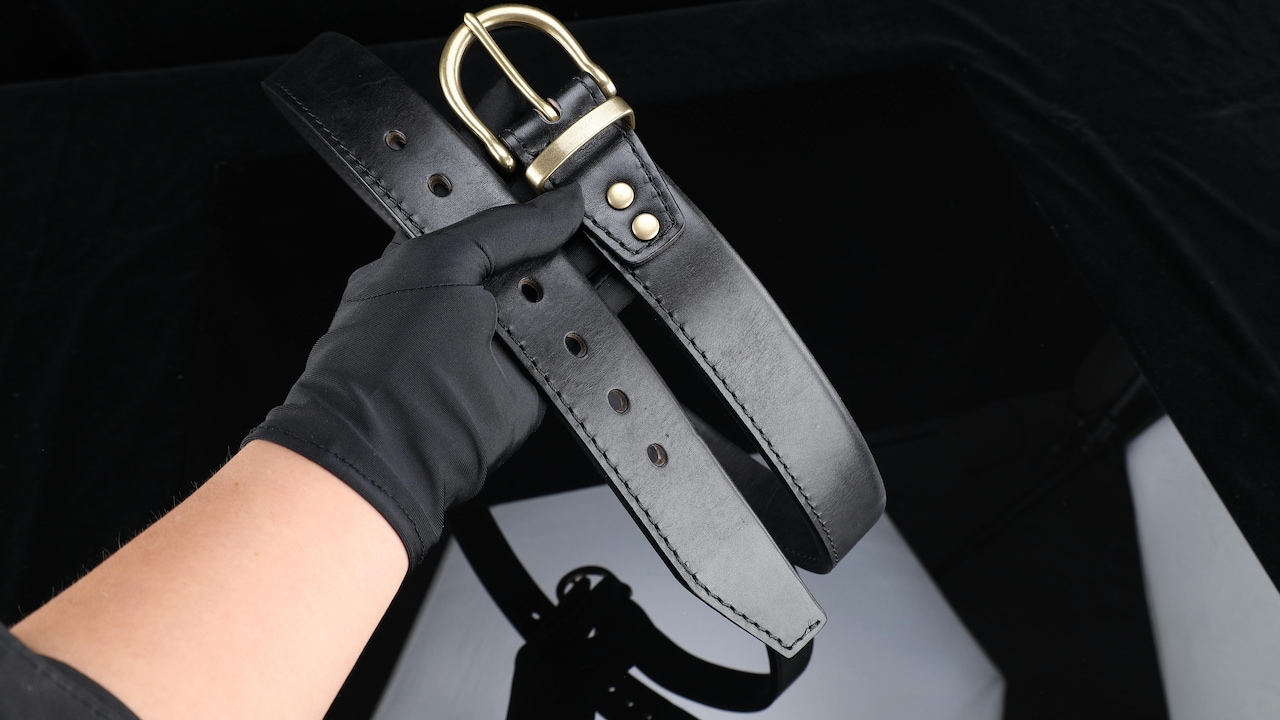
A belt's stitching often goes unnoticed, yet it speaks volumes about its durability. Strong stitching holds the layers together and prevents separation over time. A well-made belt will have even, tight stitches that run consistently along the edges.
Cheap belts often cut corners here. Loose or uneven stitching can unravel quickly, especially when the belt bends repeatedly during use. Once the stitching weakens, cracks follow soon after, and the belt loses its shape.
Double stitching adds an extra layer of strength. While it might not seem necessary for a casual belt, it makes a significant difference in longevity. Think of it as reinforcement that helps the belt withstand daily wear without giving in.
Construction also matters. A single-piece leather belt tends to last longer than one made of multiple layers glued together. Glue can weaken over time, especially with exposure to heat and moisture, leading to peeling.
Paying attention to stitching may not feel glamorous, but it quietly ensures that the belt stays intact long after the first few wears.
Also Read: Women's Belts That Flatter The Waist Without The Pain: Trendy Styles On A Budget
Why Thickness Plays A Key Role
Thickness often gets mistaken for stiffness, but the two are not the same. A belt that is too thin lacks strength and bends excessively, leading to cracks along stress points. On the other hand, a well-balanced thickness offers durability without compromising comfort.
A thicker belt distributes pressure evenly, reducing the chances of stress lines forming. This becomes especially important for those who wear belts daily, whether at work or while travelling. Over time, thin belts tend to crease at the same spots, eventually leading to visible cracks.
However, overly thick belts can feel rigid and uncomfortable, especially in warm weather. The ideal choice strikes a balance, firm enough to hold shape, yet flexible enough to move naturally.
When picking a belt, gently bend it. A good one will flex slightly without forming sharp creases. That small test often reveals how it will behave after months of use.
Thickness may seem like a minor detail, but it quietly decides whether a belt stays smooth or develops those dreaded cracks.
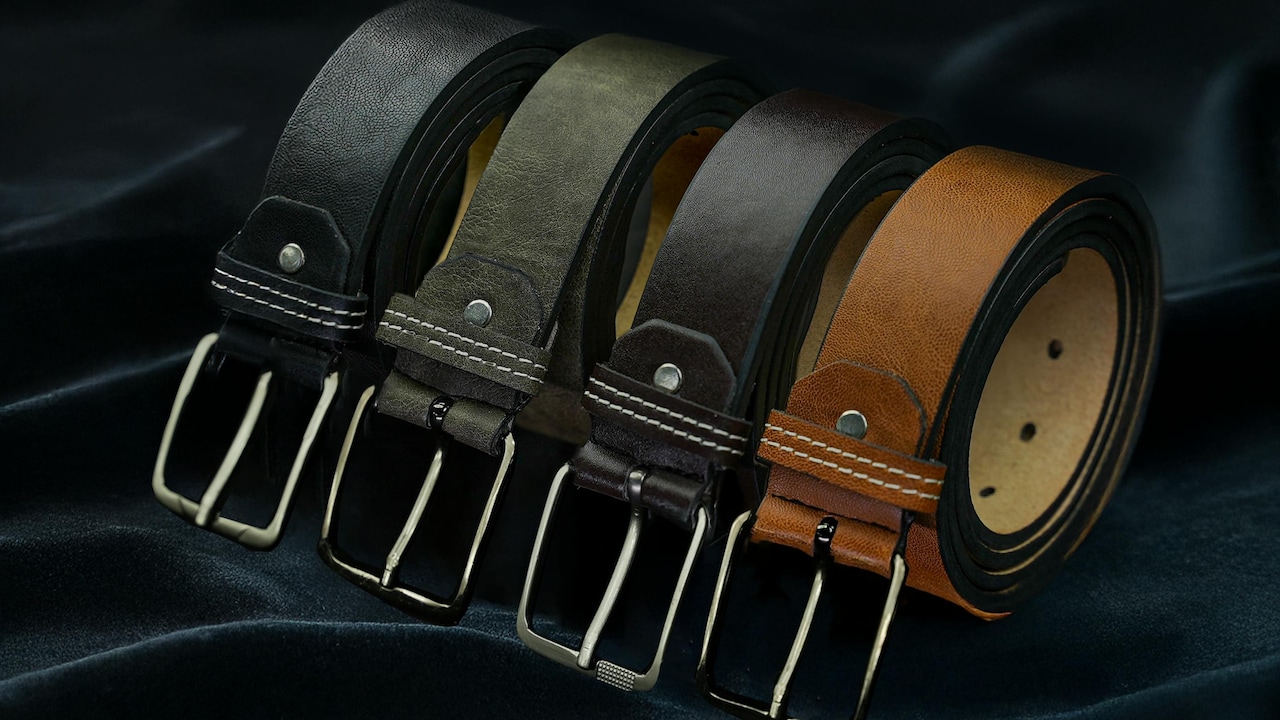
Belts That Do Not Crack After A Few Months: What To Look For; Photo Credit: Pexels
The Role Of Finish And Coating
The finish of a belt can either protect it or become its biggest weakness. Many belts come with a polished coating that gives them a glossy, refined look. While this may appear appealing, some finishes are prone to cracking over time.
A heavy synthetic coating often hides lower-quality leather underneath. As the belt bends, this coating struggles to keep up, eventually leading to visible cracks and peeling. It's similar to paint chipping off a wall; once it starts, it spreads.
Natural finishes, on the other hand, allow the leather to breathe. They may not look as shiny initially, but they age gracefully. Instead of cracking, they develop a subtle sheen that adds character.
Matte finishes usually last longer than overly glossy ones. They show wear less dramatically and maintain their look over time. Choosing a belt with a simple, understated finish often proves to be a wiser decision.
In the long run, a belt that ages naturally feels far more satisfying than one that loses its charm within a few months.
Buckle Quality Is Not Just About Style
The buckle might seem like a decorative element, but it plays a crucial role in durability. A poorly made buckle can put uneven pressure on the belt, leading to stress points that eventually crack.
Metal quality matters here. A sturdy buckle made from solid metal lasts longer and holds the belt securely. Lightweight or hollow buckles may look similar at first glance but tend to loosen or bend over time.
The way the buckle attaches to the belt also deserves attention. Secure rivets or stitching to ensure that the buckle stays in place. Weak attachments can cause the belt to twist, increasing the chances of cracks forming along the edges.
A smooth buckle mechanism prevents unnecessary strain. If fastening the belt feels like a struggle, it often indicates poor alignment or design, which can shorten the belt's lifespan.
Choosing a reliable buckle might not feel exciting, but it quietly supports the belt through everyday wear, keeping it functional and intact.
Climate And Daily Use Make A Difference
Weather plays a bigger role than most realise. Humidity, heat, and sudden temperature changes can affect belt materials significantly. In coastal areas, moisture can weaken leather fibres, making them more prone to cracking.
Daily habits also matter. Wearing the same belt every day does not give it time to recover from stress. Leather, like any natural material, benefits from occasional rest. Rotating between two or three belts can extend their lifespan noticeably.
Sweat and dust also contribute to wear. Over time, these elements settle into the belt, affecting its texture and flexibility. Regular cleaning can help maintain its condition.
Even something as simple as how tightly a belt is worn can influence durability. Excessive tension creates unnecessary strain, leading to cracks along bending points.
Understanding how the environment and usage interact with materials helps in making better choices and maintaining belts for longer periods.
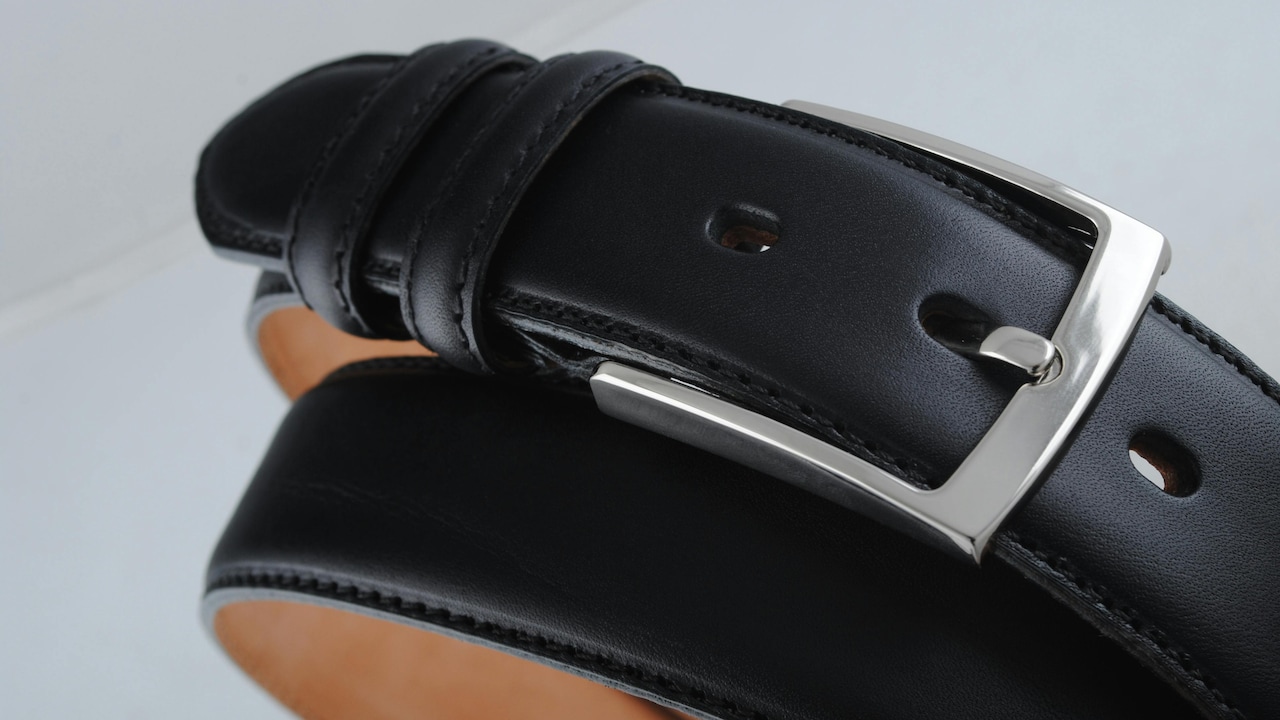
Belts That Do Not Crack After A Few Months: What To Look For; Photo Credit: Pexels
The Value Of Edge Finishing
Edges might seem like a minor detail, but they often reveal the quality of a belt. Well-finished edges feel smooth and sealed, preventing fraying and moisture absorption. Poorly finished edges, on the other hand, tend to crack and peel over time.
Edge painting or burnishing adds protection. Burnished edges, often found in higher-quality belts, involve polishing the leather to create a smooth, sealed finish. This method enhances durability while maintaining a natural look.
In contrast, cheap edge paint may start chipping within months, exposing the inner layers of the belt. Once this happens, the belt begins to deteriorate faster.
Running a finger along the edge can reveal a lot. A smooth, consistent finish indicates good craftsmanship, while rough or uneven edges hint at shortcuts taken during production.
Paying attention to edges might feel excessive, but it often makes the difference between a belt that lasts years and one that falls apart prematurely.
Why Brand Reputation Still Matters
While not every expensive brand guarantees quality, reputation often reflects consistency. Established brands tend to maintain certain standards in materials and craftsmanship, reducing the risk of early damage.
That said, smaller or lesser-known brands can also offer excellent value. The key lies in checking reviews, understanding materials, and observing details rather than relying solely on the name.
Spending ₹1,200 on a well-reviewed belt from a reliable brand often proves more worthwhile than spending ₹800 on something that needs replacing within months. Over time, durability translates to better value.
Word of mouth also plays a role. Recommendations from friends or family often lead to surprisingly good finds. A belt that has lasted someone two years is usually a safer bet than one with flashy marketing.
Brand reputation should guide decisions, not dominate them. Combining it with careful observation leads to smarter purchases.
Maintenance Habits That Extend Lifespan
Even the best belt needs care. Simple habits can significantly extend one's life. Wiping the belt occasionally with a dry cloth removes dust and prevents buildup that can damage the surface.
Conditioning leather belts every few months keeps them supple. Dry leather tends to crack, especially in warm climates. A small amount of conditioner can restore flexibility and prevent damage.
Proper storage also matters. Hanging belts or laying them flat helps maintain their shape. Folding them tightly can create stress points that lead to cracks.
Avoid exposing belts to direct sunlight for long periods. Heat can dry out materials and weaken their structure. Similarly, keeping belts away from excessive moisture prevents deterioration.
Maintenance may sound like extra effort, but it takes only a few minutes and pays off in years of extended use.
Recognising Early Signs Of Wear
Catching problems early can prevent bigger issues later. Small creases or slight stiffness often indicate that a belt needs attention. Ignoring these signs can lead to cracks that are difficult to fix.
Edges starting to peel or stitching loosening are also warning signs. Addressing them early, whether through minor repairs or adjustments, can extend the belt's life.
Sometimes, a belt simply reaches the end of its journey. Recognising this avoids frustration and helps in making timely replacements.
Observing wear patterns also helps in choosing better belts in the future. Noticing where cracks appear can reveal whether the issue lies in material, fit, or usage habits.
Awareness turns a simple accessory into something that lasts longer and performs better over time.
Products Related To This Article
1. Mali Fionna Women Belt
2. Max Women Belt With Tang Closure
3. CRUSSET Women Vegan Leather Waist Belt for Jeans Dresses Casual Formal Wear
4. Punnu Women Textured Slim Belt
5. DressBerry Women PU Reversible Belt
A belt may seem like a small detail in a wardrobe, but its impact is far from minor. Choosing one that does not crack after a few months requires attention to material, construction, and everyday care. It is less about chasing trends and more about understanding what truly holds up over time.
A well-chosen belt becomes a reliable companion, adapting to daily routines without losing its charm. It may cost a little more upfront, but it saves both money and effort in the long run.
The next time a belt catches the eye, a closer look can reveal whether it is built to last or destined to disappoint. With the right approach, finding a durable belt becomes less of a gamble and more of a confident choice.
(Disclaimer: This article may include references to or features of products and services made available through affiliate marketing campaigns. NDTV Convergence Limited (“NDTV”) strives to maintain editorial independence while participating in such campaigns. NDTV does not assume responsibility for the performance or claims of any featured products or services.)