The Real Reason Your Sneakers Start Smelling Too Fast
Your sneakers don’t smell because of sweat alone. Hidden bacteria, daily habits, and poor drying routines turn them into odour traps faster than expected.
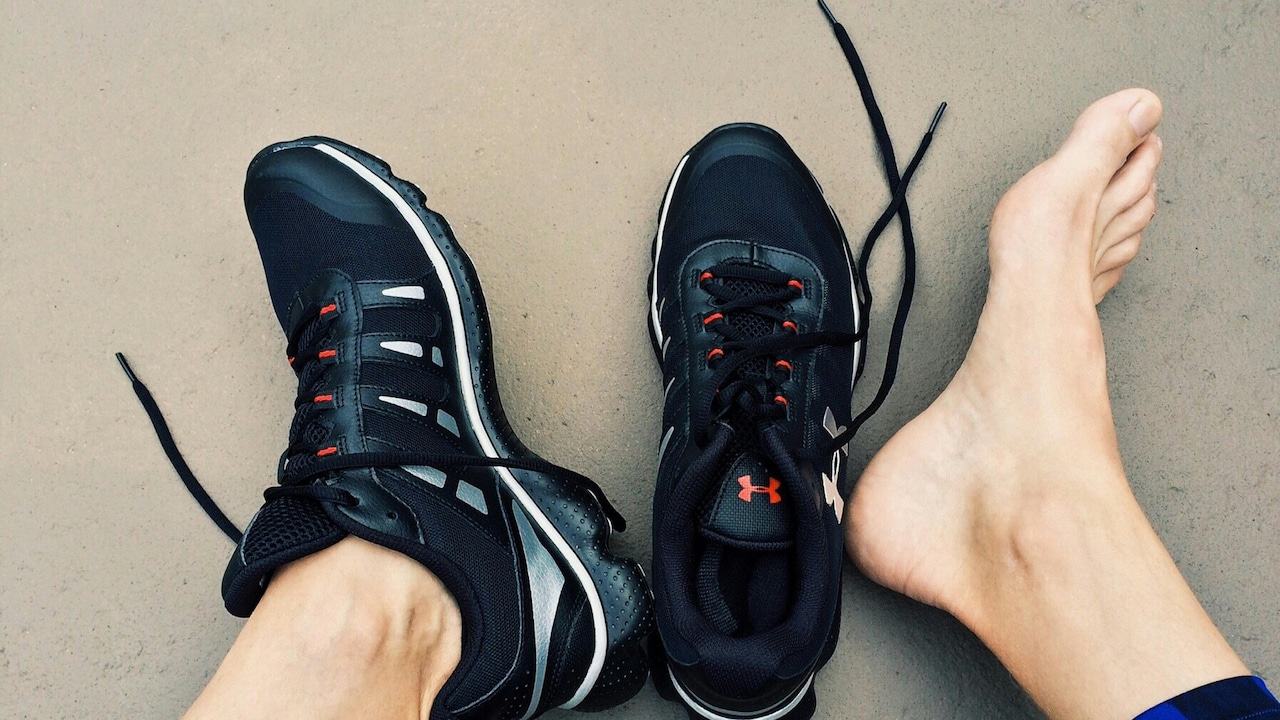
10 important things to know about shoes that smell bad
Nothing ruins the joy of slipping into a favourite pair of sneakers quite like a sudden whiff of something questionable. The experience feels oddly universal. A new pair gets worn on morning walks, errands, casual outings, maybe even a spontaneous cricket match in the colony. Then, almost without warning, the smell arrives.

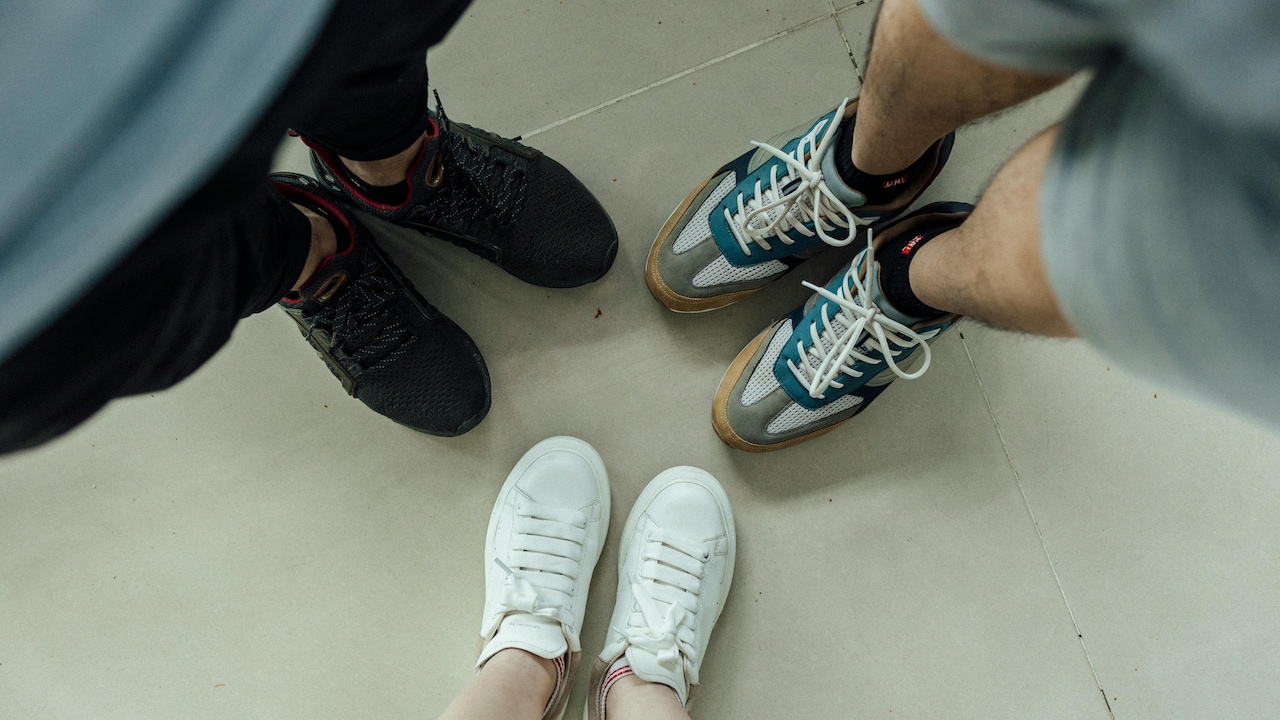
Popular culprits that make sneakers develop a foul smell; Photo Credit: Pexels
Blaming sweat seems obvious, but the story runs deeper. The real reasons sit in daily routines, weather conditions, and even the way shoes are stored. In cities where humidity clings to the air and monsoon puddles appear overnight, sneakers face a tougher life than most realise.
This article unpacks why sneakers start smelling faster than expected and, more importantly, what habits quietly contribute to the problem. Each reason reveals how small, everyday choices shape what happens inside those shoes long after they leave the store shelf.
Also Read: Best White Sneakers with Minimalist Design for Versatile Style Under ₹1100
Why Your Sneakers Start Smelling So Quickly
Sweat Is Not The Villain, Bacteria Is
Sweat often takes the blame for smelly sneakers, but sweat alone has no smell. The real culprit lies in bacteria that thrive in warm, damp environments. Feet naturally sweat throughout the day, especially in a climate where temperatures rarely stay mild. Once moisture settles into the shoe, bacteria find the perfect place to multiply.
Sneakers, especially those made with synthetic materials, trap heat and limit airflow. This creates a closed environment where bacteria break down sweat into compounds that produce that unmistakable odour.
Think of it like leaving damp clothes in a washing machine overnight. The smell does not come from water but from what grows in that moisture. Sneakers behave in a similar way.
The faster moisture accumulates and stays trapped, the quicker bacteria flourish. Without proper drying time or ventilation, even a brand-new pair can start smelling within days.
Wearing The Same Pair Every Day
Routine often favours convenience. One reliable pair of sneakers gets used for everything: morning walks, college lectures, quick grocery runs, and evening outings. While this seems practical, it does not give the shoes enough time to dry out between uses.
After a full day of wear, sneakers absorb moisture from sweat and the environment. Leaving them to rest for at least 24 hours allows this moisture to evaporate. Without that break, dampness lingers, and bacteria continue to grow.
Rotating between two pairs can make a surprising difference. It is not about owning expensive collections worth ₹10,000 or more. Even two modest pairs can reduce odour significantly.
Skipping this simple habit is like reusing a damp towel every day. It might feel fine initially, but over time, the smell becomes unavoidable.
Ignoring Socks Or Choosing The Wrong Ones
Skipping socks might feel liberating, especially in hot weather, but it accelerates the problem. Socks act as a barrier, absorbing sweat before it reaches the shoe. Without them, moisture goes straight into the inner lining.
Even when socks are worn, the type matters. Synthetic socks often trap heat and moisture, creating a perfect environment for odour. Cotton socks, while breathable, can hold moisture if too thick.
The ideal choice lies in moisture-wicking fabrics that keep feet dry throughout the day. Many affordable options in local markets perform just as well as premium brands.
A small detail like socks can change how long sneakers stay fresh. Ignoring it is like cooking without basic spices; something essential is missing, and the result suffers.
Humidity And Weather Play A Bigger Role Than Expected
Weather conditions quietly shape how sneakers age and smell. In regions where humidity stays high, moisture does not evaporate easily. Even after a day of wear, sneakers may feel dry on the surface but remain damp inside.
Monsoon season makes things worse. Walking through puddles or damp streets introduces external moisture, which seeps into the fabric. Without proper drying, this moisture lingers for days.
Unlike colder climates, where shoes dry overnight, humid conditions slow down the process. This gives bacteria more time to grow and produce odour.
Leaving sneakers near a window or under a fan can help, but many overlook this step. Shoes often get tossed into a corner, still carrying the day's moisture. Over time, this habit builds the perfect environment for a persistent smell.
Poor Shoe Storage Habits
Where sneakers rest after a long day matters more than expected. Storing them in closed cupboards or dark corners traps moisture and limits airflow. Even a slightly damp shoe can develop odour quickly in such conditions.
Open spaces with good ventilation allow moisture to escape. Sunlight, even indirect, helps reduce bacterial growth.
A common habit involves keeping shoes in boxes to maintain their shape or protect them from dust. While this works for new or rarely used pairs, daily sneakers need breathing space.
Think of it like storing wet clothes in a suitcase. The lack of air circulation turns a small issue into a bigger one.
Simple changes, such as leaving shoes near a window or using a shoe rack with airflow, can significantly reduce odour over time.
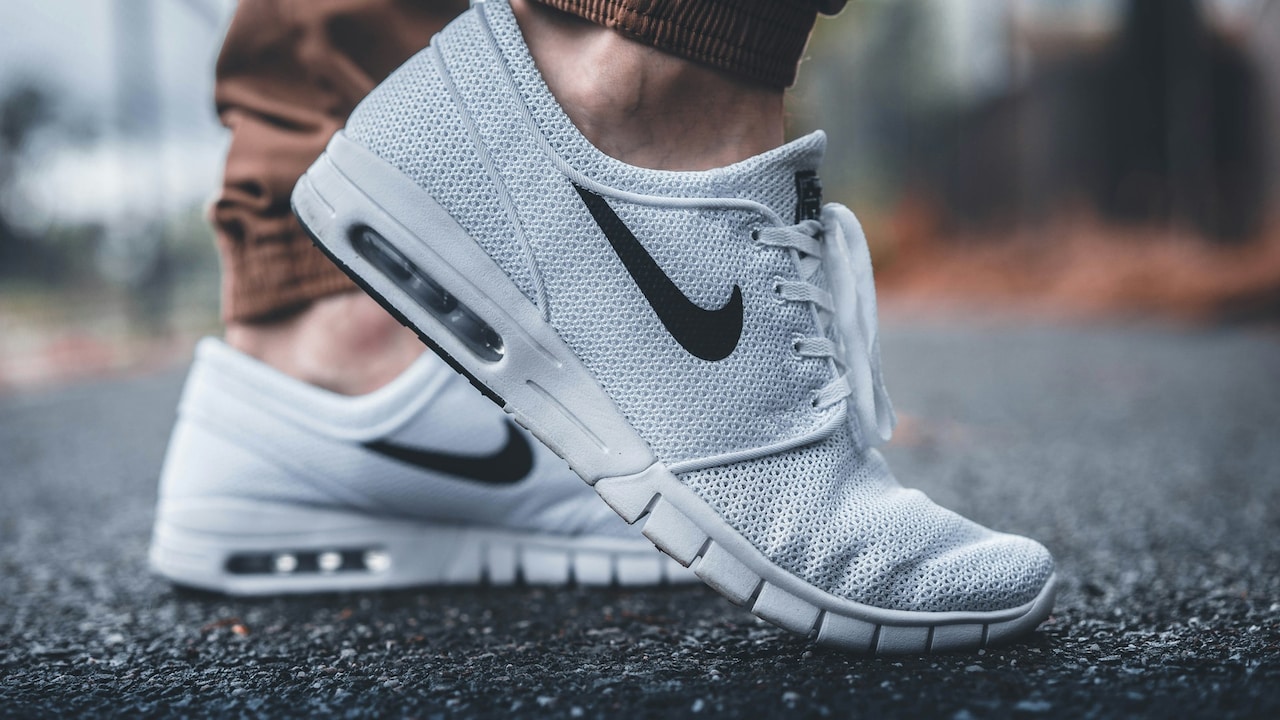
Not giving your shoes enough space and air to breathe can also cause them to smell easily; Photo Credit: Unsplash
Skipping Regular Cleaning
Sneakers often get cleaned only when visible dirt appears. However, odour builds up long before stains become noticeable. Sweat, dust, and bacteria accumulate inside the shoe, creating layers that worsen the smell.
Regular cleaning does not require elaborate methods or expensive products. A gentle wash every few weeks, depending on usage, keeps bacteria under control.
Ignoring this step is similar to neglecting bedsheets. They may look clean, but over time, they collect sweat and dust that affect freshness.
Even simple practices like wiping insoles, airing them out, or using mild soap can make a difference. Waiting until the smell becomes strong only makes it harder to eliminate.
Low-Quality Materials Trap More Odour
Not all sneakers are built the same. Budget-friendly options often use materials that prioritise cost over breathability. Synthetic linings and dense foam can trap heat and moisture, accelerating bacterial growth.
This does not mean spending ₹8,000 or more guarantees freshness. However, choosing sneakers with breathable mesh or better ventilation can reduce odour issues.
Materials that allow airflow help moisture evaporate faster, making it harder for bacteria to thrive.
Think of it like clothing. Lightweight, breathable fabrics feel more comfortable in warm weather compared to heavy, synthetic ones. Sneakers follow the same principle.
A careful choice at the time of purchase can prevent future frustration.
Foot Hygiene Often Gets Overlooked
Sneakers take the blame, but foot hygiene plays a crucial role. Feet sweat throughout the day, and without proper care, bacteria from the skin transfer directly into the shoe.
Washing feet regularly, drying them thoroughly, and keeping nails trimmed can reduce the chances of odour. Even a small habit like drying between toes makes a difference.
Ignoring this aspect is like expecting clean shoes with muddy feet. The problem starts before the shoe even comes into contact.
Daily routines may feel rushed, especially during busy mornings, but skipping basic hygiene steps contributes significantly to the issue.
A clean base ensures sneakers stay fresher for longer.
Using Sneakers For Everything
Sneakers often become the go-to footwear for every activity. Morning walks, gym sessions, casual outings, and even light sports, all handled by the same pair.
Each activity introduces different levels of sweat and stress. Gym workouts, for instance, produce more moisture compared to a casual stroll. Using the same pair for all activities accelerates wear and odour buildup.
Dedicated shoes for specific purposes can help. Even a simple separation between workout shoes and daily wear can extend freshness.
It is similar to using one towel for all purposes. Eventually, it loses its effectiveness. Sneakers deserve the same level of consideration.
Ignoring Early Signs Of Odour
The first hint of smell often goes unnoticed or gets ignored. At this stage, the problem remains manageable. However, delaying action allows bacteria to build up, making the smell stronger and harder to remove.
A quick response, airing out the shoes, cleaning insoles, or using basic remedies, can prevent the issue from escalating.
Waiting until the smell becomes obvious is like ignoring a small leak until it turns into a bigger problem.
Paying attention to early signs can save both effort and money in the long run.
Products Related To This Article
1. HRX by Hrithik Roshan Unisex Back To School Shoes
2. CASSIEY Women PU High-Top Sneakers
3. Red Tape Men Colourblocked Sneakers
4. Puma Women Courtismo Sneakers
5. ASIAN Men Colourblocked Sneakers
Sneakers do not start smelling overnight without reason. The process builds quietly through daily habits, environmental factors, and small oversights. Sweat plays a role, but bacteria, moisture, and lack of care drive the real problem.
The good news lies in how simple the solutions can be. Rotating shoes, choosing the right socks, improving storage habits, and maintaining basic hygiene can extend freshness significantly.
Sneakers often carry memories, long walks, spontaneous plans, and everyday routines. Keeping them fresh is less about expensive products and more about mindful habits.
A little attention goes a long way. And with the right approach, that unpleasant smell can remain a rare visitor rather than a regular guest.
(Disclaimer: This article may include references to or features of products and services made available through affiliate marketing campaigns. NDTV Convergence Limited (“NDTV”) strives to maintain editorial independence while participating in such campaigns. NDTV does not assume responsibility for the performance or claims of any featured products or services.)