Metal vs Acetate Frames: Which One Lasts Longer In Daily Use?
Metal and acetate frames both promise durability, but daily use tells a different story. From flexibility to wear and tear, here’s which material truly lasts longer in everyday life.
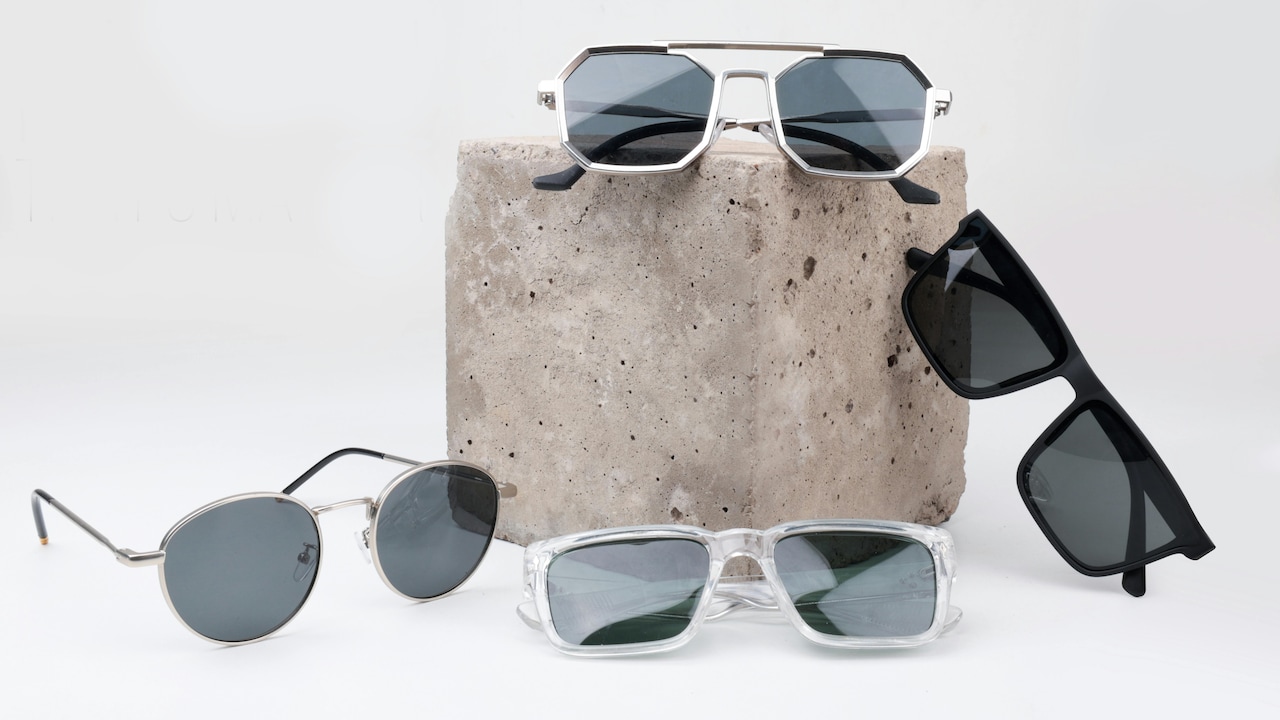
Metal vs Acetate Frames: Which One Lasts Longer In Daily Use?
Eyeglasses rarely get a day off. They sit on the face through crowded local trains, long work hours, unexpected rain showers, and the occasional careless toss onto a bedside table. Over time, even the most stylish pair of shoes faces wear and tear. That's where the big question arises: do metal frames outlast acetate ones, or is it the other way around?
The answer isn't as straightforward as it seems. Durability depends on lifestyle, climate, handling habits, and even how often one forgets to use a case. A student rushing between classes, a professional glued to screens, and someone constantly on the move will all experience frame longevity differently.
This article unpacks the everyday realities of both materials. Beyond glossy showroom appeal, it explores scratches, bending, fading, comfort, and repairability. By the end, the choice becomes less about trends and more about what survives real life.
Metal vs Acetate Frames: Which Eyeglass Material Lasts Longer In Daily Use?
Photo Credit: Pexels
What Happens When Style Meets Daily Wear And Tear
Material Strength And Structural Integrity
Metal frames often win the first impression when it comes to mind. Stainless steel and titanium frames resist pressure well and rarely snap under stress. They bend rather than break, which helps during those accidental moments when glasses get squashed in a bag full of books or groceries.
Acetate, on the other hand, tells a different story. It feels sturdy in hand but behaves more like a rigid plastic. When too much force comes into play, acetate frames can crack instead of flexing. However, high-quality acetate surprises many users with its resilience, especially when handled with care.
Daily use reveals subtle differences. Metal frames tolerate rough handling better, especially for those who often forget they're wearing glasses while lying down or rushing through crowded spaces. Acetate frames demand slightly gentler treatment but reward users with a solid, premium feel.
In reality, durability here depends less on the material alone and more on how glasses are used. A careful owner may find acetate lasting just as long, while a rough user might benefit from metal's forgiving flexibility.
Resistance To Daily Wear And Tear
Every day life throws countless small challenges at eyewear. Sweat, dust, pollution, and constant handling gradually affect frames. Metal frames, especially those with coatings, resist surface wear quite well. However, over time, the coating can chip, revealing dull patches beneath.
Acetate frames age differently. Instead of chipping, they may develop surface scratches and lose their original shine. The vibrant colours that looked stunning on day one can slowly fade, particularly when exposed to sunlight for long hours.
The difference becomes noticeable after a year or two of regular use. Metal frames maintain a relatively consistent look, though minor corrosion may appear in humid conditions. Acetate frames, while still functional, may look older sooner if not maintained properly.
That said, minor wear adds character for some users. A slightly faded acetate frame can feel like a well-loved accessory, while a scratched metal frame may look neglected. Ultimately, both materials show their age, but in very different ways.
Comfort During Long Hours
Durability isn't just about surviving damage. Comfort plays a big role in whether a pair stays in use for years or gets replaced early. Metal frames usually feel lighter, especially titanium ones, making them ideal for long workdays.
Acetate frames tend to be heavier, though not uncomfortably so. The weight is distributed evenly across the face, giving a snug and stable fit. Many users appreciate this, particularly when frames don't slide down the nose during humid weather.
In daily use, comfort can influence longevity more than expected. A comfortable pair gets worn consistently and handled with care. An uncomfortable one often gets tossed aside, increasing the risk of damage.
For those spending long hours on screens or travelling frequently, lightweight metal frames often feel less intrusive. Meanwhile, acetate frames suit those who prioritise a secure fit and bold aesthetics without constant adjustments.
Flexibility And Impact Resistance
Accidental drops are almost unavoidable. Glasses slip off tables, fall from beds, or get knocked over during busy mornings. Metal frames handle such incidents better due to their flexibility. They bend slightly on impact and can often be reshaped without much trouble.
Acetate frames react differently. They absorb impact to an extent but may crack under sudden pressure. Once damaged, repair becomes tricky and sometimes impossible.
However, not all impacts are equal. A gentle fall might leave acetate frames unscathed, while repeated stress weakens them over time. Metal frames, though resilient, can lose alignment after multiple bends.
For people prone to clumsy moments or those juggling multiple tasks at once, metal frames offer a safety net. Acetate frames suit calmer routines where glasses don't face frequent drops or rough handling.
Maintenance And Repairs
Maintenance often decides how long frames truly last. Metal frames are easier to adjust and repair. A slightly bent arm can be fixed at most optical shops for a modest ₹100 to ₹300. Even loose screws can be tightened quickly.
Acetate frames require a different approach. Adjustments involve heat, and not all shops handle them well. Repairs, especially for cracks, can be expensive or ineffective.
Cleaning also varies between the two. Metal frames need regular wiping to prevent corrosion, especially around nose pads. Acetate frames require polishing to maintain shine and prevent dullness.
Over time, the ease of repair gives metal frames an edge. They adapt to wear and tear with minimal fuss. Acetate frames, while stylish, may demand replacement sooner if damage occurs.
Metal vs Acetate Frames: Which Eyeglass Material Lasts Longer In Daily Use?
Photo Credit: Pexels
Style Longevity And Aesthetic Appeal
Durability isn't just physical. Style plays a quiet but powerful role. Metal frames often feature minimalist designs that stay relevant for years. A simple silver or black frame rarely feels outdated.
Acetate frames shine in the style department. Bold colours, patterns, and thick designs make a strong statement. However, trends change. What feels fashionable today might look dated after a couple of years.
This creates an interesting contrast. Metal frames age gracefully in terms of style, while acetate frames may face quicker aesthetic fatigue, even if they remain structurally sound.
For those who prefer timeless looks, metal frames offer long-term satisfaction. Those who enjoy experimenting with style may find acetate frames worth replacing more frequently.
Climate And Environmental Impact
Weather plays a bigger role than many realise. Humid conditions can affect both materials differently. Metal frames may develop slight corrosion over time, especially if exposed to sweat frequently.
Acetate frames handle moisture better but can warp under extreme heat. Leaving them inside a parked car on a sunny afternoon can lead to subtle shape changes.
Dust and pollution also impact longevity. Metal frames accumulate grime around joints, while acetate frames show surface dullness more visibly.
In everyday conditions, both materials survive well with proper care. However, metal frames require vigilance against rust, while acetate frames need protection from heat exposure.
Weight And Daily Handling Habits
Daily habits shape how frames age. Those who constantly remove glasses with one hand may unknowingly stress the frame structure. Metal frames handle such habits better due to their flexibility.
Acetate frames prefer balanced handling. Uneven pressure can loosen their alignment over time. Heavier frames also increase the likelihood of slipping and falling.
Weight plays a subtle role here. Lighter frames often stay on longer and experience fewer drops. Heavier ones, though stable, may invite more adjustments and handling.
In the long run, careful handling extends the life of both materials. However, metal frames tolerate casual habits better, making them more forgiving in everyday scenarios.
Cost Versus Longevity
Price often influences expectations. Metal frames, especially titanium ones, can cost anywhere between ₹3,000 and ₹10,000. Acetate frames fall within a similar range, depending on brand and design.
The real question lies in value over time. Metal frames may last longer due to repairability and structural resilience. Acetate frames may require replacement sooner if damaged or if style preferences change.
However, longevity doesn't always mean better value. Some users prefer refreshing their look every couple of years, making acetate frames a practical choice despite shorter lifespans.
Ultimately, cost versus longevity depends on personal priorities. A durable metal frame suits long-term use, while acetate frames cater to evolving style preferences.
Metal vs Acetate Frames: Which Eyeglass Material Lasts Longer In Daily Use?
Photo Credit: Pexels
Products Related To This Article
1. GUESS Women Full Rim Square Frames
2. OUDI Women Colourblocked Full Rim Cateye Frames
3. Lenskart Studio Unisex Full Rim Square Frames
4. Ray-Ban Unisex Oval Frames
5. SWAROVSKI Women Full Rim Square Frames
6. John Jacobs Unisex Full Rim Rectangle Frames
7. Ted Smith Women Metal Cat-Eye Purple Full Rim Frames
So, which lasts longer in daily use, metal or acetate frames? The answer leans slightly towards metal, thanks to flexibility, repair ease, and resilience against everyday mishaps. They adapt better to unpredictable routines and survive rough handling with fewer consequences.
Yet, acetate frames hold their ground in a different way. They offer unmatched style, a comfortable fit, and a solid feel that many users love. With careful handling, they can last just as long, though they demand a bit more attention.
The choice ultimately reflects lifestyle. Busy schedules, frequent travel, and occasional clumsiness favour metal frames. A more controlled routine with an eye for design makes acetate a rewarding option.
In the end, durability isn't just about the material. It's about how glasses fit into daily life, how they are worn, handled, and cared for. Choose wisely, and either option can become a long-lasting companion through countless ordinary yet meaningful moments.
(Disclaimer: This article may include references to or features of products and services made available through affiliate marketing campaigns. NDTV Convergence Limited (“NDTV”) strives to maintain editorial independence while participating in such campaigns. NDTV does not assume responsibility for the performance or claims of any featured products or services.)