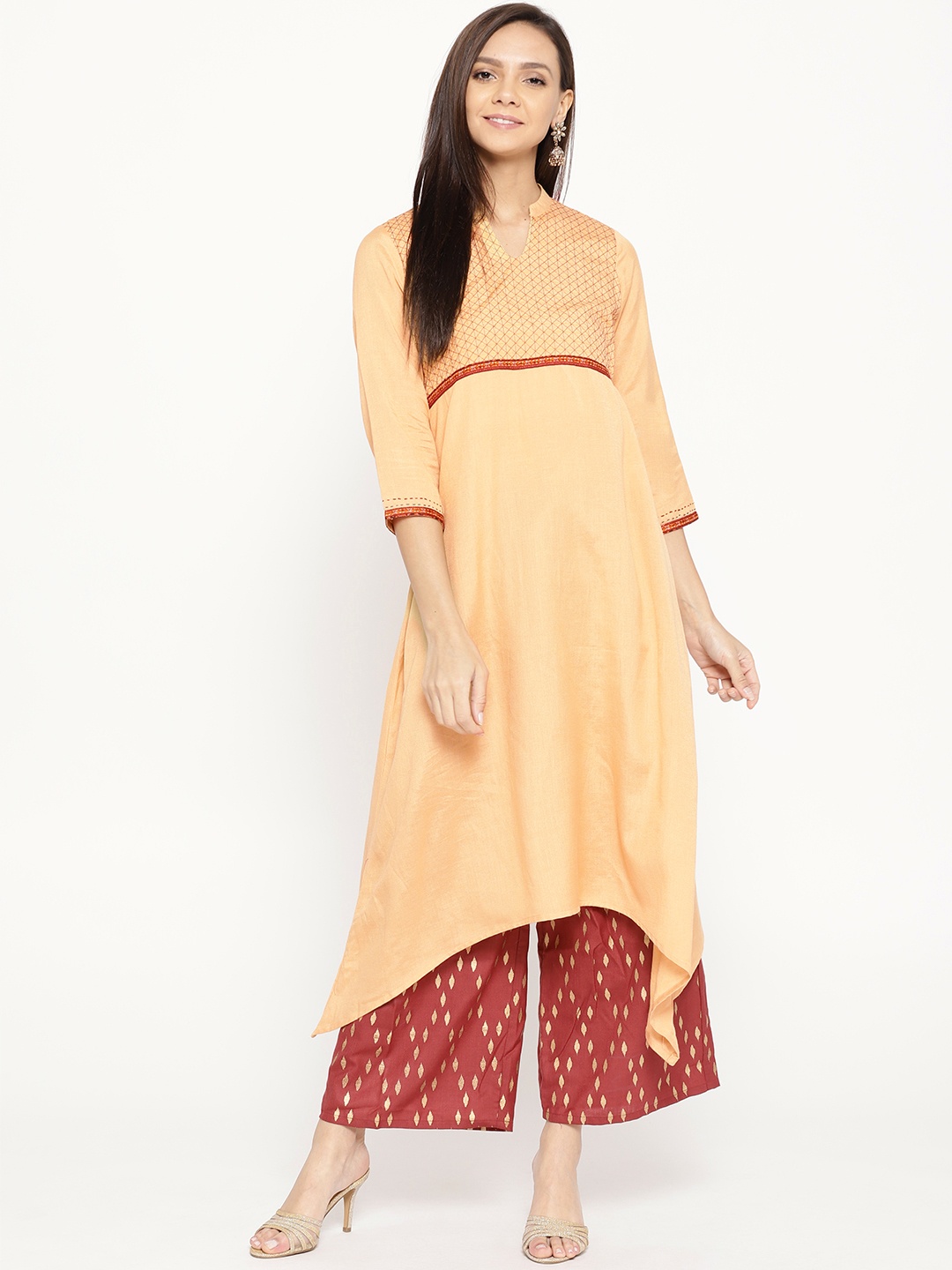
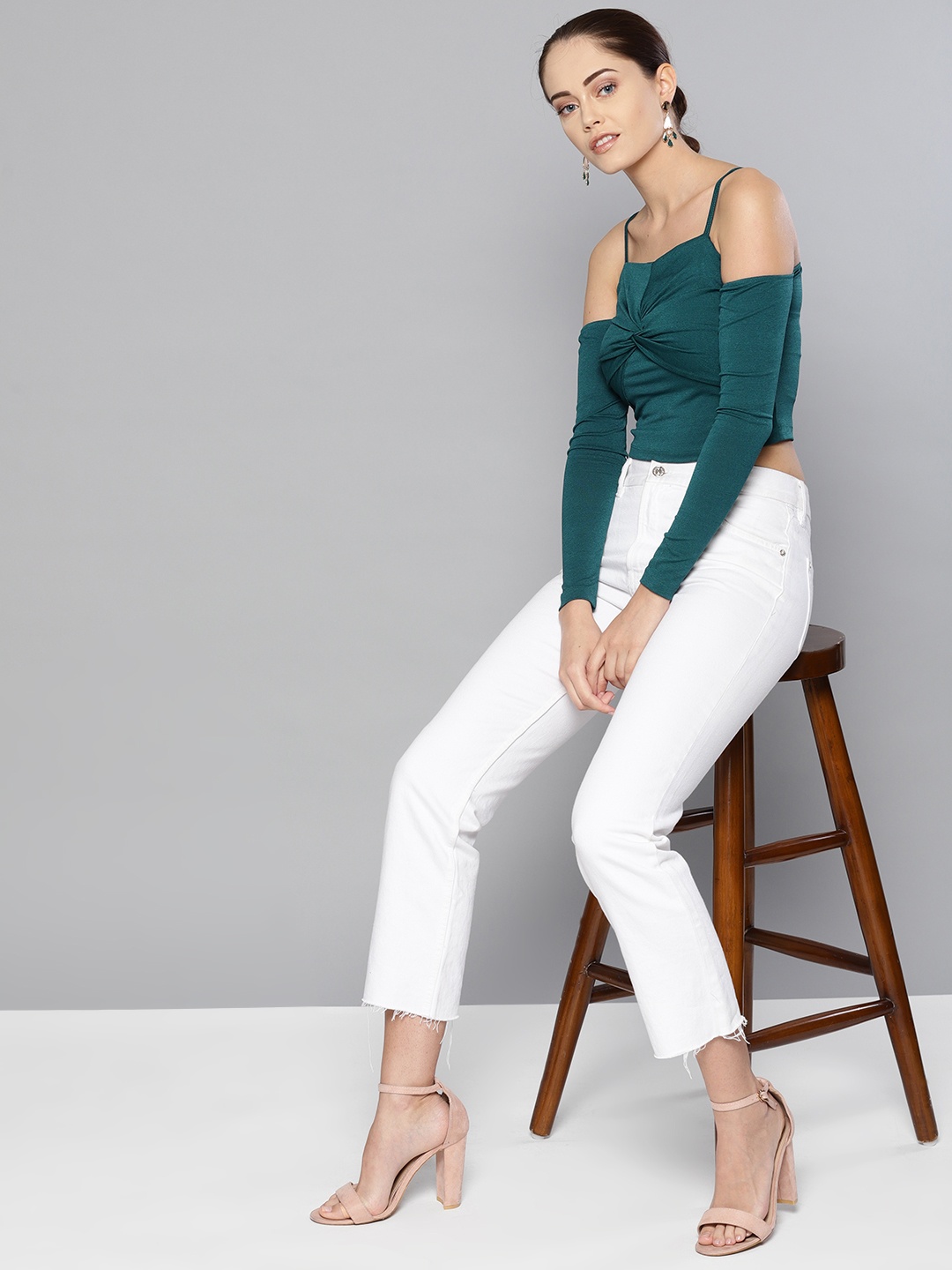
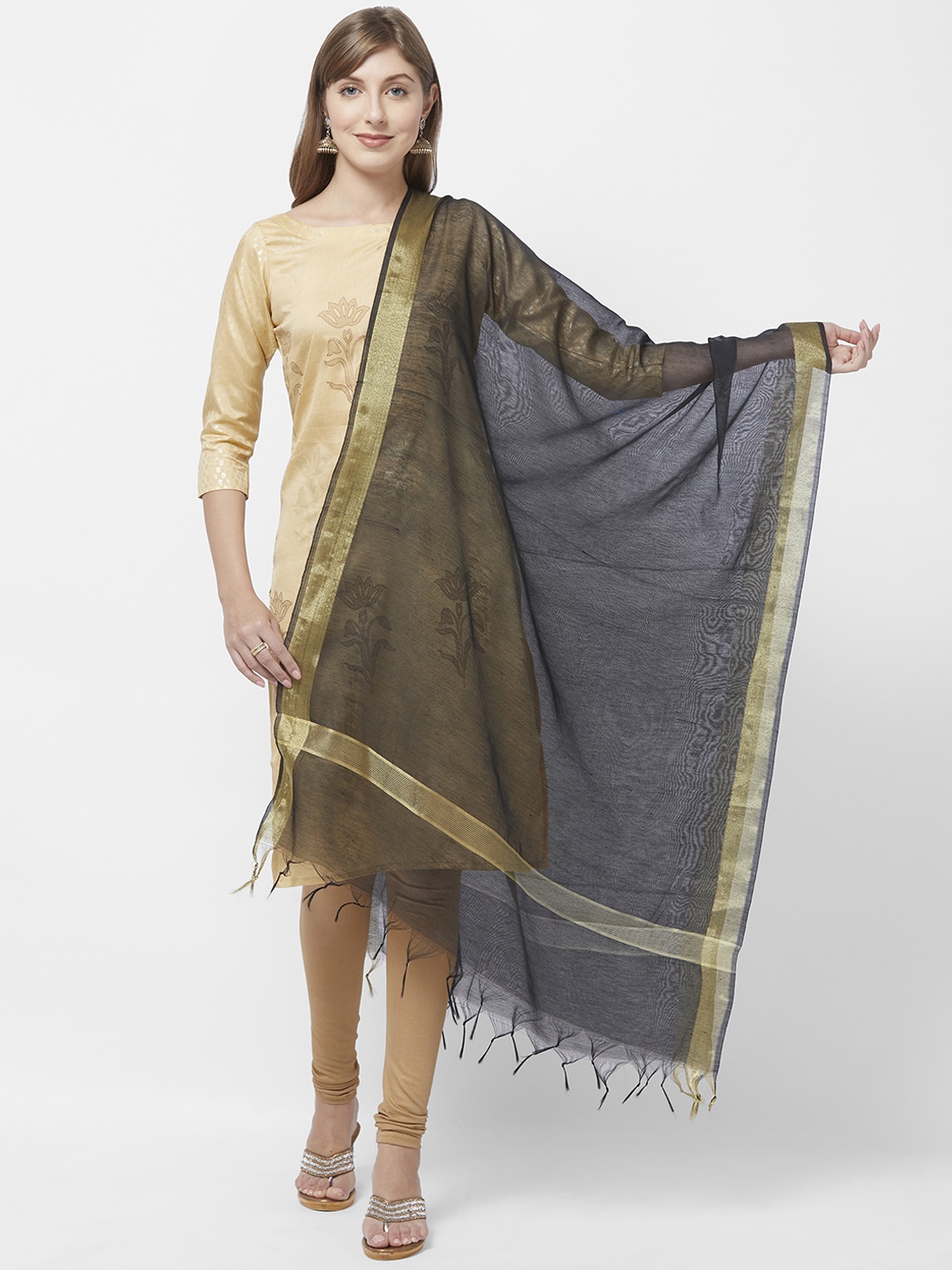
Office-Ready Co-ord Sets: 7 Style Dos And Don'ts Every Working Woman Should Know
Co-ord sets can simplify work dressing, but only when styled right. This guide covers practical dos and donts to wear co-ord sets confidently at work, without looking too casual or overdone.
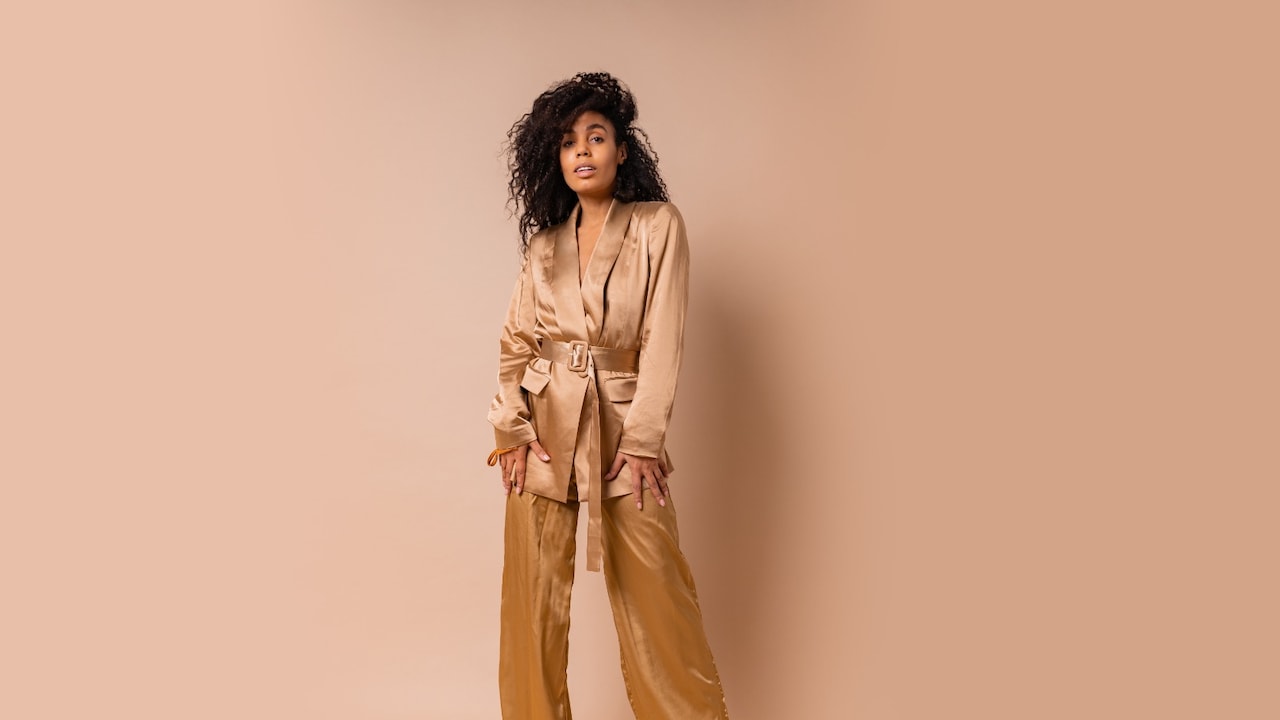
How To Wear Stylish Co-ord Sets Confidently to Work: Top 7 Dos and Don'ts.
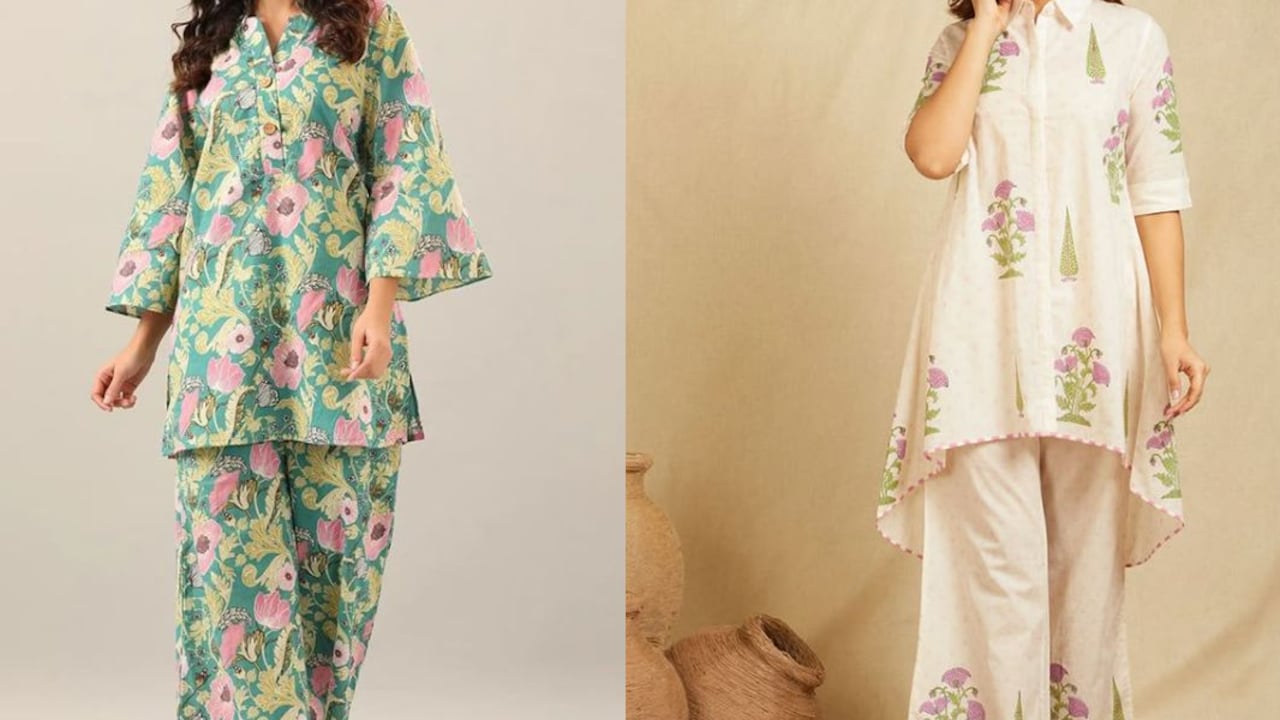
Workwear has changed. Long hours, hybrid schedules, and fast-paced mornings demand outfits that work as hard as the person wearing them. Co-ord sets answer that call. They remove guesswork, save time, and still look put-together. No more standing in front of the wardrobe wondering which top matches which bottom.
Yet, wearing co-ord sets to work does come with its own rulebook. The same outfit that feels perfect for brunch might miss the mark in a boardroom. Fabric, fit, colour, and styling details make all the difference. One wrong choice, and the look slides from chic to casual faster than a delayed office cab.
This article explores ten practical dos and don'ts to wear co-ord sets confidently to work. These tips focus on comfort, professionalism, and personal style, without overthinking fashion or losing individuality. Whether the office leans formal or relaxed, these insights help co-ord sets earn a permanent spot in the weekday rotation.

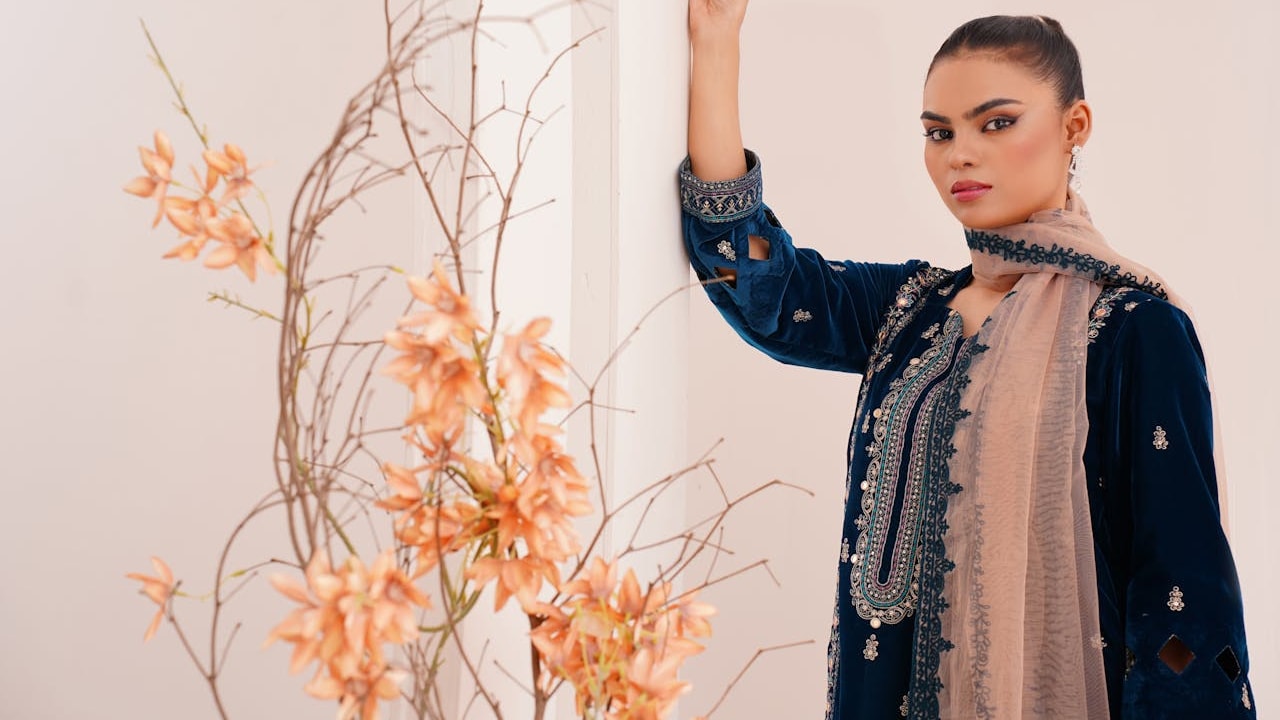
How to Wear Co-ord Sets To Work: 7 Dos And Don'ts For A Polished Look; Photo Credit: Pexels
Before You Step Into the Office, Keep These Style Rules in Mind
1. Do Choose Tailored Fits | Don't Confuse Relaxed with Sloppy
A well-fitted co-ord set instantly signals confidence and competence. Tailored trousers, structured blazers, or neatly cut skirts elevate the entire look. Even softer silhouettes should follow the body's natural lines rather than drown them. Offices appreciate polish, and tailoring delivers exactly that.
Relaxed fits work too, especially in creative or start-up spaces. The key lies in balance. If the trousers flow freely, pair them with a sharper top. If the top feels oversized, the bottom should anchor the outfit. This balance keeps the outfit intentional, not careless.
Avoid co-ords that bunch awkwardly at the waist or sag at the shoulders. Those details stand out under office lights and long workdays. Alterations cost far less than replacing an entire outfit and often make even affordable sets look premium.
Think of tailoring as quiet confidence. It does not shout, but it always gets noticed, especially during presentations, meetings, and those unexpected moments when senior colleagues drop by.
2. Do Stick to Work-Friendly Fabrics | Don't Rely on Jersey or Thin Knits
Fabric choice can make or break a work outfit. Structured cotton blends, linen mixes, tweed, crepe, or light wool work beautifully for co-ord sets. These fabrics hold their shape, breathe well, and age gracefully through long office hours.
Jersey, ribbed knits, or flimsy materials might feel comfortable, but they often read as loungewear. That soft stretch loses structure by lunchtime and creases by evening, leaving the outfit looking tired before the day ends.
Office-friendly fabrics also photograph better. From ID cards to team pictures, structured materials maintain their crispness. They also handle layering well, whether under blazers, cardigans, or light shawls during over-air-conditioned afternoons.
Comfort still matters. Breathable fabrics help beat crowded commutes and unpredictable weather. The right fabric ensures the outfit feels as good at 9 a.m. as it does during the last meeting of the day.
Also Read: Are Co-ord Sets Stylish or Lazy? How to Wear Matching Outfits the Right Way
3. Do Embrace Neutral and Muted Colours | Don't Overdo Loud Prints
Neutral shades form the backbone of workwear co-ord sets. Beige, navy, charcoal, olive, taupe, and soft pastels look professional while offering styling flexibility. These tones transition easily from desk to dinner without feeling out of place.
Muted colours also pair well with existing wardrobe pieces. A neutral co-ord can mix with a contrasting blazer or statement footwear without clashing. That versatility stretches the outfit's value far beyond a single look.
Bold prints and loud colours have their place, but offices demand restraint. Large florals, neon hues, or graphic slogans distract rather than impress. Subtle pinstripes, minimal checks, or tone-on-tone textures offer visual interest without stealing attention.
Colour psychology matters at work. Calm shades project reliability and focus. They also reduce decision fatigue, making mornings smoother and dressing less stressful, something every working professional appreciates.
4. Do Layer Smartly | Don't Ignore the Power of a Blazer
Layering transforms co-ord sets into office-ready outfits. A structured blazer instantly sharpens even the simplest set. Cropped jackets work well with high-waisted trousers, while longer blazers complement slim silhouettes.
Cardigans, waistcoats, and lightweight jackets add depth without overwhelming the look. These layers also adapt to changing office temperatures and long days that start cool and end warm.
Avoid skipping layers entirely, especially in formal settings. Bare co-ords can sometimes look incomplete or too relaxed. A layer adds authority and balance, particularly during meetings or presentations.
Layering also offers styling freedom. One co-ord set can look different across the week with simple layer swaps. This flexibility keeps workwear fresh without constant shopping or overpacking wardrobes.
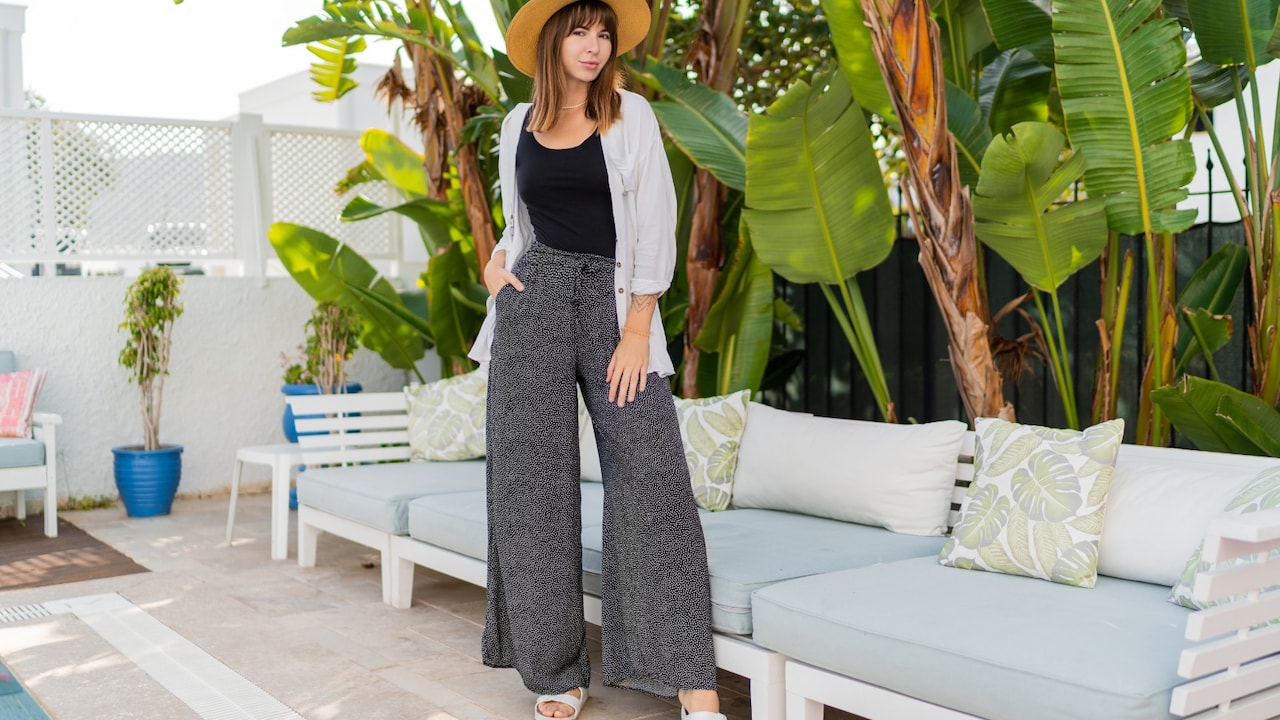
How to Wear Co-ord Sets To Work: 7 Dos And Don'ts For A Polished Look; Photo Credit: Pexels
5. Do Keep Accessories Minimal | Don't Let Them Steal the Spotlight
Accessories should complement, not compete. Simple jewellery, stud earrings, delicate chains, or a classic watch, add elegance without distraction. Structured handbags and clean footwear complete the look.
Over-accessorising often overwhelms co-ord sets, which already create visual harmony through matching pieces. Too many bold accessories disrupt that balance and pull focus away from the outfit's clean lines.
Statement pieces work best when chosen thoughtfully. One standout element, such as a sculptural ring or a bold belt, adds personality without chaos. The trick lies in restraint.
Practicality matters too. Workdays involve typing, meetings, and movement. Accessories that tangle, jingle, or require constant adjustment distract from productivity and confidence.
6. Do Pay Attention to Footwear | Don't Treat Shoes as an Afterthought
Footwear grounds the entire outfit. Closed-toe flats, block heels, loafers, or low pumps work seamlessly with co-ord sets. Clean lines and neutral shades keep the look professional and versatile.
Avoid footwear that leans too casual or flashy. Worn-out sneakers, overly embellished sandals, or towering heels clash with office expectations. Comfort should never come at the cost of appropriateness.
Shoes also influence posture and confidence. Well-fitted footwear supports long days and busy schedules without sacrificing style. A polished outfit loses impact if paired with uncomfortable or mismatched shoes.
Rotating footwear extends its lifespan and refreshes outfits. The same co-ord can feel new simply by switching between flats and heels across different workdays.
7. Do Focus on Fit at the Waist | Don't Ignore Proportions
The waist defines structure in co-ord sets. Well-placed waistlines flatter the silhouette and create balance. High-waisted trousers elongate the legs, while cropped tops highlight natural proportions.
Avoid mismatched proportions that overwhelm the frame. Extremely long tops paired with wide trousers often drown the figure. Similarly, overly cropped pieces feel inappropriate for work settings.
Belts help refine fit and add polish. A simple belt breaks monotony and defines shape without fuss. It also allows slight adjustments for comfort during long hours.
Understanding proportions builds confidence. When the outfit fits well, posture improves, movement feels natural, and self-assurance follows, often without conscious effort.
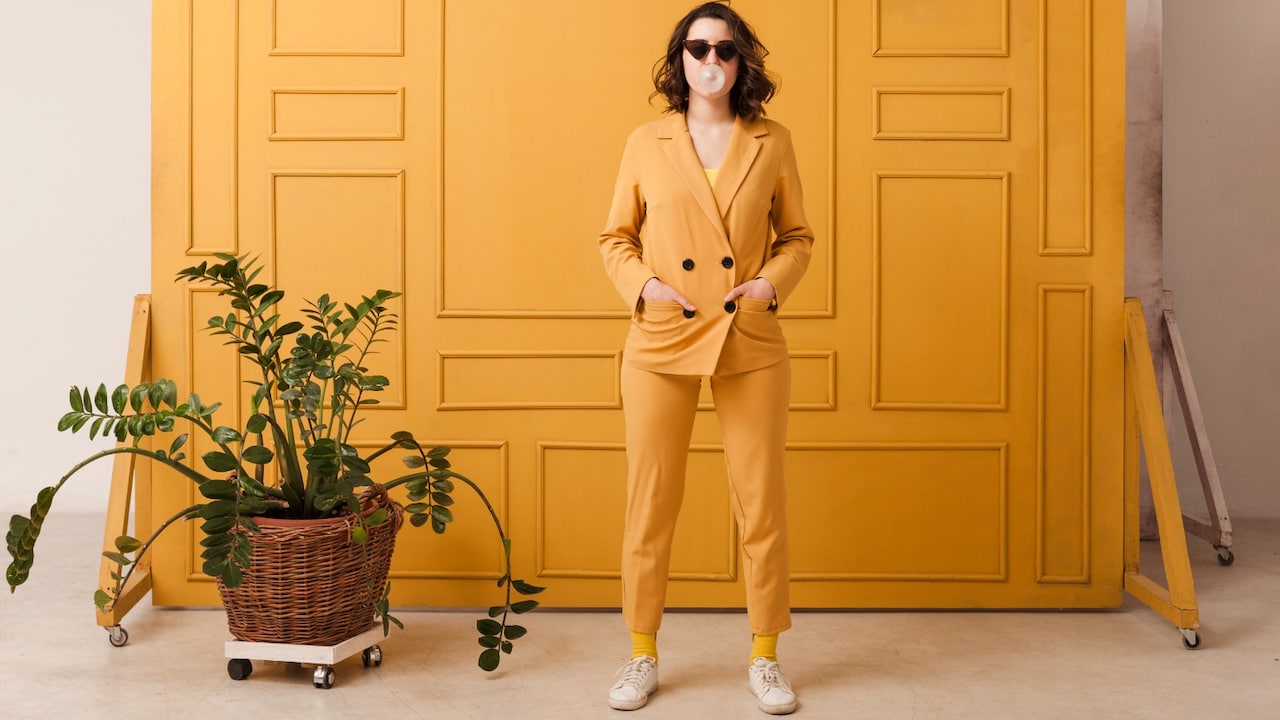
How to Wear Co-ord Sets To Work: 7 Dos And Don'ts For A Polished Look; Photo Credit: Pexels
8. Do Keep Makeup and Hair Polished | Don't Leave the Look Half-Finished
A co-ord set deserves equally thoughtful grooming. Neat hair and subtle makeup complete the outfit and enhance professionalism. Soft makeup tones, clean skin, and tidy hairstyles work across all office environments.
Avoid extremes. Heavy makeup or overly casual hair distracts from the outfit's elegance. The goal lies in balance, fresh, presentable, and effortless.
Grooming also influences how co-ord sets are perceived. A relaxed outfit looks intentional when paired with polished hair and makeup. Without that effort, even expensive pieces may fall flat.
Consistency matters. A reliable grooming routine saves time and reduces decision fatigue. It ensures confidence stays intact, even on mornings when deadlines loom and alarms fail.
9. Do Adapt Co-ords to Office Culture | Don't Follow Trends Blindly
Every workplace has its own rhythm. Some lean formal, others casual. Co-ord sets should reflect that culture rather than fight it. Observing what works within the office helps guide choices.
Trends come and go, but workwear requires longevity. Trend-heavy cuts or experimental styles might feel exciting, but they often age quickly. Choosing timeless designs ensures relevance beyond a single season.
Adaptation shows awareness. It communicates respect for workplace norms while still allowing personal expression. That balance strengthens professional presence without stifling style.
Fashion works best when it serves the wearer, not the trend cycle. Co-ord sets shine brightest when chosen with intention and awareness.
10. Do Wear Confidence | Don't Let Doubt Undermine the Outfit
Confidence remains the most powerful accessory. When co-ord sets feel comfortable and aligned with personal style, they naturally project assurance. Confidence shows in posture, movement, and interactions.
Second-guessing undermines even the best outfit. Constant adjustments, fidgeting, or self-consciousness distract from presence. Trusting the choice allows focus to shift back to work.
Confidence grows through familiarity. Wearing co-ord sets regularly builds ease and ownership. Over time, they become go-to solutions rather than experimental risks.
Style supports confidence, but confidence completes style. When both align, co-ord sets transform from clothing into quiet statements of capability and ease.
Products Related To This Article
1. GOKUL TRENDZ Top Palazzos Co-ords Set
2. Unttre Tunic Pant Co-ords Set
3. SFCREATIONS Top Pant Co-ords Set
4. FABZOO Shirt Pant Co-ords Set
5. SHEIOR Tunic Pant Co-ords Set
6. Street Warbrobe Top Pant Co-ords Set
7. Shasrih Tunic Palazzos Co-ords Set
Co-ord sets offer simplicity in a world that demands efficiency. They reduce wardrobe stress, save time, and deliver polished looks with minimal effort. When styled thoughtfully, they fit seamlessly into professional spaces without compromising comfort or individuality.
Understanding fit, fabric, colour, and context ensures co-ord sets work for the office rather than against it. Small adjustments, better tailoring, smarter layers, and restrained accessories make all the difference.
Ultimately, workwear should support confidence, not complicate it. Co-ord sets, worn with intention and ease, achieve exactly that. They allow focus to stay where it belongs, on the work, the goals, and the moments that truly matter.
(Disclaimer: This article may include references to or features of products and services made available through affiliate marketing campaigns. NDTV Convergence Limited (“NDTV”) strives to maintain editorial independence while participating in such campaigns. NDTV does not assume responsibility for the performance or claims of any featured products or services.)