Old Money Aesthetic Vs. Quiet Luxury: Are They Really The Same Thing?
Old money aesthetic vs quiet luxury: discover the real differences and how to build a timeless wardrobe that suits your personal fashion identity.
Everything you need to know about old money aesthetic vs quiet luxury
Fashion trends love to come and go, but every now and then, a certain look comes along that completely outlives the usual social media hype. Right now, two concepts are absolutely dominating the style conversation: the "old money" aesthetic and "quiet luxury". If you glance at them quickly, they honestly look like identical twins. Both styles turn their backs on loud, obnoxious logos and fast-fashion micro-trends, choosing instead to celebrate timeless tailoring, premium fabrics, and an effortless sense of elegance.
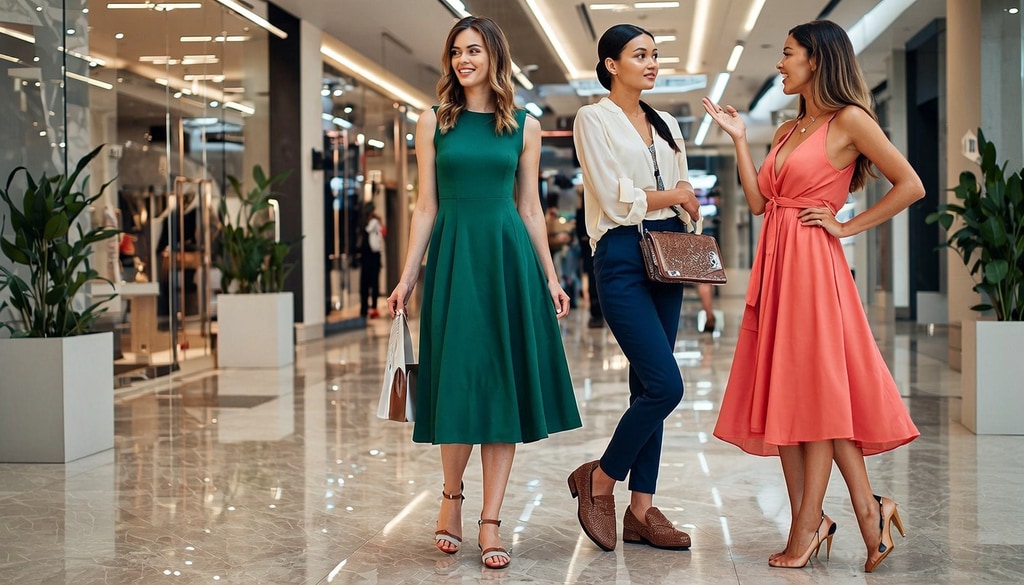
Learn to distinguish old money style from quiet luxury for a truly timeless wardrobe.
Photo Credit: iStock
Yet, if you talk to anyone deep in the fashion world, they'll tell you these two aren't quite the same. While they share a lot of the same DNA, their origins, style choices, and overall vibes split in very distinct ways. If you've been staring at your closet wondering which side of the fence your personal style actually falls on, this breakdown is here to help you figure it out and make your future shopping trips a whole lot more intentional.
Also Read: Old Money Aesthetic Outfits For A Polished College Look
Why Is Everyone Talking About Old Money And Quiet Luxury?
The sudden explosion of both these styles isn't just a random fluke; it actually points to a massive shift in how we look at shopping. People are finally getting tired of the endless fast-fashion cycle. Instead of buying cheap, trendy pieces that fall apart after two washes, shoppers are actively looking for clothes that offer longevity, versatility, and real, tangible quality.
Sure, TikTok and Instagram pushed these aesthetics into the mainstream, but the core appeal goes way deeper than a viral video. We are seeing a collective movement toward intentional consumerism. People want to invest in fewer, better pieces that seamlessly transition across different seasons and occasions. Whether it's a perfectly structured blazer, trousers that fit like a glove, or a leather bag that only gets better with age, building a timeless wardrobe is simply the smarter way to dress.
Because of this, "old money" and "quiet luxury" have easily secured their spots as two of the most heavily searched fashion terms on the internet today.
Old Money Aesthetic Vs Quiet Luxury: A Side-by-Side Breakdown
Step 1: Look At The Origins
The old money style draws its energy straight from inherited wealth, country clubs, elite boarding schools, and generational privilege. It's deeply rooted in heritage dressing and traditional social circles. Quiet luxury, on the flip side, doesn't really care about family trees or status. Instead, its focus is entirely on extreme craftsmanship, ultra-premium materials, and a fiercely modern sense of understated elegance.
Step 2: Compare The Clothing Choices
An old money wardrobe is heavily inspired by classic sportswear and Ivy League traditions; think crisp polo shirts, pleated trousers, cable-knit sweaters, and tailored blazers. Quiet luxury strips things down even further. It leans hard into minimalist knitwear, hyper-clean silhouettes, and elevated everyday basics that let the sheer quality of the garment do all the talking.
Step 3: Understand The Role Of Logos
Neither of these styles relies on flashy branding to make a point, but they handle logos a bit differently. Quiet luxury actively avoids visible branding at all costs, preferring total anonymity. Old money fashion, however, occasionally welcomes heritage crests or discreet vintage labels that carry long-standing associations with traditional, high-society sports like tennis, sailing, or equestrian life.
Step 4: Focus On Fabrics And Tailoring
When it comes to materials, aesthetics demand the absolute best. You will see an abundance of high-quality linen, organic cotton, heavy wool, and incredibly soft cashmere. Impeccable tailoring is non-negotiable here; the clothes must fit perfectly to achieve that relaxed, effortlessly sophisticated look.
Step 5: Consider The Lifestyle Message
At its core, the old money look whispers stories of tradition, exclusivity, and established social codes. Quiet luxury takes a more individualistic path. It communicates high-end refinement through pure simplicity, focusing heavily on personal style and a deep appreciation for design rather than trying to signal wealth to the outside world.
Common Style Mistakes People Make When Following These Trends
1. Assuming Expensive Means Elegant:
A lot of people fall into the trap of thinking a massive price tag or a designer name automatically gives them that coveted look. In reality, how a piece fits your body and the quality of its fabric matter a million times more than a visible logo.
2. Buying Entirely Neutral Wardrobes:
While neutral shades are definitely the backbone of both styles, building a closet that consists only of beige and cream can quickly get incredibly boring. Don't be afraid to mix in rich navy, deep olive green, or soft, muted pastels to give your outfits some depth.
Trying to build either of these looks out of fast-fashion micro-trends just doesn't work. To get it right, you need to shift your budget toward versatile, well-made essentials that will stay stylish no matter how fast the fashion cycle spins. These were the key differences between old money aesthetic and quiet luxury.
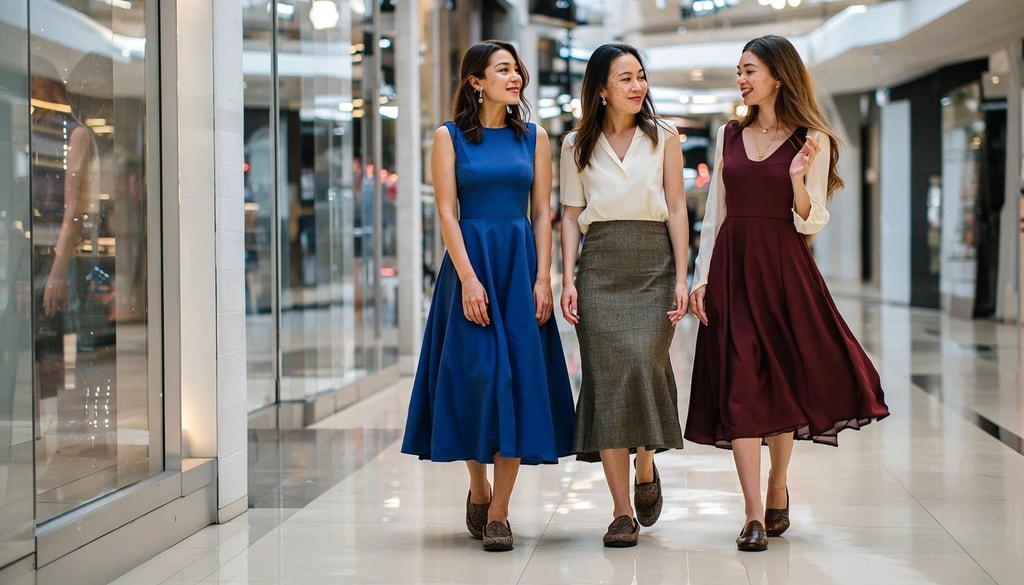
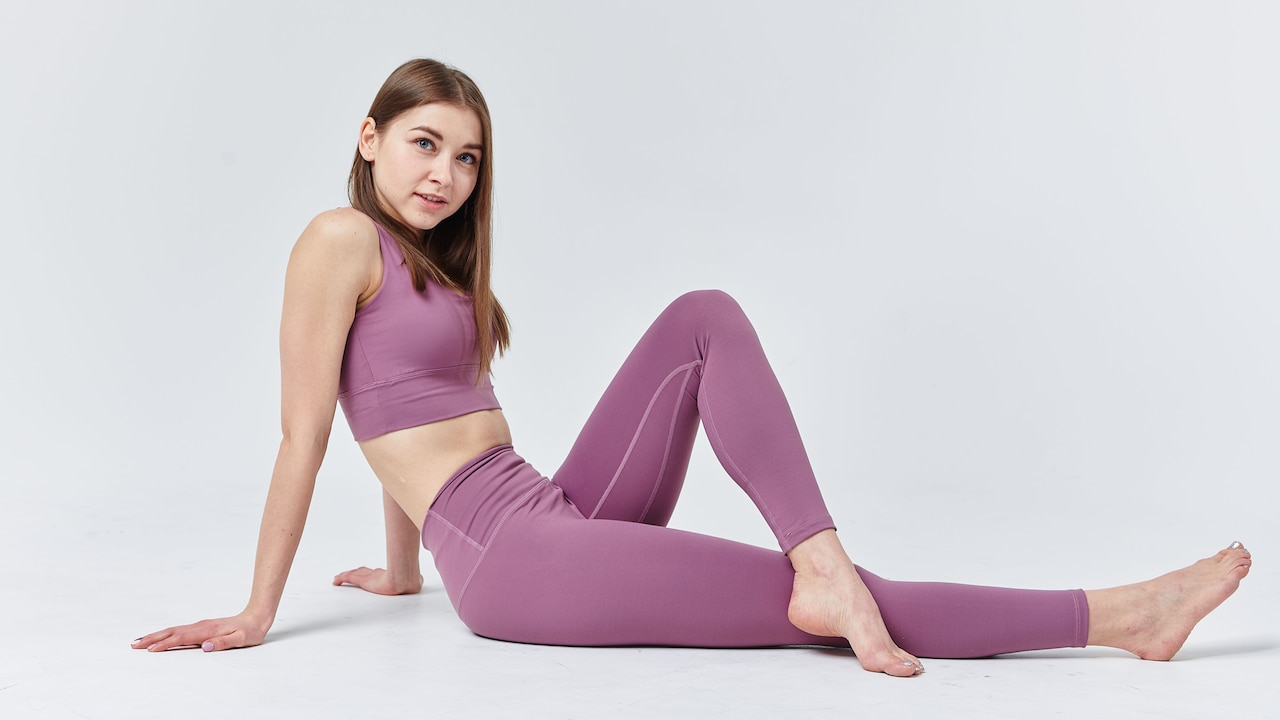
Build a timeless fashion identity by understanding old money aesthetics versus modern quiet luxury.
Photo Credit: iStock
Some Fashion Pieces You May Like
1. MANGO Single-Breasted Notched Lapel Collar Blazer
2. Van Heusen Woman Notched Lapel Single-Breasted Formal Blazers
3. Outzidr Cowl Neck A-Line Midi Dress
4. Allen Solly Woman Single-Breasted Blazer
5. Theatre Dr Storm Brown Tweed Loafers
6. Inc 5 Women Textured Loafers
7. Kenneth Cole Women Textured Leather Loafers
8. FABLE STREET Checked Bishop Sleeve Formal Fit & Flare Midi Dress
Frequently Asked Questions (FAQs)
1. Is quiet luxury the same as old money fashion?
Not exactly. While both styles champion high quality and understated dressing, old money fashion is inspired by classic heritage lifestyles and vintage prep, whereas quiet luxury focuses strictly on modern minimalism, clean lines, and supreme craftsmanship.
2. Can you create an old money wardrobe without spending heavily?
Absolutely. You don't need a designer budget to nail this look. Focus on finding classic silhouettes, sticking to a sophisticated colour palette, and ensuring your clothes are tailored properly to your body.
3. Which fabrics are commonly associated with these aesthetics?
You'll want to look for natural, high-quality materials like cotton, linen, wool, cashmere, and genuine leather. These fabrics are loved because they look elevated. breathe well, and last for years.
4. Are logos suitable for quiet luxury styling?
Generally, no. Quiet luxury is all about complete anonymity and letting the cut and fabric do the talking, so visible branding and loud logos are usually avoided entirely.
5. Which aesthetic is more versatile for everyday wear?
Quiet luxury tends to be a bit more adaptable for daily life because it's built around elevated, minimalist basics that can easily slide from a casual coffee run to a formal work meeting without missing a beat.
(Disclaimer: This article may include references to or features of products and services made available through affiliate marketing campaigns. NDTV Convergence Limited (“NDTV”) strives to maintain editorial independence while participating in such campaigns. NDTV does not assume responsibility for the performance or claims of any featured products or services.)