Why Oversized Fashion Flatters Some Body Types Better Than Others: Styling Tips
Oversized fashion isn’t one-size-fits-all. Learn why it flatters some body types more, and how to balance volume, define shape, and style roomy pieces so they look chic, not sloppy.
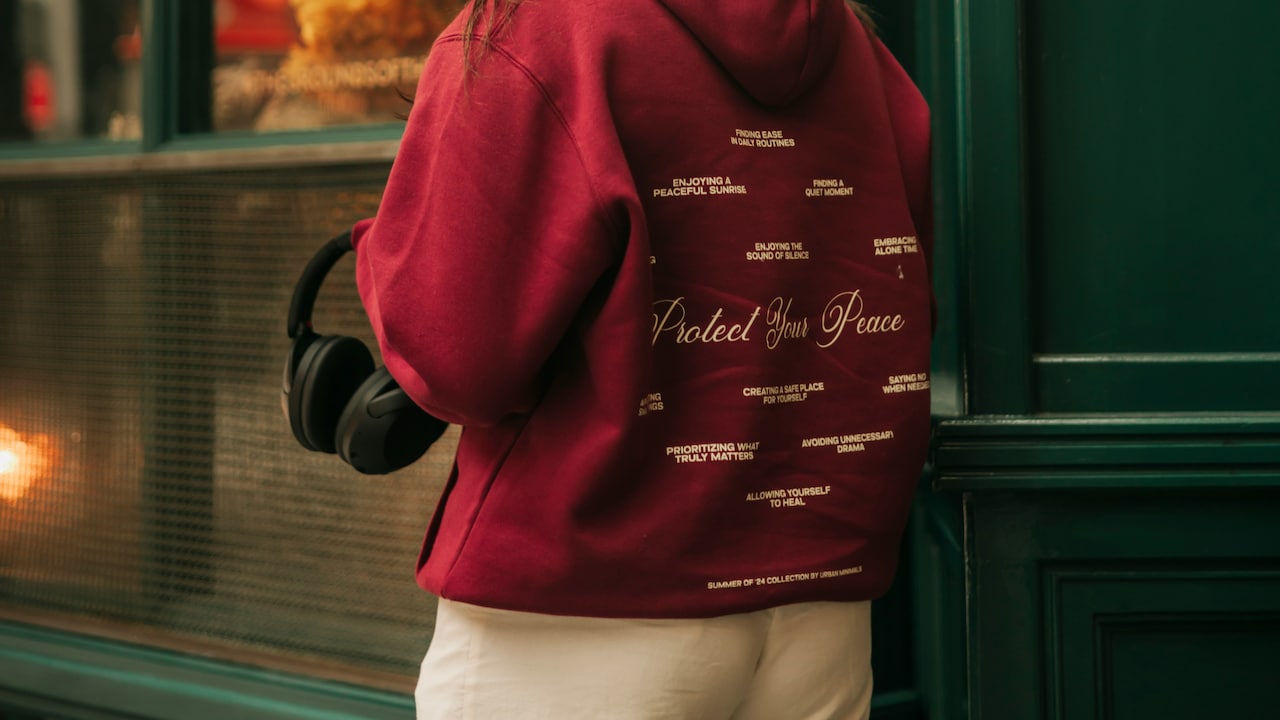
Here Is The Best Of Oversized Fashion for Every Body Type - What Flatters You Most And Styling Tips.
Oversized clothes carry a very specific kind of confidence. They signal ease. They also forgive bloated days, long commutes, and the after-lunch craving for a second helping of biryani. Yet many people try the trend once, catch a glimpse in a changing-room mirror, and decide it “isn't for them”. Often, the problem isn't the body. The problem is proportion.
Oversized fashion plays with volume, and volume changes how the eye reads height, curves, shoulders, hips, and even posture. A boxy jacket can sharpen a look on one person and blur it on another. A wide-leg trouser can turn legs into mile-long columns, or they can make the wearer feel like a child playing dress-up. The difference comes down to balance: where the extra fabric sits, and what the rest of the outfit does to support it. Think of oversized dressing like making chai, too much of one thing ruins it, but the right mix tastes perfect.
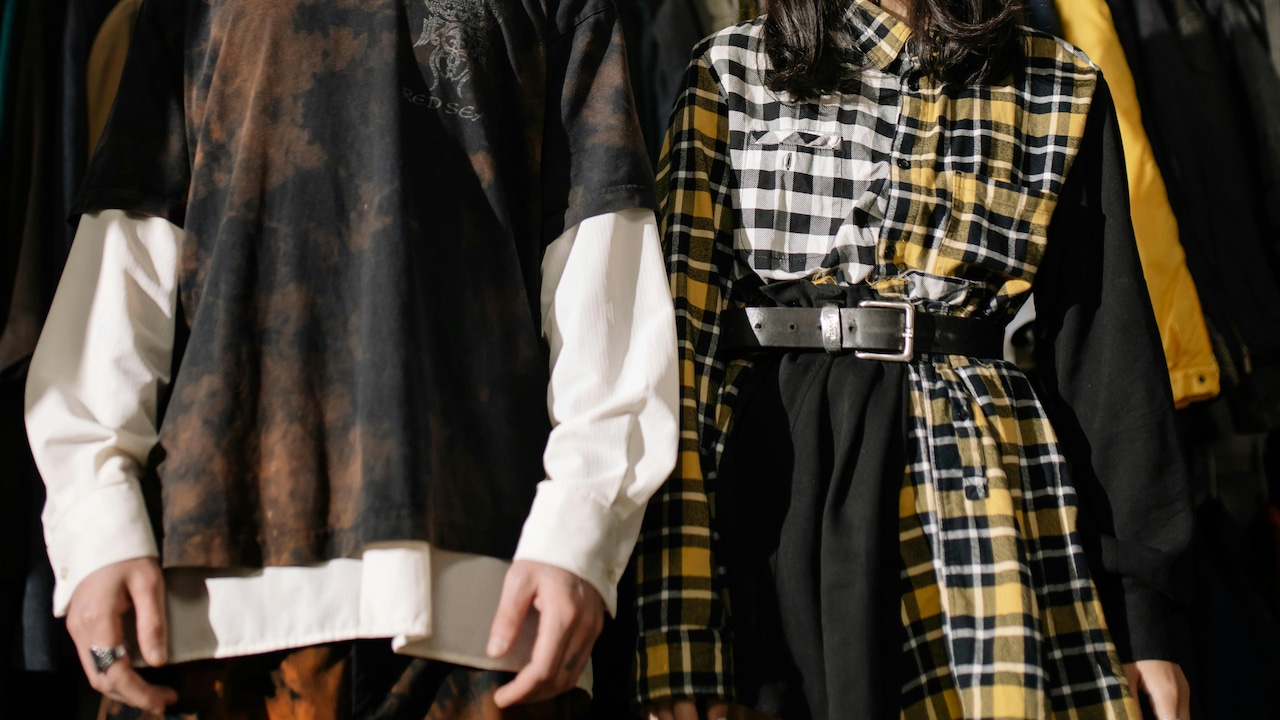
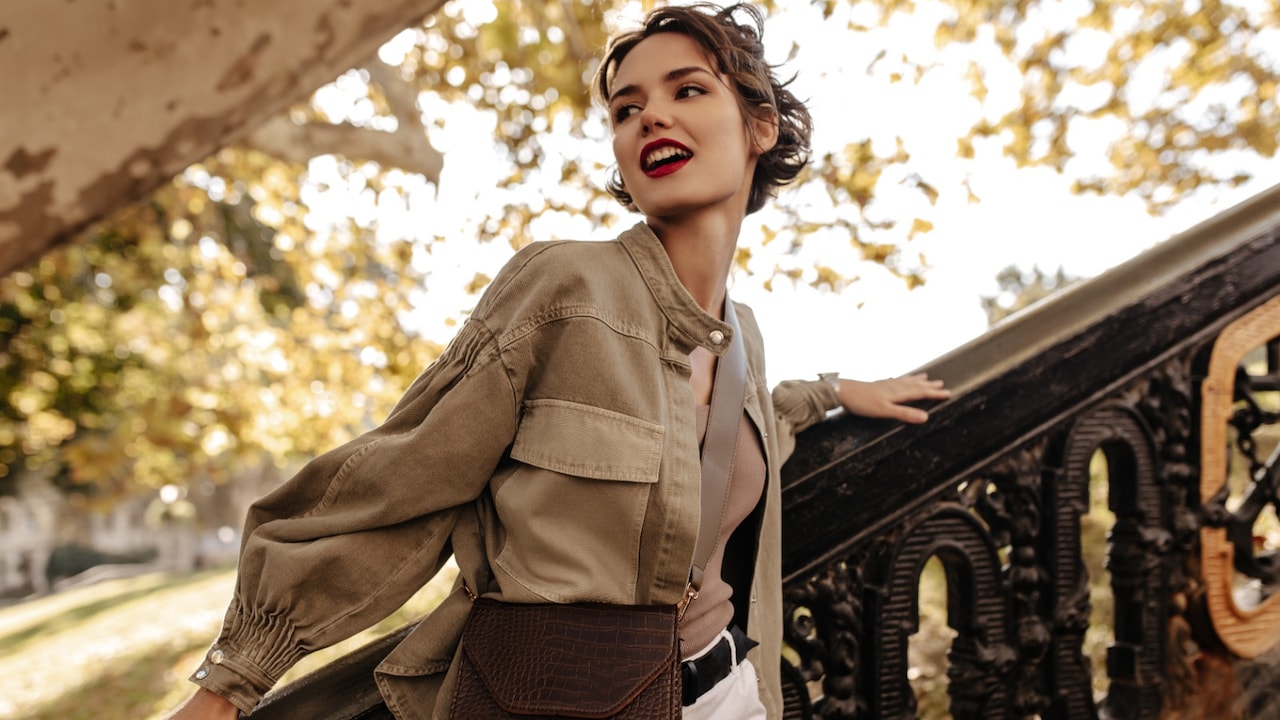
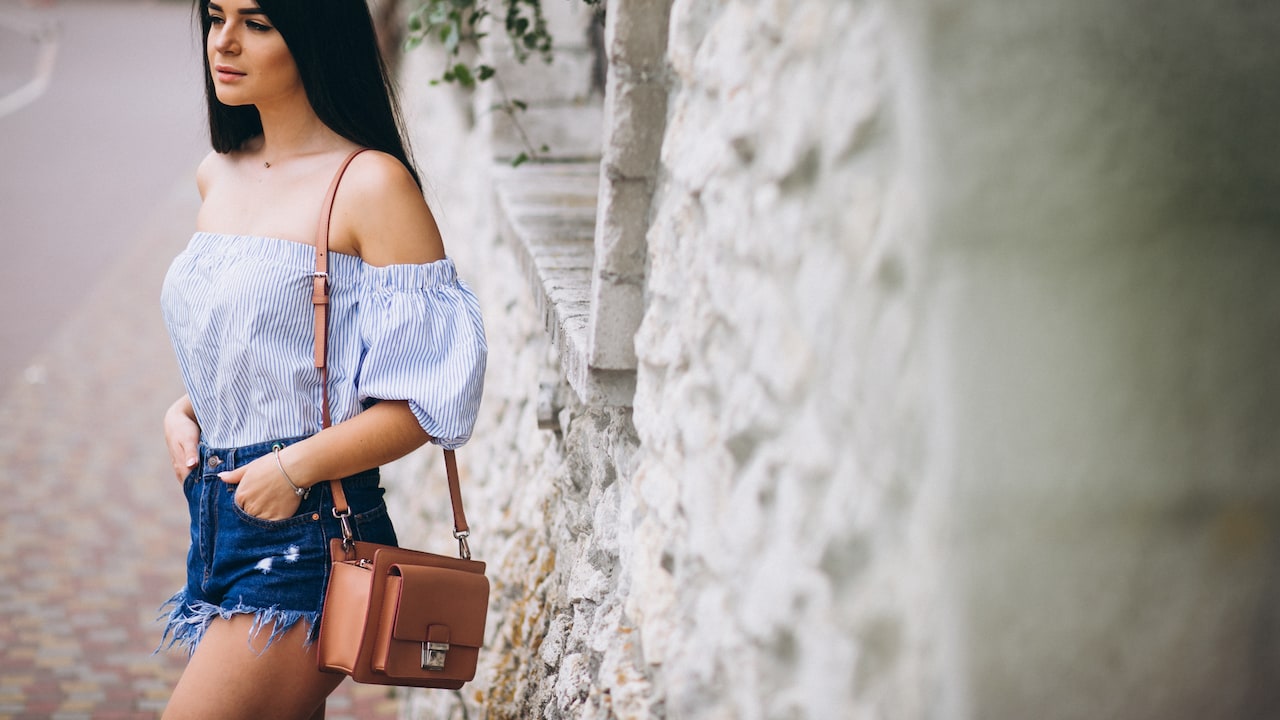
Oversized Outfit Ideas: Why It Suits Some Body Types Better: Styling Tips
Photo Credit: Pexels
10 Styling Tips to Make Oversized Fashion Work for Your Body Type
1) The “Frame” Factor: Why Structure Matters More Than Size
Somebody types look instantly polished in oversized pieces because their frame gives the fabric a natural “hanger”. Broad shoulders, a defined collarbone line, or a taller height can hold volume without losing shape. The garment doesn't droop; it drapes. On smaller or softer frames, the same fabric may collapse and blur the outline. That's why two people can wear the same oversized blazer and get totally different results.
Structure fixes this. Seek pieces with shoulder seams that land close to the shoulder bone, even when the body stays roomy. Choose collars that stand up, cuffs that hold form, and fabrics that don't behave like limp curtains. Poplin, denim, twill, and sturdy knits keep their dignity. A slouchy jersey can work, but it needs help from sharper elements elsewhere. A tiny change, like rolling sleeves to show wrists, brings the body back into the picture and stops the outfit from wearing the person.
2) Tall And Long-Lined Bodies: Volume Looks Intentional, Not Accidental
Height gives oversized fashion breathing room. Longer limbs and a longer torso create space for big silhouettes to read as “editorial” rather than “borrowed from a cousin”. Oversized shirts can fall to mid-thigh and still look like a style choice. Wide-leg trousers can swing without chopping the body in half. Even chunky layers, hoodie, coat, scarf, often sit neatly on a tall frame.
To make the most of it, keep the length deliberate. A long overshirt works best with a clean hemline and straight trousers, not a messy clash of lengths. Play with columns of colour: a black tee with black trousers under a camel shacket looks sleek, even when everything fits loose. Footwear matters too. A thick-soled sneaker or a structured loafer balances the weight of the outfit. When the outfit looks heavy, the shoes need presence. Otherwise, the look ends with a whimper at the ankles.
3) Petite Bodies: Oversized Can Work, But Only With Clear “Anchors”
Petite frames can wear oversized fashion beautifully, but the outfit must show at least one anchor point, something that signals scale and shape. Without anchors, extra fabric shortens the legs and hides the waist, and the mirror starts telling lies. The fix doesn't require skinny jeans or discomfort. It requires intention.
Try a cropped oversized jacket instead of a long one. The boxy cut still feels cool, but the hem sits higher and lifts the leg line. Or choose a big shirt and do a half-tuck so the waist peeks out. Another anchor: an open neckline. A wide crew neck or a V-neck creates space around the face and stops the look from turning into a fabric cocoon. Keep accessories in proportion, too. A massive tote can overpower a smaller body, while a medium crossbody bag adds polish without bullying the outfit. The goal: oversized, not overwhelmed.
4) Curvy Bodies: The Trick Lies In “Shape Suggestion”, Not Hiding
Oversized clothing often attracts curvy bodies for comfort, but it can also cause frustration. When a garment hides the waist completely, the eye reads the widest points first, and the outfit can look heavier than it feels. The solution isn't tight dressing. The solution is “shape suggestion, small hints that guide the gaze.
Belts help, but they don't need to cinch like a corset. A soft belt over an oversized shirt dress, tied loosely, creates a waist reference. Another option: layer a cropped jacket over a long, relaxed tee. The short top layer marks the waist area, while the longer layer provides comfort. Fabrics matter a lot here. Stiff fabrics can add bulk; fluid fabrics can skim. Look for drape that moves when walking, not cloth that stands away like cardboard. Add a vertical element, an open shirt, a long scarf, and a straight-line necklace to keep the silhouette long and lively.
Also Read: How To Style Women's Oversized Blazers for Work, Casual And Evening Wear
5) Pear Shapes: Balance The Hips With Volume Up Top (But Keep It Crisp)
Pear shapes carry more fullness at the hips and thighs, often with a narrower shoulder line. Oversized fashion can flatter this shape when it adds visual weight to the upper body and creates balance. Think roomy shirts with interesting sleeves, drop-shoulder knits, or relaxed blazers with strong lapels. When the top half looks broader, the hips look more in proportion, and the outfit feels harmonious.
The key: keep the oversized top crisp, not sloppy. A clean shoulder line, a neat collar, and a controlled hem prevent the top from sliding into “messy”. For bottoms, wide-leg trousers can work brilliantly, but choose a pair that falls straight from the widest hip point and doesn't balloon. High-rise helps because it defines where the legs begin. If the outfit uses two oversized pieces, break the look with a clear waist cue: a tuck, a belt, or a short jacket. This stops the silhouette from becoming one large block of fabric.
6) Apple Shapes: Use Oversized To Create A Smooth Line, Not Extra Puff
Apple shapes often carry fullness around the midsection, with slimmer legs and arms. Oversized fashion can feel like a blessing here, but the wrong cut adds puff right where it isn't needed. Instead of choosing “big”, choose “relaxed with direction”. Pieces that fall straight down from the shoulder create a smooth line. Pieces that cling then flare can emphasise the centre.
Open layers work wonders: a longline shirt worn open over a fitted tank creates two vertical lines that slim visually. Tunics with side slits prevent the fabric from bunching at the tummy. V-necks and open collars lengthen the upper body and draw attention to the face. For bottoms, slim-straight jeans or cigarette trousers balance the volume without feeling tight. Add interest at the ankles, chunky sandals, colourful sneakers, or a sharp loafer, because apple shapes often look great when the outfit spotlights legs. Comfort stays, shape returns, and the mirror stops arguing.
7) Rectangle Shapes: Oversized Adds Curves, But Only With Smart Layering
Rectangle shapes often show similar measurements at the shoulders, waist, and hips. Oversized dressing can look especially stylish here because the body already reads “straight, and boxy cuts feel cohesive rather than conflicting. The bonus: oversized pieces can create the illusion of curves through clever layering and strategic bulk.
Try a big sweater with a shirt collar peeking out and a longer hem underneath. Those layered lengths add dimension. A puffer vest over a long-sleeve tee can create shape at the sides. Cargo trousers, pleated wide legs, and co-ord sets also work well because they build texture and form without relying on a dramatic waist. When the look feels too flat, add a single statement detail: a shoulder bag tucked under the arm, a bold watch, or a scarf tied at the neck. Small styling choices add personality and shape, and the outfit looks designed, not accidental.
8) Broad Shoulders Or Athletic Builds: Oversized Can Look Powerful, Not Bulky
Athletic builds often come with strong shoulders, a straighter waist, and firm arms and legs. Oversized fashion can look striking here because it amplifies a confident, street-style edge. Yet it can also look bulky if the garment adds width at the top without balancing the bottom.
To keep the look powerful, pick oversized tops that drop cleanly rather than puffing out. Raglan sleeves and softer shoulder shapes reduce “box” energy. Pair them with fuller bottoms, wide-leg trousers, baggy jeans, or relaxed cargos, so the outfit carries the volume evenly. If the top stays huge and the bottom stays skinny, the shoulders can dominate the silhouette. For a sharper look, choose monochrome outfits and let texture do the talking: a chunky knit with smooth trousers, or a denim jacket with cotton wide legs. Finish with footwear that matches the mood, high-top sneakers or sturdy boots work especially well.
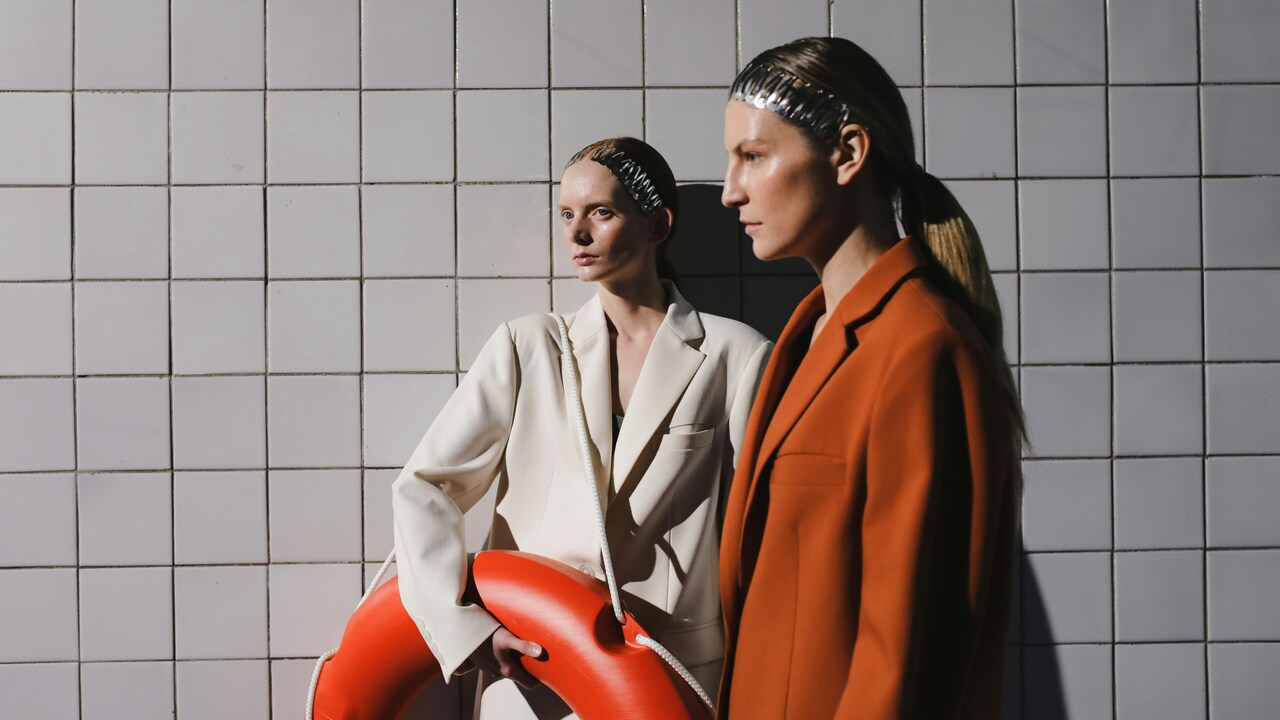
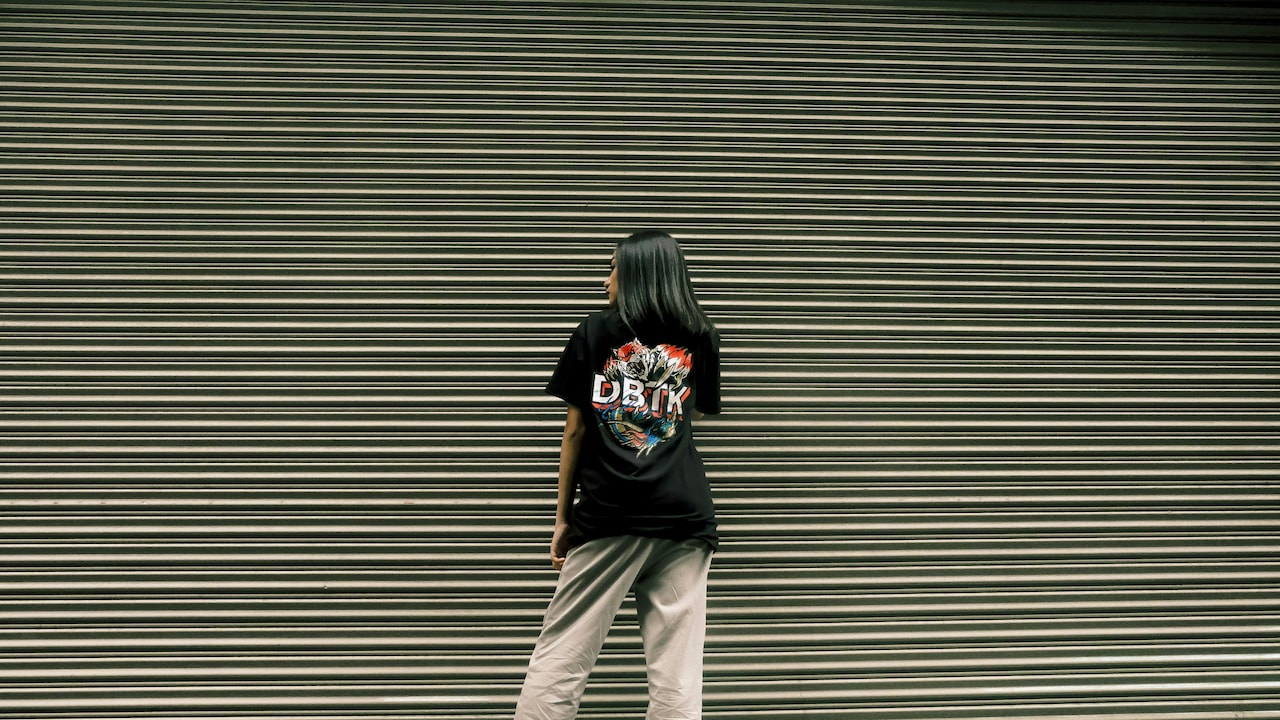
Oversized Outfit Ideas: Why It Suits Some Body Types Better: Styling Tips
Photo Credit: Pexels
9) The Proportion Formula: One Oversized Hero, One Controlled Partner
Even without thinking about body types, this formula saves most outfits: choose one oversized hero piece and one controlled partner. The hero could be a giant shirt, a slouchy blazer, a balloon skirt, or baggy jeans. The partner keeps the outfit grounded, straight trousers, a fitted tee, a sleek skirt, or a neat tank.
This doesn't mean “tight”. It means “clear”. A straight-leg trouser reads controlled even when it fits comfortably. A ribbed knit tee reads defined even when it doesn't cling. This approach also suits busy days: a big shirt with straight trousers works for the office, café, and weekend errands. It also saves money. No need to buy an entire new wardrobe; one oversized layer can refresh basics already sitting in the cupboard. For budgeting, a well-made oversized shirt at ₹1,200 can carry more outfits than a trendy piece that loses shape after three washes. Keep it simple, keep it balanced, and let the hero shine.
10) Finishing Touches: Tailoring, Footwear, And “Real Life” Details
Oversized fashion looks brilliant on social media, but real life includes humidity, monsoon splashes, crowded metros, and surprise dinner plans. Finishing touches decide whether oversized looks chic or chaotic. Start with tailoring. Even oversized pieces benefit from small adjustments: shortening sleeves, fixing shoulder placement, or cropping a hem. A local tailor can do these tweaks for ₹250–₹600, and the outfit instantly looks custom.
Next, choose footwear with intention. Chunky shoes support volume; delicate shoes can get lost. Wide-leg trousers with a strong sneaker feel modern, while the same trousers with flimsy flats can look unfinished. Finally, use “micro-styling”: roll sleeves, add a front tuck, stack bracelets, or wear a structured bag. These details bring focus back to the person. Oversized dressing should feel like a mood: relaxed, playful, confident, not like a laundry day emergency. When the small things look sharp, the big silhouette looks effortless.
Products Related To This Article
1. Glitchez Textured Oversized Shirt
2. Bewakoof Oversized T-shirt
3. HIGHLANDER Highlander Men Oversized Textured Dobby Checked Cuban Collar Oversized Shirt
4. DressBerry Corduroy Oversized Shirt
5. Glitchez Textured Oversized Shirt
6. Roadster Striped Oversized Shirt
7. Glitchez Printed Oversized Shirt
Oversized fashion doesn't flatter some body types because they “deserve” it more. It flatters them because proportions align more easily: height supports length, shoulders support structure, and curves respond well to guided shape. But almost anybody can wear oversized and look fantastic with a few smart moves. Choose fabrics with backbone, create anchor points, balance volume with clarity, and rely on tailoring when needed. Most importantly, treat oversized dressing like a style choice, not a hiding trick. Comfort and style can share the same outfit without fighting. When the silhouette feels intentional, confidence follows, no squeezing, no fuss, and no tugging at hems in the middle of the street.
(Disclaimer: This article may include references to or features of products and services made available through affiliate marketing campaigns. NDTV Convergence Limited (“NDTV”) strives to maintain editorial independence while participating in such campaigns. NDTV does not assume responsibility for the performance or claims of any featured products or services.)