Polarised Sunglasses Or Regular Tinted? Which Ones Actually Protect Your Eyes
Before choosing between polarized or regular tinted sunglasses, understand how each type functions, which offers superior eye protection, and when specific conditions call for extra caution and the right pair
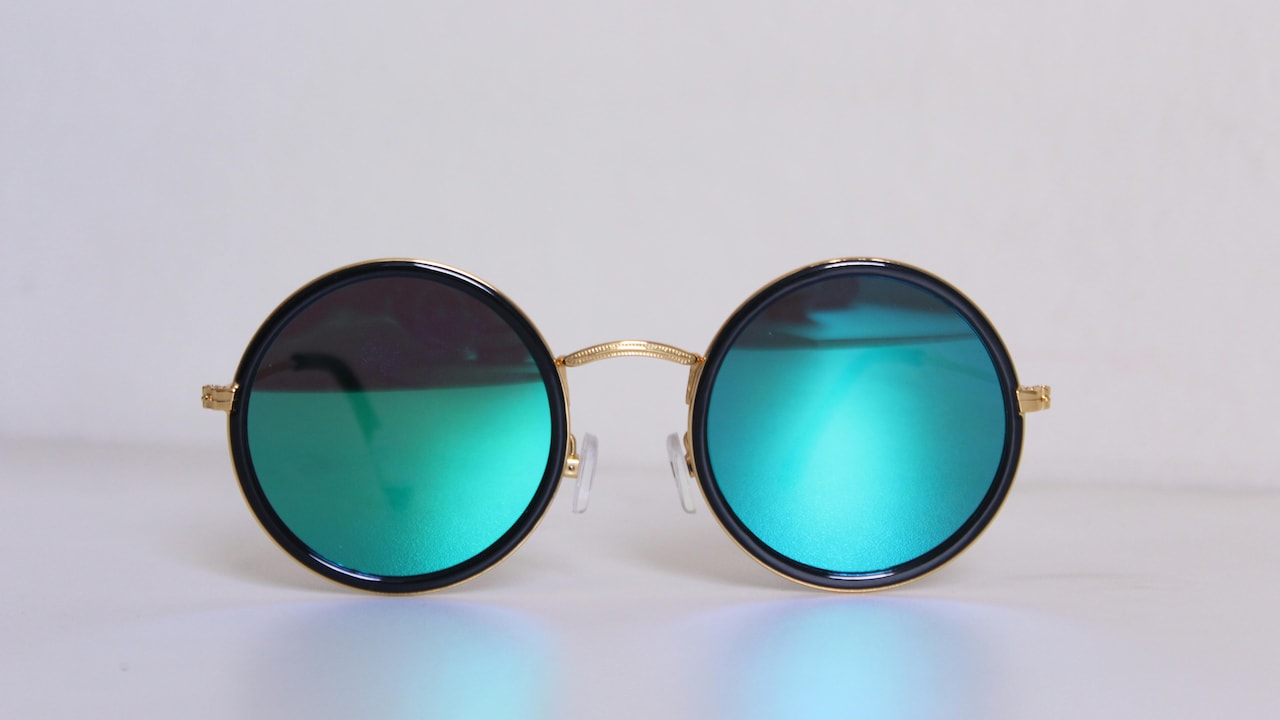
Polarised Sunglasses or Regular Tinted? Here Is A Simple Guide to Eye Protection.
Step outside on a bright afternoon, and the sun wastes no time announcing its presence. Squinting becomes instinctive. Eyes water. Sunglasses feel less like a fashion choice and more like survival gear. But not all sunglasses protect eyes equally. Many people assume darker lenses equal better protection. Others believe polarised lenses magically solve all vision problems. Both ideas miss the full picture. Confusion feels inevitable. Shopkeepers throw around terms like UV400, glare reduction, and polarisation as if everyone speaks optical science. Meanwhile, eyes quietly bear the consequences of wrong choices. Prolonged UV exposure can increase the risk of cataracts and eye strain. Glare can reduce visibility and cause fatigue.
Understanding the real difference between polarised sunglasses and regular tinted ones empowers smarter decisions. So, when it comes to making a decision between polarised sunglasses or regular tinted, know which ones actually protect your eyes from damage. Also. learn how each type works, where each shines, and which situations demand extra care.
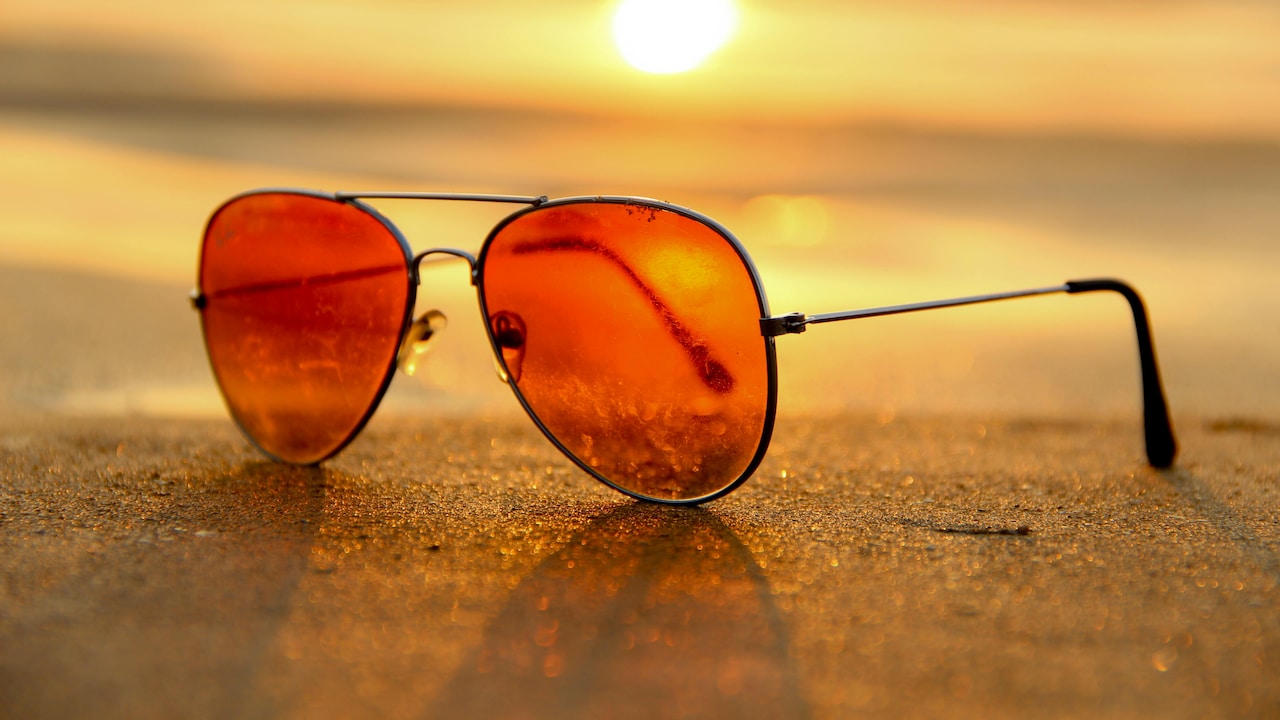
Polarised Sunglasses or Regular Tinted? A Simple Guide to Eye Protection
Photo Credit: Pexels
Key Factors That Decide How Well Your Sunglasses Protect Your Eyes
1. What Regular Tinted Sunglasses Really Do
Regular tinted sunglasses work by reducing the amount of light that enters the eyes. The lens tint absorbs brightness, making sunny scenes feel more comfortable. This reduction helps squinting ease up, especially during midday heat or open-road travel. For many, that feels like instant relief.
However, tint alone does not equal protection. A darker lens without proper UV filtration can actually harm the eyes. Pupils dilate behind dark lenses, allowing more ultraviolet rays to enter. Over time, this exposure may increase the risk of eye problems. The key lies in UV protection, not colour depth.
Tinted lenses come in various shades like grey, brown, and green. Grey maintains colour accuracy. Brown enhances contrast. Green balances both. These variations help with comfort but not necessarily safety. A ₹300 pair with UV400 protection can protect eyes better than a ₹2,000 pair without it.
Regular tinted sunglasses suit casual use. Short walks, light errands, and fashion-focused outings benefit from them. Yet, they struggle in high-glare environments. Roads, beaches, and water surfaces reflect sunlight aggressively. Tint reduces brightness but does little to fight glare. That's where polarisation enters the conversation.
2. The Science Behind Polarised Sunglasses
Polarised sunglasses tackle a specific enemy: glare. When sunlight reflects off flat surfaces like water, glass, or asphalt, it becomes horizontally polarised. This reflected light hits the eyes with intense brightness, reducing clarity and causing strain.
Polarised lenses include a special chemical filter that blocks this horizontal light. The result feels almost magical. Colours appear richer. Details sharpen. Eye comfort improves dramatically. Driving on a sunlit highway suddenly feels calmer. Ripples on water become visible instead of blinding.
This technology doesn't make lenses darker by default. It makes them smarter. Many polarised lenses also include UV400 protection, blocking both UVA and UVB rays. That combination offers comfort and safety.
Yet, polarisation isn't always necessary. Screens such as mobile phones and ATM displays may appear darker or distorted through polarised lenses. Some pilots and machine operators avoid them for this reason.
Polarised sunglasses cost more due to added technology. Prices often start around ₹1,500 and climb upward. For those who spend long hours outdoors, drive frequently, or enjoy fishing or beach activities, the comfort payoff feels worth every rupee.
3. UV Protection: The Non-Negotiable Factor
UV protection deserves more attention than polarisation or tint shade. Ultraviolet rays remain invisible but dangerous. Long-term exposure is linked to cataracts, macular degeneration, and other eye conditions. Sunglasses must block 100% UVA and UVB rays to truly protect vision.
Labels like UV400 or 100% UV protection indicate effective blocking. Without this, even the darkest lens fails the safety test. Street vendors often sell fashionable sunglasses without proper UV filters. They look stylish but offer false security.
UV protection does not depend on lens colour. Clear lenses can block UV if treated correctly. Dark lenses can fail if untreated. That distinction often surprises shoppers.
Children and teenagers need UV protection even more. Young eyes absorb more UV radiation. A habit of proper eye protection early on reduces risks later in life. Spending ₹800 on UV-protective sunglasses today may save thousands in medical bills tomorrow.
Whether choosing polarised or regular tinted sunglasses, UV protection remains essential. No compromise belongs here. Always check certification or brand credibility. Eyes never get replacements.
Also Read: IDEE Sunglasses For Men And Women Now At 30% Off
4. Driving Under the Sun: Which Works Better?
Driving presents one of the strongest cases for polarised sunglasses. Sunlight reflecting off roads, car bonnets, and windscreens creates intense glare. This glare reduces contrast and delays reaction time. Even a split-second delay can matter.
Polarised lenses cut through this glare, improving clarity and depth perception. Road markings appear sharper. Other vehicles stand out clearly. Eye fatigue reduces during long drives. That comfort translates into better focus.
Regular tinted sunglasses reduce brightness but allow glare to persist. The road still flashes. Eyes still strain. For short city commutes, this may feel manageable. On highways or during afternoon drives, discomfort builds quickly.
However, some digital displays inside cars may appear dim through polarised lenses. Most modern vehicles account for this, but older models may still pose issues.
For frequent drivers, investing ₹2,000–₹3,000 in polarised sunglasses feels sensible. Occasional drivers may manage with good-quality tinted lenses with UV protection. Matching sunglasses to driving habits ensures safety without overspending.
5. Outdoor Activities and Sports Use
Outdoor activities expose eyes to harsh light for extended periods. Beaches reflect sunlight off sand and water. Mountains bounce light off rocks. Sports demand focus and quick reactions.
Polarised sunglasses excel in these settings. Anglers spot fish beneath water's surface. Cyclists enjoy improved contrast on roads. Trekkers reduce eye fatigue at high altitudes. The glare reduction feels transformative.
Regular tinted sunglasses work for light outdoor use. Casual walks, evening strolls, or shaded park visits remain comfortable. However, during peak sunlight, glare creeps back in.
Lens colour also matters here. Brown lenses enhance contrast during sports. Grey lenses maintain natural colours. Green lenses reduce glare while preserving balance.
Fit and coverage matter too. Wraparound designs block peripheral light. Poorly fitting sunglasses allow sunlight to sneak in, defeating the purpose.
Outdoor enthusiasts benefit from polarised lenses combined with UV protection. Casual users may stick with quality tinted options. Choosing based on activity ensures comfort and performance without unnecessary expense.
6. Fashion vs Function: Finding Balance
Sunglasses often start as a style statement. Frames shape personality. Colours reflect mood. Fashion matters, and there's no shame in that. Yet, ignoring function invites trouble.
Regular tinted sunglasses dominate fashion collections. Designers experiment with gradients, mirrored finishes, and pastel hues. These designs suit brunches, shopping trips, and social outings.
Polarised sunglasses once looked bulky and sporty. Modern designs now blend technology with style. Sleek frames, gradient lenses, and minimalist designs exist across price ranges.
The mistake lies in choosing style over protection. A fashionable pair without UV protection harms more than it helps. Thankfully, many brands now combine both.
Trying sunglasses under sunlight reveals their true nature. Glare reduction, comfort, and clarity become immediately noticeable. A mirror check won't reveal these qualities.
The smartest choice balances appearance and performance. Eyes stay safe. Confidence stays intact. That's fashion doing its job properly.
7. Price Myths and Value for Money
Price often misleads buyers. Expensive sunglasses don't automatically mean better protection. Cheap ones don't always mean poor quality. Understanding features matters more than price tags.
A ₹300 pair with certified UV400 protection can outperform a ₹3,000 pair lacking it. Polarisation adds cost due to manufacturing complexity. Branding adds cost, too.
Local optical stores often offer good-quality sunglasses at reasonable prices. Online platforms provide variety but require careful reading of specifications.
Beware of vague terms like “UV resistant” without percentages. Look for “100% UV protection” or “UV400.” Polarisation should be clearly stated.
Spending ₹1,500–₹2,500 usually secures decent polarised sunglasses with UV protection. Spending less still works if UV protection exists.
Value comes from matching features to needs. Paying extra for unused technology wastes money. Skipping essential protection risks health. Smart spending sits comfortably in between.
8. Eye Comfort and Long-Term Health
Eyes rarely complain loudly. Discomfort builds quietly. Headaches after sunny days. Dryness. Fatigue. These signs often get ignored.
Glare forces eyes to work harder. Squinting strains muscles. Prolonged strain contributes to headaches and reduced focus. Over years, UV exposure increases risks of serious eye conditions.
Polarised sunglasses significantly reduce glare-related strain. Regular tinted sunglasses help with brightness but may fall short in harsh conditions.
Long-term eye health depends on consistent protection. Wearing sunglasses only occasionally limits benefits. Keeping a reliable pair handy encourages regular use.
Comfort influences habit. If sunglasses feel heavy, distort colours, or cause dizziness, they stay unused. Trying different options helps find the right fit.
Eyes deserve care equal to skin. Sunscreen protects skin daily. Sunglasses should protect the eyes just as consistently.
9. Common Myths That Need Busting
One persistent myth claims darker lenses offer better protection. False. UV protection depends on coating, not darkness.
Another myth suggests polarised sunglasses block UV automatically. Not always. Polarisation and UV protection remain separate features. Many quality lenses include both, but assumptions can mislead.
Some believe sunglasses damage eyes by making them dependent. No evidence supports this. Sunglasses protect, not weaken, eyes.
Another myth dismisses sunglasses during winter or cloudy days. UV rays penetrate clouds and reflect off surfaces year-round.
Understanding these truths prevents poor choices. Marketing language often fuels myths. Knowledge cuts through noise.
Eyes appreciate informed decisions more than impulsive buys.
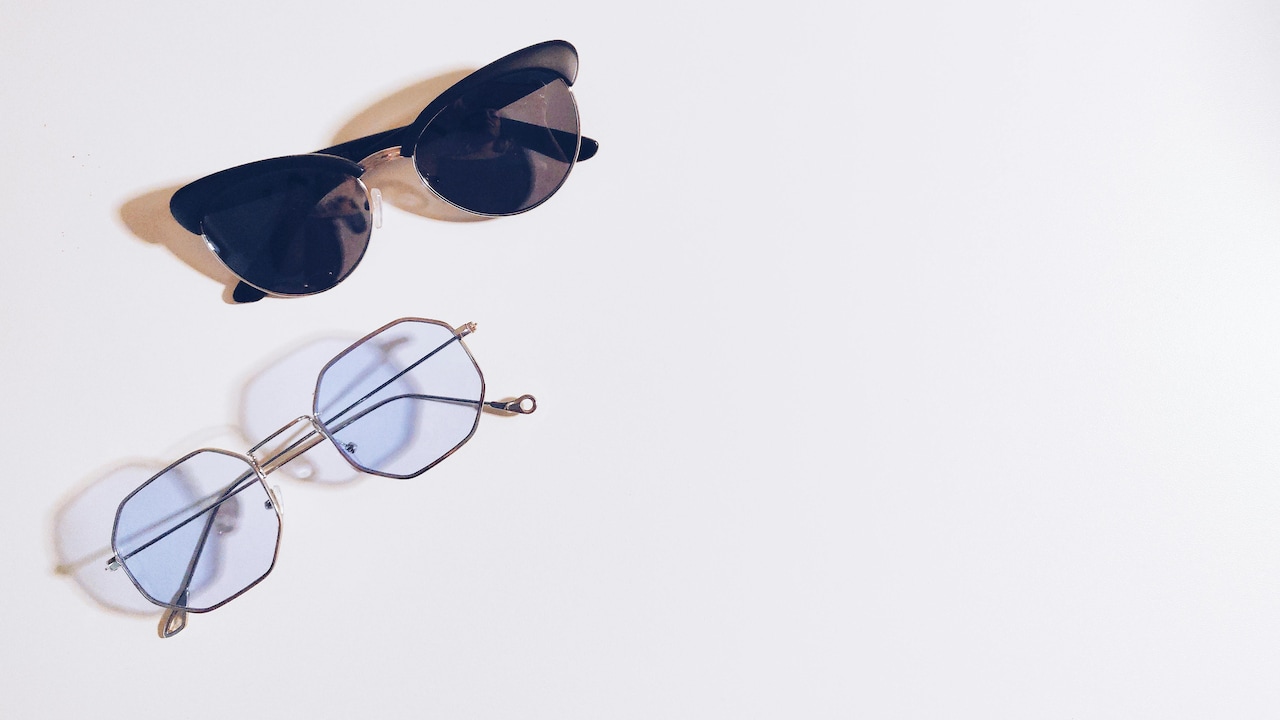
Polarised Sunglasses or Regular Tinted? A Simple Guide to Eye Protection
Photo Credit: Pexels
10. Choosing What Suits Daily Life
Choosing between polarised and regular-tinted sunglasses depends on lifestyle. Frequent drivers, outdoor enthusiasts, and those sensitive to glare benefit most from polarised lenses.
Casual users who step out briefly may feel comfortable with regular tinted sunglasses with proper UV protection. Budget constraints also play a role.
Owning both options works too. One pair for daily errands. Another for travel and outdoor activities. Sunglasses aren't one-size-fits-all.
Trying sunglasses outdoors before buying helps immensely. Checking glare reduction, clarity, and comfort reveals true quality.
Ultimately, the best sunglasses protect eyes, feel comfortable, and fit daily routines. Everything else becomes secondary.
Products Related To This Article
1. Vincent Chase by Lenskart Unisex Grey Lens & Gold-Toned Round Sunglasses with Polarised Lens
2. Voyage Women UV Protected Cateye Sunglasses B6101MG3176
3. HAUTE SAUCE Women Wayfarer Sunglasses With Polarised Lens
4. H&M Women Oval Sunglasses
5. Peter Jones Eyewear Unisex Oversized Sunglasses with Polarised Lens
6. MANGO Women Rectangle Sunglasses
7. Fastrack Women Gunmetal-Toned Cateye Sunglass with Polarised Lens
Sunglasses do far more than complete an outfit. They shield eyes from invisible dangers and daily discomfort. Regular tinted sunglasses reduce brightness and suit casual use. Polarised sunglasses fight glare and offer superior comfort in challenging conditions. The real hero remains UV protection. Without it, sunglasses become decorative but harmful. With it, even simple lenses protect eyes effectively. Choosing the right sunglasses today ensures brighter, safer tomorrows, without squinting through regrets.
(Disclaimer: This article may include references to or features of products and services made available through affiliate marketing campaigns. NDTV Convergence Limited (“NDTV”) strives to maintain editorial independence while participating in such campaigns. NDTV does not assume responsibility for the performance or claims of any featured products or services.)