10 Reasons Cotton Clothes Feel Hot And Sweaty Despite Being Breathable
Cotton may be breathable, but the wrong weave, weight, fit or layering can still leave you sweaty. Here are 10 common fabric and fit problems that could be making your summer clothes feel hotter than they should.

Common reasons why cotton clothes can make you sweat more
Cotton and summer seem like an obvious match. The fabric feels soft, sounds reassuringly natural and carries none of the plasticky associations that make some synthetic clothes feels suspicious before they are even worn. Then comes a humid afternoon. The shirt that felt feel at 9 a.m. starts clinging to the back. The neckline feels warmer than expected. A short walk from the Metro station to the office leaves visible damp patches, and suddenly that supposedly breathable outfit feels about as refreshing as a closed kitchen during dinner prep. So what went wrong?

Why do some cotton garments make you sweat more easily
Photo Credit: Pexels
Breathability is more complicated than simply checking whether a label says “100% cotton”. Clothes have structure. Threads have thickness. Weaves can be tight or loose. Fits can encourage airflow or trap heat. Some garments soak up sweat beautifully but hold on to that moisture for far too long.
Also Read: Why Fabrics Matter More Than Prints For Shirts, Kurtas and Tops: Explore Best Options
If cotton keeps leaving you hot and uncomfortable, the answer may lie in one of these ten fabric and fit problems.
Why Your Cotton Clothes May Still Feel Hot
1. The Cotton Fabric Is Too Heavy
Not all cotton feels light just because it comes from the same fibre family. A thick cotton overshirt and a fine cotton voile top may share a label, but they behave very differently once the temperature climbs.
Fabric weight matters because dense material can create a surprisingly effective barrier around the body. Heavy cotton tends to absorb moisture, but the extra mass may also take longer to dry. That means sweat can sit in the garment rather than disappearing quickly.
This often happens with sturdy T-shirts, heavyweight polos and thick casual shirts designed to hold their shape. They look polished in an air-conditioned store, then become far less charming during a long auto ride or a crowded afternoon commute.
Hold the fabric up to the light before buying. If hardly any light passes through, the cloth may feel warmer than expected. That does not automatically make it unsuitable, but it changes when and where it works best.
For very hot days, lighter cotton usually has the advantage. Think less “structured weekend shirt” and more “fabric that moves when the ceiling fan does”.
2. The Weave Is Too Tight
Breathability depends heavily on the spaces between threads. A tightly woven cotton fabric may feel smooth and premium, but if very little air can move through it, body heat has fewer routes to escape.
This is why two shirts made from pure cotton can produce completely different experiences. Poplin, cambric, voile, muslin and other constructions vary in density, texture and airflow. Some feel almost breezy. Others behave more like a neat little wall.
A tightly woven shirt can still make sense for formal dressing, especially when a crisp finish matters. Problems begin when it is paired with sweltering weather, long outdoor stretches or rooms where the air conditioner has decided to pursue a spiritual journey instead of functioning.
Try the simple light test. Place the fabric near a window and see how much light comes through. A slightly more open weave often allows better ventilation.
Texture helps too. Fabrics that sit away from the skin in tiny ridges or loose structures can feel less clingy.
Cotton may be breathable in theory, but weave determines whether that breath has anywhere to go.
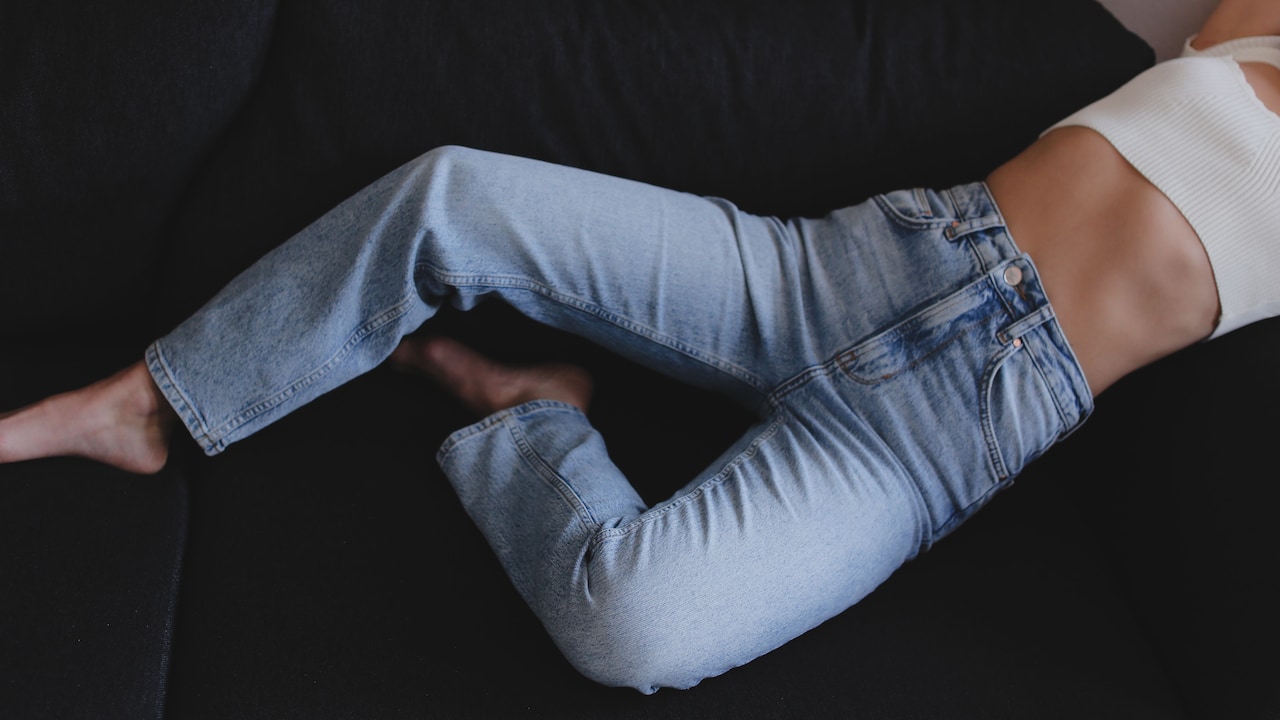
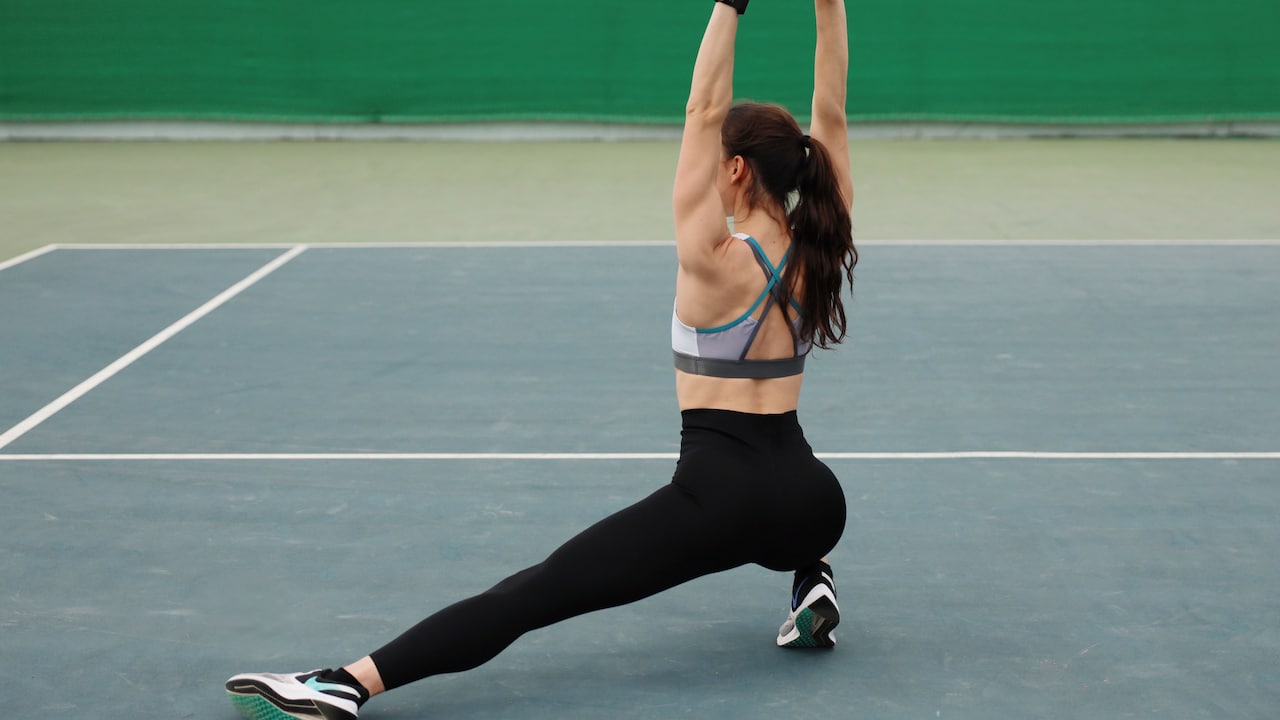
3. Your Clothes Fit Too Close To The Body
A fitted outfit can look sharp, but summer comfort often needs a little breathing room quite literally.
When a shirt, kurta, blouse or T-shirt sits very close to the skin, it limits the small pockets of air that help heat move away from the body. Sweat also spreads more quickly through fabric pressed directly against the chest, back and underarms.
The result is familiar: damp patches appear sooner, the garment starts sticking, and every movement becomes slightly more noticeable than anyone asked for.
This does not mean clothes need to look oversized. A relaxed fit and a baggy fit are not the same thing. Even a few extra centimetres around the torso, sleeves and shoulders can improve airflow considerably.
Pay attention to armholes as well. High, tight armholes can trap heat and make underarm sweating feel worse. Similarly, trousers that grip the thighs may become uncomfortable during long walks or commutes.
The best warm-weather fit allows the fabric to skim the body rather than cling to it.
If taking off a shirt at the end of the day feels like peeling a sticker from a lunchbox, the fit is probably doing you no favours.
4. The Garment Has Too Many Layers
Sometimes the main fabric is perfectly fine. The hidden layers are the real culprits.
A cotton dress may contain a polyester lining. A formal shirt may sit over a thick vest. A blouse may include extra panels for shape. Even pockets, shoulder reinforcements and double-layered yokes can add heat in places where sweat already tends to gather.
Layering becomes especially noticeable in humid weather because every extra barrier slows evaporation.
Consider the classic office combination of vest, tucked-in shirt and trousers. It looks tidy, but the torso may effectively be wrapped in multiple layers before the day has properly begun. Add a backpack during the commute and the back receives almost no chance to cool down.
Check garment construction rather than judging only the outer fabric. A cotton label on the exterior does not guarantee that every component offers the same breathability.
For casual wear, single-layer garments often feel better. For formal dressing, thinner base layers can make a noticeable difference.
Sometimes summer comfort is less about finding a magical fabric and more about removing one unnecessary layer.
5. The Cotton Absorbs Sweat But Does Not Dry Quickly
Cotton is excellent at absorbing moisture. That sounds ideal until the fabric becomes wet and stays wet.
Unlike some performance fabrics, ordinary cotton often holds on to perspiration. During dry heat, this may not feel too troublesome because evaporation happens more easily. In humid conditions, however, the surrounding air already contains plenty of moisture, so drying slows down.
That is when a cotton T-shirt can turn from soft and comfortable to heavy and clingy.
Picture a short walk to buy groceries on a muggy evening. The shirt absorbs sweat around the neckline and back. Ten minutes later, the walking has stopped but the dampness has not. The cotton has done half its job brilliantly and the other half rather reluctantly.
Lighter fabrics usually dry faster because there is less material to saturate. Cotton blends can also perform differently, depending on the fibres used.
This does not mean pure cotton is a poor choice. It simply works best when the garment is light, loose and exposed to enough moving air.
Absorption and breathability are related, but they are not the same thing.

Cotton absorbs moisture easily and takes longer to dry, giving that soaked feeling
Photo Credit: Pexels
6. The Colour Is Working Against You
That black cotton T-shirt may be breathable, beautifully cut and wonderfully soft. Under strong afternoon sun, however, colour can still make it feel hotter.
Dark shades absorb more solar energy than light ones, especially when someone spends significant time outdoors. The difference may seem minor during an indoor day, but it becomes easier to notice while waiting for a cab, walking through an open market or standing near a sun-baked roadside.
Black, deep navy, charcoal and rich maroon are wardrobe favourites for good reason. They look smart and hide minor stains. Unfortunately, they can also feel less forgiving under direct sunlight.
Lighter shades such as white, beige, pale blue, mint and soft pastels generally feel more comfortable in exposed conditions. They reflect more incoming light and often create a visually cooler impression too.
Of course, nobody needs to dress like a walking bedsheet all summer. Dark colours still work well for evenings, indoor settings and lighter garments.
The point is simple: fabric gets most of the attention, but colour also influences thermal comfort.
Sometimes the problem is not cotton. It is that your favourite black tee has chosen battle with the sun.
7. The Sleeves And Neckline Trap Heat
Small design details can dramatically change how airy a garment feels.
A high neckline may look elegant but reduce ventilation around the upper chest and neck. Tight collars can make the same problem worse. Long sleeves made from lightweight cotton may still feel comfortable, yet fitted sleeves with narrow cuffs can trap warmth around the arms.
Necklines matter because the upper body releases plenty of heat. An open collar, relaxed neckline or partially unbuttoned placket gives warm air somewhere to escape.
Sleeve shape makes a similar difference. Loose sleeves create movement around the arms, while tight sleeves keep fabric pressed against the skin.
This is why a roomy cotton kurta can sometimes feel cooler than a short-sleeved fitted T-shirt. Coverage alone does not determine comfort. Air circulation matters more than many people realise.
When trying on summer clothes, move around rather than standing politely in front of the changing-room mirror. Raise the arms. Sit down. Roll the shoulders.
If the neckline feels restrictive in an air-conditioned shop, it is unlikely to become more generous when the temperature outside feels like a pressure cooker with traffic.
8. Your Undergarments Are Adding Heat
The most breathable outer outfit can still struggle if the layers underneath trap warmth.
Thick bras, heavily padded styles, tight briefs, shapewear and dense vests may all reduce airflow. Synthetic elastic panels can also collect sweat in areas already prone to heat.
Because these garments sit directly against the skin, their effect is often stronger than expected.
A lightweight cotton shirt over a thick padded inner layer may still feel hot around the chest and back. Similarly, loose trousers can become uncomfortable if the underwear underneath fits too tightly.
Comfortable summer dressing therefore starts with the first layer, not the final one.
Look for lightweight options with breathable panels and fits that stay secure without digging into the skin. Moisture management also matters, particularly for long commutes, travel days and outdoor work.
There is no need to completely redesign the underwear drawer every April. Even small changes can help. Choosing a lighter vest or less bulky inner layer on especially humid days may improve comfort more than changing the shirt itself.
Summer outfits are team efforts. One overheated member can ruin the whole performance.
9. The Fabric Finish Is Reducing Breathability
Cotton fabric often undergoes treatments before it reaches the shop floor. These finishes can improve appearance, softness, wrinkle resistance or durability, but they may also change how the material feels against the skin.
A very smooth, coated or heavily finished cotton shirt can sometimes feel less airy than a softer, more natural-looking weave. Certain wrinkle-resistant garments, for example, are designed to remain crisp for long periods. Convenient? Absolutely. Always the coolest option? Not necessarily.
The difference is easier to notice after several hours of wear.
A fabric that initially feels sleek may start holding warmth once the body heats up. Some finishes also affect how quickly moisture spreads or evaporates.
Washing can change this behaviour. New cotton garments occasionally become softer and more breathable after a few washes as manufacturing residues and surface treatments gradually reduce.
Feel the fabric carefully before buying. Does it feel papery, coated or unusually stiff? Compare it with a softer cotton garment nearby.
A polished finish may look expensive under shop lighting, but comfort has its own definition of luxury. On a humid afternoon, nobody cares how crisp a collar looks if the person inside it feels steamed.
10. Your Bag, Chair And Commute Are Blocking Airflow
Sometimes the clothes are innocent.
A backpack pressed against the back can trap heat within minutes. Faux-leather office chairs can create sweaty patches even in breathable trousers. Car seats, scooter rides, crowded trains and long stretches of sitting all reduce airflow in specific areas.
That is why someone may feel perfectly comfortable when walking indoors, then suddenly notice a soaked back after carrying a laptop bag for twenty minutes.
Backpacks are frequent offenders because they create direct contact across a large area. Bags with ventilated back panels can help, as can switching shoulders occasionally or using a tote for lighter loads.
Office seating matters too. If possible, briefly standing and moving around can help trapped heat escape.
Commuting conditions also affect which fabrics make sense. A heavy cotton shirt may feel fine during an air-conditioned cab ride but miserable during a kilometre-long walk from the station.
Clothing advice often treats the body as though it exists alone in an empty room. Real life involves chairs, bags, traffic, lifts and platforms.
Before replacing half the wardrobe, check what spends the day pressed against it.
Products Related To This Article
1. Rimeline Women Ethnic Motif Printed V-Neck A-Line Cotton Kurta
2. HERE&NOW Blue & White Striped Printed Mandarin Collar Cotton Straight Short Kurta
3. Rain & Rainbow Women Floral Print Cotton Kurti
4. Anouk Men Lavender Cotton Textured Mandarin Collar Short Kurta with Pocket Detail
5. Libas Women Off White Printed Cotton Straight Short Kurti
6. SOJANYA Ethnic Motifs Printed Mandarin Collar Sequinned Straight Kurtas
7. Rain & Rainbow Long Sleeves Printed Pure Cotton Ikat Kurti
Cotton deserves its summer-friendly reputation, but the label alone cannot guarantee comfort.
A garment can be made from pure cotton and still feel hot because it is heavy, tightly woven, fitted, lined or slow to dry. Dark colours, restrictive necklines, thick undergarments and even a laptop backpack can add to the problem.
The easiest solution is to think beyond fibre content.
Look for lighter fabrics, roomier cuts and constructions that allow air to move. Consider how the clothes will actually be worn. A shirt for an air-conditioned office has a different job from one expected to survive a humid train platform, an outdoor lunch and a twenty-minute walk home.
Most importantly, pay attention to how a garment feels after movement, not just how it looks while standing in front of a mirror.
Summer dressing does not need to become a science experiment. A little fabric awareness goes a long way.
And if a supposedly breathable cotton shirt still feels like cling film by noon, the weather may not be the only suspect.
(Disclaimer: This article may include references to or features of products and services made available through affiliate marketing campaigns. NDTV Convergence Limited (“NDTV”) strives to maintain editorial independence while participating in such campaigns. NDTV does not assume responsibility for the performance or claims of any featured products or services.)